The Thick Taut Skin of a Beagle With MLS
It can be incredibly disheartening and frankly, quite worrying, when you notice something isn't quite right with your beloved Beagle's skin. Especially when it’s not just a simple rash or allergy, but something that feels… different. If you’ve started to feel an unusual thickness or tautness to your Beagle's skin, particularly on their head or around their joints, you might be encountering a rare genetic condition known as Musladin-Lueke Syndrome, or MLS. This guide is here to shed light on this specific symptom, helping you understand what it means, what to look for, and how to best care for your furry friend.
Understanding Musladin-Lueke Syndrome MLS in Beagles
Musladin-Lueke Syndrome (MLS) isn't your everyday sniffle or minor skin irritation. It's a serious genetic condition that specifically affects Beagles, and unfortunately, it can manifest in several ways, often starting with those tell-tale skin changes. Discovering your dog might have a genetic issue can feel overwhelming, but understanding what MLS is, and why it impacts Beagles, is the first crucial step towards managing it effectively. It's a journey many Beagle owners have navigated, and you're not alone in seeking answers.
What is MLS and Why Does it Matter?
At its heart, MLS is a connective tissue disorder. Think of connective tissue as the "glue" that holds everything together in the body—skin, joints, heart, and other organs. In Beagles affected by MLS, this connective tissue doesn't develop or function quite right. This leads to a range of symptoms, with the most noticeable often being changes in the skin and the structure of their face and gait. The condition gets its name from two individuals, Dr. Patricia Musladin and Dr. Susan Lueke, who were instrumental in identifying and researching it, bringing much-needed attention to this challenging disease within the Beagle community.
This disorder is particularly significant because it's progressive, meaning symptoms can worsen over time if not managed. While not all Beagles with MLS will experience the same severity of symptoms, it can significantly impact their quality of life. Owners might initially dismiss some subtle signs as typical puppy clumsiness or a strange facial expression, but these seemingly minor details can be early indicators of a much deeper issue. That's why being informed and vigilant is so important for Beagle parents.
The Genetic Basis: Recessive Inheritance
The reason MLS specifically affects Beagles comes down to genetics. It's an autosomal recessive inherited disorder. What does that mean in plain English? It means a puppy must inherit two copies of the mutated gene—one from each parent—to be affected by MLS. If a Beagle inherits only one copy, they are considered a "carrier" of the disease. Carriers typically show no symptoms themselves, but they can pass the gene on to their offspring. This is where things get tricky and why responsible breeding practices are so vital.
Imagine a scenario where two seemingly healthy Beagles, both carriers of the MLS gene, are bred together. Each puppy in that litter has a 25% chance of being affected by MLS, a 50% chance of being a carrier, and a 25% chance of being completely clear. This highlights why responsible breeders are so committed to genetic testing. They test their breeding stock to identify carriers and ensure they don't pair two carriers together. Understanding The MLS DNA Test Required for Beagle CHIC is paramount, as this test allows breeders to make informed decisions and prevent the heartbreak of producing affected puppies. This preventative measure is the best way to safeguard the breed's health for generations to come. For potential puppy owners, knowing What an MLS Carrier Result Means for a Beagle from a breeder's paperwork offers valuable insight into your puppy's genetic heritage and potential risks down the line.
The Distinctive Skin Manifestations of MLS
When you first notice the skin changes associated with MLS, it can be quite perplexing. It’s not like the loose, flexible skin you typically find on a healthy Beagle. Instead, it presents as a unique set of characteristics that often hint at the underlying connective tissue issues. This specific symptom is often one of the earliest and most visually striking indicators that something unusual is going on.
Why the Skin Becomes Thick and Taut
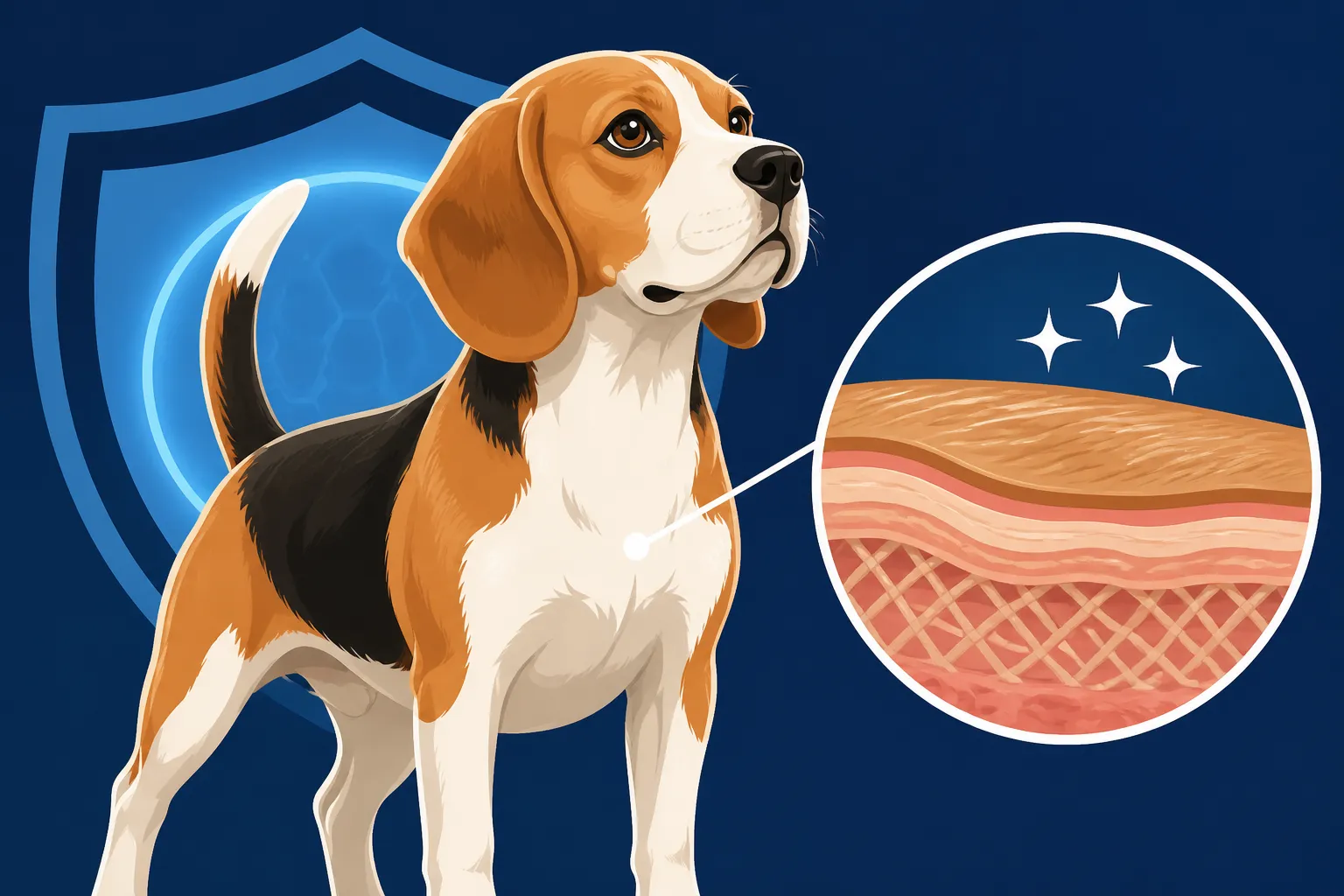
The hallmark skin symptom of MLS is its abnormal texture: it becomes noticeably thick and taut. This isn't just a minor cosmetic change; it's a direct result of the faulty connective tissue development within the skin itself. Essentially, the collagen and elastin – the proteins that give skin its strength and elasticity – aren't structured correctly. Instead of being pliable and stretchy, the skin becomes dense, firm, and loses its natural give. When you try to pinch or gently pull the skin, particularly on the face, neck, or over the joints, it feels unyielding, almost rigid, and resistant to movement.
This tautness can be especially pronounced on the face, giving Beagles with MLS a very distinct and often worried or stern expression. The skin might feel like it's stretched tightly across the bones, lacking the usual soft looseness. It can also appear thickened around the paws and joints, sometimes contributing to a stiff or uncomfortable appearance. Owners might describe it as feeling like their dog's skin is "too small" for their body, or that they can't quite get a good grip on it during a comforting pet. This change isn't just textural; it can genuinely impact your Beagle's comfort and range of motion.
Accompanying Skin Changes and Their Impact
Beyond the thickness and tautness, the reduced elasticity of the skin can lead to other issues. Normal skin acts as a protective barrier, flexing and moving with the body. When it's taut, it's less able to absorb impact or stretch with normal movements, potentially making it more prone to minor abrasions or irritation if not carefully managed. You might not see open wounds, but the constant tension could lead to subtle discomfort.
The facial tautness is particularly telling. It can affect the way a Beagle expresses itself, often resulting in a unique facial appearance described by some as "pained" or having "slanted eyes." This characteristic look, along with a short, broad skull and high-set ears, is a key diagnostic feature for veterinarians. You might notice that your Beagle's eyelids seem pulled, or their brow looks permanently furrowed. It changes their endearing, merry Beagle expression into something different. For more details on these specific facial changes, you might find our guide on The Skull Shape and Slanted Eyes MLS Produces insightful. Furthermore, the sheer physical sensation of living with tight, unyielding skin can be uncomfortable, making grooming, cuddling, or even simple vet examinations a bit more challenging, as the skin just doesn't move as it should.
Recognizing Other Key Signs of MLS
While the thick, taut skin is a very specific and often early indicator of MLS, it's rarely the only symptom. Musladin-Lueke Syndrome is a systemic disorder, meaning it affects various parts of the body because of the widespread nature of connective tissue. Understanding the full spectrum of signs is crucial for a comprehensive diagnosis and for providing the best possible care for your Beagle.
Beyond the Skin: Musculoskeletal and Facial Features
The abnormal connective tissue development often translates into distinct musculoskeletal issues. One of the most frequently observed and described symptoms is a characteristic "tip-toe" gait. Instead of walking flat-footed, affected Beagles tend to walk on the tips of their toes, with their paws turned inward. This gives them a very specific, almost dainty, and stiff-legged stride. It's not just a cute quirk; it's a structural compensation for discomfort or stiffness in their joints and connective tissues, making their movement less fluid and more restricted. Many owners notice this unusual walk early on, sometimes even in puppyhood, and it's a significant red flag. You can read more about this unique movement in our article about Musladin-Lueke Syndrome and the Tip-Toe Gait.
Beyond the gait, affected Beagles often have a distinctive facial and bodily structure. The short, broad skull and slanted eyes, which we touched on earlier, are quite common. Their ears might appear high-set, and they often carry their head and neck in a very rigid, almost fixed position. Their posture tends to be stiff and upright, sometimes leading to a characteristic "bulldog-like" appearance rather than the typical lithe Beagle build. These are not just minor deviations; they are clear physical manifestations of the connective tissue anomalies affecting cartilage and bone development. If you observe these traits, especially in a young pup, it’s imperative to consult with your veterinarian. You can find a deeper dive into these developmental changes in Musladin-Lueke Syndrome Signs in a Beagle Puppy.
Cardiac and Other Internal Manifestations
Because connective tissue is found throughout the body, MLS isn't limited to external signs. It can also impact internal organs, particularly the heart. Some Beagles with MLS have been diagnosed with various cardiac abnormalities, including problems with heart valves or even cardiomyopathy, a disease of the heart muscle. These conditions can range in severity, from mild murmurs to more significant issues that could affect the Beagle's lifespan or quality of life. An experienced veterinarian will perform a thorough cardiac auscultation during routine exams, but if MLS is suspected, further diagnostic imaging like an echocardiogram might be recommended.
Beyond the heart, there have been occasional reports of other internal anomalies in Beagles with MLS, though these are less common and less consistently documented than the musculoskeletal and skin issues. This variability underscores the importance of a comprehensive veterinary workup for any Beagle suspected of having the condition. It's not just about addressing the visible symptoms; it's about understanding the full systemic impact of the disease. While a definitive diagnosis often comes from genetic testing, recognizing these varied clinical signs helps veterinarians piece together the puzzle and ensure no aspect of the dog's health is overlooked.
Diagnosis and Management of MLS
Receiving a diagnosis of a genetic condition like MLS can feel overwhelming, but it’s the first step toward effective management and ensuring your Beagle lives the most comfortable life possible. The good news is that advancements in veterinary medicine, particularly in genetic testing, have made diagnosis much more straightforward than in the past.
The Importance of a DNA Test
Clinically, MLS can sometimes be a tricky diagnosis based solely on physical examination, as some symptoms might overlap with other conditions that cause stiffness or altered gait, like certain types of arthritis or even neurological issues. This is why the advent of the specific DNA test for MLS has been a game-changer for the Beagle breed. The test is simple, usually requiring just a cheek swab, and can definitively identify whether a Beagle is clear, a carrier, or affected by the syndrome. There's no guesswork involved, which is incredibly reassuring for owners and vital for breeders.
Veterinarians often recommend this test for puppies showing any characteristic signs, or for breeding animals to prevent passing on the gene. For potential owners, always ask breeders for proof of MLS testing for both parents of any puppy you consider. This is a critical question to ask, as outlined in guides like What to Ask a Beagle Breeder About Genetics. If your Beagle receives a positive diagnosis, it provides clarity and allows your vet to create a tailored management plan. Knowing the genetic status helps you understand what challenges might lie ahead and how to proactively address them, rather than reacting to symptoms as they arise. This proactive approach can significantly impact your Beagle’s long-term well-being and is a cornerstone of responsible pet ownership.
Living with a Beagle with MLS: Care and Support
Currently, there is no cure for MLS, so management focuses on supportive care and alleviating symptoms to maximize your Beagle's comfort and quality of life. This often involves a multi-faceted approach tailored to the individual dog's specific manifestations of the disease. For the taut, thick skin, gentle moisturizing and protecting the skin from injury are important. Regular, soft brushing can also help maintain skin health without causing irritation.
For musculoskeletal issues, physical therapy, gentle exercise, and possibly pain management can be beneficial. Your vet might recommend anti-inflammatory medications or joint supplements to help with stiffness or discomfort. Ensuring your Beagle maintains a healthy weight is also crucial, as extra pounds can put additional strain on already compromised joints and connective tissues. Regular check-ups with your veterinarian are essential, especially given the potential for cardiac involvement. These visits allow for monitoring of heart health and adjustments to the care plan as needed. Having a good relationship with your vet is priceless when dealing with a chronic condition like MLS.
It's also worth noting the financial aspects of long-term care for a Beagle with a chronic condition. Ongoing vet visits, potential medications, and specialized therapies can add up. This is where Beagle Pet Insurance and What It Runs a Month can be a lifesaver. Providers like Healthy Paws offer comprehensive plans that can help cover a significant portion of these costs, easing the financial burden and allowing you to focus on your Beagle's well-being. Investing in pet insurance, particularly before any conditions are diagnosed, can provide immense peace of mind. Healthy Paws, for example, is often praised for its coverage of unexpected illnesses and accidents, which can certainly include managing the various aspects of MLS once diagnosed.
The Role of Responsible Breeding in Preventing MLS
The prevalence of genetic disorders like MLS underscores the immense responsibility that comes with breeding dogs. For conditions with a known genetic marker and recessive inheritance, breeders hold the key to significantly reducing, and potentially eliminating, the disease from future generations.
Screening Breeding Stock
The most critical step in preventing MLS is the universal screening of all Beagles intended for breeding. This means every breeding dog, male or female, should undergo the specific DNA test for Musladin-Lueke Syndrome before ever being bred. Once tested, a breeder knows if a dog is clear, a carrier, or affected. Ethical breeding dictates that two carriers should never be bred together, as this carries a 25% risk of producing affected puppies. While breeding an affected dog is extremely rare and highly unethical, pairing a carrier with a clear dog is acceptable, as it will produce a litter with 50% clear and 50% carrier puppies, but no affected ones. These carrier puppies can then be tested before they, in turn, are considered for breeding.
This systematic approach, embraced by responsible breeders and advocated by breed clubs, is how genetic diseases are controlled and reduced within a breed. Organizations like the National Beagle Club provide guidelines and recommendations for health testing, ensuring that the health and longevity of the Beagle breed remain a top priority. Adhering to National Beagle Club Health Recommendations is a strong indicator of an ethical breeder. By making MLS testing a mandatory part of their health screening, breeders actively contribute to a healthier future for all Beagles.
Reducing the Incidence of MLS
The widespread adoption of DNA testing has already had a significant positive impact on the incidence of MLS in Beagles. When breeders consistently test their dogs and make informed decisions based on those results, the number of affected puppies dramatically decreases. This isn't just theory; it's a proven strategy that has worked for other genetic conditions in various breeds. For anyone considering bringing a Beagle puppy into their home, this information is empowering. You have the right to ask breeders for proof of parentage and their MLS test results. A reputable breeder will be transparent and proud to share this information, as it reflects their commitment to the health of their lines. This commitment to screening is why programs like the OFA's Canine Health Information Center (CHIC) specifically include the MLS DNA test as a recommended health screening for Beagles. Our guide on Beagle Health Testing Under CHIC goes into more detail about how these certifications help ensure healthier puppies. By supporting breeders who prioritize these genetic screenings, you’re not only getting a healthier puppy but also contributing to the overall health and well-being of the entire Beagle breed.
| Genetic Status of Parents | Probability of Offspring Being Clear | Probability of Offspring Being Carrier | Probability of Offspring Being Affected |
|---|---|---|---|
| Clear x Clear | 100% | 0% | 0% |
| Clear x Carrier | 50% | 50% | 0% |
| Carrier x Carrier | 25% | 50% | 25% |
| Clear x Affected | 0% | 100% | 0% |
| Carrier x Affected | 0% | 50% | 50% |
| Affected x Affected | 0% | 0% | 100% |
This table illustrates why breeding two carriers together is strongly discouraged, as it's the only pairing of non-affected parents that can produce affected offspring. A good pet insurance plan, such as those from Healthy Paws, is an excellent way to prepare for potential health challenges, especially when considering a breed known for certain genetic predispositions. While pre-existing conditions won't be covered, having coverage in place before any diagnosis can be incredibly beneficial.
Disclaimer
The information provided in this article is for educational and informational purposes only, and does not constitute veterinary advice. Always consult with a qualified veterinarian or other animal health professional for any questions about your pet's health or medical conditions.