Beagle Eyelash Problems That Scratch the Cornea
It’s truly upsetting when you notice your sweet Beagle constantly pawing at their eyes or squinting, especially when you can’t immediately tell what’s causing their discomfort. Eyelash problems might seem minor, but for a Beagle, misdirected or extra eyelashes can lead to chronic irritation, pain, and even serious damage to their delicate corneas. This guide will walk you through understanding these conditions, recognizing the subtle signs, and navigating the best treatment paths to ensure your beloved hound can see clearly and live without constant irritation.
Understanding Beagle Eyelash Problems
Beagles, with their expressive, soulful eyes, are unfortunately predisposed to a few specific conditions related to their eyelashes. These aren’t just cosmetic quirks; they can be incredibly painful and, if left unaddressed, lead to significant vision impairment or even blindness. It's important for us as Beagle parents to understand what we're looking for, so we can act quickly.
Distichiasis: The Extra Lashes
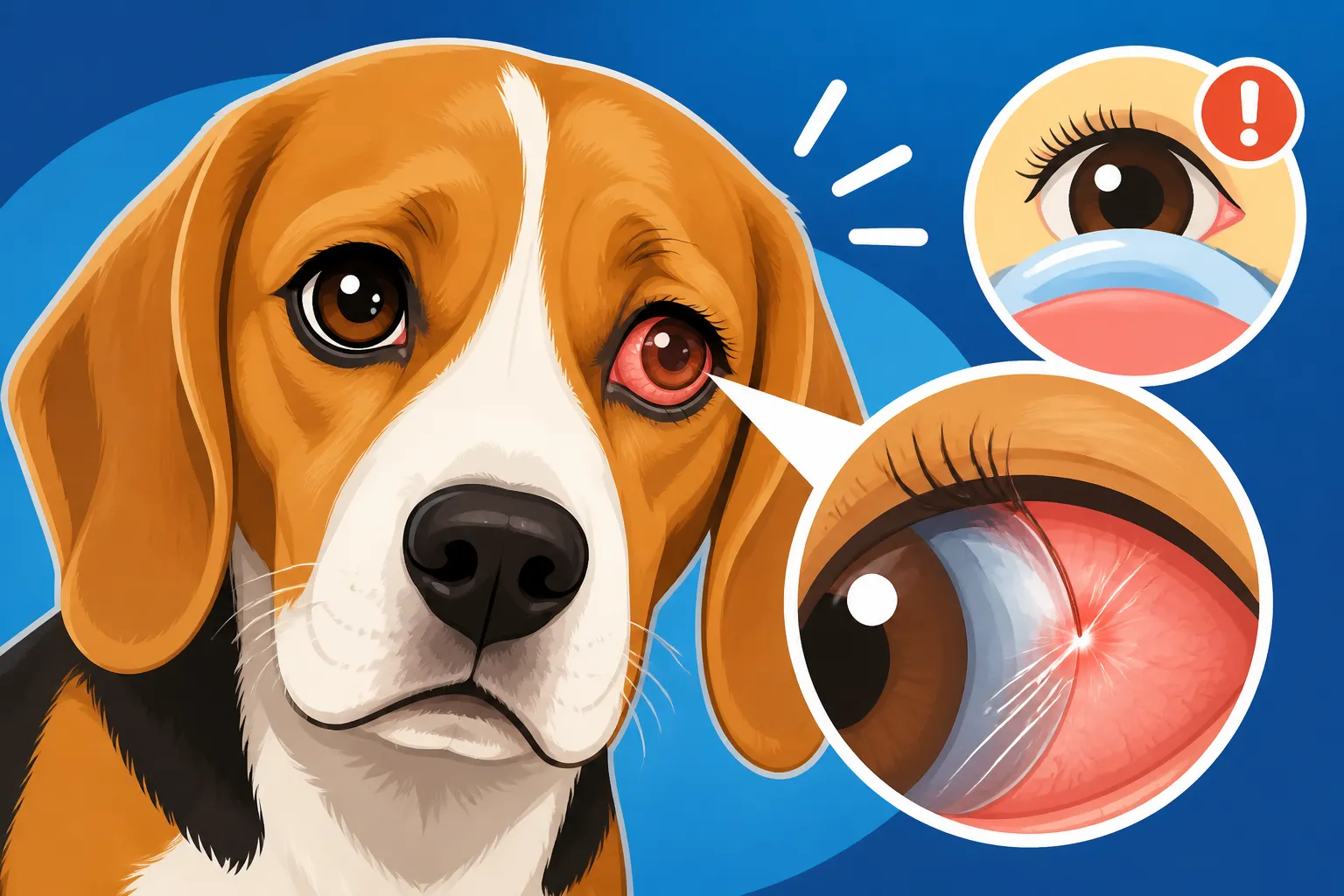
Imagine having an extra row of eyelashes growing right on the inside of your eyelid, constantly rubbing against your eyeball. That's essentially what distichiasis is for a Beagle. This genetic condition involves eyelashes growing from the meibomian glands along the eyelid margin, emerging through the gland openings. These "extra" lashes can vary wildly in number, thickness, and stiffness. Some might be fine and soft, causing minimal irritation, while others can be thick and coarse, acting like tiny, abrasive brushes scratching the cornea with every blink.
Diagnosing distichiasis usually requires a specialized ophthalmic exam, often involving magnification, because these errant lashes can be so tiny they're almost invisible to the naked eye. The key issue isn't just their presence but the direction they grow. If they point outwards, they might not cause a problem. But if they're oriented inward, rubbing directly on the cornea, they're a constant source of discomfort and potential damage.
Ectopic Cilia: The Pesky Ingrowths
Even more insidious than distichiasis is a condition called ectopic cilia. While distichiasis involves lashes growing from normal gland openings but in the wrong direction, ectopic cilia are eyelashes that grow through the conjunctiva—the delicate membrane lining the inside of the eyelid—and emerge directly onto the inner surface of the eyelid, often pointing straight at the cornea. These are particularly painful because they are usually single, stiff hairs, like a thorn embedded in the eyelid, and they have no "give" or flexibility.
An ectopic cilium is a nightmare for your Beagle because it causes intense, localized irritation and often results in a corneal ulcer directly opposite where the hair is poking. The pain is typically sudden and severe, leading to rapid onset of symptoms like squinting, tearing, and pawing at the face. Because they are often hidden until they cause significant damage, a thorough examination by a veterinary ophthalmologist is crucial for detection and removal.
Trichiasis: Misdirected Lashes
Trichiasis is a broader term that refers to any normally placed eyelash that is misdirected and rubs against the cornea. Unlike distichiasis or ectopic cilia, these aren't "extra" lashes; they're just normal lashes gone rogue. This can happen for a variety of reasons. Sometimes, it's due to an inward-rolling eyelid, a condition known as entropion, where the entire eyelid margin rolls inward, dragging all the normal lashes with it. Other times, it can be caused by scar tissue from a previous injury or infection that alters the normal direction of hair growth around the eye.
The impact of trichiasis depends on the severity of the misdirection and the stiffness of the lashes. Mild cases might just cause occasional irritation, while severe cases, especially those associated with entropion, can lead to chronic pain, corneal abrasion, and ulcers. It's essential to differentiate trichiasis from the other conditions because the treatment approach can vary significantly. For instance, if entropion is the root cause, addressing the eyelid structure surgically becomes the primary solution.
Recognizing the Signs of Trouble
Our Beagles are famously stoic, but when it comes to their eyes, even the slightest discomfort can quickly become agonizing. Learning to spot the early warning signs of eyelash problems is key to getting them help before serious damage occurs. It’s all about paying close attention to both their physical appearance and their subtle behavioral shifts.
The Visible Clues in Your Beagle's Eyes
When you notice something just isn't right with your Beagle's eyes, start with a careful visual inspection. One of the most common signs is redness in the white part of the eye (sclera) or along the eyelid margins. This isn't just a slight pinkness; it can be a pronounced, angry red, indicating inflammation and irritation. You might also see excessive tearing or discharge. This discharge could be clear and watery, indicating irritation, or it could be thick, yellowish, or green, suggesting a secondary bacterial infection has taken hold due to the constant irritation and damage.
Squinting is another strong indicator of pain. Your Beagle might keep one or both eyes partially closed, trying to alleviate the rubbing sensation. Similarly, increased blinking or "winking" more than usual points to discomfort. Sometimes, you might even notice a cloudy appearance to the cornea, which can be a sign of a corneal abrasion or ulcer, or even scarring from chronic irritation. Remember, even a small, almost imperceptible lash can cause significant symptoms, so don't dismiss subtle changes. If you ever notice these changes, it’s always best to get them checked out. For more details on other common eye issues, check out our guide on Beagle Eye Conditions and the Board-Certified Exam.
Behavioral Indicators of Discomfort
Beyond the visual signs, your Beagle will often tell you something is wrong through their behavior. One of the most obvious signs is pawing at their face or rubbing their head against furniture or the carpet. This is their attempt to relieve the itching or painful sensation. While some Beagles are prone to a little face rubbing now and then, if it becomes persistent, obsessive, or focused specifically around their eyes, it's a huge red flag.
You might also notice a general reluctance to open their eyes fully, especially in bright light, or they might seem unusually sensitive to light (photophobia). They might become less enthusiastic about their usual activities, seeming more lethargic or withdrawn, simply because they’re in constant pain. A normally happy-go-lucky Beagle might become irritable or even snap if you try to touch their face or eyes. These behavioral shifts are often your earliest and most reliable indicators that something significant is bothering them. If your Beagle is showing any of these signs, don't delay a vet visit, as prompt treatment can prevent more severe complications.
Potential Long-Term Damage: Corneal Ulcers
The biggest danger of untreated eyelash problems is damage to the cornea, the clear outer layer of the eye. Constant rubbing from an errant lash can cause a corneal abrasion, which is essentially a superficial scratch. If this abrasion goes untreated or is exacerbated, it can develop into a corneal ulcer – a deeper, more severe wound that can become infected. Corneal ulcers are incredibly painful and can lead to serious complications.
A deep corneal ulcer can rupture the eye, causing permanent blindness, or lead to chronic scarring that impairs vision. Infections associated with ulcers can be aggressive and spread rapidly. This is why it’s so critical to address eyelash problems promptly. Early intervention can prevent these painful and potentially vision-threatening outcomes. For instance, if your Beagle suddenly seems to be in intense pain or you notice a sudden cloudiness, that could be a serious corneal issue that requires immediate attention, falling under what we'd consider Beagle Emergency Signs That Cannot Wait Until Morning.
Diagnosis and Treatment Options
Once you suspect an eyelash problem, the next step is a trip to your veterinarian. Don't try to diagnose or treat this at home, as you could inadvertently cause more harm. Getting an accurate diagnosis and appropriate treatment plan is essential for your Beagle's comfort and long-term eye health.
The Vet Visit: What to Expect
When you bring your Beagle in for suspected eye issues, your regular vet will likely perform a thorough ophthalmic exam. This isn't just a quick peek; it often involves special lighting and magnification to get a really good look at all those tiny structures around the eye. They'll examine the eyelids, conjunctiva, and the surface of the cornea. To check for corneal damage, they'll typically use a fluorescein stain. This harmless orange dye is applied to the eye, and if there's any abrasion or ulcer, the dye will stick to the damaged area and glow green under a blue light, making even tiny scratches visible.
For more complex or persistent cases, or if your vet suspects something like ectopic cilia which can be very hard to spot, they might recommend a referral to a board-certified veterinary ophthalmologist. These specialists have advanced training and equipment to precisely identify the problem and determine the best course of action. It's similar to how some breeders require a specialized The Eye Exam Required Before Breeding a Beagle to rule out hereditary eye conditions. They might even use a local anesthetic to make the exam more comfortable for your Beagle.
Managing Mild Cases: Lubrication and Monitoring
Not all eyelash problems require immediate surgery. For very fine, soft distichiasis lashes that cause only mild, intermittent irritation, your vet might suggest a conservative approach. This often involves using lubricating eye drops or artificial tears regularly. These drops help create a protective barrier between the lash and the cornea, reducing friction and soothing the eye.
It’s crucial that you, as the pet parent, are diligent about administering these drops as prescribed and vigilantly monitoring your Beagle for any worsening symptoms. This isn't a "fix," but rather a management strategy. If the irritation persists, or if the lashes become coarser, the discomfort will likely increase, and a more definitive treatment will be needed. Think of it like managing Beagle Dry Eye and Daily Drops – consistent application is key to comfort.
Surgical Interventions for Lasting Relief
When eyelash problems are causing significant pain, chronic irritation, or have led to corneal damage, surgical intervention is usually the most effective and lasting solution. There are several techniques available, chosen based on the specific type of eyelash problem and its severity:
- Cryoepilation: This is a common method for distichiasis. A cryoprobe (a tiny freezing tool) is used to freeze the hair follicles from which the abnormal lashes are growing. The freezing temperature destroys the follicle, preventing the lash from regrowing. It’s effective, but sometimes a second procedure is needed if not all follicles are destroyed the first time.
- Electroepilation: Similar to cryoepilation, this method uses a fine needle to deliver an electrical current to the individual hair follicle, effectively cauterizing and destroying it. It’s often used for single or a few distichiasis hairs.
- Surgical Excision: For ectopic cilia, which are essentially ingrown hairs, surgical removal is typically the chosen method. The vet carefully incises the conjunctiva, removes the offending hair and its follicle, and then sutures the area. This provides immediate relief and prevents recurrence from that specific spot. For severe cases of trichiasis caused by entropion, a surgical procedure to correct the eyelid's inward roll is performed, which then repositions the lashes away from the cornea.
These procedures are usually performed under general anesthesia, and your Beagle will likely go home with pain medication, anti-inflammatory drops, and possibly an Elizabethan collar (the "cone of shame") to prevent them from rubbing their eyes during healing. While the upfront cost can be a concern, comprehensive pet insurance, like plans offered by Healthy Paws, can often help mitigate these expenses, especially if the condition is diagnosed before policy activation.
Prevention and Long-Term Care
While some eyelash problems are hereditary and unavoidable, there are steps you can take to minimize risks and ensure your Beagle receives the best possible care throughout their life. It’s about being proactive and informed.
Choosing a Reputable Breeder
One of the most impactful preventative measures you can take against hereditary conditions like distichiasis or ectopic cilia is to choose your Beagle puppy from a reputable breeder. A responsible breeder will be transparent about the health history of their breeding stock, performing regular eye exams and screenings to ensure they aren't passing on genetic predispositions. They will gladly show you the results of eye certifications, such as those from the Orthopedic Foundation for Animals (OFA) or the Canine Eye Registration Foundation (CERF), demonstrating that the parents are free from significant hereditary eye defects.
Avoid breeders who cannot provide health clearances or who seem unwilling to discuss potential health issues. While a good breeder can't guarantee a Beagle will never develop an eyelash problem, they significantly reduce the likelihood by carefully selecting their breeding dogs. This diligence in breeding helps ensure a healthier future for the entire breed, and might even reduce your long-term Beagle Medical Costs for Epilepsy and Thyroid Disease or other conditions.
Routine Eye Care at Home
Even if your Beagle doesn’t have known eyelash issues, integrating simple eye care into your routine can help you catch problems early and maintain their overall eye health. Gently wiping around your Beagle’s eyes with a soft, damp cloth daily can remove any debris, dust, or minor discharge that could irritate the eyes or accumulate on the lashes. Always use a fresh part of the cloth for each eye to prevent cross-contamination.
While you're doing this, take a moment to look closely at their eyes. Are they clear and bright? Is there any redness or excessive tearing? Are the eyelashes all pointing outwards, or do you notice any hairs growing inward? This quick, daily check can make all the difference in spotting subtle changes before they escalate. Remember, regular grooming is an excellent opportunity to perform these checks – not just for their coat, but for their eyes, ears, and paws too.
When to Seek Emergency Veterinary Care
While mild irritation might warrant a call to your regular vet for an appointment, some symptoms demand immediate emergency care. If your Beagle is suddenly in severe pain, constantly holding an eye shut, or pawing at it relentlessly, this could indicate a deep corneal ulcer or a foreign body in the eye, and needs urgent attention. Any sudden cloudiness, visible damage to the eyeball, or changes in vision (e.g., bumping into things, disorientation) also constitute an emergency.
Profuse, thick, or discolored discharge, especially if accompanied by swelling or lethargy, suggests a serious infection that requires rapid treatment. Don't wait until morning if these severe signs appear. Find your nearest emergency veterinary clinic. Early intervention in these critical situations can literally save your Beagle's eyesight and prevent excruciating pain. Having a plan for these types of emergencies, and considering options like pet insurance from providers like Healthy Paws, can offer immense peace of mind. Policies often cover unexpected accidents and illnesses, which can be a lifesaver when an emergency vet bill arises. It’s always wise to know your options and have funds ready for such instances, as discussed in our article about Beagle Emergency Funds Worth Building.
What a Beagle Eyelash Problem Can Cost
Understanding the financial aspect of treating Beagle eyelash issues is important. While preventative care and early detection can save money in the long run, sometimes surgical intervention is unavoidable. Here’s a general idea of potential costs:
| Service/Procedure | Estimated Cost Range (USD) | Notes |
|---|---|---|
| Initial Vet Exam & Fluorescein | $60 – $150 | Standard vet visit, includes dye test for corneal damage. |
| Ophthalmic Specialist Consult | $150 – $300 | Recommended for complex cases, advanced diagnostic equipment. |
| Cryoepilation (per eye) | $500 – $1,500 | Price varies based on number of lashes, anesthesia, and geographic location. |
| Electroepilation (per eye) | $400 – $1,200 | Similar to cryoepilation, often for fewer lashes. |
| Surgical Excision (for ectopic) | $800 – $2,500 | More invasive, involves removing the lash and follicle; includes anesthesia. |
| Entropion Repair (per eye) | $1,000 – $3,000 | More complex eyelid surgery, includes post-op care. |
| Medication (drops, pain relief) | $50 – $200 | Post-operative medications for several weeks. |
| Elizabethan Collar | $15 – $50 | Essential for preventing self-trauma during healing. |
These are rough estimates, and actual costs can vary significantly based on your location, the specific veterinary clinic or specialist, the severity of the condition, and any complications. This is where Beagle Pet Insurance and What It Runs a Month can be incredibly helpful. Many pet insurance plans, including those from providers like Healthy Paws, will cover a significant percentage of these costs, particularly for unexpected illnesses and accidents. It’s worth looking into plans early, before any conditions are diagnosed, to ensure the best coverage. For example, if you're looking into specific plans, you might compare rates like those discussed in Beagle Insurance Between $38 and $73 a Month to find a good fit.
Living with and Monitoring Your Beagle
Once a diagnosis and treatment plan are in place, your role continues to be vital. For Beagles that undergo surgery, diligent post-operative care, including administering medications and preventing them from rubbing their eyes, is essential for a successful recovery. For those on conservative management, consistent application of drops and regular re-checks with your vet are paramount.
Even after successful treatment, ongoing vigilance is key. New errant lashes can sometimes grow, or other eye conditions can develop, especially as your Beagle ages. Routine checks at home and regular veterinary visits, particularly as part of their Beagle Vet Visit Frequency After the Age of Ten, will help ensure their eyes remain healthy and comfortable throughout their lives. Your Beagle relies on you to be their eyes and advocate for their comfort.
Disclaimer
The information provided in this article is for educational purposes only and is not a substitute for professional veterinary advice. Always consult with a qualified veterinarian or veterinary ophthalmologist for any health concerns or before making any decisions related to your Beagle's health or treatment.