How Often a Beagle’s Ears Need Cleaning
If you’re a Beagle parent, you know the struggle: those beautiful, long, floppy ears are absolute magnets for trouble. It's a common worry for so many of us, wondering just how often we should be poking around in there to prevent an ear infection, without causing more irritation. This guide will walk you through setting up a smart, effective ear cleaning routine that keeps those sensitive ears healthy and happy.
Why Beagle Ears Are So Prone to Trouble
Let's be honest, those adorable, velvety ears are a defining feature of our Beagles, but they're also a bit of an Achilles' heel when it comes to health. Unlike dogs with pricked ears that allow for plenty of airflow, our Beagles' long, heavy ear flaps cover the ear canal, creating a perfect storm for all sorts of issues.
The Anatomy of a Droopy Ear
Imagine living in a warm, dark, and often damp environment – that's essentially what your Beagle's inner ear canal is like. The structure of their ear canal is a long, narrow tube that takes a sharp turn before reaching the eardrum. This design, coupled with the heavy ear flap, significantly restricts air circulation. This lack of ventilation means moisture can get trapped easily, whether it’s from bathing, playing in damp grass, or even just humidity in the air. This warm, moist environment is absolutely ideal for the growth of bacteria and yeast, which are common culprits behind those itchy, painful ear infections we dread. It’s why you’ll often find yourself trying to figure out how to handle a recurring problem, or wondering if it's a bacterial issue or a case of Beagle Yeast Ear Infections That Keep Returning.
The Beagle's Natural Instincts
Our Beagles are driven by their incredible noses, aren't they? That nose-to-the-ground lifestyle, constantly sniffing out interesting trails in the backyard, through parks, and sometimes even in places we'd rather they didn't, means their ears are constantly dragging through the environment. This isn't just a cute quirk; it's a real factor in their ear health. They pick up all sorts of things: dirt, dust, pollen, seeds, tiny bits of grass, and other debris. These foreign invaders can easily make their way into the ear canal, causing irritation or acting as a nucleus for an infection. Add in the seasonal allergies many Beagles experience, where pollen and other environmental irritants can cause inflammation not just on their skin, but deep within their ears, and you've got a recipe for potential discomfort. You might notice your Beagle constantly scratching, rubbing their ears on the carpet, or shaking their head, and it's often a sign that something has made its way into that vulnerable ear canal.
Establishing Your Beagle's Ear Cleaning Schedule
So, knowing how susceptible those ears are, how do we best protect them? It's all about establishing a routine that works for your individual Beagle, keeping in mind that there's no one-size-fits-all answer.
The Baseline: Weekly Check-Ups and Cleaning
For most Beagles, a weekly ear check-up is the absolute minimum you should aim for. This isn't just about cleaning; it's about observation. Gently lift those ear flaps and take a good look and a good sniff. What are you looking for?
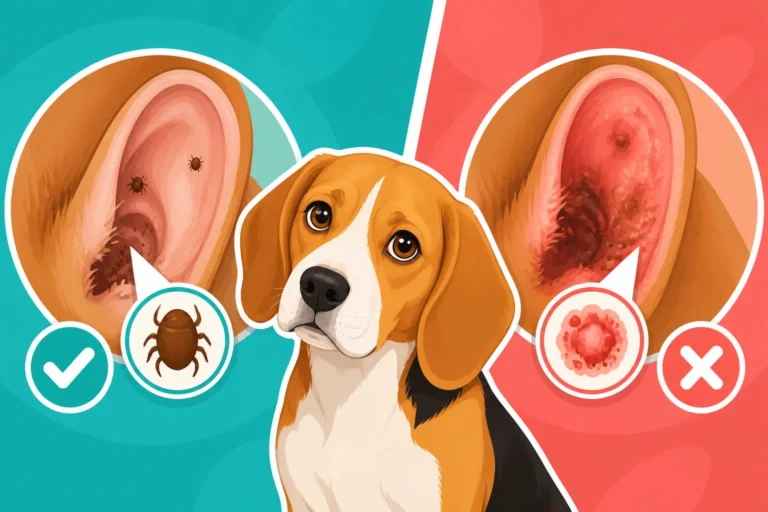
- Redness or Swelling: The inside of a healthy Beagle ear should be a pale pink, similar to the inside of your own arm. Any noticeable redness or swelling is a red flag.
- Odor: A healthy ear has little to no smell. A yeasty, sweet, or pungent odor is a strong indicator that something is amiss. It’s often the first sign owners notice of an impending problem.
- Discharge: Is there any brown, yellow, black, or crusty discharge? A small amount of light brown earwax is normal, but excessive amounts or anything that looks like pus or dirt is a concern.
- Scratching or Head Shaking: If your Beagle is excessively scratching at their ears, rubbing them on furniture, or shaking their head more than usual, it’s a clear sign of irritation or discomfort.
If everything looks and smells fine, a light cleaning with a vet-approved solution and cotton balls can help prevent buildup. This proactive approach can really cut down on the number of times you'll need to deal with a full-blown infection. Think of it as preventative maintenance, much like you’d regularly check your car's oil.
Adjusting for Individual Needs and Lifestyle
While weekly is a great starting point, your Beagle's specific lifestyle and health history might require adjustments. For example, if your Beagle loves to swim, gets frequent baths, or lives in a very humid climate, you might need to clean their ears more often, perhaps two to three times a week, especially after they've been submerged in water. Moisture is the enemy here! Always remember to thoroughly dry your Beagle’s ears after any water exposure; this is critical in preventing problems. You can learn more about this crucial step in Drying Beagle Ears Thoroughly After a Bath.
Conversely, if your Beagle has a history of chronic ear infections, perhaps due to underlying allergies, your vet might recommend a very specific cleaning schedule and a medicated ear cleaner. In these cases, it’s best to follow their professional advice strictly. If your Beagle is dealing with Beagle Skin Allergies and Constant Itching elsewhere on their body, their ears are often part of that larger picture, requiring a more integrated management plan. It’s also worth noting that older Beagles might have less active wax glands, but their immune systems can be weaker, making them just as susceptible to infections. Regularly checking them is key.
Remember, every Beagle is an individual. What works for one might not work for another. Be attentive to your dog's signals and consult your veterinarian if you're unsure. A good pet insurance plan, like one from Healthy Paws, can be a real lifesaver if your Beagle does develop chronic ear issues requiring frequent vet visits, specialist consultations, or long-term medication. Planning for these eventualities ensures you can always provide the best care without financial stress.
When Not to Clean and When to Seek Vet Help
It’s just as important to know when not to clean as it is to know when to clean. If your Beagle's ear is already inflamed, red, painful to the touch, or has a significant amount of dark, foul-smelling discharge, cleaning it yourself might push debris further into the ear canal or cause your dog unnecessary pain. This is a situation that calls for professional help immediately.
You should always consult your veterinarian if you notice:
- Extreme pain or sensitivity when touching the ear.
- Excessive head shaking, tilting, or rubbing.
- A strong, offensive odor that doesn't go away.
- Pus-like discharge.
- Swelling around the ear canal or ear flap.
- Your Beagle holding their head to one side.
- Any changes in hearing or balance.
These symptoms could indicate a serious infection, a foreign object lodged deep in the ear, or even a ruptured eardrum, all of which require veterinary diagnosis and treatment. Delaying professional care can lead to more severe problems, including chronic infections and even hearing loss. Being aware of Beagle Ear Infection Symptoms to Catch Early is vital for their long-term health.
A Step-by-Step Guide to Cleaning Your Beagle's Ears
Now that we understand the 'why' and the 'when,' let's get into the 'how.' Cleaning your Beagle's ears doesn't have to be a wrestle; with patience and the right technique, it can become a calm, even pleasant, part of your routine.
Gathering Your Supplies
Before you even start, make sure you have everything laid out. This minimizes stress for both you and your Beagle, as you won't be scrambling for supplies mid-process.
- Vet-Approved Ear Cleaner: This is non-negotiable. Do NOT use rubbing alcohol, hydrogen peroxide, or water alone, as these can irritate the delicate ear canal or promote bacterial growth. Your vet can recommend the best ear cleaning solution for your Beagle. Many effective solutions contain drying agents, antimicrobials, or wax-dissolving ingredients. For a deeper dive into choices, look into What Solution to Use Inside a Beagle Ear.
- Cotton Balls or Pads: You'll need plenty of these to wipe away debris. Avoid cotton swabs (Q-tips) as they can push debris deeper into the ear canal and potentially damage the eardrum.
- A Towel: Keep one handy for any splashes or for your Beagle to shake their head into.
- High-Value Treats: Crucial for positive reinforcement! Think small, delicious morsels your Beagle absolutely loves.
- Gloves (Optional): If you're squeamish or want to keep your hands clean.
The Cleaning Process, Gentle and Effective
Here's the routine many Beagle owners swear by for a calm, effective ear cleaning:
- Find a Calm Spot: Choose a quiet area where your Beagle feels comfortable, perhaps on a familiar blanket or a non-slip surface. Having another person to gently hold your Beagle can be helpful, especially initially.
- Position Your Beagle: Have them sit or lie down, whatever is most comfortable. Gently lift one ear flap to expose the ear canal.
- Apply the Cleaner: Hold the bottle of ear cleaner above the ear canal and gently squeeze to fill the canal with the solution. Don't be shy – you need enough to loosen the debris. You'll likely hear a squelching sound.
- Massage the Base of the Ear: This is the most important step! With the ear flap still lifted, gently massage the base of your Beagle's ear for about 30 seconds. You should hear that squelching sound again, which means the cleaner is working its way around and breaking up wax and debris.
- Allow Them to Shake: Step back and let your Beagle shake their head. This helps to dislodge and bring up the loosened wax and cleaner. This is where your towel comes in handy!
- Wipe Away Debris: Take a fresh cotton ball or pad and gently wipe the visible parts of the ear canal and the underside of the ear flap. Go only as far as your finger can comfortably reach. Do not dig or force anything into the ear. Repeat with fresh cotton balls until no more debris comes out.
- Reward! As soon as you're done with one ear, offer praise and a high-value treat. Repeat the process for the other ear.
The entire process should take about The Five Minute Beagle Ear Routine once you get the hang of it.
Making it a Positive Experience
Beagles are smart and sensitive. If ear cleaning is always a stressful ordeal, they'll learn to dread it. Here are some tips to make it a positive, or at least tolerable, experience:
- Start Young: If you have a puppy, start desensitizing them to ear touches and the sound of the cleaner early on, even before they need a full cleaning.
- Positive Reinforcement is Key: Always pair ear cleaning with generous praise and fantastic treats. Make it worth their while!
- Short and Sweet: Keep the sessions brief, especially when first introducing the routine. You can gradually increase the duration as your Beagle becomes more accustomed to it.
- Be Patient: If your Beagle resists, take a break and try again later. Never punish them for being uncomfortable; it will only create a stronger negative association.
- Consistency: The more regularly you clean their ears, the more it becomes part of the normal routine, making it less of a big deal for your Beagle.
Common Ear Problems and How to Prevent Them
Even with the best intentions and a diligent cleaning schedule, Beagles can sometimes still encounter ear issues. Knowing what to look for and how to respond is crucial.
Identifying Signs of Infection Early
It’s one thing to clean ears, it's another to spot when something is truly wrong. Ear infections in Beagles can manifest as either bacterial or yeast overgrowths, sometimes both. They also share many common symptoms.
Common Symptoms to Watch For:
- Strong, Unpleasant Odor: This is often the first and most obvious sign. A healthy ear has minimal smell; an infected ear can smell strongly yeasty, sweet, or putrid.
- Excessive Scratching or Pawing: Your Beagle might constantly scratch at their ears with their hind paws or rub their head along furniture or the carpet to relieve the itch.
- Head Shaking or Tilting: Vigorous head shaking or persistently tilting the head to one side are clear indicators of discomfort.
- Redness and Swelling: Inspect the ear flap and inside the canal. Redness, warmth, or puffiness suggests inflammation.
- Discharge: Look for any abnormal discharge. Brown, waxy buildup often indicates yeast. Yellow, green, or pus-like discharge typically points to a bacterial infection. Black, crumbly discharge can also signal ear mites, though these are less common in adult dogs than in puppies.
- Pain or Sensitivity: Your Beagle might yelp or pull away when you try to touch their ear.
- Hearing Changes: In severe or chronic cases, you might notice your Beagle responding less to sounds, or showing signs of being disoriented.
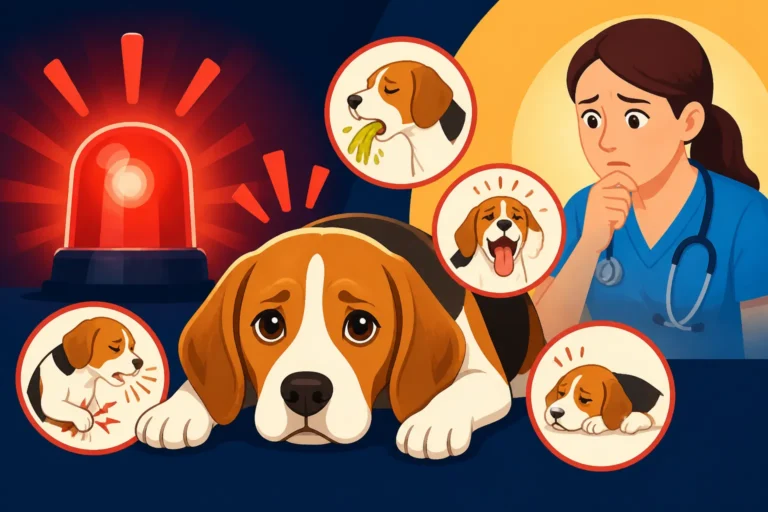
If you observe any of these signs, it's time for a vet visit. Early diagnosis and treatment are vital to prevent the infection from worsening or becoming chronic. Ignoring symptoms can lead to more serious conditions, including deep-seated infections, middle ear infections, or even permanent hearing damage. In some cases, severe infections can cause painful hematomas from excessive head shaking. Should you ever notice Beagle Emergency Signs That Cannot Wait Until Morning, which might include severe pain or sudden loss of balance, contact your vet immediately.
Preventative Measures Beyond Cleaning
While a consistent cleaning routine is your first line of defense, it’s not the only strategy. A holistic approach to ear health can significantly reduce the risk of infections.
- Dry Ears Thoroughly: After swimming, bathing, or even playing in heavy dew, use a soft towel or cotton balls to gently dry the outer part of your Beagle's ears. You can even use a low-setting hairdryer (held far away) if your dog tolerates it. Moisture is a primary trigger for yeast and bacteria.
- Manage Allergies: Many Beagles suffer from environmental or food allergies that manifest as skin and ear inflammation. If your Beagle has recurring ear infections, discuss allergy testing and management with your vet. This might involve special diets, medications, or immunotherapy. This connects back to how Beagle Food Allergies Showing Up on the Skin can also affect their ears.
- Regular Vet Checks: Don't skip those annual or bi-annual wellness exams. Your vet can spot subtle signs of ear problems that you might miss and can check for underlying issues that predispose your Beagle to infections. This is part of comprehensive Beagle Health Testing Under CHIC and overall wellness.
- Proper Diet: A balanced, high-quality diet supports a strong immune system, which is your Beagle's best defense against infections. Some Beagles thrive on specific diets that help reduce inflammatory responses that contribute to ear issues.
- Parasite Prevention: Ensure your Beagle is on year-round parasite prevention, as ear mites, while less common in adults, can still cause significant irritation and lead to secondary infections.
The Role of Diet and Environment
It's not uncommon for Beagles to suffer from chronic or recurrent ear infections, despite diligent cleaning. Often, these persistent problems point to an underlying issue, and diet and environment are two major factors. For instance, if your Beagle has a food allergy, eating certain ingredients can cause widespread inflammation throughout their body, including the delicate tissues of the ear canal. This inflammation makes the ears more susceptible to secondary infections by yeast and bacteria. Working with your vet to identify and eliminate these dietary triggers through an elimination diet can be a game-changer for many Beagles with chronic ear issues.
Similarly, environmental allergens like pollen, dust mites, or molds can cause allergic reactions that manifest in the ears. Just as these allergens can make your Beagle itch all over, they can also cause swelling and discomfort inside the ears. Managing environmental allergies might involve regular bathing with medicated shampoos, air purifiers in the home, or even allergy shots or oral medications. Addressing these root causes, rather than just treating the symptoms, is key to truly breaking the cycle of recurrent ear infections and ensuring your Beagle's long-term comfort and health. The cost of managing these chronic conditions can add up, making a robust pet insurance policy from a provider like Healthy Paws a sound investment.
| Symptom | Possible Cause | Action |
|---|---|---|
| Strong, unpleasant odor | Yeast or bacterial infection | Vet visit recommended |
| Excessive scratching/pawing | Infection, mites, allergies, foreign object | Inspect ears; if severe or persistent, see vet |
| Head shaking/tilting | Discomfort, pain, ear infection | Vet visit recommended |
| Redness/swelling | Inflammation, infection, allergic reaction | Vet visit recommended |
| Brown, waxy discharge | Yeast infection, normal wax (excessive) | Clean ears; if persistent/heavy, see vet |
| Yellow/green/pus-like discharge | Bacterial infection | Immediate vet visit required |
| Black, crumbly discharge | Ear mites (especially in puppies), dried blood | Vet visit for diagnosis and treatment |
| Pain when touching ear | Infection, trauma, foreign object | Vet visit recommended |
Disclaimer
The information provided in this article is for general informational purposes only and is not intended as a substitute for professional veterinary advice, diagnosis, or treatment. Always seek the advice of your veterinarian or other qualified animal health provider with any questions you may have regarding a medical condition or the health and welfare of your pet.