The Beagle Set Against a Basset Hound
Deciding on a new canine companion is a huge step, and for many who adore hounds, the choice often comes down to the charming Beagle or the distinct Basset Hound. While both breeds melt hearts with their floppy ears and soulful eyes, they are far from interchangeable in terms of daily living. It's easy to look at a picture and fall for that hound dog charm, but the reality of sharing your home with a high-energy Beagle compared to a laid-back Basset is a world apart. This guide will walk you through the key differences between these two beloved scent hounds, helping you understand which one truly fits your lifestyle and expectations, beyond just their adorable looks.
Physical Traits: More Than Just Floppy Ears
When you first see a Beagle and a Basset Hound side-by-side, their differences are quite striking, even if they share that undeniable hound "look." Beyond the immediate visual, these physical distinctions translate directly into different care requirements and lifestyle considerations. It’s not just about aesthetics; it’s about their fundamental build.
Size, Stature, and Overall Build
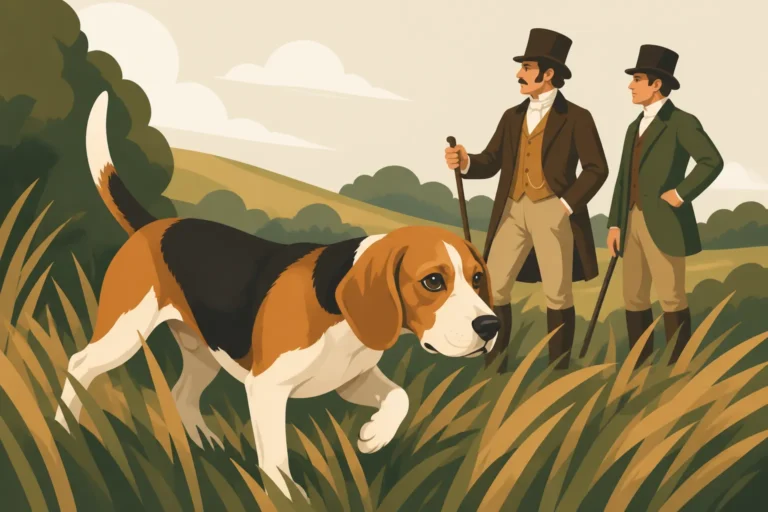
Let's talk about stature first. A Beagle, whether the 13-inch or 15-inch variety, is a compact, athletic little dog. They typically weigh between 20 to 30 pounds, standing light on their feet with a powerful, muscular build designed for speed and endurance in the field. Think of a Beagle as a finely tuned, energetic athlete in a small package. They are often described as having a "merry" disposition, and their body language – from their wagging tail held upright like a flag to their nimble movements – reflects that. They are built for chasing rabbits across open fields, and their structure allows for quick turns and sustained effort.
The Basset Hound, on the other hand, is a study in contrasts. While they might not be much taller than a Beagle (up to about 14 inches at the shoulder), they are far more substantial. A Basset typically weighs between 40 to 65 pounds, sometimes even more, and every ounce of that weight feels dense. Their body is long and heavy-boned, set on short, powerful legs, giving them a low-slung, almost rectangular appearance. Their gait is deliberate and unhurried, perfectly suited for plodding slowly, nose to the ground, on a cold trail. They have a deep, broad chest and powerful hindquarters, giving them immense stamina for trailing. If a Beagle is a sprint runner, a Basset is a marathon walker, and their build reflects that long, patient work.
Those Distinctive Ears and Faces
Perhaps the most iconic difference between these two breeds lies in their heads, particularly their ears and facial expressions. Both breeds have long, pendulous ears that are characteristic of scent hounds, designed to sweep odors towards their incredibly powerful noses. However, the Basset Hound takes this to an extreme. A Beagle's ears are long, rounded, and set low, framing their bright, intelligent face. They fall gracefully to just about the tip of their nose, often longer than the dog’s actual head when stretched out. These ears, while adorable, are unfortunately perfect traps for moisture and debris, making them prone to Beagle Ear Infections Under Those Long Ears.
The Basset Hound's ears, however, are almost comically long. They are velvety soft, extremely low-set, and can extend far beyond the tip of their nose, sometimes nearly touching the ground when the dog puts its head down. These ears are not just long; they are also thick and heavy, often with folds that can contribute to trapped moisture and reduce air circulation even more than a Beagle's. Coupled with the Basset's famously wrinkled brow, loose facial skin, and deep-set eyes, they often present a perpetually mournful or "sad clown" expression that is utterly endearing. A Beagle’s face, in contrast, tends to be cleaner, with tighter skin and a more alert, eager expression, even when they’re being particularly mischievous. The Beagle’s eyes are generally bright and full of curiosity, reflecting their "merry" disposition. The Basset's expression just makes you want to give them a hug and tell them everything will be alright.
Coat and Grooming Needs
Both Beagles and Basset Hounds have short, dense coats that are relatively easy to care for, but they do have their shedding seasons. A Beagle has a smooth, hard, weather-resistant double coat that sheds year-round, with heavier shedding in spring and fall. Regular brushing, at least once or twice a week, is essential to manage this and keep their coat healthy. You might find yourself needing a good deshedding tool from a place like Chewy to keep the fur bunnies at bay, especially during seasonal changes.
Basset Hounds also have a short, dense coat that sheds, but their skin tends to be looser, especially around the face and neck, creating those wonderful wrinkles. These wrinkles, particularly on their face, need extra attention. Food and moisture can get trapped in them, leading to skin irritation or infections if not cleaned regularly. While their coat itself doesn't demand intensive grooming, paying attention to their skin folds and, crucially, their incredibly long ears is paramount. Weekly brushing for both breeds helps distribute natural oils, remove loose hair, and keeps their coats shiny. For Bassets, the ears are a constant grooming priority; keeping them clean and dry is vital to prevent those deep, dark canals from becoming a breeding ground for yeast and bacteria.
Temperament and Personality: Merry vs. Mellow
Beyond their looks, the true distinction between a Beagle and a Basset Hound lies in their temperament. Both are scent hounds through and through, meaning they are driven by their noses, but how they manifest that drive and interact with their world is quite different.
The Beagle's Merry, Energetic Spirit
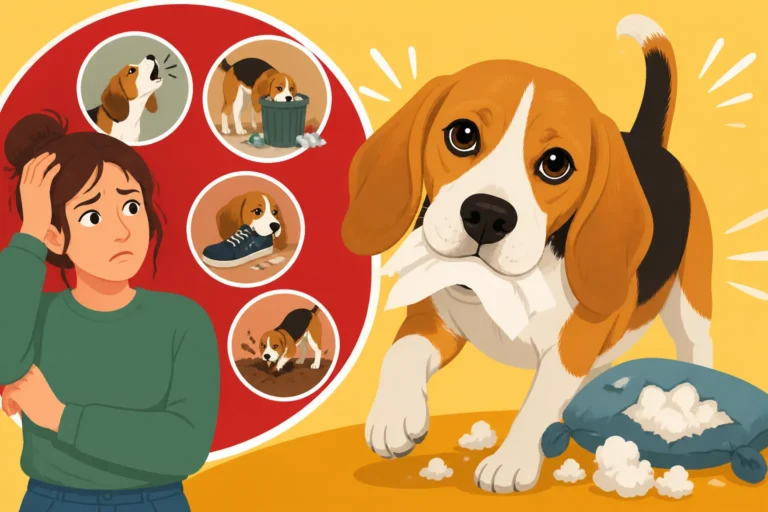
Beagles are often described as "merry" and full of life. They are typically extroverted, friendly, and incredibly curious. This breed thrives on interaction and activity. A Beagle loves to be involved in whatever the family is doing, whether it's a bustling evening or a quiet morning. They are known for their boundless energy, especially during their younger years, and they need a significant outlet for it. A bored Beagle is often a destructive Beagle, turning to mischievous activities like chewing furniture, digging up the yard, or serenading the neighborhood with their distinctive bay. They are intelligent but can be easily distracted by an interesting scent, which means training requires patience, consistency, and a good sense of humor. They are often excellent with children and other dogs, having been bred to work in packs, making them wonderful family pets for active households. If you're looking for a dog to join you on daily adventures, from long walks to exploring new trails, a Beagle is often up for the challenge. You can learn more about Beagle Temperament and Why the Breed Suits Families.
The Basset's Calm, Stubborn Demeanor
In contrast, the Basset Hound generally possesses a calmer, more laid-back demeanor, particularly indoors. They are affectionate, gentle, and have a remarkable ability to snooze away a significant portion of the day. While they enjoy a good sniffari outside, they are less inclined to bounce off the walls with endless energy inside the home. This makes them appear deceptively easygoing. However, don't let their mellow appearance fool you; Bassets are incredibly independent and possess a legendary stubborn streak. This isn't out of malice, but rather a profound dedication to their nose. When a Basset is on a scent, the rest of the world, including your voice, simply ceases to exist. They are not as eager to please as some other breeds, and training often requires more patience and creative motivation. They are devoted to their families and typically good with children and other pets, but they might not initiate play with the same exuberance as a Beagle. A Basset's affection often comes in the form of leaning on you, following you from room to room with a heavy sigh, or nudging you for attention with their big, soft head.
Vocalizations: Baying and Howling
Both breeds are hounds, and that means they come with an inherent ability (and often desire) to vocalize. However, the nature and frequency of their "voices" can differ. Beagles are famous for their unique "bay," a deep, melodious howl that is quite distinct from a regular bark. They will bay to announce visitors, express excitement, or, most commonly, when they are hot on a scent trail. They can also bark and howl, sometimes quite frequently, especially if they are lonely, bored, or hear something intriguing far away. Living with a Beagle means embracing their vocal nature, and understanding Beagle Howling, Baying and Barking Explained is key.
Basset Hounds also possess a deep, resonant bay, which is often described as more mournful or soulful than a Beagle's. Their bay carries a great distance and, while perhaps less frequent than a Beagle's general vocalizations, it is certainly impactful when it occurs. Bassets tend to use their bay primarily when they are tracking a scent, calling to their "pack," or sometimes when experiencing separation anxiety. While they might not be as consistently noisy as some Beagles, their bay is powerful and can be quite startling if you're not used to it. Both breeds require understanding from their owners and, often, their neighbors, when it comes to their natural desire to vocalize.
Training, Exercise, and Daily Life: Living with a Scent Hound
Bringing either a Beagle or a Basset Hound into your home means preparing for life with a dog whose primary sense is smell, and whose instincts are deeply rooted in tracking. This shapes almost every aspect of their training, exercise, and how they navigate the world.
Exercise Requirements
Here's where the "merry" vs. "mellow" truly plays out. Beagles have significant exercise needs. They were bred for endurance and speed, capable of running for miles with a hunting party. A Beagle requires at least an hour, preferably two, of vigorous exercise daily. This isn't just a leisurely stroll around the block; it means brisk walks, running, playing fetch in a securely fenced yard, or engaging in scent work games. Without adequate exercise, Beagles can become restless, destructive, and prone to weight gain. Mental stimulation is just as important as physical exertion; their keen minds need challenges.
Basset Hounds, while still needing daily exercise, are not as high-energy as Beagles. They prefer long, slow, deliberate sniff-walks where they can follow their nose at their own pace. A good 30-60 minutes of daily activity is usually sufficient for a Basset, though they'll happily take more if it involves interesting smells. They are not built for sustained running or agility, given their heavy bones and long backs. Over-exercising a Basset can lead to joint problems or back issues, which are common concerns for the breed. While they enjoy exploring, their pace is much more akin to a determined trundle than a Beagle's lively trot.
Training Challenges and Scent Drives
Both breeds present unique training challenges due to their incredible scent drive. When a Beagle gets its nose to the ground, its brain essentially switches off from human commands. Their recall can be notoriously unreliable, as a fascinating scent trail will always take precedence over your most enthusiastic calls. This is why a Beagle should never be trusted off-leash in an unfenced area; it's a fundamental safety rule. Building Beagle Recall and Why Your Voice Stops Registering takes immense dedication and high-value rewards. Positive reinforcement, patience, and consistency are crucial. They are smart dogs and can learn quickly, especially when food is involved, but their focus can be fleeting when a good smell is present. Many Beagle owners utilize clicker training and puzzle toys from Chewy to keep their minds engaged and channel their natural instincts.
Basset Hounds, while perhaps less easily excitable than Beagles, are equally, if not more, stubborn when on a scent. Their focus on a trail is absolute, and their independent nature means they are often not looking to you for direction once they've committed to a scent. Training a Basset requires even greater patience and a deep understanding of hound psychology. They respond best to positive reinforcement and food motivation, but expect them to take their sweet time deciding whether your command is worth interrupting their olfactory investigation. Like Beagles, Bassets should always be kept on a leash or in a securely fenced area. The phrase "ears are for catching sounds, not commands" could apply to both, but it feels particularly true for the Basset in the throes of a scent. You can read more about Training a Beagle Around 220 Million Scent Receptors which applies to Bassets as well.
Living with the Scent Hound Nose
The powerful nose is the defining characteristic of both breeds, and it impacts almost every aspect of daily life. For both Beagles and Bassets, secure containment is non-negotiable. A sniff of an interesting trail can lead them miles away from home, oblivious to traffic or danger. A fence that might contain other breeds may not be enough for a determined scent hound; they can be excellent escape artists, digging under or finding weak spots. Understanding Why a Beagle Should Never Be Off Leash Unfenced is critical for both breeds.
Both breeds are also renowned for their food drive and opportunistic scavenging. Beagles are infamous counter surfers, trash can raiders, and will eat anything that smells remotely edible. Bassets, with their lower stature, might not reach the counter as easily, but they are equally dedicated to finding and consuming any dropped morsel or accessible treat. Keeping food, medications, and household chemicals out of reach is paramount for both. Puzzle feeders and slow feeder bowls are excellent tools for both breeds, helping to slow down their eating and provide mental enrichment.
| Trait | Beagle | Basset Hound |
|---|---|---|
| Size & Build | 13-15 inches, 20-30 lbs; athletic, compact | Up to 14 inches, 40-65 lbs; heavy-boned, long |
| Energy Level | High, requires significant daily exercise | Moderate, calm indoors, enjoys slower walks |
| Vocalization | Merry baying, howling, frequent | Deep, resonant baying, less frequent |
| Scent Drive | Extremely high, relentless, easily distracted | Extremely high, stubborn, single-minded |
| Ear Appearance | Long, rounded, set low | Very long, droopy, thick, extra low-set |
| Facial Expression | Alert, curious, "merry" | Wrinkled, loose skin, "mournful" |
| Grooming Focus | Regular brushing, ear cleaning | Regular brushing, ear cleaning, wrinkle care |
| Training Ease | Intelligent but scent-distracted, high food drive | Affectionate but independent, very stubborn |
| Recall Reliability | Low in unfenced areas | Very low in unfenced areas |
| Lifespan (Avg) | 12-15 years | 10-12 years |
Health and Lifespan Considerations
When welcoming any dog into your home, understanding their potential health challenges and typical lifespan is crucial for long-term planning and care. Both Beagles and Basset Hounds are generally robust breeds, but each comes with its own set of common ailments.
Shared and Unique Health Concerns
A common thread for both breeds, due to those wonderfully long, droopy ears, is the propensity for ear infections. Their ear canals are warm, dark, and often moist environments, perfect for bacteria and yeast to thrive. Regular ear cleaning and vigilance for signs of infection are critical for both. Beagle Ear Infections Under Those Long Ears is a constant concern for Beagle owners, and it’s just as true for Basset Hounds, whose even longer ears can exacerbate the problem.
Beagles are known for specific genetic conditions. Beagle Epilepsy and Seizures From Six Months On is a significant concern within the breed, with idiopathic epilepsy being a relatively common inherited disorder. Another important genetic condition is Musladin-Lueke Syndrome and the Beagle DNA Test, which affects connective tissue and can impact gait and skin elasticity. Beagles can also be prone to Beagle Hypothyroidism and the Weight It Puts On, an underactive thyroid that can lead to weight gain, lethargy, and skin issues. While Beagles are generally known for their sturdy build, conditions like Beagle Hip Dysplasia and Everyday Joint Wear and Beagle Back Problems and Intervertebral Disc Disease can occur, especially as they age or if they are overweight.
Basset Hounds, with their distinctive long, heavy bodies and short legs, are particularly prone to back problems, especially intervertebral disc disease (IVDD). Their long spine is susceptible to injury from jumping, rough play, or even just twisting awkwardly. Maintaining a healthy weight and discouraging jumping off furniture is vital for Basset owners. They can also suffer from joint issues, including elbow and hip dysplasia, and some eye conditions like glaucoma or entropion (inward-rolling eyelids). Due to their loose skin, Bassets can also be prone to skin fold dermatitis, especially if their wrinkles aren't kept clean and dry.
Lifespan and Senior Care
Beagles generally enjoy a good, long lifespan, typically living between 12 to 15 years. This means you're signing up for a loyal companion for a significant portion of your life. As they enter their senior years, Beagles may experience age-related issues such as arthritis, vision or hearing loss, and a general slowing down. Senior Beagle Care After the Age of Ten becomes paramount, focusing on comfort, appropriate exercise, and regular veterinary check-ups to manage any emerging health conditions.
Basset Hounds typically have a slightly shorter average lifespan, often living between 10 to 12 years. Their heavy build and predisposition to joint and back problems can sometimes contribute to a shorter healthy life. Like Beagles, senior Bassets will require attentive care, including monitoring for arthritis, managing their weight carefully, and providing comfortable, accessible sleeping arrangements. Both breeds, as they age, might benefit from joint supplements, a diet tailored for older dogs, and regular vet visits to ensure their continued comfort and health.
Weight Management for Both Breeds
One of the biggest shared health challenges for both Beagles and Basset Hounds is their insatiable appetite and a tendency towards obesity. Both breeds would happily eat all day long if given the chance, and their love of food can be a powerful motivator in training, but also a significant health risk. Beagle Obesity Treated as a Health Problem is a critical topic for Beagle owners, and it applies just as much to Bassets. Extra weight puts undue strain on their joints and spines, exacerbating conditions like hip dysplasia and IVDD, and contributing to other health issues like diabetes and heart disease.
Portion control, feeding measured meals rather than free-feeding, and limiting treats are essential for both breeds. Utilizing slow feeder bowls or food puzzle toys (many excellent options available at Chewy) can help slow down meal times and provide mental stimulation. Regular, appropriate exercise, tailored to each breed's needs, is also key to maintaining a healthy weight. Staying on top of their body condition from a young age is the best way to prevent the cascade of health problems that obesity can bring.
Disclaimer
This article is for general informational purposes only and does not constitute professional advice. Laws, prices and regulations vary by location and change over time. Consult a qualified professional for guidance on your specific situation.