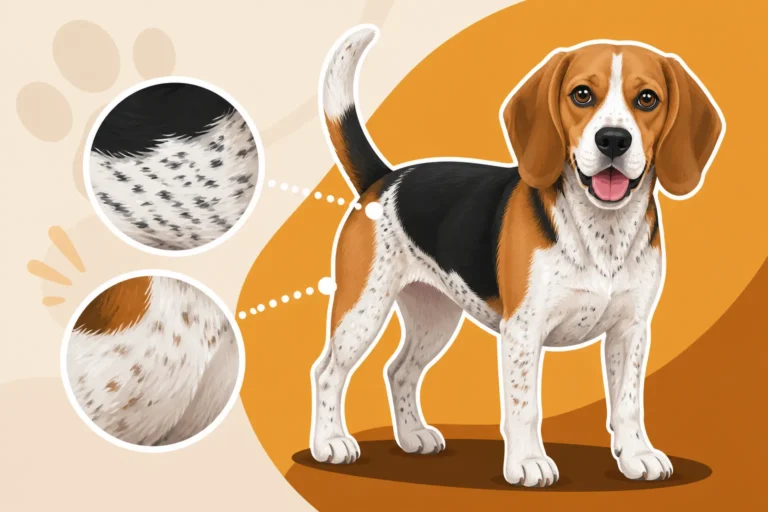
Blue Tick and Red Tick Beagle Coats
When you picture a Beagle, you probably imagine that classic tri-color or perhaps a lemon and white coat. But sometimes, you'll spot a Beagle with a scattering of tiny, darker flecks across their white patches, giving them a truly unique, almost speckled appearance. This distinctive pattern, known as "ticking," can sometimes leave new owners wondering if their pup is actually a Beagle or if they've stumbled upon a rare variant. This guide is here to demystify those beautiful blue tick and red tick Beagle coats, diving into what causes them, how they look, and what it means for your merry little hound.
The Genetics Behind Beagle Coat Patterns
Understanding why your Beagle's coat looks the way it does often comes down to a little bit of science, specifically genetics. It’s not just about the big blocks of color, but also the subtle patterns that lay over them. Ticking is one of those fascinating genetic modifiers, and it's completely natural and part of the Beagle's diverse coat possibilities.
How Ticking Develops and Differs from Roaning
Ticking isn't a base color itself; it's a pattern gene that causes small, colored flecks to appear on the white areas of a dog's coat. Think of it as if tiny paint splatters of the dog's other colors were sprinkled onto the white canvas. It's distinct from "roaning," which is another pattern that mixes white hairs with colored hairs to create a more even, salt-and-pepper blend. With ticking, you see individual, distinct spots. The intensity and density of these spots can vary wildly from one Beagle to another, even within the same litter. Some might have just a few faint flecks, while others could be quite heavily "ticked," almost appearing grey or strawberry roan from a distance.
The ticking gene (often denoted as 'T') is a dominant gene. If a Beagle inherits even one copy of this gene, they will express ticking on their coat. What's truly interesting is that Beagle puppies are rarely born with visible ticking. These flecks often develop and become more prominent as the puppy grows, sometimes appearing within the first few weeks, but often deepening in color and spreading further into the white areas over the first few months of life. So, if you bring home a seemingly pure white and black puppy and suddenly notice tiny dark spots appearing, don't be alarmed – it's just their ticking gene at work! It's an exciting surprise, watching their true pattern emerge.
The Role of Base Colors in Ticking Appearance
The appearance of ticking is heavily influenced by the Beagle's underlying base colors. A Beagle's coat is generally defined by its primary colors, like black, tan, white, and lemon. Ticking acts on the white patches, taking on the hue of the nearest solid color. This is why we see "blue tick" and "red tick" variations. A Beagle might be a traditional tricolor (black, white, and tan), but if it also carries the ticking gene, those white areas can develop black or tan flecks, creating a much more complex and visually rich pattern.
Consider a tricolor Beagle. Where there's a black patch, the ticking in the adjacent white area might appear black or dark grey. Where there's a tan patch, the ticking might appear reddish-brown or orange. This interplay creates a dynamic coat that changes subtly as the dog moves, making each ticked Beagle truly unique. Understanding Beagle Colors, Markings and the Tricolor Standard can help you appreciate the full spectrum of possibilities. Even "lemon" Beagles, which are essentially very pale tan and white, can have ticking that shows up as faint, creamy spots on their white areas. This interaction of genes creates endless variations, ensuring that no two Beagles look exactly alike.
Blue Tick Beagles: A Deeper Dive into This Striking Pattern
The blue tick pattern in Beagles is truly eye-catching. It evokes images of classic coonhounds, yet on the smaller, sturdier Beagle frame, it has a charm all its own. This pattern is not about a solid blue coat, but rather an illusion created by the density of black ticking.
What Makes a Beagle "Blue Tick"
A "blue tick" Beagle isn't actually blue in the same way some other breeds might be. Instead, the term refers to the visual effect created by extremely dense black or dark grey flecks against a white background. Imagine taking a handful of fine black pepper and scattering it over a white tablecloth; if the pepper is dense enough, the tablecloth will start to look grey or bluish from a distance. That's essentially what happens with a blue tick Beagle. These tiny black hairs are so numerous and close together in the white areas of the coat that they create an optical illusion, giving the coat a bluish-grey cast.
These flecks can appear anywhere there's white on the Beagle, but they are often most noticeable on the legs, muzzle, and chest. A blue tick Beagle will typically also have solid black patches and tan points, characteristic of a tricolor coat, but the white areas will be heavily speckled. It’s a truly distinctive look that stands out in a crowd of more traditionally marked Beagles. The more the ticking develops, the more pronounced this "blue" effect becomes, adding depth and texture to their already beautiful coat. This isn't a flaw; it's a recognized and admired pattern within the breed.
Appearance and Common Color Combinations
Blue tick Beagles usually present with a base coat that includes black, white, and tan, making them a variation of the classic tricolor. You'll see solid black patches, often forming a saddle on their back, along with tan markings on their face, ears, and legs. The magic happens in the white spaces. Instead of pure, unblemished white, these areas are liberally peppered with those fine black or dark grey spots. For example, a blue tick Beagle might have a black saddle, tan cheeks, and then legs that are white but heavily flecked with black, appearing greyish or bluish.
Sometimes, the ticking can be so fine and dense that it almost looks like a soft wash of grey, rather than individual spots. Other times, the spots are larger and more clearly defined. The intensity can vary even across different parts of the same dog. For instance, their chest might have a lighter dusting of ticking, while their lower legs are almost solidly grey-blue from the concentration of flecks. This variation makes each blue tick Beagle a unique work of art. If you're comparing it to Beagle Tricolor and the Black Saddle, you'll notice the ticking adds an extra layer of complexity to the standard black, white, and tan. This beautiful pattern is quite popular, often catching the eye of those looking for something a little different.
Red Tick Beagles: Exploring the Rich Hues and Markings
Just as blue ticking creates an illusion of blue, red ticking brings out warm, earthy tones in a Beagle's coat. This pattern is equally striking and, like its blue counterpart, adds wonderful depth to the dog's appearance.
The Characteristics of a "Red Tick" Beagle
A "red tick" Beagle has white areas that are flecked with reddish-brown or orange spots, instead of black ones. The "red" in red tick refers to the rich, warm color of these flecks, which typically correspond to the tan or liver points on the Beagle's main coat. This pattern often develops on Beagles that have a significant amount of tan or lemon in their base coloring. It's not a solid red coat, but rather the sprinkling of these reddish hairs within the white patches, creating a lovely, warm-toned speckled effect.
Similar to blue ticking, these red flecks aren't usually present at birth. They emerge as the puppy grows, becoming more visible and often darker with age. The spots can range from a light orange-tan to a deep russet, depending on the intensity of the dog's underlying tan pigment. Imagine a white canvas with tiny, rust-colored paint splatters, and you’ll get the idea. It creates a rustic, earthy look that is quite appealing and distinctly different from a pure white and tan Beagle. It's yet another example of the incredible diversity within Beagle coat patterns, adding to their overall charm.
How Red Ticking Presents on Different Coat Types
Red ticking can appear on various Beagle coat types, primarily those that include tan, lemon, or sometimes even a liver base. For instance, a classic bicolour Beagle that is lemon and white might develop red ticking, where the white areas become speckled with light tan or lemon-colored flecks. On a tricolor Beagle, you might see the red ticking predominantly in the white areas adjacent to the tan points, such as on the lower legs, chest, and face, contrasting beautifully with the black saddle and richer tan markings.
The intensity of the red ticking can also vary. Some Beagles might have a subtle dusting of light orange flecks, barely noticeable unless you look closely, while others can be heavily marked with dark, almost mahogany-red spots that are quite striking. These denser patterns can sometimes give the white areas a strawberry or rust-colored roan appearance from a distance, just like dense black ticking can look blue. This adds a beautiful dimension to the Beagle's coat, making them stand out. While Lemon Beagles and the Rarer Colors focuses on the main body colors, red ticking is a pattern overlay that can enhance these lighter hues dramatically. It’s important to note that ticking, whether blue or red, is considered an acceptable pattern in the Beagle breed standard, so it's not considered a fault.
Caring for a Ticked Beagle's Coat: What You Need to Know
Whether your Beagle is blue ticked, red ticked, or any other pattern, their coat care largely remains the same. Ticking is a pattern, not a different coat texture, so it doesn't add any special grooming requirements. However, all Beagle coats benefit from consistent attention to stay healthy and looking their best.
Grooming Essentials for a Healthy Coat
Beagles have a short, dense, weather-resistant double coat that does shed, particularly seasonally. Regular grooming is crucial, not just for aesthetics but for their skin health. A good brushing routine is your first line of defense against excessive shedding and can help distribute natural oils, keeping their coat shiny and healthy. I always recommend using a rubber curry brush or a shedding blade during heavier shedding periods, and a bristle brush for daily maintenance. Brushing a few times a week, or even daily during shedding season, can make a huge difference in managing the hair around your home. You can find a wide array of excellent grooming tools and shampoos on sites like Chewy.
Bathing a Beagle doesn't need to be an overly frequent event, perhaps every few weeks or when they've managed to roll in something truly fascinating (and usually smelly!). Use a mild dog shampoo to avoid irritating their skin. Their short coat dries relatively quickly, but make sure they're completely dry, especially under those long, floppy ears, to prevent skin issues. Beagle Grooming and That Shedding Double Coat offers more in-depth advice on keeping their fur in top condition. Even though ticking doesn't change the hair type, a healthy coat will make those beautiful patterns pop!
Addressing Skin Health Under the Ticking
While ticking itself doesn't cause skin problems, the skin under any coat pattern needs attention. Beagle skin can be prone to allergies, dryness, or other irritations, especially if they spend a lot of time exploring outdoors or have sensitive skin. When you're grooming, take the opportunity to visually inspect their skin, particularly in areas with dense ticking where any redness or irritation might be harder to spot initially. Look for any flakiness, rashes, bumps, or signs of discomfort like excessive licking or scratching.
If you notice any skin issues, a veterinary check-up is always a good idea. Sometimes, diet plays a huge role in skin and coat health, and switching to a high-quality food can make a noticeable difference. Places like Chewy offer a fantastic selection of specialized diets for sensitive skin. Regular ear cleaning is also paramount for Beagles, given their long, droopy ears which can trap moisture and debris. While not directly related to ticking, overall hygiene contributes to a healthy coat. Remember, a healthy Beagle from nose to tail will have a beautiful, vibrant coat, no matter its unique pattern. Beagle Skin Allergies and Constant Itching details what to look out for in terms of skin health.
The Unique Charm of Ticked Beagles
Ticked Beagles, with their distinct blue or red speckled patterns, are a testament to the wonderful genetic diversity within the breed. Far from being a flaw, ticking adds an extra layer of visual interest and character, making each dog even more unique. These patterns are natural, develop over time, and require no special care beyond what any other Beagle needs.
Standing Out in the Pack
A ticked Beagle definitely stands out! Whether it’s the subtle bluish cast of a heavily blue ticked coat or the warm, rustic flecks of a red ticked one, these dogs capture attention. It's often a delightful surprise for owners who bring home a seemingly solid-white-patched puppy, only to watch those intricate specks emerge over the first few months. This evolving coat pattern is part of the fun of owning a ticked Beagle. They carry with them a piece of hunting hound history, as ticking is quite common in many scent hound breeds, including some of the Beagle's ancestors.
While the AKC breed standard acknowledges all recognized colors and patterns, including ticking, many people are simply unaware of these specific variations. This means your blue tick or red tick Beagle might spark conversations and admiring glances wherever you go. People often ask, "What kind of dog is that?" or "Is that a special kind of Beagle?" It's a wonderful opportunity to share a bit about the breed's rich history and diverse appearance. The uniqueness of their coat only adds to the "merry" and charming personality that Beagles are so well-known for.
Ticking and the Beagle Breed Standard
The American Kennel Club (AKC) breed standard for Beagles allows for "any true hound color." Ticking, whether blue or red, falls comfortably within this definition, as it is a recognized pattern found in purebred Beagles. It's not considered a fault or a disqualification; rather, it's just one of the many beautiful ways a Beagle's coat can present itself. This means that a well-structured Beagle with a blue tick or red tick coat can still be shown in conformation events, as long as it meets all other aspects of the breed standard.
For prospective owners, understanding these patterns is part of appreciating the full spectrum of the breed. When looking for a puppy, if a breeder mentions "blue tick" or "red tick," you'll know exactly what they mean and can anticipate how the puppy's coat might develop. Reputable breeders will be transparent about coat patterns and can often predict how heavily a puppy might be ticked based on its parents' genetics. Ultimately, whether your Beagle is a classic tricolor, a striking blue tick, or a warm red tick, what truly matters is their health, temperament, and the joy they bring into your life. As long as they are a happy, healthy Beagle, their unique coat is simply an added bonus. You might learn more about the formal descriptions by reading The Beagle Coat as the Standard Describes It.
Here's a quick comparison of the two tick patterns:
| Feature | Blue Tick Beagle | Red Tick Beagle |
|---|---|---|
| Tick Color | Black or dark grey flecks | Reddish-brown or orange flecks |
| Base Coat Look | Gives white areas a bluish-grey appearance | Gives white areas a warm, rusty appearance |
| Primary Colors | Typically found on tricolor (black, white, tan) coats | Often found on tricolor or lemon & white coats |
| Development | Appears gradually as puppy matures | Appears gradually as puppy matures |
| Intensity | Can range from sparse to very dense, creating an illusion of solid color | Can range from sparse to very dense |
| Origin | Genetic modifier acting on white patches | Genetic modifier acting on white patches |
The Lasting Appeal of Your Ticked Companion
No matter if your Beagle sports the striking blue tick or the warm red tick pattern, these unique coats are a part of what makes each individual dog so special. It's a connection to their long history as scent hounds, where diversity in markings was simply part of the breed's robust genetic makeup. Embracing these variations means appreciating the full picture of what makes a Beagle, well, a Beagle!
Remember, the coat is just one beautiful aspect of your companion. Their merry disposition, incredible nose, and boundless energy are the hallmarks of the breed. But those intricate flecks, developing and deepening over time, add a touch of artistry to their already charming presence. So, enjoy every moment with your uniquely patterned Beagle, knowing that their coat tells a story of heritage and individuality. Don't forget that keeping their coat clean and healthy means regular grooming; Chewy offers everything from brushes to shampoos to keep them looking their best. From their inquisitive nose to their wagging, often white-tipped tail, and right down to their ticked paws, your Beagle is a one-of-a-kind treasure.
Disclaimer
This article is for general informational purposes only and does not constitute professional advice. Laws, prices and regulations vary by location and change over time. Consult a qualified professional for guidance on your specific situation.