The Beagle Tail Carried Up Like a Flag
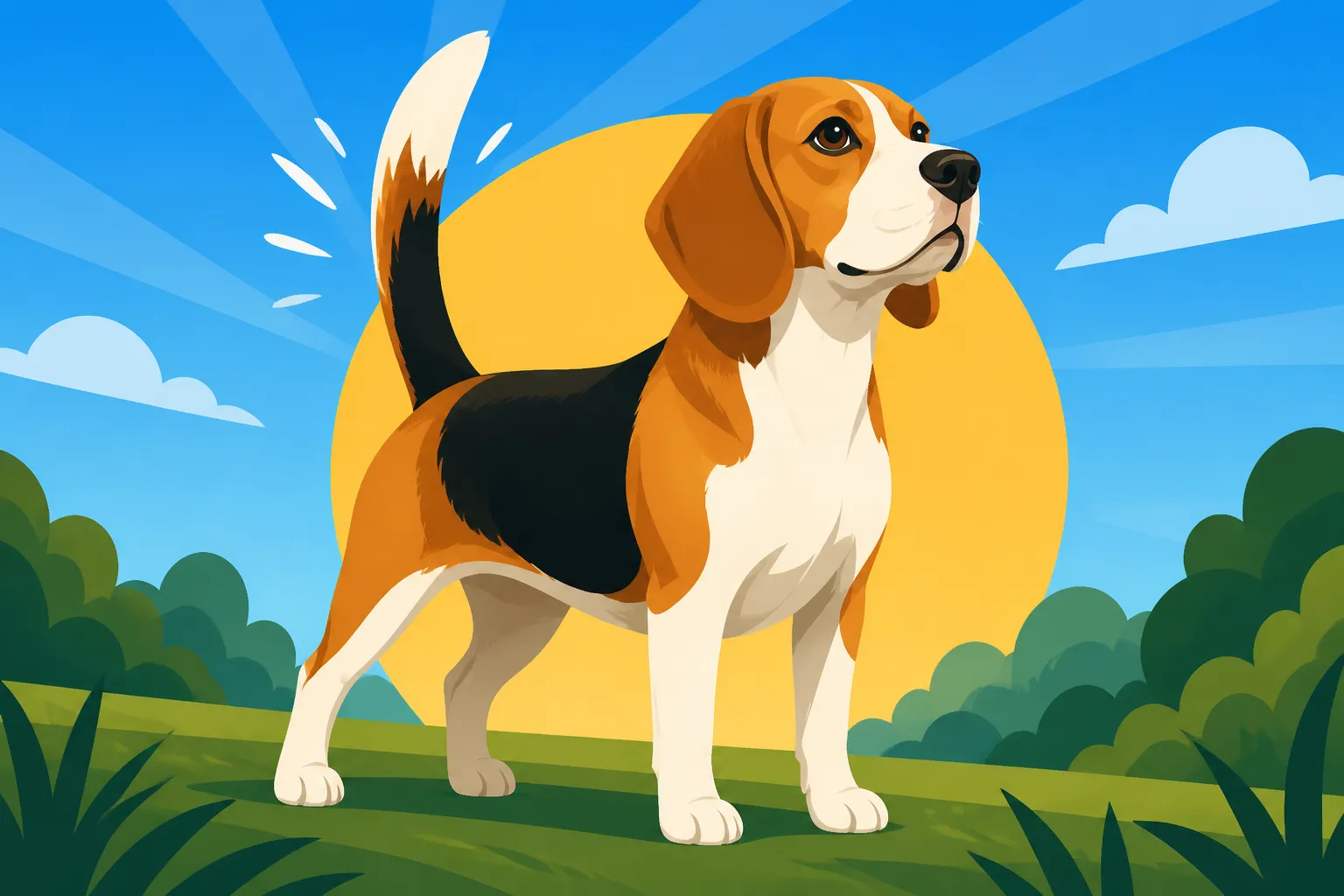
That iconic Beagle tail, carried high with a joyful curve, is one of the most endearing and recognizable features of the breed. It's often likened to a "flag," waving cheerfully whether your Beagle is on a scenting mission, greeting you at the door, or simply trotting through the yard. But this isn't just a charming visual; it's a vital part of their anatomy and a key indicator of their health and mood. This guide will delve into everything you need to know about your Beagle's tail, from its breed standard description to its functional purpose and how to care for it.
Understanding the Beagle Tail Standard
When you look at a Beagle, that tail is often the first thing that catches your eye after their wonderfully expressive face. It’s not just any tail; it’s a specific kind of tail, described in detail within the breed standard to ensure the health and integrity of these merry hounds.
The "Stern" and Its High Carriage
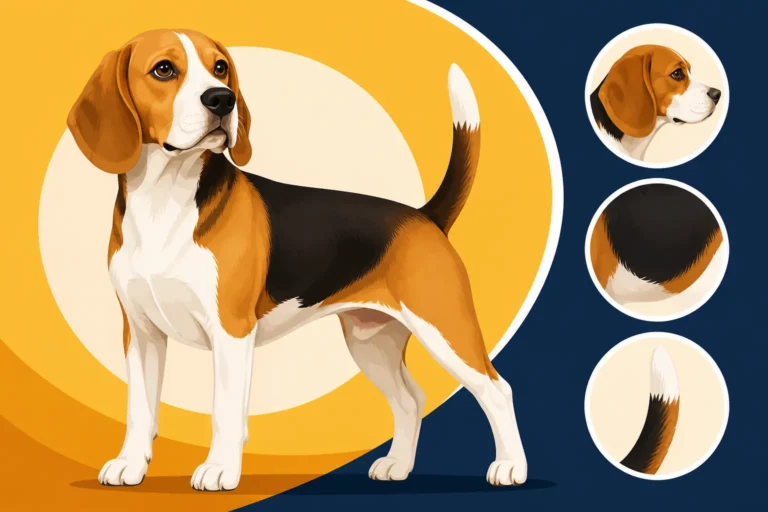
In the world of dog show fancy and breed standards, a dog's tail is often referred to as a "stern." For a Beagle, the standard calls for a "moderately set tail, carried gaily, but not curled over the back." This means it should emerge from the end of their spine at a balanced height, neither too low nor too high up on their rump. The term "carried gaily" perfectly encapsulates the cheerful, upright posture we associate with a happy, confident Beagle. It's a hallmark of their bright disposition, a testament to their heritage as eager hunting companions who loved their work.
Imagine your Beagle spotting a squirrel in the yard or hearing the jingle of their leash for a walk. Instantly, that tail shoots up, often with a delightful little wag, signaling their excitement and readiness. This high, proud carriage isn't just about looks; it speaks to the breed's energetic nature and their constant state of joyful alertness. It should have a slight curve, like a well-formed arch, but never so much that it curls tightly against their back or rests over their spine. A tail that is too low or tucked could indicate shyness or submission, which goes against the "merry" temperament the Beagle is known for. The emphasis is on a lively, confident presentation.
The White Tip: A Functional Trait
Perhaps the most distinctive feature of the Beagle's tail, besides its cheerful carriage, is the mandatory white tip. It's not merely a decorative flourish; this little patch of white hair has a deeply practical and historical purpose that speaks volumes about the breed's origins. Historically, Beagles were used for hunting rabbits and hare in dense underbrush and tall grasses. When these small hounds were working diligently, noses to the ground, trailing a scent through thick cover, they could easily disappear from their human companions' sight.
The bright white tip on their tail acted as a natural "flag" or marker, making it visible to hunters on horseback or on foot. Even if the rest of the dog was obscured by foliage, that little flash of white against the green allowed the hunters to keep track of their pack. It helped them follow the chase and know where their Beagles were working without having to strain their eyes or lose precious time. This practical adaptation became so integral to the breed's function that it was written directly into the breed standard, making it a required characteristic for purebred Beagles. So, next time you see that white tip, remember it's a nod to centuries of dedicated work in the field.
Acceptable and Unacceptable Tail Carriages
The breed standard is quite precise about what constitutes an ideal Beagle tail. The goal is a tail that complements the dog's overall structure and reflects its intended purpose and temperament. An ideal tail is strong at the base, tapering gracefully to the white tip, and held upright without curling excessively. It should possess a moderate amount of hair, often described as having a "brush" or "bottle brush" appearance, giving it a slightly fuller look without being overly plume-like or sparse.
Conversely, there are certain tail characteristics that are considered faults in the show ring, often because they can indicate underlying structural issues or deviate from the breed's historical function. A tail that is too long or too short, or one that is weak and carried low, can suggest poor structure or an atypical temperament. A "squirrel tail," which curls so tightly over the back that it almost touches, is also considered incorrect. Similarly, a tail that is kinked, crooked, or has a sparse coat would be undesirable. These deviations not only affect the aesthetic of the Beagle but can also be indicators that the dog does not fully meet the physical and behavioral requirements of the breed. Understanding these nuances helps us appreciate the careful selection that has gone into maintaining the Beagle's distinct appearance and working abilities. You can often see these traits highlighted when observing Beagle Gait as Judged in the Show Ring.
The Beagle Tail's Role in Communication and Function
Beyond its aesthetic appeal and adherence to breed standards, your Beagle's tail is a dynamic and functional part of their body. It's a critical tool for communication, balance, and even plays a role in their renowned scenting abilities.
Expressing Emotion Through the Tail
If you've spent any time around a Beagle, you know their tails are practically mood indicators. A Beagle's tail is a rich language in itself, communicating a range of emotions that often precede or accompany vocalizations like barking, baying, or howling. When your Beagle greets you with a rapid, wide wag, often accompanied by a full-body wiggle, that's pure joy and excitement. It's their way of saying, "You're home! I missed you!" This enthusiastic tail-wagging is a hallmark of the breed's "merry" disposition.
But the tail can also signal other emotions. A slow, gentle wag might indicate curiosity or a hesitant greeting. If the tail is held low and perhaps tucked between the legs, it often means your Beagle is feeling submissive, fearful, or perhaps isn't feeling well. A stiff, barely moving tail held horizontally might signal alertness or a focused interest in something, especially if their nose is also working overtime. Learning to read these subtle cues is essential for understanding your Beagle's inner world and can deepen the bond you share. It's a fascinating aspect of Beagle Temperament and Why the Breed Suits Families.
Balance and Agility: More Than Just Wags
While we often focus on the tail's expressive qualities, it also serves a crucial physical function: balance. Think of a Beagle in full scenting mode, navigating uneven terrain, darting through bushes, or making sharp turns as they follow a trail. Their tail acts like a counterbalance, shifting weight and aiding in quick adjustments to their body position. This is particularly important for a dog that spends so much time with its head down, intensely focused on scent.
When they accelerate, decelerate, or change direction suddenly, the tail helps stabilize them, preventing falls and allowing for more agile movements. This becomes especially evident if you've ever watched a Beagle run and play, making tight turns around furniture or chasing after a toy. The tail swings and adjusts, a subtle but constant rudder helping them maintain control. It's a critical component of their athleticism and helps explain why Beagle Agility and the Impact on Joints often involves specific movements that benefit from this natural balancing act.
Historical Purpose in the Hunt
Let's circle back to the Beagle's origins as a hunting hound. We've already touched on the white tip as a visual marker, but the tail's overall structure and carriage were designed for the hunt. As Beagles tracked small game like rabbits and hare, often in packs, they had to move through varied environments with purpose and endurance. The strong, upright tail, coupled with its moderate length, allowed it to clear undergrowth without snagging easily, unlike a longer, plumed tail might.
When a Beagle was hot on a scent, that tail would be held high, sometimes wagging furiously as they worked. This not only acted as a visible flag for the hunters but also provided a clear signal to other Beagles in the pack, indicating that a trail was being followed with intensity. It was a non-verbal cue that kept the pack cohesive and focused on the task at hand. This practical design for their specific job is a perfect example of how form truly follows function in dog breeding, highlighting exactly What a Beagle Was Originally Bred to Hunt.
Common Tail-Related Concerns for Beagle Owners
Having a wonderfully expressive and functional tail comes with its own set of considerations for us Beagle parents. From preventing injury to recognizing discomfort, knowing what to look out for can save your pup a lot of grief.
"Happy Tail" Syndrome and Injury Risk
The sheer enthusiasm of a Beagle's wagging tail can sometimes lead to an unfortunate condition known as "happy tail syndrome." This isn't a medical syndrome in the traditional sense, but rather a colloquial term for a tail injury caused by repeated, forceful wagging against hard surfaces. Imagine your Beagle, overjoyed to see you, wagging their tail with such power that it repeatedly slams against a doorframe, a wall, or even furniture. The skin and tissue on the tip of the tail can become traumatized, leading to open wounds that are notoriously difficult to heal.
These injuries can be quite painful and often bleed a lot because tails have a surprisingly good blood supply. The constant motion of the tail makes it challenging for scabs to form and stay intact, often reopening wounds and prolonging healing. In severe or chronic cases, a vet might recommend pain medication, antibiotics to prevent infection, and in very rare, extreme situations, even partial tail amputation if the injury just won't heal. Preventing "happy tail" involves being mindful of where your Beagle wags most enthusiastically. Consider soft surfaces around high-traffic areas, or sometimes, a light, protective wrap on the tail (under vet guidance) can help during the healing process.
Recognizing Signs of Pain or Injury
Because Beagles are so expressive with their tails, changes in tail carriage or movement can be a strong indicator that something is wrong. If your normally high-spirited Beagle suddenly carries their tail low, tucks it frequently, or seems reluctant to wag, it's a red flag. They might hold their tail in an unusual position, keep it clamped, or show signs of discomfort when you gently touch it. Swelling, redness, or visible cuts, scrapes, or scabs are obvious signs of injury.
Beyond external trauma, sometimes internal issues can manifest in tail behavior. A common problem is "limber tail syndrome" (also known as swimmer's tail or cold tail), where the tail suddenly becomes limp, as if broken, and hangs down. This is typically a muscle strain or sprain in the tail base, often after strenuous exercise, especially in cold water. While usually self-resolving with rest and anti-inflammatories, it's important to differentiate it from a true fracture or other severe injury. Other issues like disc problems in the lower spine can also impact tail nerve function, causing weakness or an inability to wag. Observing these changes and seeking veterinary advice promptly is crucial. For broader health insights, knowing Beagle Emergency Signs That Cannot Wait Until Morning is always helpful.
Grooming and Care for a Healthy Tail
While Beagles aren't known for needing extensive grooming, their tails do require some basic attention to stay healthy and clean. The moderately dense hair on a Beagle's tail, often described as a "bottle brush," can sometimes collect burrs, stickers, or even mud if your Beagle has been exploring enthusiastically. Regular brushing as part of your overall Beagle Grooming and That Shedding Double Coat routine helps remove loose hair, prevents mats (though rare on a Beagle's short coat), and allows you to inspect the skin underneath for any irritations or parasites.
During bath time, ensure you thoroughly rinse the tail area to remove all shampoo residue, which can cause skin irritation. After a bath or a swim, make sure the tail is completely dry, especially at the base, to prevent skin issues. If your Beagle has been out in tall grass or brush, a quick check of the tail for ticks is always a good idea, as these pests can attach anywhere. While the white tip doesn't usually require special care, keeping the whole tail clean and free of debris ensures it stays healthy, ready to wag for many years to come. Products like those found at Chewy can make these grooming tasks easier, offering various brushes, shampoos, and even gentle wipes for quick clean-ups.
The Beagle Tail in the Show Ring and Beyond
The Beagle's tail is more than just a genetic trait; it’s a living emblem of their spirit, meticulously evaluated in the show ring and deeply cherished by owners in their daily lives.
Judging the Beagle Tail
In conformation dog shows, every aspect of a dog's anatomy is scrutinized against the official breed standard, and the tail is no exception. For a Beagle, judges are looking for that specific "gaily carried" stern, which should be moderately set, neither too high nor too low. It should be strong at the root, tapering toward the white tip, and held upright in a curve, never curling over the back. The texture of the hair, often described as a "brush," is also important; it should be dense but not overly long or feathery.
The tail's length is also considered. It shouldn't be excessively long, dragging on the ground, nor should it be so short that it appears stubby. Its overall appearance should be in balance with the rest of the dog's body, contributing to the harmonious picture of a well-structured Beagle. A judge will observe the tail in motion, as the dog moves around the ring, to ensure its carriage is consistent with the breed's lively and confident temperament. Any deviation, such as a tucked tail indicating shyness, or a squirrel tail that curls too much, would be considered a fault. It's all part of ensuring the breed remains true to its heritage as described in The Beagle From English Rabbit Packs to American Homes.
Field Beagles vs. Show Beagles: Tail Differences?
It's common to hear about "field-bred" Beagles versus "show-bred" Beagles, especially when discussing certain physical traits or temperaments. However, when it comes to the tail, the fundamental characteristics are largely the same. Both lines adhere to the core breed standard, which dictates the high, gaily carried tail with the white tip. The function of the tail—as a flag and for balance—is equally important in both contexts. A field Beagle relies on that white tip to be seen in dense cover, and its tail provides crucial balance as it navigates challenging terrain while intensely tracking a scent.
While there might be very subtle variations in muscle development due to different exercise regimes (a field Beagle might have a slightly more robust tail base from constant movement), the ideal form, carriage, and the presence of the white tip remain universal requirements for a healthy, well-bred Beagle of either type. Reputable breeders, whether focused on conformation or working ability, will always strive for correct tail set and carriage, understanding its importance for both form and function. This consistency is part of what makes The Beagle Tail and Its White Tip such a defining characteristic.
Celebrating the "Merry" Tail
Ultimately, the Beagle's tail is a wonderful symbol of their joyous and affectionate nature. It's a key part of what makes them so endearing to their families. That constantly wagging "flag" tells you so much about your dog's mood, their excitement, and their unwavering optimism. It's a reminder of their "merry" disposition, a term frequently used to describe the breed's cheerful, outgoing, and ever-curious personality.
As Beagle owners, we often find ourselves smiling when we see that tail go, whether it's because they've found an irresistible scent, are anticipating a meal, or are simply happy to be in our presence. It's a connection to their past as enthusiastic hunting partners and a reflection of their present role as beloved family members. Ensuring their tail remains healthy and free from injury is just one way we can cherish this special part of our Beagles, allowing them to express their boundless joy for years to come.
Here's a quick comparison of what to look for:
| Feature | Ideal Beagle Tail (Standard) | Less Ideal Beagle Tail (Faults/Concerns) |
|---|---|---|
| Carriage | Carried gaily, upright, with a slight curve, like a flag. | Tucked (fear/submission), curled over back (squirrel tail), too low/limp. |
| Set | Moderately set, flowing smoothly from the topline. | Set too high or too low. |
| Tip | Always has a distinct white tip. | Lacks a white tip, or the tip is indistinct. |
| Shape/Taper | Strong at base, tapering to the tip, "bottle brush" hair. | Kinked, crooked, sparse hair, overly plumed, too thin/whippy. |
| Length | Moderate, in balance with the body, not excessively long or short. | Too long (dragging), too short (stubby). |
| Movement | Lively, expressive, used for balance and communication. | Stiff, rigid, unresponsive, or painful to move. |
Remember, while the show ring has strict standards, in your home, the most important thing is a healthy, happy Beagle. If you notice any changes in your Beagle's tail behavior or appearance, it's always best to consult with your veterinarian. You can also find many suitable tail and general grooming products at Chewy to keep your Beagle looking and feeling their best.
Disclaimer
This article is for general informational purposes only and does not constitute professional advice. Laws, prices and regulations vary by location and change over time. Consult a qualified professional for guidance on your specific situation.