Why a Beagle Over Fifteen Inches Is Disqualified
It can be quite bewildering when you're trying to understand the nuances of a purebred dog's characteristics, and for Beagle owners, the topic of height often comes with a particular set of rules that can seem a little harsh. Many people wonder why a Beagle that's just a hair over a certain measurement might be deemed "disqualified" in a show ring, creating confusion and sometimes worry. This guide aims to clear up that mystery, delving into the precise standards, their historical significance, and what these rules truly mean for our beloved, long-eared companions.
The Official Breed Standard: Why Inches Matter
The world of purebred dogs operates on a set of carefully defined guidelines known as the breed standard. These standards are essentially the blueprint for what an ideal specimen of a particular breed should look and act like. For Beagles, the breed standard is quite specific about size, a characteristic that historically played a huge role in their purpose. It's not just a random number; it's steeped in tradition and functionality.
The Two Recognized Beagle Varieties
When we talk about Beagle size, it's important to understand that the breed is officially recognized in two distinct varieties based on height. This isn't about different breeds, but rather two classifications within the single Beagle breed, primarily for show purposes. Each variety has a strict upper limit that determines whether a dog can compete in its respective class.
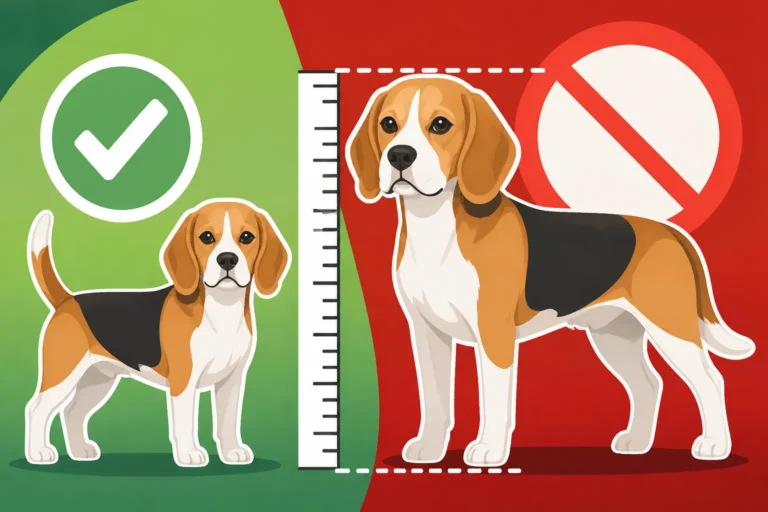
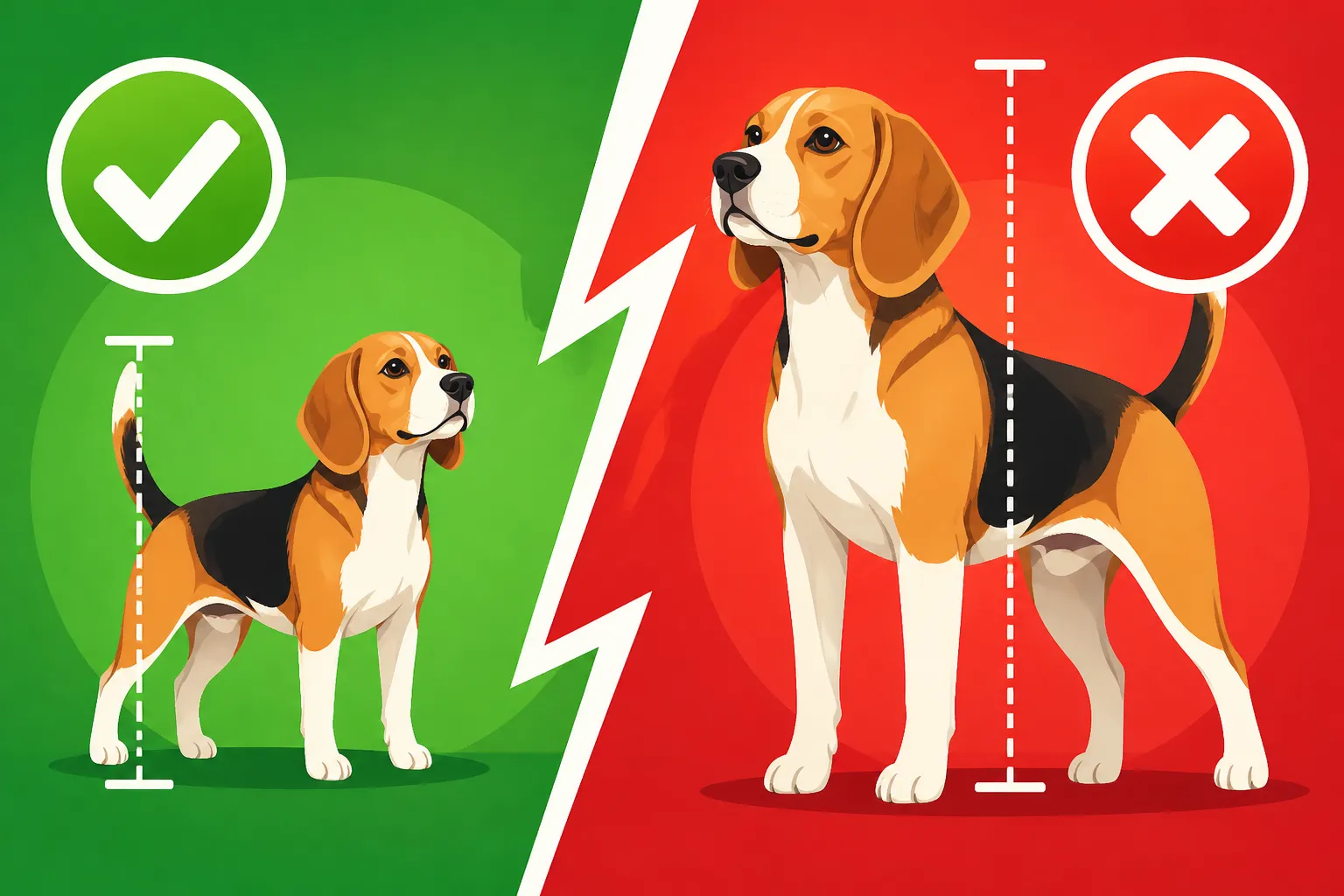
There's the "13-inch" variety, which refers to Beagles that do not exceed 13 inches in height at the shoulder. Then there's the "15-inch" variety, for Beagles that measure over 13 inches but do not exceed 15 inches at the shoulder. These measurements are taken from the highest point of the shoulder blades (the withers) down to the ground. Anything outside these parameters, particularly over the 15-inch mark, puts a Beagle squarely outside the recognized standard for conformation. You can learn more about these specifics by reading The Thirteen Inch Beagle Variety and The Fifteen Inch Beagle Variety.
Measuring a Beagle for Conformation
Accurately measuring a Beagle isn't as simple as holding a tape measure next to them. It requires a specific technique to ensure consistency and fairness, especially in a show environment. The dog must stand squarely on a level surface, and a wicket or measuring stick is used to touch the highest point of the withers, making sure the dog isn't slumping or stretching. The judge is looking for a solid, compact hound, and slight variations can make a big difference in a competition setting. Owners at home might not need quite the same rigor, but understanding the method helps appreciate the precision involved. If you're curious about checking your own dog's height, sites like Chewy offer sturdy measuring sticks and other grooming tools that can help you get an accurate read. For more on this, check out Measuring a Beagle to Decide Its Variety.
Historical Context: Beagles Bred for a Job
To truly understand why these height restrictions exist, we need to look back at the Beagle's origins. This isn't just about aesthetics; it's about the very job they were bred to do. Beagles weren't originally bred to be house pets (though they excel at it now!); they were working hounds, integral to hunting packs.
Hunting Hare and Rabbit on Foot
The Beagle's primary purpose for centuries was hunting small game, particularly hare and rabbit. Unlike larger foxhounds that might follow mounted hunters, Beagles were often part of packs followed on foot. This meant the dogs needed to be agile enough to navigate dense underbrush and small enough to follow game into burrows or through tight spots. A larger, heavier dog would have been a hinderance, tiring quickly and struggling in the terrain. The original breeders, especially in England, meticulously selected for these traits. This history is fascinating, and you can explore it further in How the Modern Beagle Was Built in the 1830s and The Beagle From English Rabbit Packs to American Homes.
The Evolution of Breed Standards
As dog showing and formalized breeding became more popular in the 19th century, kennel clubs and breed fanciers began to solidify these practical characteristics into written standards. The goal was to preserve the working ability and distinctive type of each breed. For the Beagle, this meant codifying the ideal size, alongside other physical traits like their powerful nose, sturdy build, and distinctive voice. The size wasn't arbitrary; it was a direct reflection of their functional heritage. If a Beagle was too tall, it was considered less true to its original purpose and therefore less "typey" or characteristic of the breed's historical role. The emphasis was on maintaining the essence of what made a Beagle a Beagle in the field.
What a Disqualification Means in Conformation
When a Beagle is "disqualified" for being over 15 inches, it's a term that often sounds far more severe than it actually is, especially to pet owners. It doesn't mean the dog is inherently flawed or unhealthy. Instead, it specifically pertains to their eligibility in the world of competitive dog shows and formal breeding programs.
Impact on the Show Ring
In conformation shows, judges are assessing how closely each dog aligns with the official breed standard. A disqualification (DQ) for size means that the dog cannot earn points towards a championship title, nor can it be placed in its class. It's an immediate exclusion from competition. This is why breeders who aim to show their dogs are incredibly meticulous about adhering to the size standards. A Beagle might be otherwise perfect in every aspect – temperament, coat, movement, and overall health – but if it's too tall, it simply cannot compete. It's a binary rule; there's no "almost" in a disqualification. This strict adherence helps maintain the consistency of the breed's physical characteristics over generations.
| Beagle Variety | Max. Height at Withers | General Characteristics | Show Ring Status (Over 15") |
|---|---|---|---|
| 13-inch | Not exceeding 13 inches | Often slightly more compact | Disqualified |
| 15-inch | Over 13 but not exceeding 15 inches | More substantial build, still athletic | Disqualified |
| Over Standard | Exceeds 15 inches | Varies widely | Disqualified |
Implications for Breeding Programs
For dedicated breeders, a disqualification based on size means that a dog should generally not be used in a breeding program if the goal is to produce show-quality offspring or to maintain the breed standard strictly. Breeding two oversized Beagles together, for instance, would likely perpetuate the trait, moving further away from the established ideal. Reputable breeders strive to produce Beagles that conform to the standard, not only in size but also in Beagle Health Testing Under CHIC and temperament. While an oversized Beagle can still be a wonderful pet, its genetics for size might be undesirable in a breeding line focused on conformity. However, it's crucial to remember that a dog being disqualified from showing doesn't make it any less of a wonderful companion, nor does it inherently make them unhealthy.
Living with a Beagle Outside the Standard
It's absolutely vital to remember that a Beagle being "disqualified" by a show standard has no bearing on its quality as a beloved family pet. The vast majority of Beagles in homes across the country are cherished companions, regardless of whether they perfectly fit the inches dictated by a breed club.
Your Pet is Perfect As Is
Whether your Beagle measures 12 inches or a robust 16 inches, if they are healthy, happy, and well-loved, they are perfect. The breed standard serves a specific purpose for breeders and exhibitors, but it doesn't define the value or affection we have for our dogs. A slightly taller Beagle will still have that incredible nose, that merry disposition, and that distinctive bay that we all adore. They'll still need plenty of exercise, engage in delightful Sniffing Walks and Why They Tire a Beagle Out, and be prone to Beagle Counter Surfing and Trash Raiding with equal enthusiasm. Their personality and their bond with you are what truly matter.
Practical Considerations for a Larger Beagle
While a larger Beagle is just as lovable, there might be a few minor practical considerations. For instance, their food requirements might be slightly higher to maintain a healthy weight, which you can easily manage by choosing appropriate portions of high-quality food, perhaps from a selection found on Chewy. You might also find that items like harnesses or beds need to be a size up from what you'd typically expect for a "standard" Beagle. However, these are minor adjustments, and certainly not reasons to diminish the joy a larger Beagle brings to your life. Ultimately, their health, well-being, and happiness are far more important than any measurement on a judge's wicket. For general ownership considerations, it's helpful to understand Whether a Beagle Fits the Home You Have.
Disclaimer
This article is for general informational purposes only and does not constitute professional advice. Laws, prices and regulations vary by location and change over time. Consult a qualified professional for guidance on your specific situation.