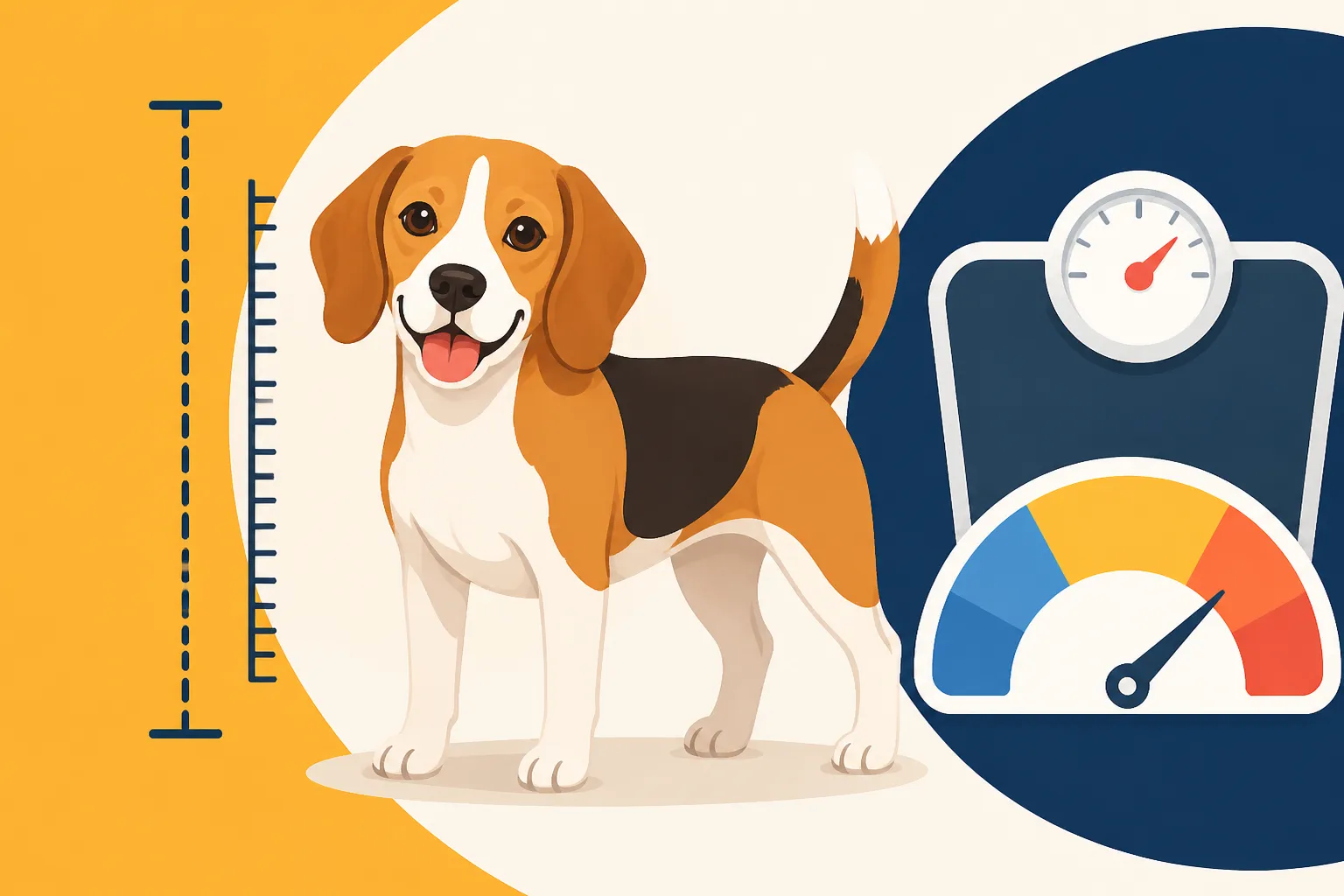
The Fifteen Inch Beagle and Its Weight Range
One common concern for new Beagle owners, or even seasoned ones looking to adopt another lovely hound, is understanding the breed standard, especially when it comes to size and weight. It can be confusing trying to decipher if your charming, food-motivated companion is truly within the healthy range for their variety. This guide will walk you through the specifics of the fifteen-inch Beagle, from how they're officially measured to what a healthy weight truly looks like for them, helping you feel confident in supporting their best life.
Understanding the Fifteen-Inch Beagle Standard
The Beagle breed actually comes in two recognized varieties, which can sometimes catch new owners off guard. While both varieties share that unmistakable merry disposition, those soulful eyes, and that incredible nose, they differ primarily in their height. The two varieties are often referred to as "Thirteen-inch" and "Fifteen-inch" Beagles, and the distinction is all about where their shoulder blades hit when measured.
You might have heard tales of "pocket Beagles" or other classifications, but officially, it's these two height categories that the American Kennel Club (AKC) and other major kennel clubs recognize. This standard isn't just a fancy detail for show dogs; it helps ensure breeders are producing Beagles true to type, and it gives owners a benchmark for their dog's general build and size expectations. If you're looking for a comprehensive overview, you might find our article The Two Beagle Varieties and the Fifteen Inch Line quite helpful.
How Height is Measured Accurately
Measuring a Beagle accurately isn't as simple as standing them against a wall and marking their head, mainly because their head size can vary. The official measurement for a Beagle's height is taken from the top of their shoulder blades, also known as the withers, down to the ground. This is usually done with a wicket, which is a tool specifically designed for dog measurements, ensuring consistency. Your vet might have one, or a reputable breeder will certainly use one regularly.
Imagine your Beagle standing squarely, all four paws on the ground, with their head held naturally, not stretched up or tucked down. Then, the wicket is placed over their shoulders. This measurement point is important because it provides a consistent anatomical landmark, regardless of how a particular Beagle carries its head or the length of its neck. It's a quick process, but essential for determining which height category your Beagle belongs to. For more detailed instructions on this, check out Measuring a Beagle to Decide Its Variety.
What "Fifteen-Inch" Really Means for the Breed
When we talk about a "fifteen-inch Beagle," we're referring to a dog that measures over 13 inches but does not exceed 15 inches at the withers. So, a Beagle could be 13.5 inches, 14 inches, or even a full 15 inches, and still fall into this category. This slight difference of an inch or two might not seem like much, but it can subtly influence their overall build, bone structure, and even their natural weight range.
This height classification is really important for breed enthusiasts and those involved in showing Beagles. If a Beagle measures over 15 inches, it is actually disqualified from the breed standard, even if it looks and acts like a perfect Beagle in every other way. This strict adherence to size helps maintain the breed's historical function as a compact, agile scent hound capable of navigating dense undergrowth. Understanding this "ceiling" for height helps explain why breeders pay such close attention to conformation and why you rarely see Beagles that tower over their cousins. If you're curious about the specifics of breed disqualifications, take a look at Why a Beagle Over Fifteen Inches Is Disqualified.
The Healthy Weight Range for a Fifteen-Inch Beagle
Once you've established your Beagle falls into the fifteen-inch category, the next natural question is about their weight. There isn't a single, magic number that every fifteen-inch Beagle should weigh. Instead, we look at a healthy range and, perhaps even more importantly, their overall body condition. Beagles, bless their hearts, are notorious for their food drive, which means weight management is a lifelong commitment. A healthy weight contributes significantly to their overall well-being and can even impact conditions like Beagle Hip Dysplasia and Everyday Joint Wear.
A Beagle that is within a healthy weight range is more energetic, has less strain on its joints, and is generally at a lower risk for a host of health problems. It's a balancing act, and sometimes it feels like a constant battle against those pleading eyes and that bottomless stomach. But keeping them at their ideal weight is one of the kindest things you can do for them.
Typical Weight Expectations by Gender
For a fifteen-inch Beagle, a healthy weight typically falls within the range of about 25 to 35 pounds. However, this is a guideline, not a hard-and-fast rule. Generally, male Beagles might lean towards the higher end of this range, perhaps 28-35 pounds, while females might be a bit lighter, closer to 25-30 pounds. This can also vary based on bone structure; some Beagles are simply more substantially built than others, even at the same height.
It's crucial to remember that these are averages. A very athletic Beagle might weigh less than a more sedentary one, even if both are healthy. What's more important than the number on the scale is how that weight is distributed and what your Beagle's overall physique looks like. A vet can help you assess this, taking into account their individual build and activity level. If you're particularly concerned about ensuring your dog is at the right weight, a thorough discussion with your veterinarian is always the best first step.
Recognizing a Healthy Body Condition
Instead of obsessing over a precise number, a better approach is to learn how to assess your Beagle's body condition. This involves feeling their ribs, spine, and waistline. When you gently run your hands along your Beagle's sides, you should be able to easily feel their ribs, but they shouldn't be visibly protruding or sharp to the touch. It should feel like a thin layer of muscle and skin over bone, not a thick padding of fat.
From above, your Beagle should have a noticeable waistline, tapering slightly inward after their rib cage and before their hips. They shouldn't look like a sausage or a perfect rectangle. When viewed from the side, their abdomen should tuck up slightly, rather than hanging low or being parallel to the ground. This visual and tactile assessment is often called body condition scoring, and it's a skill every owner can learn. You can find excellent visual guides online or ask your vet to demonstrate on your own dog. Our article Body Condition Scoring a Beagle Under a Thick Coat delves deeper into this important skill.
Factors Influencing Your Beagle's Weight
Beagles are true foodies at heart, and their incredible sense of smell means they're always on the lookout for a snack. This inherent characteristic, combined with modern lifestyles, makes weight management a significant challenge for many owners. It's not just about what's in the bowl; many elements contribute to a Beagle's weight fluctuations.
Understanding these factors is key to preventing unhealthy weight gain or addressing it effectively if it's already an issue. It can be frustrating to feel like you're doing everything right, only to see the numbers on the scale creep up. But with a breed that literally lives to eat, a multi-faceted approach is almost always necessary.
Diet, Exercise, and Metabolism
The most obvious factors are diet and exercise, but even within these, there are nuances. A Beagle's diet needs to be carefully portioned, as they will almost certainly eat whatever is offered, and then some. Even small treats add up, so if you're using food for training, it needs to be factored into their daily calorie intake. The Daily Calorie Target for a Twenty Pound Beagle can offer a starting point, but remember a 15-inch Beagle typically weighs more, so those numbers will need adjustment. Brands like Chewy offer a wide variety of portion-controlled foods and slow feeders that can help manage intake.
Exercise is equally vital. Beagles are active dogs, bred for endurance in the field. A quick walk around the block might not be enough to burn off their calories or satisfy their mental needs. They need opportunities to run, sniff, and explore. Lack of consistent, vigorous exercise, combined with overfeeding, is the most common culprit behind weight gain. Metabolism also plays a role; some Beagles just seem to pack on pounds more easily than others, similar to people. Their individual metabolism can be influenced by genetics and age, making it even more important to tailor their diet and exercise regimen.
Age, Health Conditions, and Medication
Just like us, Beagles' bodies change as they age. Puppy Beagles are typically very active and have a higher metabolism, often needing more calories per pound of body weight. As they enter adulthood and then senior years, their metabolism can slow down, and their activity levels might decrease. This means the diet and exercise routine that worked perfectly for a young adult Beagle will likely need to be adjusted for a Senior Beagle Care After the Age of Ten. Neglecting these changes can lead to gradual weight gain over the years.
Certain health conditions can also contribute to weight changes. For example, Beagle Hypothyroidism and Sudden Weight Gain is a common issue where an underactive thyroid can lead to a slower metabolism and subsequent weight gain, even without changes in diet. Medications, particularly those used for long-term conditions, can also have side effects that impact appetite or metabolism. If your Beagle is on medication for, say, Beagle Epilepsy and Seizures From Six Months On, discuss potential weight effects with your vet. Any unexplained weight gain or loss should always prompt a visit to the veterinarian to rule out underlying medical issues. It's often easier to address weight issues early before they become significant and put extra stress on their joints, potentially leading to problems like How Extra Weight Raises Beagle Disc Pressure.
Practical Steps for Managing Your Beagle's Weight
Managing a Beagle's weight can feel like a full-time job, especially with their unwavering dedication to food. But it's a manageable challenge with consistency, attention, and a little help from your vet. The goal isn't just to make them thinner, but to ensure they are healthy, happy, and have the energy to pursue all the wonderful smells the world has to offer. Taking proactive steps can prevent many of the common health problems associated with obesity in Beagles.
Remember, every Beagle is an individual, so what works perfectly for one might need tweaking for another. Don't get discouraged if you don't see immediate results; slow and steady wins the race when it comes to healthy weight loss or maintenance.
Measuring Food and Monitoring Intake
One of the most effective steps you can take is to meticulously measure your Beagle's food. Eyeballing amounts can lead to overfeeding, even with the best intentions. Invest in a digital kitchen scale for accuracy, as cups can vary significantly depending on how packed the food is. For a fifteen-inch Beagle that might weigh around 28 pounds, Feeding a Fifteen-Inch Beagle at Twenty-Eight Pounds is a good article to reference, but always consult your vet for precise calorie recommendations tailored to your dog's activity level and current weight.
Divide their daily food allowance into two measured meals. Splitting a Beagle's Day Into Two Measured Meals can help reduce feelings of hunger and stabilize their energy throughout the day. If you use treats for training, deduct those calories from their daily food allowance. Consider using low-calorie options or even small pieces of their regular kibble. Slow feeder bowls, readily available at retailers like Chewy, can also be a game-changer for Beagles who inhale their food, helping them feel fuller and aiding digestion. Keeping a food diary for a few weeks can give you a clear picture of exactly what your Beagle is consuming.
Tailored Exercise and Mental Stimulation
Beagles need more than just a leisurely stroll. They thrive on activity that engages both their body and their brilliant nose. Aim for at least 60-90 minutes of moderate to vigorous exercise daily, broken into several sessions. This could include long, sniffy walks where they're allowed to explore scents, off-leash play in a securely fenced area (never trust a Beagle off-leash in an unfenced space!), or even short bursts of running and fetching. Our article Exercise That Actually Burns Beagle Calories offers excellent ideas.
Beyond physical exercise, mental stimulation is crucial. A tired mind is often as important as a tired body for a Beagle. Puzzle toys, snuffle mats, and scent work games can provide an excellent outlet for their natural hunting instincts and can even replace some high-calorie treats. Rotating toys and introducing new challenges can keep them engaged. Remember, a bored Beagle is often a destructive Beagle, and sometimes that destruction can manifest as excessive eating or counter-surfing!
Regular Vet Check-ups and Adjustments
Regular veterinary check-ups are absolutely vital for maintaining your Beagle's healthy weight and catching any potential issues early. During these visits, your vet will weigh your Beagle, assess their body condition score, and discuss their diet and exercise routine with you. This is an excellent opportunity to ask questions, address concerns, and get professional advice tailored to your dog. For senior Beagles, these check-ups might become even more frequent, as discussed in Beagle Vet Visit Frequency After the Age of Ten.
Your vet can help you adjust calorie intake based on your Beagle's age, activity level, and any changes in health. They can also rule out underlying medical conditions that might be contributing to weight gain, like hypothyroidism, or discuss specific prescription weight-loss diets if necessary. Think of your vet as your partner in keeping your Beagle fit and trim; their expertise is invaluable in navigating the journey to a long, healthy life for your beloved hound.
| Category | Fifteen-Inch Beagle (Typical) | Key Considerations |
|---|---|---|
| Height (at withers) | Over 13 inches, up to 15 inches | Measured from top of shoulder blades to ground |
| Weight Range | 25-35 pounds | Varies by gender, build, and muscle mass |
| Male Weight | 28-35 pounds | Often slightly heavier and more muscular |
| Female Weight | 25-30 pounds | May be slightly leaner than males |
| Body Condition | Ribs easily felt, not seen; noticeable waistline; tucked abdomen | Crucial indicator of health; better than scale alone |
| Exercise Needs | 60-90 minutes daily | Mix of sniff walks, running, and mental games |
| Diet Approach | Measured meals, limited treats | Avoid free feeding; consider slow feeders (e.g., from Chewy) |
Disclaimer
This article is for general informational purposes only and does not constitute professional advice. Laws, prices and regulations vary by location and change over time. Consult a qualified professional for guidance on your specific situation.