What Old Sporting Prints Show About Early Beagles
Have you ever gazed at an old painting or print featuring hounds, perhaps with that familiar Beagle-like face, and wondered what life was truly like for those dogs? It’s easy to romanticize the past, envisioning a simpler time, but these historical illustrations offer a fascinating, often surprising, glimpse into the reality of early Beagle life, breeding, and purpose. This guide will walk you through what these beautiful, aged sporting prints genuinely reveal about the Beagles of centuries past, helping you connect with their history.
Sporting Prints: A Window into an Era
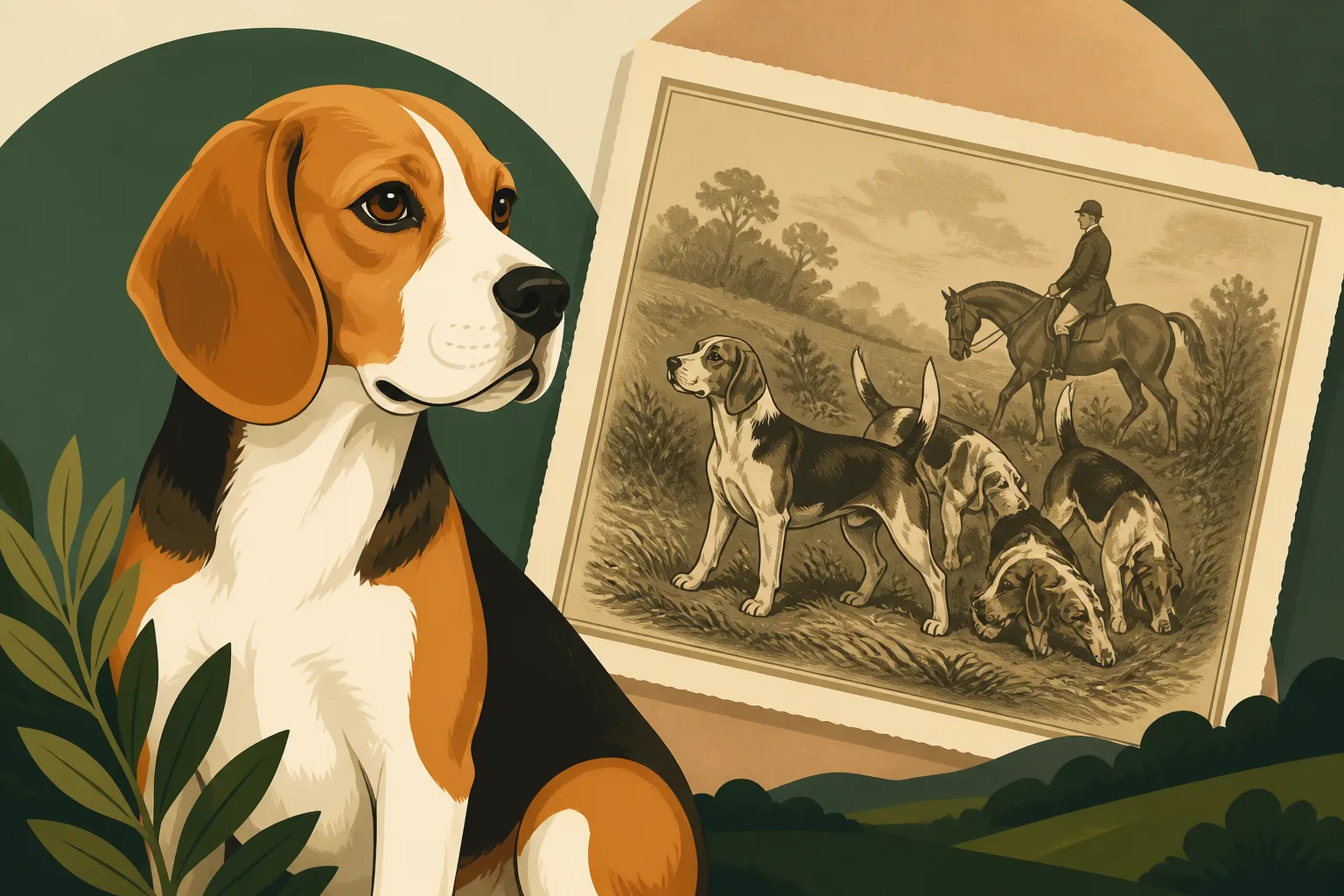
Before photography, the primary way to document sporting life, including the dogs that were so central to it, was through art. Sporting prints, often detailed engravings or lithographs, were highly valued. They weren't just decorative; they served as records, status symbols, and instructional guides, capturing the essence of the hunt and the animals involved. For Beagle enthusiasts, these prints are invaluable, providing visual evidence where written records might be scarce or less descriptive.
These prints emerged during a time when dog breeding was becoming more formalized, moving beyond purely functional selection to include considerations of aesthetics and specific working traits. The artists, many of whom were avid hunters or dog owners themselves, meticulously depicted the hounds with great care, often working directly from life or detailed sketches. This attention to detail gives us a rare opportunity to "see" these early Beagles as they truly were, engaged in their daily work.
While we might assume every detail in a print is perfectly accurate, it's worth remembering that artistic license always plays a role. An artist might emphasize certain traits, or subtly alter proportions to enhance the overall composition or meet the patron's expectations. However, recurring themes and consistent depictions across multiple artists and time periods offer a strong indication of general breed characteristics and common practices. They tell a story far richer than any simple description.
The Purpose of Sporting Art
These weren't just pretty pictures for the drawing-room wall. Sporting prints held significant cultural weight in their time. For many, they were a way to celebrate the tradition of the hunt, to commemorate a particularly successful day in the field, or to showcase the prowess of a specific pack of hounds. They documented a way of life that was central to the gentry and often intertwined with agricultural cycles and rural communities.
They also served as a form of communication and a standard. If a breed was depicted consistently with certain traits – say, short legs and a deep chest – it helped to solidify that image in the public consciousness as the ideal or typical form of the dog. This visual standardization could influence breeders, even if informally, long before formal breed clubs and written standards became commonplace. It's a testament to the power of visual media, even in its earliest forms, to shape perceptions and direct trends.
Moreover, owning such prints was a statement. It signaled one's participation in or appreciation for the hunting tradition, a highly respected pastime. The quality of the print, the renown of the artist, and the subject matter all contributed to its value, making these pieces cherished possessions. They truly captured a moment in time, preserving it for generations to appreciate, much like we cherish photos of our own beloved Beagles today.
What the Prints Reveal About Early Beagle Appearance
When we look at old sporting prints, one of the most immediate insights we gain is into the physical appearance of Beagles from previous centuries. They often show a fascinating variation from what we consider the "standard" Beagle today, yet also highlight enduring characteristics. These visual records are crucial for understanding the evolutionary path of the breed.
Many prints depict Beagles as slightly more diverse in size and conformation than the tightly standardized Beagles we see in show rings today. You might spot hounds that appear a bit longer in the body, perhaps with a slightly heavier bone structure, or even variations in muzzle length. This suggests that while there was a clear "Beagle type" emerging, the selective pressures were primarily functional – could the dog do its job in the field? – rather than strictly aesthetic.
The prints also give us clues about coat colors and markings. While the classic tricolor pattern (black, white, and tan) is often present, you'll also see more variations, including lemon and white, tan and white, or even solid colors that are less common in modern show Beagles. These historical depictions remind us that the breed's genetic diversity in terms of appearance was perhaps wider than what modern breeding for a strict standard might suggest. This visual evidence helps us appreciate the depth of the breed's history.
Size and Conformation Clues
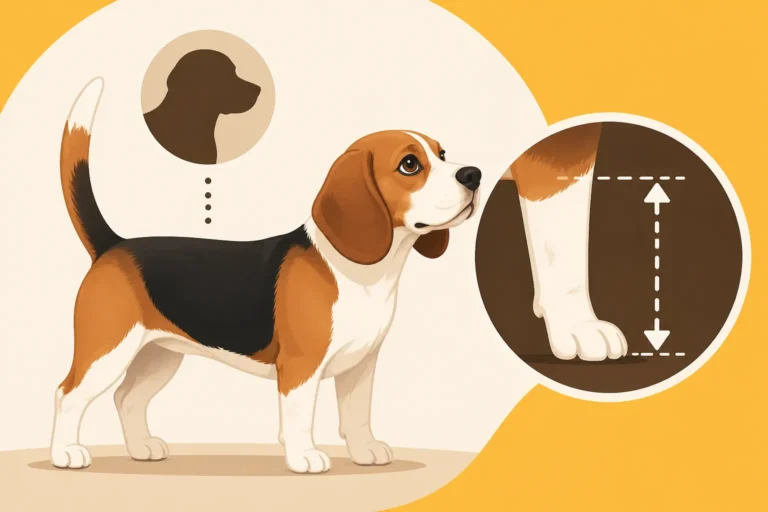
One of the most striking observations from early prints is the notable size variation. While some prints clearly show the smaller "Pocket Beagle" type, small enough to be carried in a saddlebag, others feature Beagles that appear robust and substantial, perhaps closer to a small Harrier in build. This wide range indicates that size was often dictated by the specific hunting requirements and terrain of the local area, rather than a universal standard.
For instance, Reverend Phillip Honeywood's Essex Pack, famous in its day, reportedly featured Beagles as small as ten inches. These tiny hounds, ideal for dense undergrowth and slow, methodical hunts, are often captured in delicate, detailed prints. Conversely, other prints might show slightly larger hounds, perhaps 13-15 inches, suggesting a preference for dogs that could cover ground more quickly or handle rougher terrain. The evolution of the Thirteen Inch Beagle Variety and The Fifteen Inch Beagle Variety reflects this historical variation.
The conformation, too, speaks volumes. You’ll notice powerful shoulders for pushing through brush, well-sprung ribs indicating lung capacity for sustained effort, and often a level topline that suggests agility and strength. These are traits fundamental to a working hound, reflecting generations of selection for efficiency in the hunt rather than solely for appearance. Every line, every muscle depicted, tells a story of purpose.
Color and Marking Trends
The visual prevalence of certain colors and markings in these prints is also revealing. The iconic tricolor pattern, with its distinct black saddle, white legs, chest, and tail tip, and tan points, is certainly present, affirming its long-standing presence in the breed's history. This classic look is still a hallmark today, making the connection to these older images quite strong.
However, many prints also showcase a fascinating array of bicolors, such as lemon and white, red and white, or even purely white Beagles. These less common modern colors appear with surprising frequency in historical artwork. This visual documentation supports the idea that the breed's color palette was historically much broader, and that current emphasis on specific patterns is a more recent development in formalized breeding. You can learn more about this in Beagle Colors, Markings and the Tricolor Standard.
Artists often paid close attention to these details, as distinguishing one pack from another or identifying individual hounds in a print could be important to the patron. The white tip on a Beagle's tail, for instance, a feature still prized today for its visibility in tall grass, is consistently depicted, highlighting its practical importance to hunters through the ages. These subtle details ground the breed's modern standards firmly in its working past.
Unpacking the Lifestyle: Training and Hunting Scenes
Beyond their physical appearance, sporting prints offer invaluable insights into how early Beagles lived, were trained, and performed their primary job: hunting. These scenes provide context for understanding the breed's innate drives and behaviors that continue to define them today.
Many prints vividly portray Beagles as part of a larger pack, often working in close cooperation with each other and their human handlers. This reinforces the historical understanding of Beagles as pack animals, a trait that makes them wonderful companions in family settings but also explains why some modern Beagles struggle with Beagle Separation Anxiety in a Pack Breed. The depiction of multiple hounds pursuing a scent trail together speaks volumes about their communal hunting style.
The handlers in these prints are often shown on foot, leading the pack, or sometimes on horseback, but always actively involved in the hunt. This underscores the need for keen human guidance, even for dogs bred for such an instinctive task. It also hints at the significant amount of training and management required to coordinate a pack of scent hounds, a challenge that many modern Beagle owners can still relate to when working on basic obedience or Beagle Recall and Why Your Voice Stops Registering.
The Hunt: Purpose and Technique
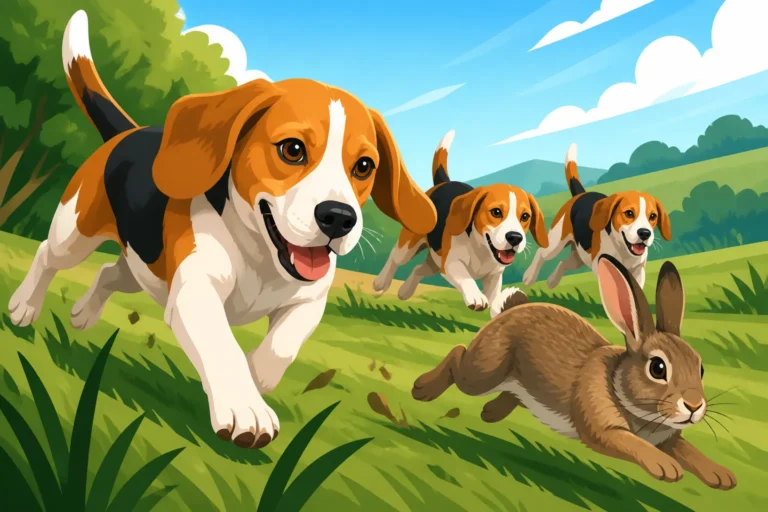
The core purpose of a Beagle, as depicted in these prints, was undoubtedly the hunt, particularly for hare and rabbit. The scenes often show Beagles with their noses to the ground, tails erect, meticulously following a scent trail through fields, woods, and over fences. This visual emphasis on their scenting ability highlights what a Beagle was truly bred to do, and why their powerful The 220 Million Receptors Behind a Beagle's Nose is such a defining characteristic.
The technique of the hunt is also apparent. Beagles were prized for their persistent, methodical trailing, rather than speed. They were "foot hounds," meaning the hunt followed on foot, at the pace of the hounds. This slower, more deliberate pursuit allowed the hunter to enjoy the chase, listening to the distinctive music of the Beagles' baying. Prints often capture this moment, with the hounds in full cry, their unique voices echoing through the landscape. This slow, steady approach is a stark contrast to faster sighthound hunts.
These prints also illustrate the environment in which Beagles worked – often challenging, natural landscapes. They show the hounds navigating rough terrain, dense undergrowth, and sometimes even water obstacles, all while maintaining their focus on the scent. This speaks to their incredible endurance and tenacity, traits that any modern Beagle owner will recognize in their dog's unwavering determination when on a promising trail, whether it's a rabbit or a discarded sandwich wrapper.
Handling and Human Interaction
The relationship between the Beagles and their human handlers, often called the "huntsman" or "whipper-in," is subtly yet clearly portrayed. The handlers are shown with whips (used for cracking to direct the dogs, not for striking) or horns, tools used to communicate with and control the pack. These interactions were vital, as a well-managed pack was efficient and productive.
These images suggest a firm but fair approach to training, where the hounds understood their roles within the pack hierarchy and in relation to their human leaders. It’s a reflection of the strong bond built through shared purpose and constant interaction in the field. This foundation of cooperation between human and hound is still paramount today, even if our "hunts" now involve finding hidden treats or acing an obedience class, and modern owners can find a huge array of training tools and aids on sites like Chewy.
Interestingly, while the prints focus on their working life, they also hint at the inherent social nature of Beagles. Many depictions show the dogs gathered closely, resting or awaiting commands, reinforcing their desire for companionship, a trait that makes them such affectionate family pets. The continuous interplay between their natural instincts and human direction is a powerful narrative woven through these historical scenes.
The Gaps in the Picture: What Prints Don't Show
While sporting prints are invaluable, it's crucial to remember their limitations. They offer a curated, often idealized, snapshot of Beagle life, and like any historical record, they don't tell the whole story. Understanding these gaps helps us form a more complete and realistic picture of early Beagles.
One significant limitation is the absence of everyday life details outside the hunt. Prints rarely show Beagles lounging by the fire, interacting with children, or even the routine care they received. Their purpose was to glorify the hunt, not to create a domestic portrait. This means we have to infer much about their temperament and home life from other sources or through educated speculation, using our modern understanding of the breed as a guide.
Furthermore, the prints often present an "ideal" scenario, which might not reflect the struggles or realities faced by many Beagles. They don't show the occasional lost hound, the injuries sustained in the field, or the less-than-perfect dogs that didn't make the cut for the hunting pack. The focus is almost exclusively on successful, well-composed scenes, leaving out the grittier aspects of a working dog's existence.
Beyond the Perfect Hunt Scene
The prints, by their very nature, emphasize the triumphs and efficiency of the hunt. We see the hounds in full cry, perfectly aligned on a trail, or gathered obediently around their master. What we don't often see are the moments of frustration, the times a scent was lost, or the sheer effort involved in maintaining a disciplined pack. The artistry smooths over the rough edges of reality.
For example, while we know Beagles were (and are) prone to following their nose to distant lands, prints rarely depict a hound that has gone astray. The focus is always on the cohesive pack. This means that issues like Beagle Escape Artistry and How to Contain It or the dangers of Why a Beagle Should Never Be Off Leash Unfenced are not typically illustrated, even though they were undoubtedly challenges for early Beagle owners just as they are for modern ones.
Similarly, the prints don't delve into the health concerns or lifespan of these dogs. We don't see an aging hound with joint pain or a puppy struggling with illness. These were working animals, and while valued, their lives were often harsh. We get the glamorous side, not the daily grind, which for a breed with potential health issues like Beagle Hip Dysplasia and Everyday Joint Wear or Beagle Back Problems and Intervertebral Disc Disease, would have been a stark reality.
The Missing Domestic Life
One of the biggest omissions in sporting prints is the domestic side of Beagle life. While they were bred to hunt, these hounds undoubtedly had moments of rest, play, and interaction within the household or kennel. How were they housed? What was their relationship with the family, if any, outside of the hunt? These questions often go unanswered by the visual record.
We can infer, based on their known pack nature and amiable disposition, that early Beagles likely enjoyed companionship, whether with other dogs or with humans. But the prints don't show them curled up by a hearth or playing with children, common scenes with our modern Beagles. This gap reminds us that the primary identity of the Beagle, as captured by these prints, was that of a working hunter, with other aspects of their lives being secondary or simply not deemed worthy of artistic representation.
Today, many Beagle owners value their dogs as family members first, with their hunting instincts perhaps channeled into activities like scent work or long, sniffy walks. The modern view of a Beagle embraces both its heritage and its role as a beloved companion. When you're browsing for a comfy bed or stimulating puzzle toys for your Beagle on Chewy, you're embracing a domestic role that those old prints rarely acknowledged. These images highlight how much the role of dogs in our lives has evolved, even as their fundamental nature remains.
Here's a quick comparison of what old prints emphasized versus what modern Beagle ownership often highlights:
| Feature/Aspect | Focus in Old Sporting Prints | Focus in Modern Beagle Ownership |
|---|---|---|
| Primary Role | Rabbit/hare hunting, pack work | Family companion, pet, sometimes scent work |
| Appearance | Functional traits for hunting, variable size/color | Breed standard, specific size/conformation, health |
| Behavior | Scenting, baying, pack cohesion, tenacity | Affectionate, mischievous, food-driven, vocal |
| Training | Field commands, pack control, obedience for the hunt | Recall, house manners, leash training, enrichment |
| Living Environment | Kennels, fields, hunting grounds | Homes, yards (fenced!), dog beds, indoor spaces |
| Health Concerns | Not typically depicted | Preventative care, genetic testing, common ailments |
Connecting the Past to the Present
Looking at these old sporting prints isn't just a trip down memory lane; it's an opportunity to deeply appreciate the Beagle you share your life with today. The same powerful nose, the merry disposition, the undeniable vocalizations – these are echoes of their ancestors captured in oil and ink. Understanding their history helps us better appreciate their instincts and manage their behaviors.
For instance, the tireless pursuit of scent evident in every historical hunt scene explains why your Beagle pulls so hard on the leash or becomes deaf to your calls when a particularly interesting smell crosses their path. It’s not stubbornness; it’s centuries of selective breeding kicking in. Knowing this can help you be more patient and proactive in your training, perhaps using a Front-Clip Harnesses for a Beagle That Pulls Toward Scent or dedicating time to Sniffing Walks and Why They Tire a Beagle Out.
These prints remind us that the Beagle is a breed of deep heritage, a testament to its enduring qualities as a working companion. While their role has largely shifted from the fields to our living rooms, the essence of the Beagle – its drive, its voice, its affectionate nature – remains as vibrant as ever. They are living history, a direct link to the hounds of those beautifully rendered sporting prints, and we are fortunate to share our lives with them.
Disclaimer
This article is for general informational purposes only and does not constitute professional advice. Laws, prices and regulations vary by location and change over time. Consult a qualified professional for guidance on your specific situation.