When the First Beagles Reached America
The exact moment a Beagle first set paw on American soil isn't etched in a single, perfectly preserved historical document, and that can be a bit frustrating for us history buffs and Beagle lovers! It's not like they arrived with a manifest and a clear breed designation as we know it today. Instead, their journey to the Americas was a gradual evolution, intertwined with the broader history of hunting hounds and colonial expansion. This guide will walk you through the fascinating, albeit sometimes fuzzy, timeline of how these beloved scent hounds made their way across the Atlantic and carved out their enduring place in American homes and hearts.
The Ancestral Hounds: Long Before the Modern Beagle
Before we talk about "Beagles" specifically arriving, it's crucial to understand that the breed as we know it now is a relatively modern creation, solidifying in form and function in England around the 19th century. However, small scent hounds, the ancestors of our modern Beagles, have been around for centuries, accompanying humans on hunts across Europe. These weren't necessarily called "Beagles" but shared many characteristics: a keen nose, a determined tracking ability, and a vocal nature.
Early European Hound Exports to the New World
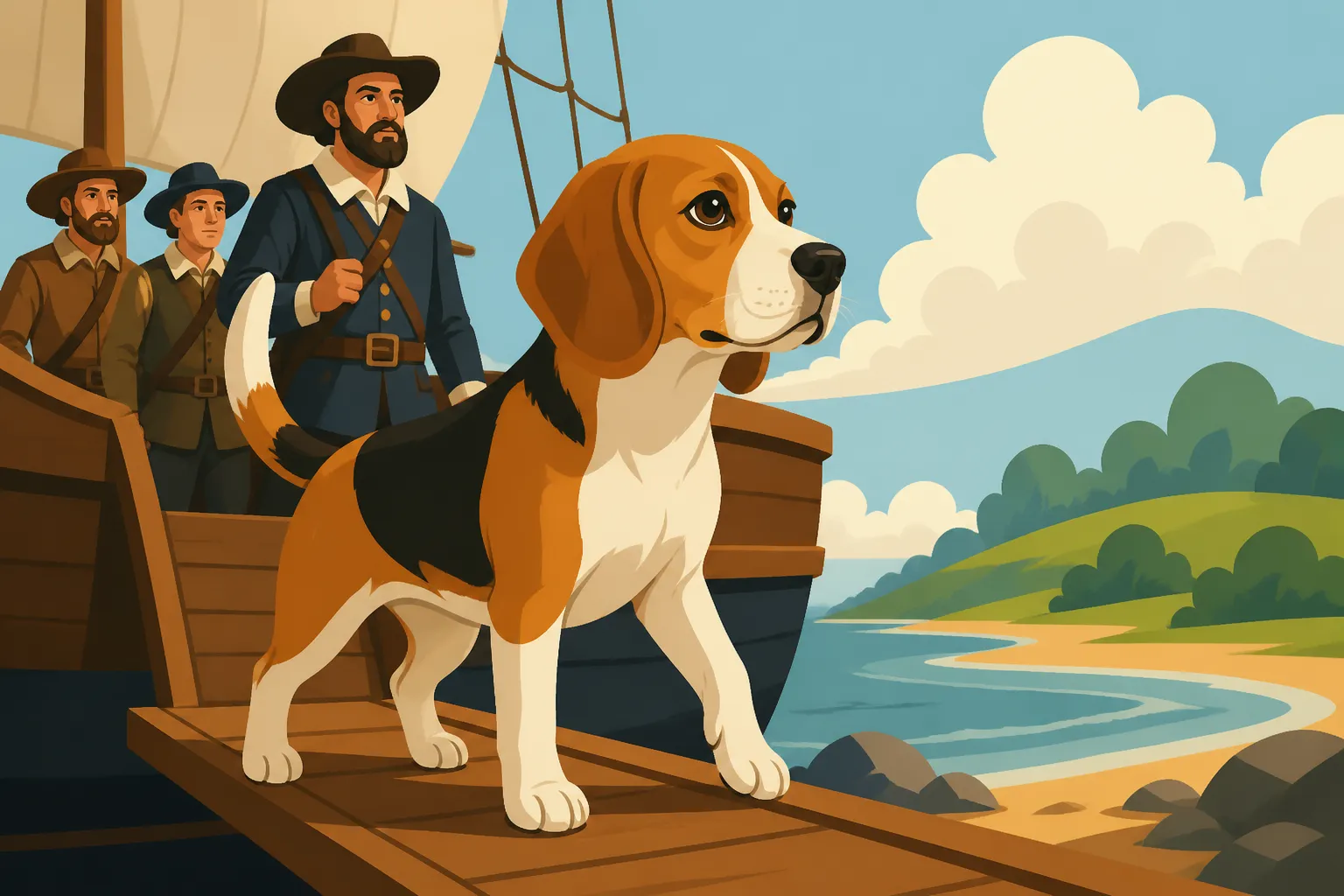
When European settlers began making their way to the Americas, they didn't just bring themselves and their worldly possessions; they brought their working animals too. Dogs, especially versatile hunting hounds, were invaluable for survival in a new land. They helped put food on the table, protected livestock, and served as companions. It's highly probable that some of these early European exports included small to medium-sized hounds that were direct antecedents of the Beagle. Imagine a settler bringing a sturdy little dog from England or France, one adept at flushing small game like rabbits or hares, essential for sustenance in the nascent colonies. These dogs would have been part of a broader category of "hunting hounds" rather than a specific, named breed with a closed studbook. We're talking about dogs whose purpose was clear, even if their pedigree wasn't formally recorded.
Descriptions of "Beagle-Like" Dogs in Colonial Records
While names like "Talbot Hound" or "Southern Hound" are more common in very old English texts, the descriptions of small, tenacious hounds that were "good at rabbiting" or "giving tongue" (baying) would fit the general profile of what would eventually become the Beagle. Colonial records, diaries, and early sporting accounts occasionally mention dogs used for hunting that, by their description, sound remarkably like our Beagles. These were not the sleek, fast foxhounds, but rather dogs built for endurance and scent work, often working in packs to drive game. It's safe to say that the spirit and function of the Beagle were present in the New World long before the formal breed arrived. You can read more about this history in Beagle-Type Hounds Across Twenty-Five Centuries.
The First Documented Arrivals of "Beagles"
Pinpointing the absolute first Beagle by name to arrive in America is challenging because breed standards and kennel club registrations didn't exist until much later. However, we do have records that give us a much clearer picture of when dogs specifically identified as "Beagles" began to make their mark.
From England to the Colonies: The 17th and 18th Centuries
The earliest verifiable references to dogs explicitly called "Beagles" in America date back to the 17th and 18th centuries. English settlers, particularly those who enjoyed hunting, would have imported these dogs to continue their traditions in the New World. It's believed that a General Richard Rowett of Maryland brought Beagles over from England around 1642. While the lineage and exact characteristics of these dogs might not perfectly match the modern show Beagle, they were known by the name and prized for their rabbit-hunting prowess. These weren't pets in the modern sense; they were working animals, integral to the hunting culture of the time. They were part of a continuum of small hounds that adapted to the American landscape.
George Washington's Hounds and the French Connection
An interesting historical footnote involves George Washington, an avid foxhunter. While he is more famously associated with large French hounds (like the French Staghound, which he crossed with his English Foxhounds), his extensive kennels certainly would have contained a variety of hunting dogs, some of which could have been small Beagle-types or their immediate ancestors. Washington was very deliberate in his breeding efforts to create the ideal American hunting hound. Though not a direct Beagle story, it illustrates the active importation and breeding of hounds for specific purposes during the formative years of the United States. His focus was primarily on scenting ability and endurance, traits that are quintessential to the Beagle.
The 19th Century: Establishment and Recognition
The 19th century was a pivotal period for the Beagle in America, as the breed began to solidify its identity and gain formal recognition, moving beyond just "a small hunting dog."
Post-Civil War Imports and the Rise of Formal Breeding
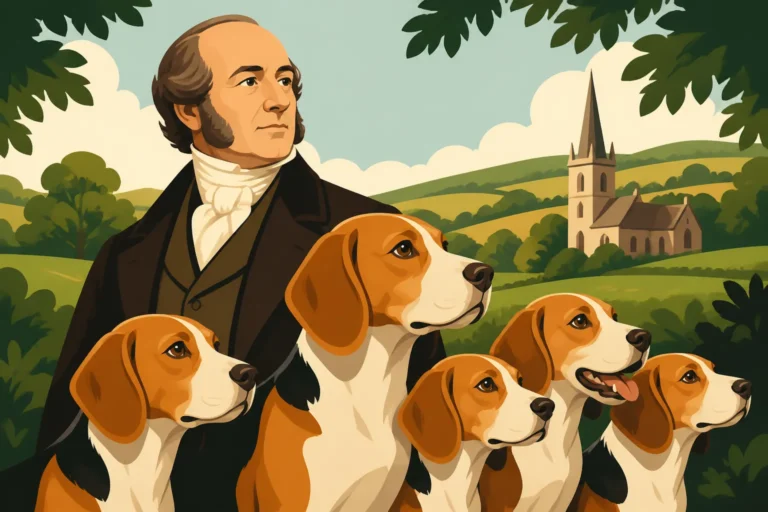
The true influx of Beagles, specifically bred to the emerging English standards, didn't really take off until after the American Civil War, primarily in the 1870s. American hunters and dog enthusiasts realized the value of these compact, determined hounds for rabbit hunting. They sought out well-bred specimens from established English kennels. Breeders like General C.K. Miller of New York and Dr. A.C. Heffenger of New Hampshire were instrumental in importing high-quality Beagles that formed the foundation stock for the American breed. These were dogs carefully selected for their hunting ability, conformation, and temperament, much like breeders do today. If you're looking for a dog that truly embodies the spirit of its ancestors, remember the careful selection that went into those early imports. Even today, responsible breeders prioritize health and temperament, making resources like Beagle Health Testing Under CHIC vital for new owners.
The National Beagle Club and AKC Recognition
A major step in the establishment of the Beagle in America was the founding of the National Beagle Club in 1887. This organization, crucial for setting breed standards and promoting responsible breeding, played a massive role in standardizing the Beagle type across the country. Shortly after, in 1888, the American Kennel Club (AKC) officially recognized the Beagle as a distinct breed. This meant Beagles could be registered, shown in conformation, and have their pedigrees formally tracked. This period marked the transition from informal "beagle-type" hounds to the universally recognized and beloved breed we know today. This official recognition helped solidify the breed's characteristics, ensuring that Beagles maintained their merry disposition and keen scenting abilities. You can delve deeper into the historical formation with The National Beagle Club Founded in 1887.
The Two Varieties: A New American Standard
As the breed gained popularity, the American Kennel Club recognized two varieties of Beagles based on height: the 13-inch and the 15-inch. This distinction was formalized to accommodate the slight size differences present in the imported stock and to cater to different hunting preferences. Some hunters preferred the smaller dogs for tighter brush, while others found the slightly larger ones more suitable for different terrain. These varieties helped American breeders refine their lines and further establish the Beagle's place in the country's sporting and show dog communities. The decision to define these two varieties reflects the pragmatic approach Americans often took in developing breeds for specific functional roles.
Here’s a simplified timeline of the Beagle's journey to America:
| Era | Key Developments | Significance |
|---|---|---|
| 17th-18th Century | Initial imports of small European hunting hounds by settlers. Possible mention of "Beagles" in colonial records. | Introduction of Beagle-like dogs for hunting and sustenance. |
| Early 19th Century | Continued informal presence; some larger hound types like those of George Washington. | Hounds valued for utility, but specific breed not yet dominant. |
| Post-Civil War (1870s) | Significant imports of "Beagles" from England, establishing formal breeding lines. | Foundation of the modern American Beagle population. |
| 1887 | Founding of the National Beagle Club. | Centralized effort to standardize the breed in the U.S. |
| 1888 | American Kennel Club (AKC) officially recognizes the Beagle. | Formal breed recognition, registration, and show participation begin. |
| Early 20th Century | Establishment of 13-inch and 15-inch varieties in the AKC standard. | Refinement of breed characteristics and broader appeal to hunters and families. |
The American Beagle: Shaped by a New Land
Once Beagles were firmly established in America, they truly began to evolve, influenced by the unique hunting needs and cultural preferences of their new home. American hunters, often operating in different terrain and with different game than their English counterparts, continued to breed Beagles for specific traits.
Rabbit Hunters and Field Trials
In America, the Beagle became the quintessential rabbit hound. Its small size, incredible nose, and persistent voice made it perfectly suited for tracking rabbits through dense undergrowth. Unlike some European hunts that might have involved mounted riders, American rabbit hunting was often done on foot, making a slower, more deliberate hound ideal. This focus on rabbit hunting further solidified the Beagle's reputation as a tireless scenting machine. Field trials, where Beagles were judged on their ability to track and drive game, became incredibly popular, further shaping the breed towards its working abilities. You can learn more about their original purpose in What a Beagle Was Originally Bred to Hunt.
From Hunter's Companion to Family Pet
While their hunting prowess was undeniable, the Beagle's merry temperament, compact size, and affectionate nature also endeared them to families. Slowly but surely, they transitioned from being solely working dogs to becoming cherished household companions. Of course, bringing a Beagle into your home, whether for hunting or companionship, comes with its own set of responsibilities. Modern owners often find themselves stocking up on essentials, from specialized foods for their keen appetites to durable toys for their energetic personalities. Many turn to convenient online retailers like Chewy to ensure their Beagles have everything they need, a stark contrast to the limited supplies available to those early American Beagle owners! A new puppy or even an older rescue will need a lot of gear to start, and knowing that you can get sturdy crates, comfy beds, and a wide array of high-quality food from places like Chewy makes welcoming a Beagle so much easier.
Enduring Popularity
The Beagle's journey to America is a testament to its adaptability and charm. From humble beginnings as unnamed European hounds brought by early settlers, to their formal recognition and the establishment of distinct American varieties, Beagles have truly made their mark. Their consistent popularity in the United States, often ranking among the top ten most popular breeds, speaks volumes about their enduring appeal as both capable working dogs and wonderful family pets. Whether sniffing out contraband for The USDA Beagle Brigade at the Airport or curled up on the couch, the American Beagle carries a rich history within its distinctive bay.
Of course, once you bring your Beagle home, you'll want to ensure they thrive. Modern conveniences mean you have access to a wealth of information and products. For instance, keeping those long, floppy ears clean is a constant task, and you can easily find quality ear cleaners and solutions. Beagle Ear Cleaning as a Weekly Job is a crucial part of their care. Similarly, their boundless energy demands regular outlets, and understanding Beagle Exercise Needs at Every Age is key to a happy and well-adjusted hound. And let's not forget their infamous appetites; stocking up on appropriate, measured meals is vital, and services like Chewy make sure you never run out!
The path of the Beagle to America is a beautiful narrative of adaptation, purpose, and ultimately, companionship. It’s a story rooted deeply in the history of the country itself, reflecting the needs and desires of the people who shaped its destiny.
Disclaimer
This article is for general informational purposes only and does not constitute professional advice. Laws, prices and regulations vary by location and change over time. Consult a qualified professional for guidance on your specific situation.