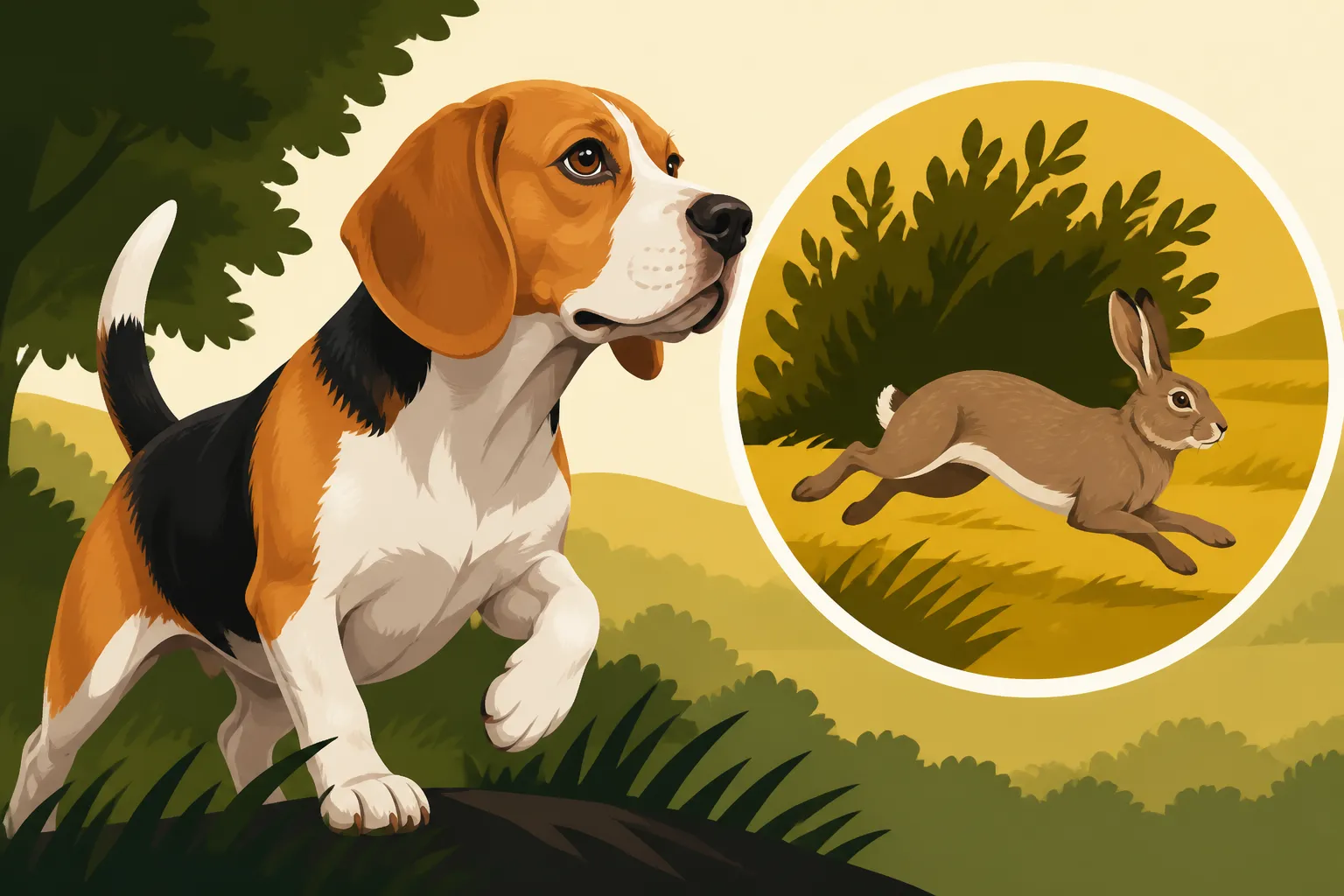
What a Beagle Was Originally Bred to Hunt
It’s easy to look at our modern Beagles, curled up on the couch or intently sniffing out dropped crumbs, and forget that they carry centuries of deeply ingrained hunting instincts. If you've ever wondered why your Beagle has such an incredible nose, bays at the moon, or disappears the second a rabbit crosses its path, it's because these traits were painstakingly bred into them for a very specific purpose. This guide dives deep into the historical role of the Beagle, explaining what they were originally bred to hunt and how those ancient jobs still influence their behavior today.
The Historical Purpose Behind the Beagle's Creation
Long before Beagles became beloved family pets, or even before they gained widespread recognition in America, they were working dogs in the truest sense. Their entire existence revolved around a specific type of hunting, one that shaped their size, their incredible sense of smell, and their distinctive vocalizations. To understand a Beagle today, you really have to go back to its roots in the European countryside.
From Ancient Hounds to the English Countryside
The lineage of the Beagle stretches back much further than many might imagine, with small scenthounds accompanying hunters for centuries. While the exact origins are a bit murky, hounds resembling Beagles have been documented in various forms across Europe for over a thousand years. We’re talking about a time when hunting wasn't just a sport for the aristocracy; it was often a practical way to manage wildlife and supplement the larder. These early hounds were generalists, but over time, specific needs led to specific breeds.
In medieval England, small "Beagle-type" hounds were already present. They weren't quite the uniform breed we recognize now, but they shared the core characteristics: a strong nose, good stamina, and a manageable size. Different regions developed their own variations, each suited to the local terrain and the preferred quarry. The evolution of these dogs wasn't random; it was driven by the practical demands of the hunt. You might be interested to know How Long Beagle-Type Hounds Have Existed to put it into perspective.
The Rise of Foot-Hunting for Hares
The specific niche that the Beagle truly carved out for itself was foot-hunting for hares. Unlike the grand, galloping fox hunts favored by the mounted gentry, hare hunting on foot ("beagling") was accessible to a wider swath of the population. It was a slower, more deliberate pursuit, allowing hunters to follow the pack on foot, enjoying the chase and the beautiful music of the hounds. This wasn't about speed or bringing down large game; it was about intricate scent work and endurance.
Imagine a group of people, often from farming communities or local villages, gathering early in the morning, their small pack of hounds eagerly sniffing the dew-laden fields. The hounds would pick up the scent of a hare, and the chase would begin. The hunters would listen to the belling of the dogs, which served as a constant report on the progress of the hunt, knowing exactly where the hare and the pack were. This communal, often leisurely, sport became incredibly popular, and the dogs bred for it needed to excel at specific tasks. They had to be able to work as a cohesive unit, meticulously follow a cold scent, and have the stamina to keep going for hours without tiring out their human companions. This is a crucial aspect of Beagle Packs and How a Hunt Was Run.
The Primary Quarry: Hares and Rabbits
When we talk about what Beagles were originally bred to hunt, two specific animals come to mind: hares and, to a lesser extent, rabbits. These seemingly similar creatures present different challenges, and the Beagle's physical and mental makeup made them perfectly suited for both.
The Difference Between Hares and Rabbits in Hunting
While often confused, hares and rabbits present distinct hunting scenarios. Hares are generally larger, faster, and live above ground in "forms" (shallow depressions) rather than burrows. When pursued, a hare will use its incredible speed and agility to try and outrun its predators in wide, open spaces. This means a hound hunting a hare needs remarkable stamina and the ability to stick to a complex, winding scent trail that might cover significant distances. The Beagle, with its unrelenting focus and endurance, was perfectly equipped for this marathon-like chase.
Rabbits, on the other hand, are smaller and typically live in underground burrows. When a rabbit is flushed, its primary instinct is to bolt for the nearest cover or dive into its warren. Hunting rabbits involves more flushing and less of a long chase. A Beagle’s size and agility allowed them to navigate dense undergrowth and push rabbits out into the open, where they could be caught. However, their true prowess shone in the longer, more challenging pursuit of the hare. It’s important to understand Why Hare Hunting Needed a Small Hound to appreciate the Beagle's design.
Why a Smaller Hound Was Perfect for the Job
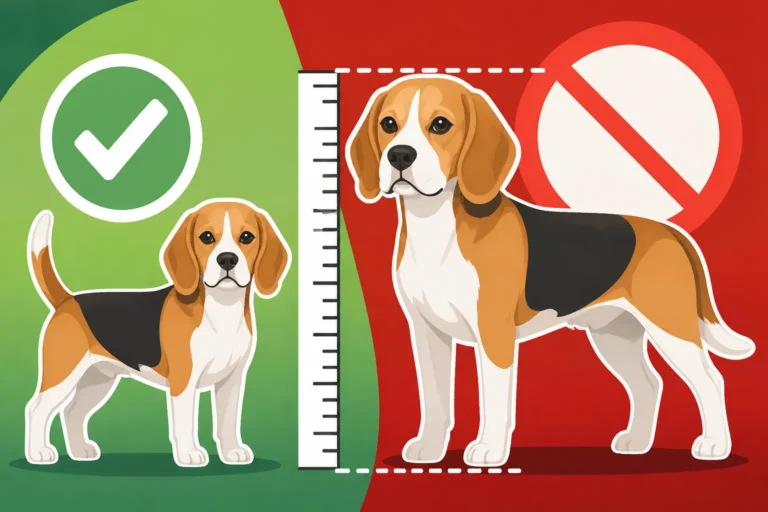
The Beagle's compact size was not an accident; it was a deliberate choice for this type of hunting. A dog that stood too tall would struggle in thick brambles and dense cover, making it difficult to follow a scent trail close to the ground. Their relatively short legs, combined with a muscular, sturdy build, allowed them to weave through undergrowth where larger hounds might get bogged down.
But beyond navigating terrain, their size also made them ideal companions for hunters on foot. A smaller hound required less feed, was easier to manage in a pack, and didn't cover ground so quickly that the human hunters were left hopelessly behind. This meant the pursuit could be enjoyed by all, without the need for horses. Their manageable size also meant they were less likely to injure the quarry, which was often intended for the pot rather than simply for sport. This balance of agility, stamina, and manageable size solidified the Beagle's role as the quintessential hare hound.
How Beagle Traits Were Shaped by Their Hunting Role
Every single characteristic we love (and sometimes, are frustrated by!) in a Beagle today can be traced back to its original purpose as a hunting dog. Their powerful nose, their distinctive bay, and their tenacious spirit were all essential tools for success in the field.
The Unmatched Scenting Ability of a Beagle
If you live with a Beagle, you already know about "the nose." It's legendary, almost supernatural. Beagles possess an olfactory system that is truly astounding, reportedly boasting around 220 million scent receptors. To put that in perspective, humans have about 5 million. This incredible biological advantage means they don't just smell a scent; they can differentiate between countless odors, picking out a specific one even amidst a cacophony of other smells. Imagine being able to smell the difference between a rabbit that passed by five minutes ago and one that was there yesterday, even with other animals, plants, and human scents all mixed in. That's a Beagle's world.
This superior scenting ability was the cornerstone of their hunting success. A hare might have doubled back, crossed streams, or run through thickets to throw off its pursuers, but a well-bred Beagle pack would methodically unravel the trail. They would keep their noses to the ground, meticulously working out the puzzle of the scent, never giving up. This is why What a Beagle Nose Beats Ours Ten Thousand Times Over is no exaggeration, and it’s why those sniffing walks are so vital for their mental well-being even now.
The Iconic Bay: Communication on the Trail
The Beagle's bay is perhaps its most famous, or infamous, vocalization. It’s that deep, resonant, almost musical cry that can carry for surprising distances. While it might sometimes be a nuisance in a quiet neighborhood, in the context of the hunt, it was absolutely essential. Picture a pack of Beagles disappearing into a dense thicket, chasing a winding scent. The hunters, following on foot, wouldn't be able to see their dogs. How would they know the dogs were still on the trail? How would they know if the quarry was still being pursued?
The bay was the answer. Each dog's bay might have been slightly different, but collectively, it formed a chorus that told the hunters everything they needed to know. It communicated when a scent had been picked up, when the trail was hot, when the hare had turned, and when the pack was closing in. It was a communication system, a morale booster, and an unmistakable signal of the hunt's progress. Without this audible tracking, foot-hunting would have been nearly impossible. This innate desire to vocalize when on a scent is Why Hunting Beagles Were Bred to Bay at All and why you can't truly train it out of them. It's woven into their very DNA.
Stamina, Determination, and Pack Mentality
Hunting hares meant long hours of continuous effort. Hares are fast and cunning, capable of leading a chase for miles. Therefore, Beagles needed immense stamina and an unshakeable determination to stick with the scent until the job was done. They weren't sprinters; they were long-distance runners with an incredible work ethic, driven by their noses.
Equally important was their pack mentality. Beagles were rarely, if ever, hunted individually. They worked as a cohesive unit, relying on each other to pick up lost scents, push through difficult terrain, and maintain the pressure on the quarry. This pack structure meant they learned to cooperate, to follow a leader (both canine and human), and to rely on the collective effort. This innate desire for companionship and their tendency to stick together in groups is still evident in their temperament today. Many Beagles thrive with other dogs, and they often become deeply attached to their human "pack."
| Trait | Original Hunting Purpose | Modern Beagle Behavior (Common) |
|---|---|---|
| Scenting Ability | Meticulously track hares over long distances. | Nose to the ground on walks, counter surfing, trash raiding. |
| Bay/Howl | Communicate progress of hunt to human followers. | Vocalizing when lonely, bored, or on a scent. |
| Stamina/Endurance | Chase quarry for hours without tiring. | Needs significant daily exercise to be settled. |
| Determination | Unrelenting focus on a scent trail. | Stubbornness when following a scent or pursuing food. |
| Pack Mentality | Work cooperatively with other hounds. | Enjoys other dogs, strong bond with human family, prone to separation anxiety. |
| Size | Navigate dense undergrowth, manageable for foot hunters. | Fits well in many homes, but still sturdy and active. |
Modern Echoes of a Hunting Past
Even though most Beagles today live far removed from the fields and forests where their ancestors toiled, their ancient programming remains incredibly strong. Understanding this heritage is key to living happily with a modern Beagle.
The Enduring Instincts in Today's Pet Beagles
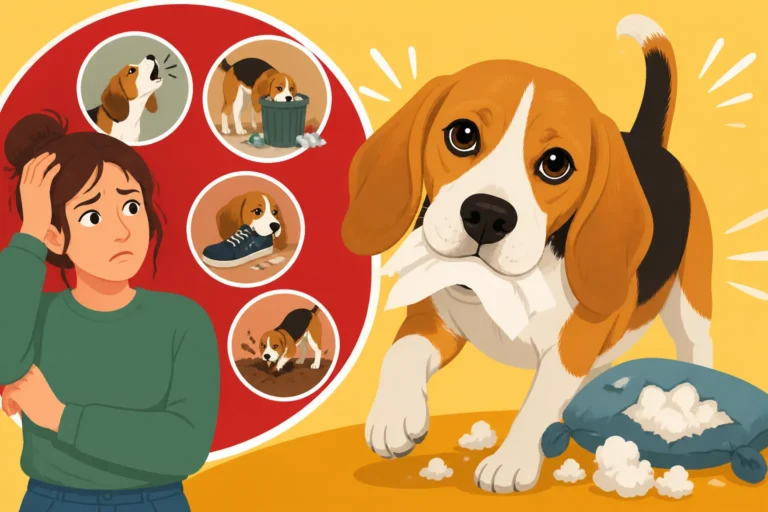
That incredible nose, that persistent bay, that uncanny ability to escape a "secure" yard – these aren't quirks; they are direct manifestations of the Beagle's original breeding. Your pet Beagle might not be chasing a hare, but their nose is still searching for something interesting. This could be a stray crumb under the table, a fascinating smell emanating from the trash can, or the scent of a squirrel that ran through the yard hours ago. This intense focus on scent explains why A Beagle That Vomits After Eating Something Outside is a common concern – their noses lead them to all sorts of questionable "treasures."
The bay that once signaled a hot trail now often serves as a form of communication or an expression of boredom or anxiety. A Beagle left alone too long might bay because their "pack" has left them. A high-pitched howl might be a response to a siren, echoing their ancestors' calls across the fields. And their determination, so crucial for a long hunt, can translate into stubbornness when they've locked onto a scent or decided they really, really want that last piece of toast. It also explains Why a Beagle Should Never Be Off Leash Unfenced; that nose will always win out over your voice.
Scent Work and Field Trials: Preserving the Heritage
For modern Beagle owners, understanding this rich history isn't just an interesting tidbit; it's a blueprint for providing a fulfilling life for their dog. Instead of fighting these innate drives, we can channel them into appropriate, enjoyable activities.
Scent work, often called Nose Work or K9 Nose Work, has become hugely popular for Beagles. These activities allow Beagles to use their incredible noses to find hidden target scents, mimicking the thrill of the hunt without chasing live animals. It's incredibly enriching, mentally tiring, and a fantastic way to bond with your dog. You'll see their eyes light up as they puzzle out a scent trail, just as their ancestors did. This is truly Scent Work as the Job a Beagle Was Built For.
For those who want to honor the hunting heritage more directly, field trials and rabbit hunting (often with non-lethal methods or in controlled environments) are still practiced. These events allow Beagles to perform the tasks they were bred for, showcasing their natural abilities in a competitive or traditional setting. Many organizations host events where Beagles can run in packs, follow scent trails, and use their voices to announce their progress. It's a powerful way to connect with the breed's history and see them truly thrive in their element. Whether it's formal competition or simply letting them enjoy a long, meandering "sniffari" walk, providing outlets for their powerful olfactory drive is one of the best things you can do for your Beagle. You can learn more about getting them involved in Getting a Beagle Started in Nose Work Classes.
Disclaimer
This article is for general informational purposes only and does not constitute professional advice. Laws, prices and regulations vary by location and change over time. Consult a qualified professional for guidance on your specific situation.