Where the Beagle Ranks Inside the Hound Group
It’s a common question among dog lovers, especially those new to the wonderful world of hounds: where does the beloved Beagle actually fit in? You might see them at dog shows or curled up on a neighbor's couch, looking innocent, but beneath that friendly exterior lies a heritage steeped in centuries of specialized work. This guide will explore the fascinating world of the Hound Group and pinpoint exactly where our charming, nose-driven Beagle stands among its diverse relatives.
Understanding the AKC Hound Group: A Broad Overview
The American Kennel Club (AKC) organizes purebred dogs into seven distinct groups, each reflecting shared characteristics, origins, and primary functions. The Hound Group is one of the most ancient and diverse, a collection of breeds primarily developed for hunting, either by tracking game by scent or by sight. It's a group filled with dogs possessing incredible stamina, keen senses, and often, a powerful independent streak. Owning a hound means understanding these deep-seated instincts, which can be both captivating and, let's be honest, a bit challenging at times.
What Defines a Hound? Scent vs. Sight
When we talk about hounds, we're really talking about two very different types of hunters. On one side, you have the sighthounds – elegant, athletic breeds like the Greyhound, Afghan Hound, and Saluki. These dogs are built for speed, with long legs, deep chests, and exceptional eyesight, allowing them to spot and chase down prey across open plains. Their hunting style is all about the chase, a burst of incredible speed once they visually lock onto something moving.
Then there are the scenthounds, where our Beagle firmly belongs. These dogs are the ground-level detectives of the canine world. They possess an olfactory system so sensitive it's almost beyond human comprehension, designed to follow a scent trail relentlessly, often for miles, regardless of what they can see. Breeds like the Basset Hound, Bloodhound, and, of course, the Beagle, fall into this category. Their strength isn't in their speed over a short distance, but in their endurance and their unwavering focus on a particular smell. This fundamental difference in how they hunt dictates much of their physical build, their temperament, and even their vocalizations.
The Diverse History of Hounds
The history of hounds stretches back thousands of years, with various types of hunting dogs appearing in ancient art and literature from around the globe. Many of these breeds were developed by nobility and commoners alike for the practical purpose of putting food on the table or controlling pest populations. Some were bred for power and tenacity to track large game, while others, like the Beagle, were refined to pursue smaller, faster prey such as rabbits and hare. This rich history means that each hound breed carries a unique legacy, adapted over centuries to specific terrains, climates, and hunting traditions.
Consider the Bloodhound, for instance, renowned for its incredible trailing ability and often used in search and rescue today. Its history is tied to tracking humans and large game, leading to its distinctive saggy skin and long ears, which help funnel scent. In contrast, the Beagle's history is rooted in English rabbit packs, where a smaller, more agile dog was needed to navigate brush and dense cover while still vocalizing the hunt for foot followers. Understanding this heritage really helps us appreciate the instincts we see in our modern Beagles, from their incessant sniffing to their characteristic bay. The development of different hound breeds showcases a remarkable example of selective breeding for highly specialized tasks, long before modern genetics were understood.
The Beagle's Place Within the Scent Hound Category
Within the vast and varied Hound Group, the Beagle is firmly positioned as a premier scenthound. While all dogs have a good sense of smell, scenthounds take it to an entirely different level, and Beagles are masters of their craft. This isn't just a casual hobby for them; it's their entire world. When a Beagle's nose hits the ground, the rest of the world, including its human, often fades into the background.
The Beagle's Specialized Scenting Abilities
Let's talk about that nose. A Beagle's olfactory system is truly a marvel of nature. They are equipped with around 220 million scent receptors, compared to our mere 5 million. This isn't just about quantity; it's about quality and processing power. Their large, moist nostrils are designed to capture scent particles, and those wonderfully long, droopy ears actually help sweep scents upwards towards their nose, preventing air currents from disturbing the trail. When a Beagle is on a scent, its brain is processing an incredibly complex tapestry of odors, distinguishing individual scents within a cacophony of smells.
This extraordinary ability means a Beagle can follow a cold trail hours after the quarry has passed, navigating through dense woods, across fields, and even over concrete, all while holding a continuous "conversation" with its pack (or human) through its distinctive bay. This specialization is precisely why they've been so effective in roles like the USDA Beagle Brigade, sniffing out prohibited agricultural items at airports, or even in detecting bed bugs. It's not just a cute trick; it's a fundamental part of their being that drives much of their behavior and personality. Understanding this makes it easier to appreciate Why a Beagle Walks With Its Nose to the Ground so often.
Why a Beagle Trails, Not Air-Scent
While some scenthounds, like certain pointers or retrievers, might "air-scent" – lifting their heads to catch scent particles carried on the wind – Beagles are primarily ground-trailers. Their hunting strategy is to keep their nose firmly to the earth, methodically tracing every step of a particular animal's path. This difference is crucial in understanding their exercise and training needs. A Beagle isn't typically going to run ahead, head high, trying to catch a whiff of prey from afar. Instead, it will methodically work the ground, unraveling the story left by scent molecules.
This ground-trailing instinct is hardwired. It means that even a well-trained Beagle can become completely engrossed in a scent trail, effectively becoming deaf to your calls. This is why Why a Beagle Should Never Be Off Leash Unfenced is such a common piece of advice from experienced owners. Their focus on the ground, combined with their strong prey drive, means that once a compelling scent is found, everything else becomes secondary. This dedication to the trail is what makes them such superb hunting companions for small game, but it also means owners need to be extra vigilant and creative in managing their environment and training.
Comparing Beagles to Other Scent Hounds
To truly appreciate the Beagle's unique attributes, it's helpful to compare them to other notable scenthounds.
- Basset Hound: The Basset, with its even longer ears and lower stature, is also a ground-trailer. However, Bassets are typically slower and more deliberate, with a more mournful bay. Their short legs mean they can't cover ground as quickly as a Beagle, but their scenting ability is equally, if not more, formidable.
- Bloodhound: The Bloodhound is the undisputed king of scent, possessing the most powerful nose in the canine world. They are much larger and heavier than Beagles, with an almost incredible ability to follow ancient trails. While Beagles are energetic and agile, Bloodhounds are more imposing and single-minded in their pursuit, often used for tracking lost people.
- Foxhound (American and English): These breeds are larger, faster, and possess an even more robust bay than Beagles. They were bred to hunt foxes, often alongside horses, requiring greater stamina and speed over open country. While they share the scenthound instinct, their scale and prey mean a different hunting style.
- Dachshund: Though often grouped with terriers due to their feisty nature, Dachshunds are also scenthounds, bred to track badgers into their dens. Their long, low bodies are perfect for this task, but their hunting style is different from the open-field pursuit of a Beagle.
This comparison highlights that while all scenthounds share a fundamental drive, the Beagle occupies a sweet spot: small enough to be a popular companion, but with an intense enough scent drive to be a capable hunter. They offer a unique blend of manageable size and serious working ability, making them a distinctive presence in the scenthound world.
| Breed | Primary Hunting Style | Scenting Ability | Size (Weight) | Vocalization | Key Trait |
|---|---|---|---|---|---|
| Beagle | Ground-trailing | Excellent | Small-Medium | Bay, howls | Energetic, merry, persistent |
| Bloodhound | Ground-trailing | Unparalleled | Large | Deep bay | Deliberate, single-minded |
| Basset Hound | Ground-trailing | Excellent | Medium | Deep, mournful bay | Calm, low to the ground |
| Foxhound | Ground-trailing | Very Good | Large | Loud bay | High stamina, powerful |
| Dachshund | Ground-trailing/Den | Good | Small | Bark, howl | Tenacious, bold |
| Greyhound | Sight-hunting | Moderate | Large | Quiet | Speed, independent |
Key Characteristics That Distinguish a Beagle
Beyond their incredible noses, Beagles possess a suite of characteristics that make them instantly recognizable and deeply loved by their enthusiasts. These traits are not accidental; they are the result of centuries of selective breeding for a specific purpose. From their physical appearance to their innate behaviors, every aspect of a Beagle speaks to its heritage as a merry little hound.
Size, Build, and That Iconic Bay
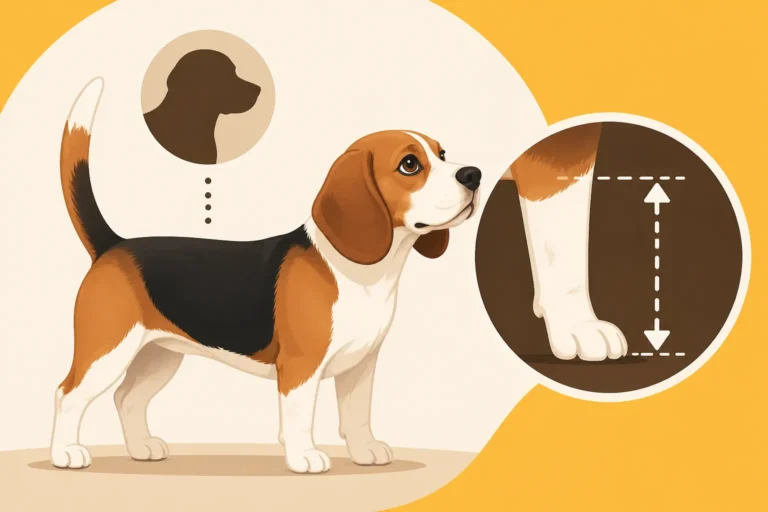
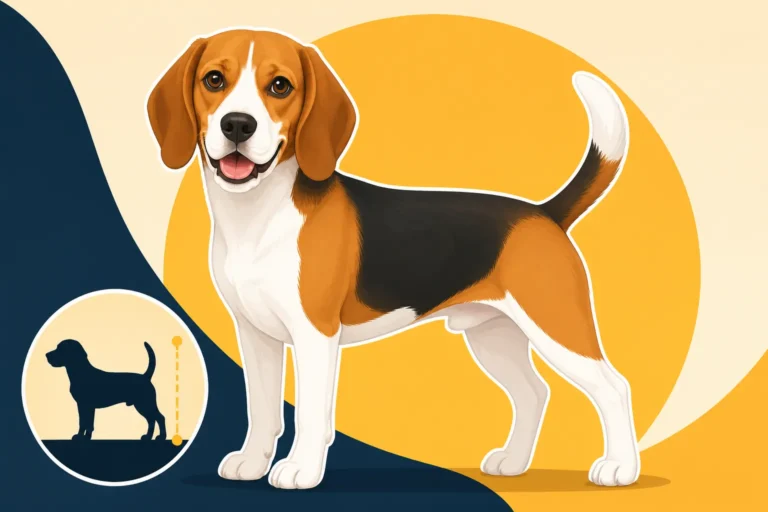
Beagles typically come in two size varieties recognized by the AKC: the 13-inch and 15-inch. This refers to their height at the shoulder, with the 13-inch variety weighing up to 20 pounds, and the 15-inch variety usually between 20-30 pounds. Their compact, muscular build is perfect for navigating dense underbrush while maintaining stamina for long hours of trailing. They have a short, dense, weather-resistant double coat that requires minimal grooming but sheds consistently. For keeping your home clean, especially during shedding seasons, products you might find on Chewy or other pet supply retailers can be very helpful for managing that fine, dense hair.
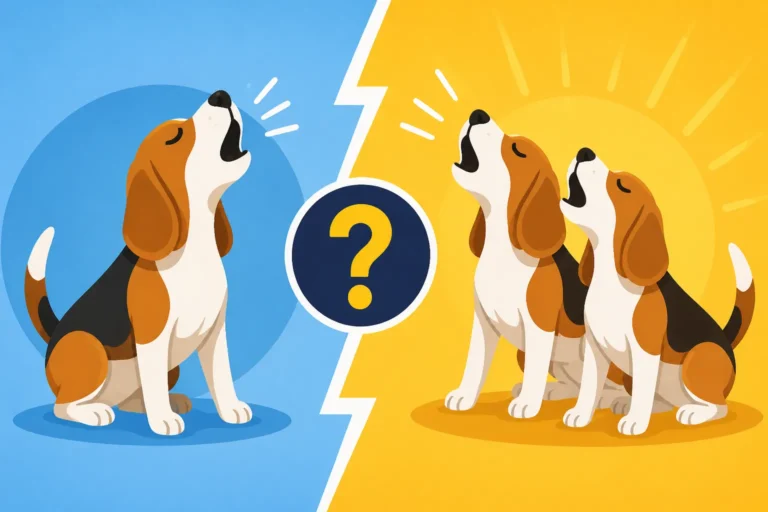
Perhaps their most iconic characteristic, besides their nose, is their vocalization. Beagles are known for their distinct "bay," a long, melodious cry that is a key part of their communication during a hunt. It's different from a bark; it's a deep, drawn-out sound that carries over distances, letting hunters know they're on a hot trail. While charming in the field, this bay can be quite a surprise for new owners in a residential setting. They also howl and bark, often in response to perceived intruders, loneliness, or simply excitement. Understanding Telling a Beagle Bark From a Bay From a Howl is crucial for any owner.
Temperament and Pack Drive
Beagles are renowned for their cheerful, outgoing, and friendly temperament. They are often described as "merry hounds," and for good reason! They thrive on companionship and are happiest when they are part of a family, reflecting their origins as pack animals. This strong pack drive means they generally get along well with children and other dogs, often seeing them as members of their personal pack. However, this same trait can lead to Beagle Separation Anxiety in a Pack Breed if they are left alone for long periods without adequate stimulation or company.
Their independent nature, which is often mistaken for stubbornness, stems directly from their hunting role. A Beagle on a scent trail is expected to follow that trail, making its own decisions and relying on its nose, not constantly looking back for human direction. This means training requires patience, consistency, and high-value rewards to capture their attention. You'll often hear experienced Beagle owners say, "they aren't stubborn, they're just focused." And it's true! Their intelligence is undeniable, but it's an intelligence geared towards scent work, not necessarily blind obedience.
The Beagle's Unique Role in Hunting
The Beagle was specifically bred to hunt hare and rabbit, and their entire design supports this. Their smaller size allowed foot hunters to follow them through fields and woods without needing horses. Their incredible nose ensured no trail was missed, and their baying provided a continuous auditory cue to the hunters, letting them know the progress of the chase. Unlike sighthounds that quickly dispatch prey, Beagles were meant to trail the prey, often flushing it out or driving it back towards waiting hunters.
This specific role shaped not only their physical attributes but also their hunting style and endurance. They are not sprinters, but marathoners of the scent world. A well-conditioned Beagle can work for hours, meticulously unraveling a trail. Even today, many Beagles still participate in organized field trials, demonstrating their innate abilities. For pet owners, this translates into a need for plenty of exercise that engages both their bodies and their minds, especially their powerful noses. Scent work games, long sniffy walks, and puzzle toys are excellent ways to satisfy this deep-seated drive.
How Beagle Popularity Stacks Up in the Hound Group
Beagles have consistently ranked among the most popular dog breeds in America for decades, and their standing within the Hound Group is particularly strong. Their endearing qualities and manageable size have made them a favorite choice for families and individuals alike, often placing them high on the AKC's annual breed popularity list. This enduring appeal isn't just about cuteness; it's a testament to their versatile nature and how well they integrate into many different lifestyles, provided their specific needs are met.
The Beagle's Enduring Appeal in American Homes
The Beagle's cheerful disposition, compact size, and relatively low-maintenance grooming requirements contribute significantly to their popularity. They are typically good with children and other pets, making them an excellent family dog. Their friendly demeanor means they're usually happy to greet visitors, though they might not make the best guard dogs (a loud bay might deter some, but their wagging tail usually seals the deal!). This combination of traits makes them very appealing to people looking for an active, affectionate, and relatively easy-to-care-for companion.
Moreover, the cultural icon of Snoopy, the beloved cartoon Beagle, has undoubtedly played a role in cementing their place in the hearts of Americans. While Snoopy might not accurately portray all Beagle traits (he's more of an air-scenter than a ground-trailer!), he embodies the breed's intelligence, charm, and sometimes mischievous spirit. This widespread recognition ensures Beagles remain a familiar and sought-after breed, a choice many people naturally gravitate towards.
Factors Influencing a Breed's Popularity
Several factors contribute to a dog breed's popularity. Temperament is key; breeds known for being good with families and adaptable to various living situations tend to rank higher. Health and longevity also play a role, as prospective owners seek companions that will be with them for many years. Beagle Lifespan and the Twelve to Fifteen Year Range is a good one, often exceeding that of some larger breeds. Size is another big one; medium-sized dogs like the Beagle often hit a sweet spot, not too small to be fragile, and not so large as to require enormous living spaces or massive food bills.
Cultural representation, as seen with Snoopy, can also have a profound impact, creating a positive image and fostering familiarity. Finally, the breed's versatility—its ability to excel in various dog sports, work, and companionship roles—adds to its allure. Beagles are not just pretty faces; they can do agility, obedience, scent work, and therapy work, showcasing their intelligence and trainability beyond their hunting origins.
The Beagle's Consistent Top Ten Ranking
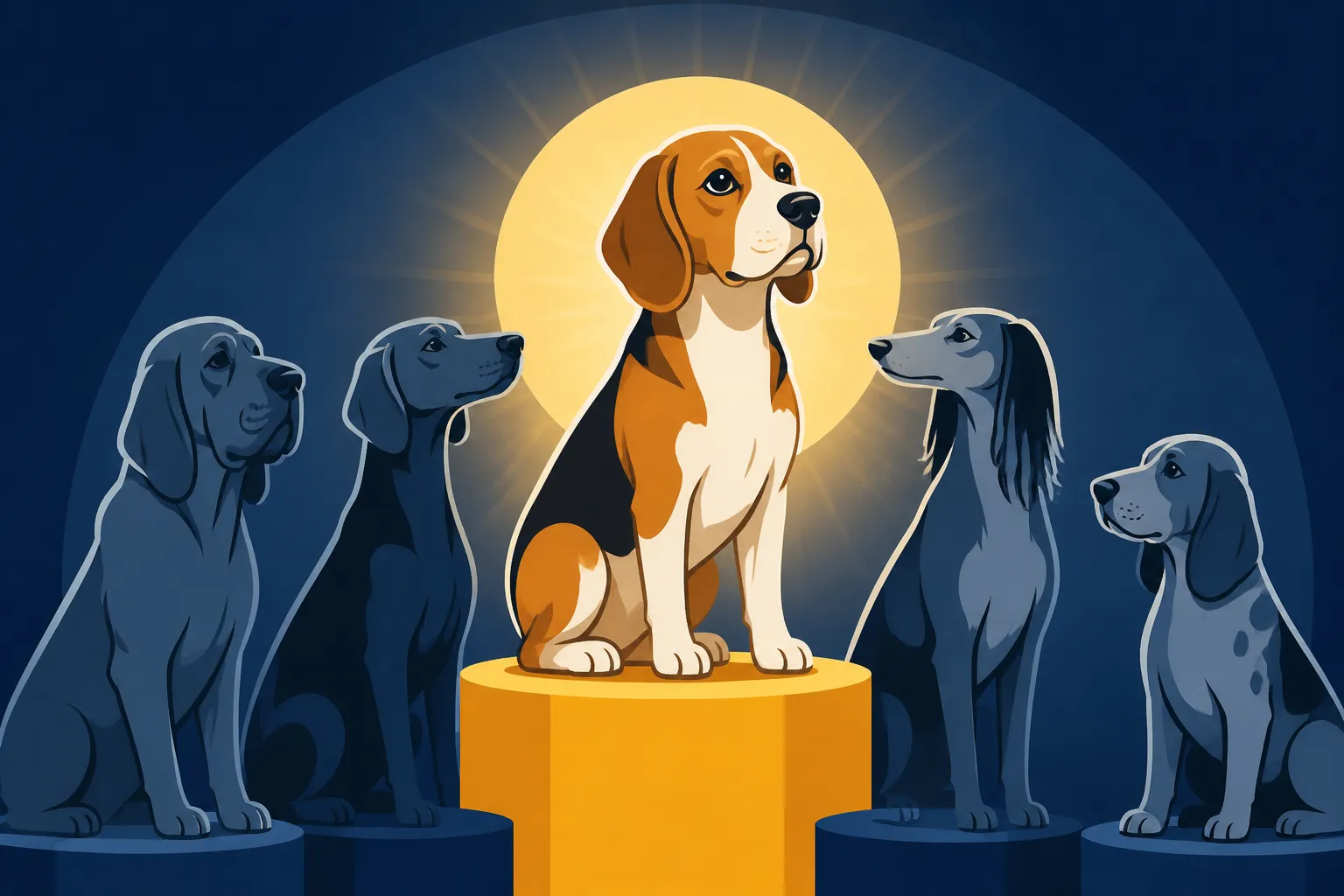
For many years, the Beagle has consistently held a spot within the top 10 most popular breeds in the AKC rankings. While the exact position might fluctuate slightly from year to year, their presence near the top is a constant. Within the Hound Group specifically, they are almost always the most popular choice, often by a significant margin. Other popular hounds might include Dachshunds (also in the top 10 or close to it) and Basset Hounds, but the Beagle's overall appeal tends to outstrip them.
This high ranking means that quality Beagle puppies from reputable breeders are often in high demand, and rescue organizations also see a steady stream of Beagles looking for forever homes. Their popularity reflects a breed that, despite its strong instincts, has successfully transitioned from a dedicated working dog to a beloved family pet, proving its adaptability and charm. It's a testament to the fact that while their nose is their livelihood, their heart is always with their people.
The Practical Implications of Owning a Hound Group Dog
Bringing a Beagle into your home, or any hound for that matter, comes with a unique set of joys and challenges. Their deeply ingrained instincts, while fascinating, require specific approaches to training, exercise, and daily management. It's not like owning a retriever or a herding dog; hounds march to the beat of a different drum, or rather, the scent of a different trail.
Training Challenges Specific to Scent Hounds
Let's be real: training a Beagle isn't always a walk in the park. Their intelligence is channeled heavily into their nose, which means traditional obedience commands can sometimes feel secondary to a compelling scent. The biggest hurdle many Beagle owners face is recall. You can teach "come" a thousand times in the living room, but the moment a rabbit trail crosses their path outside, your voice can become utterly meaningless. This isn't defiance; it's pure, instinctual absorption. This is why a secure fence and a long line are non-negotiable for Beagles. Beagle Recall That Works Before the Nose Wins requires dedication and understanding of their motivation.
Positive reinforcement with high-value treats is the golden rule when training a Beagle. They are incredibly food-motivated, which can be a huge advantage. However, it also means you have to be vigilant about their waistline, as Beagles are prone to obesity. Brands you might find on Chewy offer a wide range of training treats, but it's important to choose low-calorie options to keep your Beagle healthy. Consistency is key, and making training feel like a game rather than a chore will yield far better results with these merry little hounds.
Exercise Needs Beyond a Simple Walk
Many prospective owners assume a small-to-medium dog like a Beagle only needs a quick stroll around the block. Oh, how wrong they are! While physically smaller than some other hounds, Beagles were bred for endurance and activity. A simple leash walk around the neighborhood might satisfy their potty needs, but it won't fulfill their innate drive to explore and follow scents. An under-exercised Beagle can quickly become a bored, destructive, or vocal Beagle.
They need at least an hour, often two, of vigorous exercise daily, ideally incorporating opportunities for sniffing and exploring. "Sniffy walks," where they are allowed to follow their nose at their own pace, are incredibly enriching and tiring for them. Dog parks, if safe and securely fenced, can provide a good outlet for running, but always be aware of the escape risk. Structured games, such as fetch (if your Beagle enjoys it) or even backyard agility, can also help. Many Beagles also love to run and hike, as long as they are kept on a long line for safety. If the weather is bad, indoor mental enrichment games are essential to tire out that busy brain.
Living with the Vocal Nature of a Hound
The Beagle's bay is a beautiful sound to a hunter in the field, but it can be a source of tension with neighbors in a residential setting. Beagles were bred to vocalize on the trail, and this instinct is deeply embedded. They will bay, howl, and bark for various reasons: when they're excited, lonely, hear sirens, or pick up an interesting scent. Trying to train the bay out of a Beagle is often a futile and frustrating endeavor, as it's such a core part of their identity.
Instead of trying to suppress it entirely, the key is managing the triggers and teaching appropriate "quiet" cues. Addressing underlying anxiety, such as Beagle Separation Anxiety in a Pack Breed, can also help reduce excessive vocalization. Providing plenty of exercise, mental stimulation, and company can go a long way in keeping their howling to a reasonable level. If you live in an apartment or close quarters, preparing for a vocal dog and proactively working with your neighbors can make all the difference. While they might never be truly silent, you can certainly teach them to distinguish between appropriate and inappropriate times to express themselves.
Disclaimer
This article is for general informational purposes only and does not constitute professional advice. Laws, prices and regulations vary by location and change over time. Consult a qualified professional for guidance on your specific situation.