The Beagle Brigade and the Working Beagle
For many of us, the image of a Beagle instantly conjures up a picture of a sweet, goofy family pet, maybe one with a perpetually hungry look in its eyes, always ready for a belly rub. But beneath that adorable exterior lies a tireless, driven working dog whose ancestral instincts still shine through in surprising and important ways. This guide will delve deep into the world of the working Beagle, exploring the diverse roles they play, why they excel at them, and how their incredible abilities have shaped their history and continue to impact our lives today.
Understanding the Beagle's Innate Drive to Work
It's easy to forget that Beagles weren't bred to be couch potatoes, though many of them do a stellar job at it! Their entire existence, for centuries, revolved around a specific job: hunting small game, primarily rabbits and hares. This history has ingrained a powerful work ethic and a unique set of skills into their very DNA, making them exceptionally suited for tasks that rely on their senses, particularly their phenomenal sense of smell.
The Unmatched Power of the Beagle Nose
When you see your Beagle with their nose glued to the ground, zig-zagging across the yard as if on an invisible track, you're witnessing their most potent tool in action. A Beagle’s olfactory system is nothing short of incredible. They possess an astounding number of scent receptors – far more than humans – and a large olfactory bulb in their brain dedicated to processing these complex scent pictures. This isn't just about smelling something; it's about dissecting a smell into its individual components, understanding its direction, its age, and even differentiating between multiple, overlapping odors. It's like having a super-high-definition, multi-layered scent map constantly unfolding before them. This unparalleled ability is why The 220 Million Receptors Behind a Beagle's Nose are often highlighted as a key characteristic.
Think about it: while we might smell "dinner cooking," a Beagle could distinguish the individual spices, the type of meat, and even whether it's been simmering for an hour or just five minutes. This granular level of detail is critical for their original hunting purpose and is precisely why they excel in modern scent detection roles. It’s not just an accessory; it’s their primary way of understanding the world.
The Beagle's Drive to Follow a Scent
More than just having a powerful nose, Beagles possess an unshakeable drive to use it. Once a Beagle picks up an interesting scent, their world narrows down to that single trail. This intense focus, often mistaken for stubbornness by owners, is actually a deep, instinctual absorption in their work. When they’re on a scent, external distractions fade away, and their entire being is committed to following that invisible thread to its source. This laser focus, combined with incredible stamina, allowed their ancestors to tirelessly track game over long distances, often for hours on end. It’s what makes them such effective trackers.
This isn't just a casual stroll for them; it's a mission. The joy they derive from scent work is palpable, a wagging tail, a focused gait, and that tell-tale nose-to-the-ground posture. This innate desire to trail, to solve the "scent puzzle," is a fundamental aspect of their working dog personality. If you've ever seen What a Beagle Experiences on a Scent Trail, you know it's a whole different world for them.
The Beagle's Merry and Determined Temperament
Beyond their physical attributes, a Beagle's temperament plays a huge role in their success as working dogs. They are famously described as "merry hounds," possessing a cheerful, outgoing, and resilient nature. This isn't just about being a good pet; it means they are often undeterred by challenging environments or repetitive tasks. They approach their work with enthusiasm and a remarkable level of persistence. Their determination, coupled with a generally non-threatening appearance, makes them ideal for public-facing roles where a friendly demeanor is as important as their scenting prowess.
Their compact size also makes them less intimidating than larger breeds, allowing them to work effectively in crowded spaces without causing alarm. This combination of an incredible nose, an unyielding drive, and a pleasant, determined personality forms the core of what makes a Beagle a truly exceptional working dog. They enjoy having a job, and they excel at it with a joyful spirit that is uniquely Beagle.
The Iconic USDA Beagle Brigade
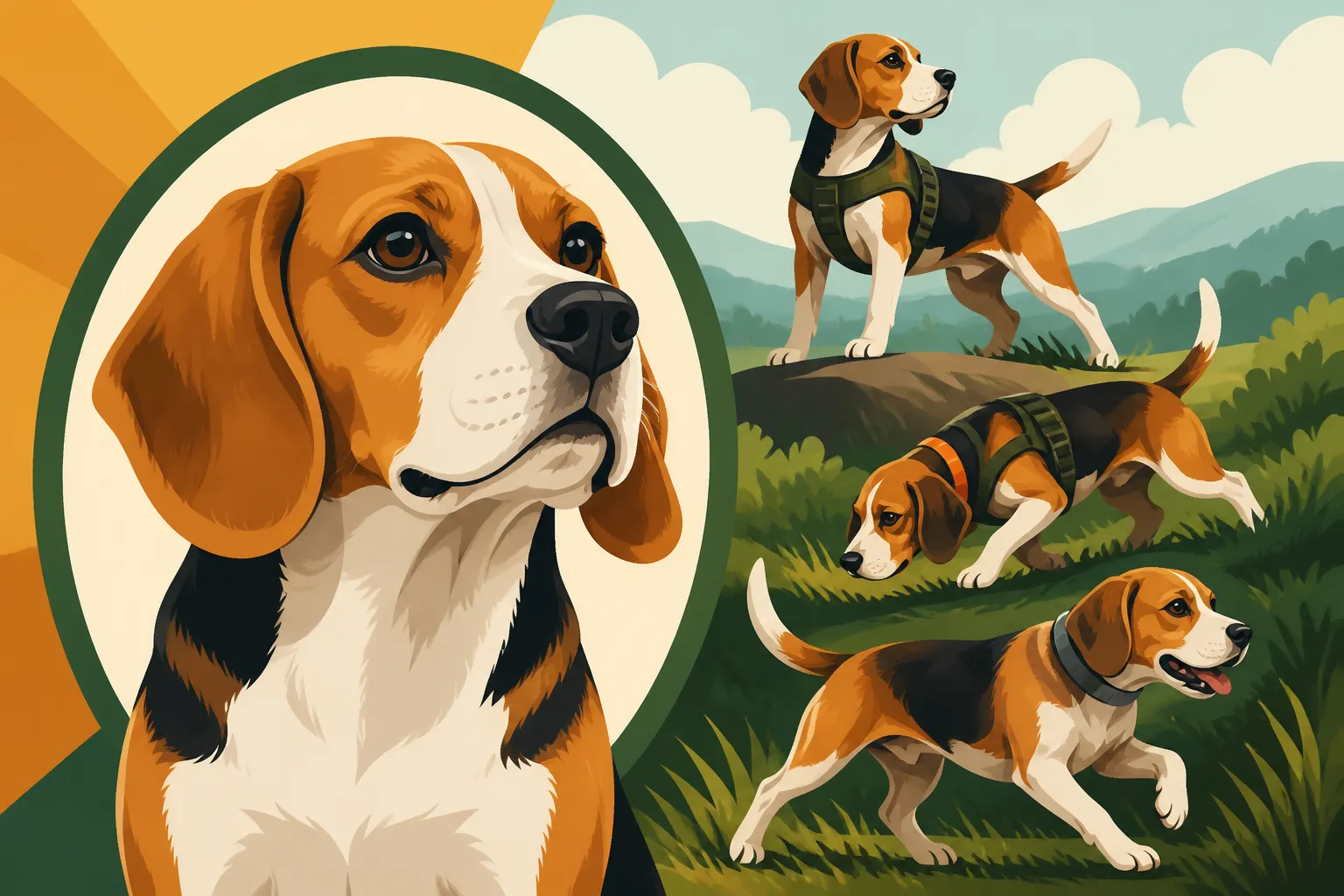
When most people think of a working Beagle, their minds immediately jump to the friendly, floppy-eared dogs sniffing luggage at airports. This is, of course, the famous USDA Beagle Brigade, and it’s arguably the most well-known modern working role for the breed. These dogs perform an absolutely vital service, protecting our agriculture and economy, all with a wagging tail and an insatiable desire for a treat.
Why Beagles Were Chosen for Airport Detection
The selection of Beagles for the USDA's Animal and Plant Health Inspection Service (APHIS) wasn't accidental; it was a carefully calculated decision based on their unique attributes. Firstly, their powerful sense of smell is, as we've discussed, unparalleled. They can detect the faintest traces of prohibited items – fruits, vegetables, meats – hidden deep within luggage or cargo. Secondly, their size and appearance are huge assets. A large, imposing dog might cause anxiety among travelers, or even be perceived as a threat. Beagles, however, are compact, approachable, and generally seen as friendly and non-intimidating, making them perfect for navigating busy airport terminals and interacting with the public. They don't bark or growl; they simply sit down when they find something, a quiet and efficient alert. It's a stark contrast to Why the Brigade Switched Away From German Shepherds for these roles.
Finally, their food drive, a trait many Beagle owners know intimately, is a fantastic motivator for training. A Beagle will work tirelessly for the right reward, making training and sustained performance highly effective. They are not easily distracted from their task when the promise of a delicious morsel is involved.
What the Beagle Brigade Actually Sniffs For
The Beagle Brigade's primary mission is to intercept agricultural products that could pose a risk to the United States' ecosystems and economy. This includes fresh fruits, vegetables, plants, and meat products. Why are these seemingly innocuous items such a big deal? Because they can harbor invasive pests, diseases, or even foreign soil that could devastate domestic crops, livestock, or natural habitats. A single contaminated apple or piece of undeclared sausage could introduce a destructive insect or a virulent pathogen, leading to billions of dollars in agricultural losses and environmental damage. This isn't theoretical; it has happened before.
The Beagles are trained to detect these specific odors, effectively acting as biological security scanners. When a Beagle detects a scent of a prohibited item in luggage or a carry-on, they perform a passive alert, usually sitting down next to the bag. This low-key signal allows Customs and Border Protection officers to then inspect the item without causing undue alarm or disruption. They aren't looking for drugs or explosives; their focus is solely on agricultural contraband. What a Beagle Brigade Dog Actually Sniffs For outlines the importance of their role in detail.
Recruitment and Training of a Beagle Brigade Dog
Becoming a member of the elite Beagle Brigade is a rigorous process. Most of these talented dogs come from shelters and rescue organizations, a testament to the fact that many Beagles find themselves homeless due to their high energy and strong prey drive when not properly channeled. Trainers look for Beagles with an exceptionally strong food drive, high energy, and, of course, an outstanding nose. Once selected, they undergo intensive training at the USDA's National Detector Dog Training Center, where they learn to associate specific target odors with a reward, usually their favorite treat or toy.
The training is all positive reinforcement, shaping their natural behaviors into a reliable detection skill. They learn to ignore ambient distractions, focus on their task, and give that clear, unambiguous "sit" signal. The program emphasizes consistent, accurate performance. Once certified, these Beagles are paired with an officer and deployed to airports, seaports, and mail facilities across the country, dedicating their lives to protecting the nation's agricultural resources. Their training also extends to maintaining their physical and mental health; even at work, they need appropriate gear, and something from a retailer like Chewy might be perfect for their daily care.
Beagles Beyond the Baggage Claim: Other Detection Roles
While the Beagle Brigade might be the most famous, the breed's incredible scenting abilities are utilized in a surprising array of other detection and working roles. Their small size, powerful nose, and amiable nature make them versatile candidates for specialized scent work across various fields.
Beagles in Conservation Scent Detection
Conservationists are increasingly turning to Beagles (and other scent hounds) to assist in critical environmental research and protection efforts. These "conservation detection dogs" are trained to locate everything from scat samples of endangered species, which can provide invaluable genetic and dietary information, to invasive plant species that threaten native ecosystems. Imagine a Beagle tracking the elusive scat of a rare wildcat through dense undergrowth, providing data that humans would struggle to collect, or locating hidden nests of invasive insects before they can spread.
Their low profile allows them to work in delicate ecosystems with minimal impact, and their relentless drive to follow a scent makes them highly efficient. This work is crucial for understanding populations, monitoring health, and developing effective strategies to protect vulnerable wildlife and habitats. They are quite literally sniffing out solutions to some of our planet's most pressing environmental challenges, proving that a dog’s nose can be a powerful tool for science.
Beagles in Bed Bug and Termite Detection
On a more domestic front, Beagles are making waves in the pest control industry. Bed bugs, in particular, are notoriously difficult to find. They are tiny, hide in the smallest crevices, and are experts at evading human detection. Termites, too, can cause extensive damage before homeowners even realize they have a problem. Enter the Beagle. Trained to pinpoint the exact location of live bed bugs, eggs, or even termites behind walls and under floors, these specialized Beagles are far more accurate and efficient than human inspectors.
Their keen noses can detect the subtle chemical odors emitted by these pests, allowing for targeted treatment and saving homeowners significant time and money by avoiding unnecessary demolition. These Beagles often work in hotels, apartments, and private residences, performing their critical pest-sniffing duties with precision and a friendly wag. If you suspect an infestation, a Beagle detection team can be an invaluable, non-invasive first step, and reliable supplies for them can be found through stores like Chewy.
Medical Alert and Assistance Beagles
While not as common as in other breeds, some Beagles are successfully trained for medical alert and assistance roles. Their highly sensitive noses can be trained to detect subtle changes in human scent associated with medical conditions. For example, some Beagles can be trained to alert their handlers to impending hypoglycemic episodes (low blood sugar) in diabetics, or even certain types of seizures. The idea is that these physiological changes release specific volatile organic compounds that a dog's nose can detect long before a human would notice any symptoms.
These Beagles provide an invaluable service, offering an early warning system that can allow their handlers to take preventative measures, potentially saving lives or mitigating the severity of an event. While their stubbornness might sometimes be a challenge, their persistence and keen senses are assets in these highly specialized and life-saving roles.
Beagles in the Field: Hunting and Trailing
Before airports and bed bugs, Beagles were primarily working dogs in the truest sense: they were bred to hunt. This historical role is the foundation of their entire breed, shaping their physical characteristics, their temperament, and their incredible scenting abilities. Understanding their heritage is key to appreciating the modern working Beagle.
The Traditional Role of Beagles in Rabbit Hunting
For centuries, Beagles were the quintessential rabbit hound. They were bred to work in packs, trailing rabbits and hares through fields and forests, using their distinctive baying voice to alert hunters to the chase. Unlike larger foxhounds that might be ridden after, Beagles were often followed on foot, a sport known as "beagling." Their compact size allowed them to navigate dense undergrowth where larger dogs would struggle, and their relatively slower pace made for an engaging foot-hunt.
The Beagles’ job was not to kill the game, but to flush it out and drive it towards the hunters. Their powerful noses would methodically untangle the scent trail, even after it had gone "cold" or the rabbit had "doubled back" on its tracks. This required incredible focus, stamina, and communication within the pack through their unique vocalizations. This historical context illuminates Why a Beagle Walks With Its Nose to the Ground so persistently – it's generations of instinct at play.
Beagle Field Trials and Competitive Scent Work
Today, the spirit of the traditional hunt lives on in Beagle field trials and various forms of competitive scent work. Field trials are organized events where Beagles demonstrate their natural hunting instincts and abilities by tracking live rabbits or hares. These events test a dog's nose, voice, intelligence, and obedience in a simulated hunting environment. Judges evaluate how well the dogs work the trail, how clearly they vocalize, and their overall teamwork if they are running in a pack.
Beyond traditional field trials, Beagles excel in modern canine sports like Nose Work, Scent Work, and Tracking. These activities harness their innate scenting abilities in a controlled, non-hunting environment. Dogs learn to detect specific odors (like essential oils or human scent) and indicate their location. These sports provide a fantastic outlet for a Beagle's powerful nose and mental energy, allowing them to engage in fulfilling "work" that taps into their deepest instincts. Many owners find that enrolling their Beagle in Beagle scent work classes is a wonderful way to bond and provide enrichment.
The Ethics and Modern Practice of Beagling
The practice of beagling, or hunting with Beagles, continues in some parts of the world, though its ethics and popularity have evolved. In many areas, hunting with hounds is regulated, and practices emphasize ethical considerations, conservation, and ensuring the welfare of both the dogs and the wildlife. Modern beagling often focuses more on the chase and the dog's work rather than the capture of game, with a strong emphasis on dog training and the preservation of traditional skills.
For pet Beagle owners, even if they never intend to hunt, understanding this heritage is crucial. It explains their powerful prey drive, their tendency to follow their nose, and their distinctive bay. Providing outlets like competitive scent work or even just dedicated "sniffing walks" where they can explore scents at their own pace is vital for their well-being, channeling those deep-seated working instincts in a positive way.
Beagles in Research: A Difficult History
While many of the working roles we've discussed are celebrated and beneficial, there's another, more somber chapter in the history of the working Beagle: their extensive use in scientific research. This is a topic that often evokes strong emotions and highlights the complex relationship humans have with these animals.
Why Laboratories Chose Beagles
For decades, Beagles were the breed of choice for laboratory research, particularly in toxicology studies for pharmaceuticals, chemicals, and consumer products. The reasons for their selection were practical, albeit distressing. Beagles are relatively small, making them easier to house and handle in large numbers. They are also genetically fairly uniform, which scientists valued for conducting studies where genetic variability could complicate results. Furthermore, their docile and friendly temperament, while endearing to pet owners, was seen as an advantage in a laboratory setting, as it made them less prone to aggression or extreme stress responses when subjected to various procedures.
This combination of size, genetic consistency, and a generally placid demeanor meant that hundreds of thousands of Beagles were bred and used in research facilities around the world. It’s a stark reminder that even desirable breed traits can be exploited in unfortunate ways. This history is important to acknowledge, as it shaped public perception and led to significant advocacy efforts for these dogs.
The Envigo Case and Its Aftermath
The use of Beagles in research came under intense scrutiny, particularly with the highly publicized case involving Envigo, a major commercial breeding facility in Cumberland, Virginia, that supplied Beagles for scientific research. In 2022, federal authorities seized thousands of Beagles from this facility due to egregious Animal Welfare Act violations, including inadequate veterinary care, malnutrition, and unsanitary conditions. The sheer scale of the rescue – over 4,000 Beagles – garnered international attention and sparked widespread outrage.
This case served as a major turning point, galvanizing public support for animals in research and fueling advocacy for stronger regulations and alternative testing methods. The images of Beagles, some of whom had never felt grass under their paws, being rescued resonated deeply with animal lovers worldwide. It was a powerful demonstration of the dark side of their working history and a catalyst for change. The story of The Envigo Beagles and Where the 4,000 Went captured hearts globally.
Adopting a Former Research Beagle
In the wake of incidents like the Envigo rescue, many Beagles previously used in research have been released to animal shelters and rescue organizations for adoption. Bringing a former research Beagle into your home is a unique and incredibly rewarding experience, but it comes with its own set of challenges. These dogs often have very limited exposure to the outside world. They may have never walked on grass, seen sunlight, heard traffic, or experienced the comforts of a home. They might be unfamiliar with toys, leashes, stairs, or even human affection outside of a clinical context.
Patience, understanding, and a gentle approach are paramount. These Beagles often require extensive socialization and a safe, stable environment to decompress and learn what it means to be a beloved pet. They may have medical needs or behavioral quirks stemming from their past. However, with time and kindness, these resilient dogs can blossom into wonderful companions, grateful for every moment of love and freedom. Adopting A Beagle That Came Out of a Lab is a commitment to healing and providing a truly second chance at life.
The Qualities That Make a Good Working Beagle
What specific traits, beyond their incredible nose, make Beagles so effective in their diverse working roles? It's a combination of their physical makeup, mental fortitude, and inherent drive that allows them to excel where other breeds might falter.
Focus and Stamina on the Trail
A key characteristic of a successful working Beagle is their unwavering focus. Once they lock onto a scent, they are incredibly difficult to deter. This single-mindedness, while sometimes frustrating in a pet Beagle determined to follow a rabbit scent across a busy road, is absolutely essential in a working capacity. Whether they are trailing game, searching for contraband, or detecting pests, this ability to tune out distractions and concentrate on the task at hand is invaluable. They also possess surprising stamina for their size. Their ancestors often spent entire days in the field, and that endurance is still present in modern Beagles, allowing them to perform demanding tasks for extended periods.
This combination means they can methodically work an area, even a large or complex one, without giving up until the job is done. This perseverance is why they are often chosen for tasks that require thorough, systematic searching.
Trainability and Food Motivation
Despite their independent streak when on a scent, Beagles are highly trainable, particularly when food is involved. Their legendary food drive is a powerful lever for positive reinforcement training. They are eager to please, especially if there's a tasty reward at the end of the exercise. This makes them receptive to learning complex detection tasks and specific alert behaviors. Trainers leverage this drive to build strong associations between target odors and rewards, making the "work" a highly enjoyable game for the Beagle.
This strong motivation means they can be shaped into reliable working partners, capable of understanding and executing precise commands, even in busy or novel environments. Using High-Value Food and How Fast a Beagle Learns is often the secret to their success in training programs, whether for detecting or simply for basic obedience. Many professional trainers recommend keeping a stash of high-quality treats, perhaps from a brand like Chewy, on hand when working with a Beagle.
Socialization and Temperament for Public Roles
For Beagles working in public-facing roles, such as the Beagle Brigade or medical alert dogs, a robust and friendly temperament is just as critical as their scenting ability. They need to be well-socialized, comfortable around strangers, children, other animals, and various environmental stimuli like loud noises, crowds, and new places. A fearful or aggressive working dog is simply not an option, especially in settings like airports.
Their "merry" disposition means they generally approach new situations with curiosity rather than apprehension, and they recover quickly from unexpected events. This natural resilience and amiable nature ensure that they can perform their duties effectively without causing stress to themselves or those around them, making them excellent ambassadors for working dogs everywhere.
Supporting Your Working Beagle (or Your Beagle Who Thinks He's Working)
Even if your Beagle's "job" is primarily being a cherished family pet, those deep-seated working instincts are still very much alive. Understanding these drives and providing appropriate outlets is crucial for their well-being and for a harmonious home life.
Enrichment for the Scent-Driven Beagle
The single most important thing you can do for a Beagle is to engage their nose. Denying a Beagle the opportunity to sniff is like asking a human to sit in a soundproof, darkened room all day – it's incredibly frustrating and deprives them of essential mental stimulation. Incorporate "sniffing walks" into their routine, where you let them follow their nose and explore the scent-rich environment, rather than rushing them along. Even 20 minutes of intense sniffing can be as tiring as a long run, providing valuable mental exercise.
Beyond walks, engage them with scent games and puzzle toys at home. Snuffle mats, treat-dispensing toys, and hide-and-seek games with treats are fantastic ways to let them use their nose indoors. Consider formal Beagle Tracking and Nose Work Titles classes or just playing similar games in your backyard. Giving them a "job" for their nose will make them happier, calmer, and less prone to destructive behaviors born of boredom.
Training to Channel That Drive
While Beagles can be famously stubborn, they are also highly intelligent and thrive on routine and clear expectations. Training, especially positive reinforcement training, is key to channeling their drives productively. Focus on commands like "leave it" and "drop it," which are essential for a breed prone to scavenging. Work on a rock-solid recall, especially if you ever plan to be in an unfenced area, as their nose will always win against your voice if they're not properly trained. Beagle Recall and Why Your Voice Stops Registering is a real challenge for many owners.
Consider enrolling in obedience classes or working with a professional trainer who understands the Beagle temperament. Harnessing their food drive for training is incredibly effective. This isn't just about obedience; it's about building a strong bond and giving your Beagle the mental exercise and structure they crave. A well-trained Beagle is a happier Beagle, even if they still occasionally "lose" themselves in a particularly interesting scent.
Balancing Work and Pet Life
For the Beagle who truly is a working dog, whether in detection, conservation, or assistance, it's vital to ensure they have a balanced life. Working dogs need downtime, affection, and the opportunity to just "be a dog." This means clear boundaries between work mode and home life, plenty of rest, and opportunities for play and socialization that aren't tied to their job. Even the most dedicated working Beagle needs a soft bed, a loving family, and perhaps a special treat from a company like Chewy at the end of a hard day.
For pet Beagles, it’s about providing enough mental and physical enrichment to satisfy their working dog instincts, so they don't feel the need to invent their own, potentially destructive, jobs. A tired Beagle, with a satisfied nose and a full belly, is generally a well-behaved and contented companion, honoring their heritage as a tireless working hound, even if their current job title is "professional napper" on the couch.
| Working Role | Key Beagle Traits Utilized | Environment/Typical Task | Benefit Provided |
|---|---|---|---|
| Beagle Brigade | Unparalleled scent detection, friendly demeanor, food drive | Airports, seaports, mail facilities, public spaces | Detects agricultural contraband, prevents ecological/economic harm |
| Conservation | Focused scent tracking, stamina, non-invasive size | Forests, fields, remote areas | Locates endangered species scat, invasive plants, wildlife tracking |
| Pest Detection | Pinpoint scent accuracy, small size, persistent | Homes, hotels, businesses, walls, floors | Finds bed bugs, termites, other pests for targeted treatment |
| Medical Alert | Sensitive nose for subtle scent changes, focused drive | Home, public spaces (with handler) | Alerts to blood sugar changes, seizure onset, other medical events |
| Hunting/Field | Instinctual trailing, baying vocalization, stamina, pack drive | Open fields, forests, dense undergrowth | Locates and flushes small game (e.g., rabbits) for hunters |
| Competitive Scent Work | Natural scenting ability, trainability, food motivation | Training facilities, controlled environments, varied terrains | Mental enrichment, physical exercise, showcases natural talent |
Disclaimer
This article is for general informational purposes only and does not constitute professional advice. Laws, prices and regulations vary by location and change over time. Consult a qualified professional for guidance on your specific situation.