What Shortens a Beagle’s Twelve to Fifteen Years
It's a heartbreaking thought for any Beagle parent: that our beloved furry family members might not live out their full, expected lifespan of twelve to fifteen years. We pour so much love, effort, and care into them, and the idea of anything cutting that precious time short can be truly unsettling. This guide aims to shed light on the various factors, both genetic and environmental, that can unfortunately shorten a Beagle's life, helping you understand the risks and, crucially, what you can do to give your loyal companion the longest, healthiest life possible.
Genetic Predispositions That Can Shorten Life
Beagles, like all purebred dogs, carry certain genetic predispositions that can lead to health issues, some of which can significantly impact their longevity. It's not a fault of the breed, but rather a byproduct of selective breeding over generations. Understanding these risks is the first step in proactive care.
Understanding Musladin-Lueke Syndrome MLS
One of the more unique and serious genetic conditions affecting Beagles is Musladin-Lueke Syndrome, often referred to simply as MLS. This isn't a condition that necessarily causes sudden death, but it leads to severe musculoskeletal abnormalities that can greatly diminish a dog's quality of life and, in turn, its lifespan if not managed with extreme care. Puppies born with MLS can have issues with their skull shape, slanted eyes, incredibly thick and taut skin, and a distinctive tip-toe gait that makes movement difficult and painful. Imagine your vibrant, curious Beagle puppy struggling to play or even walk comfortably – it’s truly heartbreaking.
While the symptoms can range in severity, even mildly affected dogs may experience chronic pain and mobility issues that require extensive veterinary intervention and specialized care. This constant physical stress, coupled with potential secondary complications like arthritis setting in much earlier, can place immense strain on a dog's system. Families dealing with an MLS-affected Beagle often face difficult decisions regarding long-term pain management, specialized diets, physical therapy, and even palliative care. Without a diligent owner and dedicated veterinary support, the suffering can become unbearable, and sadly, some families opt for euthanasia to prevent prolonged pain. Thankfully, a Musladin-Lueke Syndrome and the Beagle DNA Test is available, allowing responsible breeders to screen their breeding stock and avoid producing affected puppies.
The Impact of Idiopathic Epilepsy
Epilepsy is another significant concern within the Beagle breed, and it can be a terrifying diagnosis for any owner. While many Beagles with epilepsy can live full, happy lives with proper medication, severe cases or poorly controlled seizures can pose a direct threat to their longevity. Idiopathic epilepsy, meaning epilepsy with no known cause, often presents in Beagles between six months and six years of age. Watching your Beagle suddenly lose control, convulse, and then enter a post-ictal state of confusion and disorientation is truly one of the most frightening experiences a pet parent can endure.
The danger isn't just the seizure itself, although prolonged or severe seizures can lead to hyperthermia or brain damage. The real risk to longevity comes from cluster seizures (multiple seizures within a 24-hour period) or status epilepticus (a single seizure lasting more than five minutes), both of which are medical emergencies that require immediate veterinary attention. These severe events can be exhausting for the dog's body and, if not managed swiftly, can be fatal or lead to lasting neurological damage. Furthermore, the long-term use of anti-seizure medications, while life-saving, can sometimes have side effects on organs like the liver, necessitating careful monitoring and regular blood work. If you're dealing with this, you might be looking into options like Idiopathic Epilepsy in Beagles From Six Months to Six Years to understand the journey ahead. Pet insurance, like that offered by Healthy Paws, can be a real lifesaver when these chronic conditions require expensive, ongoing care and diagnostics.
Factor VII Deficiency and Bleeding Disorders
Factor VII Deficiency is a genetic bleeding disorder that Beagles are predisposed to, although it's often overlooked because it's usually asymptomatic unless a dog experiences trauma or surgery. This condition impairs the dog's ability to clot blood effectively due to a deficiency in Factor VII, one of the proteins involved in the clotting cascade. For a healthy, active Beagle, a minor cut might not be a big deal, but an internal injury, a major surgery, or even a dental procedure could become life-threatening.
Imagine your Beagle needing a routine spay or neuter, only for the vet to discover excessive bleeding that is difficult to control. This is the grim reality for Beagles with Factor VII Deficiency if their status isn't known beforehand. While not always a direct cause of a shortened lifespan in day-to-day life, the risk of complications during any invasive procedure, or from an accidental injury, is significantly elevated. This adds a layer of anxiety and necessitates meticulous planning and preparation for any medical intervention. Pre-screening for this condition, alongside others like those recommended for Beagle Health Testing Under CHIC, is crucial for responsible breeding and for informing owners of potential risks.
Preventable Health Risks and Their Toll
Many of the factors that can shorten a Beagle's life aren't hidden genetic quirks; they're entirely preventable issues related to diet, environment, and basic care. As owners, we have a significant role in mitigating these risks.
The Dangers of Obesity and Poor Nutrition
It’s no secret that Beagles love to eat. Their incredible food drive is legendary, making them prone to obesity if their diet isn't strictly managed. And let's be honest, it's so easy to give in to those pleading Beagle eyes at dinnertime or when they beg for an extra treat. However, allowing a Beagle to become overweight or obese is one of the most significant and preventable factors that can drastically shorten their life. An overweight Beagle isn't just a little chunky; it's a Beagle carrying a heavy burden on its entire system.
Obesity is a gateway to a host of other serious health problems. It puts immense strain on joints, exacerbating or accelerating conditions like Beagle Hip Dysplasia and Everyday Joint Wear and arthritis, leading to chronic pain and reduced mobility. It increases the risk of heart disease, high blood pressure, and respiratory problems, making even simple activities like a walk more challenging. Perhaps most critically, obesity is a major risk factor for type 2 diabetes in dogs, a chronic condition requiring daily insulin injections and careful dietary management that can significantly impact both quality and length of life. Managing a Beagle's weight through appropriate portions and exercise is a profound act of love, directly influencing their potential Beagle Lifespan and the Twelve to Fifteen Year Range. You can read more about it here: Beagle Obesity Treated as a Health Problem.
Unmanaged Dental Disease
Dental disease is often overlooked until it's severe, but it’s a silent killer that can shave years off a Beagle’s life. Plaque and tartar buildup aren't just cosmetic issues; they lead to gingivitis, painful periodontal disease, and infections. Beagles, with their characteristic droopy lips, can be especially prone to food and bacteria buildup around their gumline if not regularly cleaned. Many owners are surprised to learn just how critical dental health is to overall health.
When dental disease progresses, the bacteria from infected gums don't stay confined to the mouth. They can enter the bloodstream and travel to major organs, causing serious infections and inflammation in the heart, kidneys, and liver. This systemic inflammation puts constant stress on these vital organs, increasing the risk of organ failure over time. A Beagle suffering from chronic pain due to a rotting tooth or abscess won't eat well, will likely be lethargic, and generally experience a reduced quality of life, all of which indirectly contribute to a shorter lifespan. Regular dental check-ups, professional cleanings under anesthesia, and consistent at-home dental care, such as brushing, are not luxuries; they are essential components of preventive health that can add years to your Beagle’s life. For details, check out Beagle Dental Disease and Tartar Buildup.
Exposure to Toxins and Accidents
Beagles are scent hounds, driven by their noses and an insatiable curiosity. This wonderful trait, which makes them such engaging companions, also puts them at a higher risk for accidental poisoning or injury from things they sniff out and ingest. A Beagle's nose can lead them to explore garbage cans, spilled chemicals, toxic plants in the yard, or even medications dropped on the floor. Their low-to-the-ground posture and strong vacuum-cleaner instinct mean they can easily find and swallow things that other breeds might miss.
Common household items like chocolate, certain artificial sweeteners (xylitol), grapes, raisins, onions, garlic, and many common houseplants can be highly toxic to dogs. Antifreeze, rodenticides, and pesticides are also lethal hazards that a curious Beagle might find irresistible. Beyond toxins, their spirited nature can lead to accidents like being hit by a car if they slip their leash or escape a yard. Sadly, their strong prey drive means that even the most well-behaved Beagle might ignore commands if a compelling scent takes over, putting them in harm's way. Securing your home and yard, knowing what's toxic, and being vigilant on walks are critical for preventing these tragic, life-shortening incidents. Making sure your yard is properly secured, perhaps by checking out Fencing a Yard That a Beagle Cannot Escape, is paramount for these escape artists.
Chronic Conditions Requiring Lifelong Management
Some health issues, while not immediately fatal, become chronic conditions that demand consistent, lifelong management. Without proper veterinary care and diligent owner attention, these conditions can lead to complications that ultimately shorten a Beagle's life. This is where the long-term commitment and financial planning, sometimes supported by pet insurance providers like Healthy Paws, become incredibly important.
Hypothyroidism and Its Systemic Effects
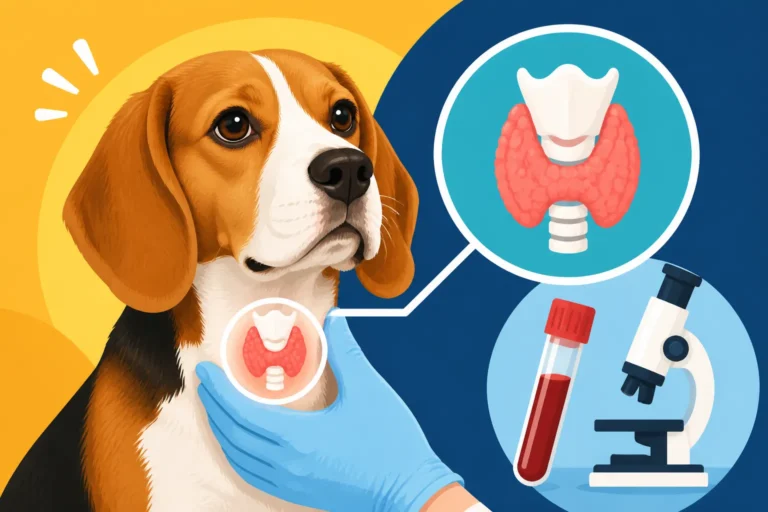
Hypothyroidism, an underactive thyroid gland, is a common endocrine disorder in Beagles that can manifest with a variety of subtle symptoms, often mistaken for normal aging or simply a "lazy" phase. Owners might first notice a dull coat, hair loss, weight gain despite no change in diet, lethargy, or a tendency to seek warm spots. What seems like minor inconveniences can, if left untreated, have profound systemic effects that impact a Beagle's longevity.
The thyroid gland regulates metabolism, and when it's not functioning correctly, nearly every system in the body can be affected. Untreated hypothyroidism can lead to skin problems, chronic infections, neurological issues, and even heart problems, including slow heart rate (bradycardia) and weakened heart muscle function. It can also exacerbate other conditions and simply make a Beagle feel unwell and miserable, reducing their overall quality of life. The good news is that hypothyroidism is highly manageable with daily thyroid hormone replacement medication, which is relatively inexpensive. However, consistent medication and regular blood tests to monitor thyroid levels are essential. Without this ongoing management, the cumulative effects on their body can unfortunately lead to a reduced lifespan. For more on this, you can refer to Beagle Hypothyroidism and the Weight It Puts On.
The Strain of Uncontrolled Diabetes
Diabetes mellitus, particularly type 2 diabetes often linked to obesity, is another chronic condition that can significantly impact a Beagle's lifespan if not diagnosed early and managed meticulously. It occurs when the body either doesn't produce enough insulin or can't effectively use the insulin it produces, leading to high blood sugar levels. Early signs might include increased thirst, frequent urination, weight loss despite a good appetite, and even cataracts developing in their eyes.
An uncontrolled diabetic Beagle faces severe health consequences. Persistently high blood sugar damages blood vessels and organs over time, leading to kidney failure, nerve damage (diabetic neuropathy), and a heightened susceptibility to infections. Diabetic ketoacidosis (DKA), a life-threatening complication, can arise if diabetes is not managed, causing severe dehydration, vomiting, and metabolic collapse. Managing diabetes requires a strict routine of daily insulin injections, a carefully controlled diet, regular monitoring of blood glucose levels, and frequent vet visits. This can be a demanding and costly commitment. While diabetes can be managed, the associated complications and the constant strain on the body can unfortunately shorten a Beagle's life.
Progressing Heart Disease
Heart disease, whether it's congenital (present from birth) or acquired later in life, is a serious condition that can progressively worsen and eventually shorten a Beagle's lifespan. While Beagles aren't notably prone to all types of heart disease, they can develop conditions like subaortic stenosis (SAS) or various types of cardiomyopathy, though less commonly than some larger breeds. More often, they can develop age-related degenerative valve disease, where the heart valves thicken and leak, making the heart work harder.
The symptoms of heart disease can be subtle at first: a cough, reduced stamina, difficulty breathing, or a general reluctance to exercise. As the disease progresses, it can lead to congestive heart failure, where the heart can no longer pump blood efficiently, causing fluid to build up in the lungs or abdomen. This is a critical and life-limiting stage. Regular veterinary check-ups are vital for detecting heart murmurs or other signs of heart disease early, giving you and your vet the best chance to manage the condition with medications, dietary changes, and activity restrictions. While medications can help manage symptoms and improve quality of life, they cannot cure the underlying disease, and the progressive nature of heart failure often means a shortened life expectancy. Understanding Beagle Heart Disease and Murmurs is important for any owner.
The Silent Threat of Cancer in Beagles
Cancer remains one of the leading causes of death in older dogs across all breeds, and Beagles are unfortunately not immune. The sheer unpredictability of cancer, coupled with its aggressive nature in some forms, makes it a particularly heartbreaking and life-shortening condition.
Common Cancers in Beagles
Beagles, like many breeds, can develop various types of cancer. While no breed is truly "cancer-proof," certain types are seen more frequently. Lymphoma, a cancer of the lymphatic system, is a common culprit. This can present as enlarged lymph nodes, lethargy, loss of appetite, and weight loss. Mast cell tumors, a type of skin cancer that can range from benign to highly aggressive, are also relatively common in Beagles. These can appear as lumps or bumps on or under the skin, and they can sometimes change size or appearance rapidly. Other cancers, such as osteosarcoma (bone cancer), hemangiosarcoma (a highly aggressive cancer of the blood vessel lining), or various carcinomas affecting internal organs, can also strike Beagles.
The insidious nature of cancer is that it often doesn't show obvious signs until it has progressed significantly. What might seem like a harmless fatty lump could, in fact, be a malignant tumor. Early detection is often the most powerful tool we have against this disease, but even with the best efforts, some cancers are simply too aggressive or too widespread by the time they are discovered. The emotional and financial toll of a cancer diagnosis can be immense, leading owners to weigh difficult decisions about treatment efficacy, quality of life, and the potential for a prolonged but painful decline.
Early Detection and Prognosis
The key to a better prognosis and potentially extending a Beagle's life when facing cancer lies heavily in early detection. Regular veterinary check-ups, where your vet can perform a thorough physical exam, palpate for lumps, and listen for internal abnormalities, are paramount. As owners, we also play a crucial role. Being vigilant about any changes in our Beagle's body or behavior can be life-saving. Is there a new lump or bump? Has an existing lump changed in size or texture? Is your Beagle suddenly lethargic, losing weight, or showing a decreased appetite? Are they limping unexpectedly?
These seemingly minor changes warrant a vet visit. Your vet might recommend diagnostics like fine needle aspirates, biopsies, blood tests, X-rays, or ultrasounds to get a clearer picture. While a cancer diagnosis is terrifying, catching it early can open up more treatment options, such as surgery, chemotherapy, or radiation, which can significantly improve outcomes and extend a Beagle's quality lifespan. Waiting too long often means the cancer has metastasized (spread), making treatment much more challenging and the prognosis much graver. This is a critical area where having a robust pet insurance plan, like one from Healthy Paws, can help ensure you can pursue aggressive diagnostics and treatment without being solely limited by cost. Learning about Beagle Cancer Risks That Rise With Age can help you stay informed.
Environmental and Lifestyle Factors
Beyond genetics and specific diseases, a Beagle's environment and daily lifestyle choices made by their human companions profoundly influence their health and longevity. These are areas where owners have significant control.
The Risks of Unsecured Yards and Escapes
A Beagle's nose is their world, and it can lead them into serious trouble if not properly managed. Their instinct to follow a compelling scent is so powerful that it often overrides any training, even the most dedicated recall practice. This means that an unsecured yard or an unsupervised moment off-leash can, tragically, lead to an escape and potentially a shortened lifespan. Every year, countless Beagles are lost, injured, or killed because they followed a scent trail out of their perceived boundaries.
Beagles are notorious escape artists; they can dig under fences, squeeze through surprisingly small gaps, and even learn to open gates. Once they are "on the hunt" and following a scent, they are often oblivious to their surroundings, including busy roads, dangerous wildlife, or even bodies of water. The heartbreak of a lost Beagle that never returns, or worse, one that is hit by a car, is a preventable tragedy. Ensuring your yard is genuinely Beagle-proof with appropriate fence height, digging deterrents, and secure latches is not just about keeping them home; it's about keeping them safe and alive. Investing in good containment from the start is part of The Lifetime Bill for a Beagle That Reaches Fifteen because it directly impacts their safety.
Lack of Adequate Exercise and Mental Stimulation
While Beagles can be couch potatoes indoors, they are fundamentally energetic working hounds, bred for stamina and a keen intellect. A lack of adequate physical exercise and mental stimulation doesn't just lead to behavioral problems like destructive chewing or excessive barking; it contributes to a decline in physical and mental health that can ultimately shorten their life. A bored, under-exercised Beagle is more prone to weight gain, which as we've discussed, is a gateway to numerous health issues.
Beyond the physical, Beagles thrive on having a "job" for their magnificent noses. If their innate drive to sniff and explore isn't channeled, they can become frustrated, anxious, or depressed. Regular, engaging walks that allow ample sniffing time, interactive puzzle toys, and scent work games are vital for their mental well-being. A Beagle that isn't regularly exercised and mentally challenged is more likely to develop behavioral issues that can strain the owner-pet bond, sometimes leading to surrender or neglect, which tragically shortens many dogs' lives. Providing them with opportunities to engage their minds and bodies ensures they stay physically fit and mentally sharp, contributing to a longer, more vibrant life.
Insufficient Preventative Vet Care
This might seem obvious, but insufficient preventative veterinary care is a major factor in reducing a Beagle's lifespan. It's easy to think, "My dog seems fine, they don't need to go to the vet every year." However, annual or bi-annual wellness exams are much more than just check-ups; they are proactive health screenings designed to catch problems before they become critical.
During a routine visit, your veterinarian can perform a comprehensive physical exam, check their weight, listen to their heart and lungs, palpate their abdomen, and check their teeth and ears. They can also administer necessary vaccinations, discuss parasite prevention (heartworm, fleas, ticks), and recommend appropriate screenings for age-related or breed-specific conditions. Many serious diseases, like early kidney disease, some cancers, or developing heart conditions, can be asymptomatic in their early stages. A vet, with their trained eye and diagnostic tools, can often spot subtle changes that a pet owner might miss. Catching these issues early allows for prompt intervention, potentially slowing the progression of disease or even curing it, thereby significantly extending your Beagle's healthy years. Consistent preventative care is truly the foundation of a long and happy life for your Beagle, and it’s something any good pet insurance, including Healthy Paws, encourages through its focus on comprehensive coverage for unexpected illness or injury, allowing you to prioritize early diagnostics.
Understanding the Factors Affecting Beagle Lifespan
Factor Category Shortens Lifespan By Extends Lifespan By Owner's Role The best strategies for reducing the lifetime cost of ownership for a Beagle will involve proactive health management and smart budgeting. This guide is designed to help you navigate those costs effectively.
Understanding the Initial Investment
Bringing a Beagle into your home starts with an initial financial outlay. The cost of acquiring your Beagle can vary significantly depending on whether you choose to purchase from a breeder or adopt from a rescue.
Beagle Puppy Prices from $1,000 to $1,500
When considering a Beagle puppy from a reputable breeder, expect prices to generally range from $1,000 to $1,500, though this can sometimes be higher for puppies from champion bloodlines or particularly sought-after genetics. This price reflects the breeder's investment in health testing their breeding stock, ensuring proper nutrition for the mother and puppies, providing initial veterinary care (like vaccinations and deworming), and dedicating countless hours to socialization. A breeder who health tests for conditions like Musladin-Lueke Syndrome and the Beagle DNA Test or Beagle Hip Screening by OFA or PennHIP is investing in the long-term health of their puppies, which often translates to fewer expensive health issues for you down the road.
A higher price isn't just about pedigree; it often indicates a commitment to responsible breeding practices. Be wary of puppies priced significantly lower than this range, as they may come from backyard breeders or puppy mills who cut corners on health, nutrition, and socialization, potentially leading to future behavioral or medical problems. Always ask about the health clearances of the parents and don't hesitate to visit the breeding facility to ensure humane conditions. While the initial investment might seem steep, choosing a healthy puppy from a responsible breeder can save you thousands in vet bills and heartache over your Beagle's lifespan.
Beagle Adoption Fees from $100 to $300
Adopting a Beagle from a rescue organization or shelter is a wonderful, often more affordable, alternative to purchasing from a breeder. Adoption fees typically range from $100 to $300, sometimes slightly higher or lower depending on the organization and the dog's age or specific needs. These fees usually cover a significant amount of upfront veterinary care that the rescue has already provided.
What a rescue fee typically covers can be quite extensive: spaying or neutering, up-to-date vaccinations, microchipping, deworming, and sometimes even initial dental cleanings or minor medical treatments. Many rescues also have thorough evaluation processes, including foster care, which gives them a better understanding of the Beagle's temperament and any existing health concerns. Adopting an adult Beagle means you bypass the often-expensive puppy stage, and you'll have a clearer picture of the dog's personality and potential health issues. For example, if a Beagle has been diagnosed with Idiopathic Epilepsy in Beagles From Six Months to Six Years, the rescue will usually disclose this, and you can plan for future medical costs. This transparency can be a huge benefit when budgeting for a dog's lifetime care.
Initial Setup Costs Beyond Acquisition
Once you bring your Beagle home, whether from a breeder or a rescue, there are essential setup costs that you’ll need to factor into your initial budget. These items are crucial for their safety, comfort, and integration into your home.
Crates, Beds, and Starter Supplies
Setting up a comfortable and safe environment for your new Beagle requires some initial purchases. A quality dog crate is often recommended for Beagles, especially for house training and providing a secure den, and these can range from $50 to $150 depending on size and material. Beagles love to burrow and be cozy, so a durable, washable dog bed is also a must, potentially costing another $30 to $100. Don't forget the basics: food and water bowls (stainless steel are often recommended), a leash and collar or harness, and a few starter toys.
For a Beagle, a harness is often preferred over a collar for walks, especially due to their strong pulling instinct when on a scent trail, and to protect their neck and potentially avoid future Beagle Back Problems and Intervertebral Disc Disease. A good quality, front-clip harness can run $20-$40. Toys are essential for mental stimulation and preventing boredom, especially for a smart, active breed like the Beagle. Start with a variety – chew toys, puzzle feeders, and soft toys – expecting to spend $30-$70 initially. Remember, Beagles are chewers, so durability is key to avoid constant replacements!
Initial Vet Exam and Vaccinations
Even if your Beagle puppy or adopted adult dog comes with a health certificate and vaccination records, a first visit to your own veterinarian within a few days of bringing them home is non-negotiable. This initial vet exam ensures your new family member is healthy, establishes a relationship with your chosen vet, and allows for any necessary follow-up vaccinations or parasite treatments. An initial vet exam usually costs between $50 and $100.
During this visit, your vet will perform a thorough physical exam, discuss your Beagle's diet, recommend appropriate parasite prevention (flea, tick, and heartworm medication), and establish a vaccination schedule. If your Beagle is a puppy, they will likely need a series of vaccinations over the first few months, each visit potentially costing $50-$100 or more, depending on your location and the specific vaccines required. For an adult dog, annual boosters will be needed. This preventative care is absolutely critical for safeguarding your Beagle’s health and preventing more expensive illnesses down the line. Having pet insurance, like a plan from Healthy Paws, in place before these initial visits is wise, as it ensures coverage for unforeseen issues that might arise early on, rather than being deemed pre-existing conditions later.
Ongoing Annual and Lifetime Expenses
The initial costs are just the beginning. Owning a Beagle is a long-term financial commitment, and it's essential to budget for the recurring annual expenses that will accumulate over their twelve to fifteen years.
The Annual Cost of Feeding One Beagle
Beagles are known for their insatiable appetites, and feeding them a high-quality diet is fundamental to their health and longevity. The annual cost of food for a Beagle can vary significantly based on their size (13-inch vs. 15-inch varieties), activity level, and the specific brand and type of food you choose. On average, expect to spend anywhere from $300 to $700 per year on dog food.
It's tempting to opt for cheaper, lower-quality foods, but this can be a false economy. Poor nutrition can lead to a dull coat, low energy, digestive issues, and even contribute to chronic health problems over time. Investing in a nutritionally complete and balanced diet, appropriate for their age and activity level, will support their immune system, maintain a healthy weight (crucial to preventing conditions like Beagle Obesity Treated as a Health Problem), and keep their coat shiny. Don't forget treats! While essential for training and enrichment, especially for a food-motivated Beagle, these also add to the annual food budget. Choose healthy, low-calorie options and factor them into your dog's daily calorie intake to prevent unwanted weight gain.
Routine Vet Costs Across a Year
Beyond the initial puppy vaccinations, regular veterinary care is a cornerstone of responsible Beagle ownership. Annual or bi-annual wellness exams are crucial for preventive health and early detection of potential issues. These routine visits typically cost $50-$150 per visit, depending on your location and clinic. During these exams, your vet will check your Beagle's overall health, update vaccinations, and perform routine parasite screenings.
In addition to the exam fee, you'll need to budget for year-round parasite prevention. Heartworm medication, which is typically given monthly, can cost $5-$15 per month ($60-$180 annually). Flea and tick prevention, available in various forms like topical treatments, oral medications, or collars, can add another $10-$25 per month ($120-$300 annually). These preventative measures are vital, especially for a Beagle whose nose-to-the-ground exploration puts them in contact with all sorts of potential parasites. Skipping these can lead to serious and far more expensive health issues like Lyme disease or debilitating heartworm disease, which could ultimately shorten your Beagle's life.
Beagle Grooming and Ear Care Supplies
While Beagles have a relatively low-maintenance coat, grooming and ear care are still essential and add to your annual costs. Their short, dense double coat does shed, particularly in spring and fall, so regular brushing (with a deshedding tool like a Furminator or rubber curry brush) is necessary to manage the hair and keep their skin healthy. Expect to spend about $20-$50 on a good quality brush.
More critically, those adorable long, floppy Beagle ears are highly susceptible to ear infections because they trap moisture and limit air circulation. Regular cleaning is absolutely non-negotiable. You'll need a vet-approved ear cleaning solution, which typically costs $10-$20 per bottle and lasts for several months. Regular nail trims are also necessary, usually every 2-4 weeks, costing $10-$20 at a groomer or vet, or you can purchase clippers or a grinder for $15-$40 and learn to do it yourself. While not expensive individually, these small, consistent costs add up over a year, with total annual grooming supplies potentially ranging from $50-$150. Neglecting ear care can quickly lead to painful, recurring infections that require costly vet visits and medications, emphasizing the importance of preventative care, which you can read about in Beagle Ear Infections Under Those Long Ears.
Planning for Potential Major Medical Costs
Even with the best preventative care, emergencies and chronic illnesses can arise. These unexpected medical expenses can be significant and are often the biggest financial challenge for Beagle owners.
Lifetime Costs of Beagle Seizure Medication
If your Beagle is diagnosed with epilepsy, as many unfortunately are (check out Idiopathic Epilepsy in Beagles From Six Months to Six Years), you're looking at a commitment to lifelong medication and monitoring. Common anti-seizure medications like phenobarbital or potassium bromide can cost anywhere from $30 to $100 per month, depending on the dosage and your pharmacy. Over a Beagle's lifetime, this can easily amount to thousands of dollars.
Beyond the medication itself, Beagles on anti-seizure drugs often require regular blood tests (every 6-12 months) to monitor medication levels and assess liver and kidney function, as these drugs can have side effects on internal organs. Each blood panel can cost $100-$300. These are not optional expenses; they are critical for ensuring the medication is effective and not causing other health problems. The financial burden can be substantial, which is why pet insurance that covers chronic conditions, such as that provided by Healthy Paws, becomes an invaluable tool for managing these lifelong expenses.
What Beagle Disc Surgery Costs
Beagles, with their relatively long backs, are susceptible to Intervertebral Disc Disease (IVDD), which can range from mild disc bulges to ruptured discs causing severe pain and even paralysis. If a Beagle experiences a serious disc injury that doesn't respond to conservative management (strict crate rest, pain medication), surgery may be the only option to relieve pressure on the spinal cord and restore mobility.
Beagle disc surgery is a highly specialized procedure, often performed by a veterinary neurologist, and it is expensive. The cost can range from $3,000 to $8,000 or even more, depending on the severity of the injury, the location of the disc, the diagnostic tests required (like an MRI, which alone can be $1,500-$3,000), and the post-operative care, which may include physical therapy. This doesn't even account for potential complications. Facing such a bill unexpectedly can be incredibly stressful, and it's a stark reminder of why having an emergency fund or a comprehensive pet insurance policy is so important. For more information, read about Beagle Disc Disease and That Slightly Long Back.
Chronic Beagle Ear Infections Adding Up Yearly
Those beautiful, floppy Beagle ears, while endearing, are a magnet for moisture, debris, and microbes, making Beagles highly prone to chronic ear infections. What starts as a simple infection can, if not treated aggressively and consistently, become a recurring nightmare that adds up financially. A single vet visit for an ear infection might cost $50-$150 for the exam, ear cleaning, and medication. However, if the infection is resistant, requires cytology, or turns out to be a yeast or bacterial overgrowth, it can quickly escalate.
Chronic or recurring infections might require multiple vet visits, different types of ear drops, oral antibiotics or antifungals, specialized cleaning solutions, and potentially even sedated ear flushes. Each incident can cost several hundred dollars. Over a year, if your Beagle struggles with chronic ear issues, these costs can easily reach $500-$1,000 or more. The frustration isn't just financial; it's also seeing your Beagle in discomfort, constantly shaking its head, scratching, and possibly developing hematomas from head shaking. Proactive cleaning, proper drying after baths or swims, and immediate vet attention at the first sign of trouble are key to minimizing these recurring costs and ensuring your Beagle's comfort.
Disclaimer
This guide is intended for informational purposes only and does not constitute veterinary advice. Always consult with a qualified veterinarian for any health concerns or before making any decisions about your Beagle's care or treatment plan.