Beagle Tartar Between Professional Cleanings
It's incredibly disheartening, isn't it? You try your best to care for your beloved Beagle, you feed them good food, maybe even brave brushing their teeth, and yet you still catch glimpses of that dreaded yellow-brown buildup on their canines and molars between vet visits. It feels like a losing battle sometimes, like tartar is an inevitable part of being a Beagle owner. This guide is here to tell you that while complete elimination is tough, you absolutely can make a significant difference in managing that plaque and tartar, keeping your Beagle's mouth healthier and hopefully extending the time between those professional dental cleanings.
Understanding Beagle Dental Anatomy and Tartar Buildup
Beagles are wonderful companions, but their mouths, much like their insatiable appetites, come with their own unique set of challenges. It's not just bad luck; there are genuine reasons why these clever hounds can be prone to dental issues.
Why Beagles Are Prone to Dental Issues
First off, let's talk genetics and anatomy. Beagles, with their typically compact jaws and often crowded teeth, can be a little predisposed to dental woes. When teeth are set too close together, it creates more nooks and crannies where food particles and bacteria can hide, making it incredibly difficult for even diligent home care to reach every surface. This crowding can also lead to uneven wear patterns on the teeth. Plus, Beagles have a notoriously strong food drive. They are often less inclined to chew their food thoroughly and more inclined to inhale it as quickly as possible. This means less natural abrasive action from their kibble or chews against their tooth surfaces, which would otherwise help scrape away soft plaque.
Think about it: a Beagle often eats so fast that their food is barely touching their teeth for long. Their focus is on getting that delicious meal down, not on meticulously crunching every piece. This lack of chewing means that the natural cleaning action that some breeds get from their diet is often lost on our speedy little hounds. Additionally, while those long, velvety ears are incredibly endearing, they can also contribute to a slightly warmer, more humid environment around the mouth, which isn't ideal for deterring bacterial growth. It's a subtle factor, but every little bit counts when we're talking about oral hygiene.
The Difference Between Plaque and Tartar
It's easy to use the terms "plaque" and "tartar" interchangeably, but understanding the distinction is key to tackling the problem effectively. Plaque is the sticky, colorless film of bacteria that constantly forms on your Beagle's teeth. It's soft, like a biofilm, and it's what you're primarily aiming to remove with daily brushing and dental chews. If you run your finger across your Beagle's tooth after they've eaten, you might feel that slightly fuzzy texture – that's plaque. It's relatively easy to disrupt and remove mechanically, but it reforms quickly.
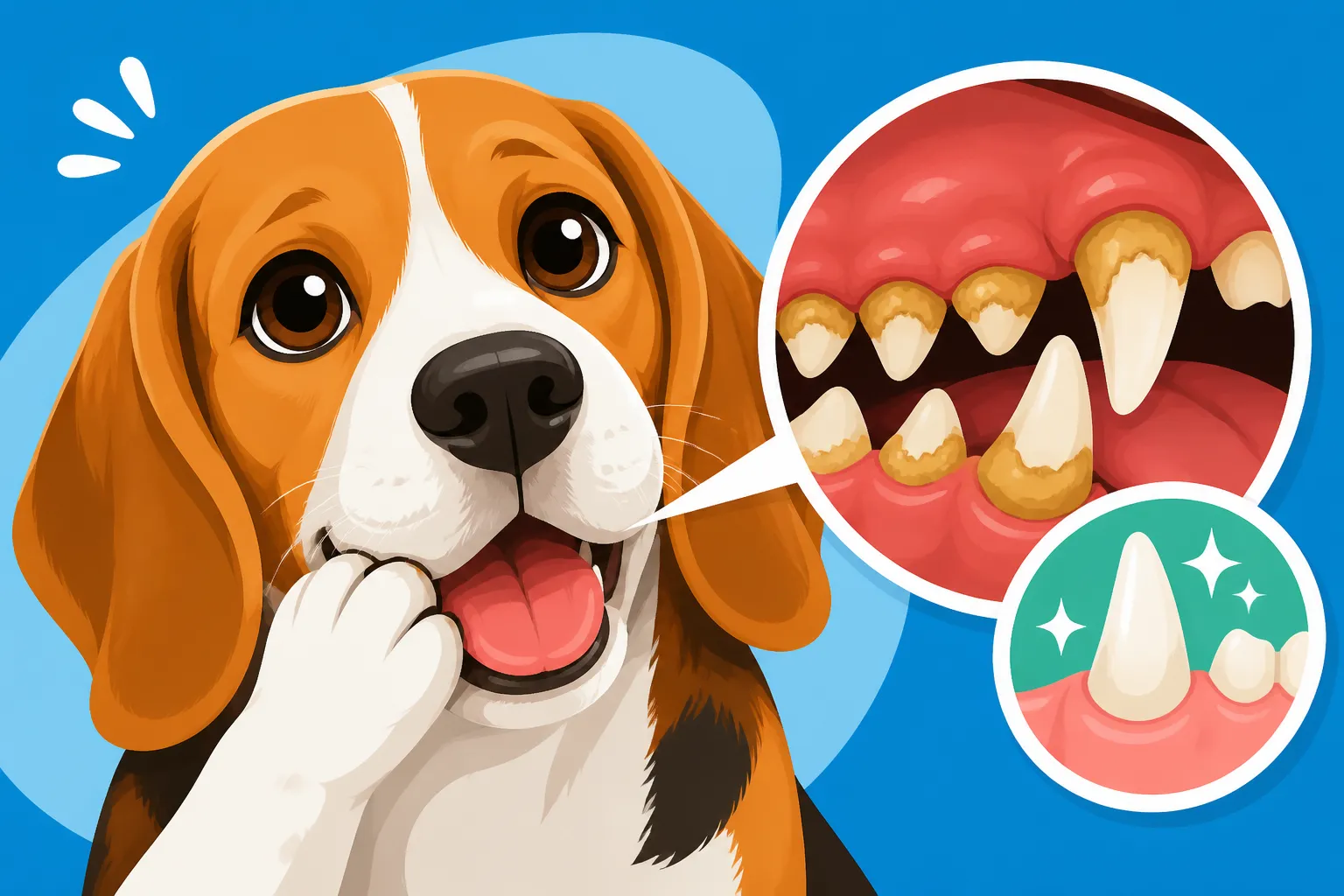
Now, if that plaque isn't removed within about 24-48 hours, it starts to mineralize, hardening into what we know as tartar, or calculus. This is the stuff that looks yellow, brown, or even gray, often accumulating at the gum line. Once plaque has hardened into tartar, no amount of brushing, dental chews, or water additives will remove it. It's like concrete on their teeth. At that point, the only way to get rid of it is through a professional dental cleaning under anesthesia at your vet's office, where specialized tools are used to scale it away. This hardening process is why consistent, daily effort to remove plaque is so crucial; you're trying to stop it before it becomes irreversible tartar.
Daily Home Care Strategies to Combat Tartar
The battle against Beagle tartar begins at home, every single day. While professional cleanings are sometimes inevitable, your daily routine can dramatically extend the time between them and improve your Beagle's overall oral health.
The Gold Standard: Daily Brushing
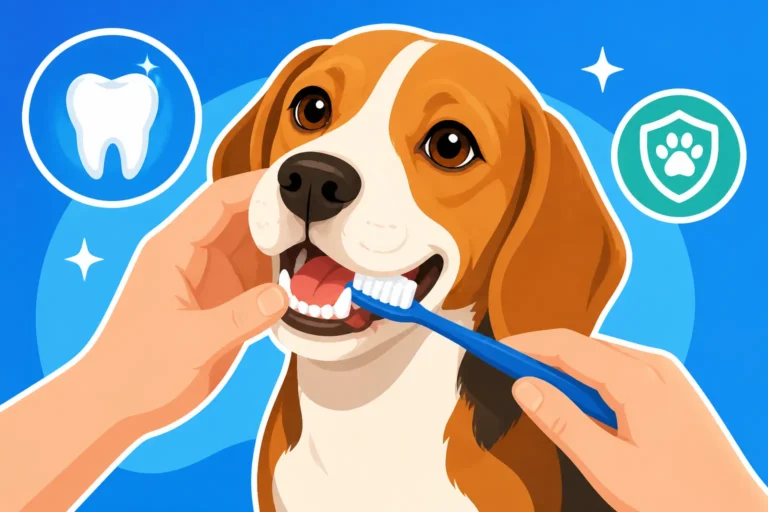
Let's be real, daily tooth brushing sounds daunting, especially with a Beagle who might rather sniff out a squirrel than have you poking around their mouth. But truly, this is the single most effective way to remove plaque before it hardens into tartar. Start slowly and make it a positive experience. You don't need to tackle every tooth perfectly right away. Begin by just letting your Beagle lick a tiny bit of dog-specific toothpaste (never human toothpaste!) off your finger. These toothpastes often come in appealing flavors like poultry or beef, which can be a huge motivator for our food-driven Beagles. You can find excellent options from brands like Virbac or C.E.T. on sites like Chewy.
Once they're comfortable with the taste, introduce a finger brush – a small brush that fits over your finger – or a very soft pet toothbrush. Focus on the outside surfaces of the teeth, especially the canines and molars, where plaque tends to accumulate most. Gentle, circular motions along the gum line are best. Keep sessions short and sweet, always ending with praise and a small, high-value reward. Consistency is far more important than perfection in the beginning. Gradually, you can increase the duration and try to reach more teeth. It might take weeks or even months for your Beagle to truly accept it, but it's worth the effort. Think of it as a brief, positive interaction, not a wrestling match. For tips on starting early, you might find guidance in Brushing a Beagle's Teeth From Puppyhood On.
Dental Chews and Toys: More Than Just a Treat
Beyond brushing, strategically chosen dental chews and toys can offer a valuable line of defense. These aren't just entertainment; many are designed with textures and ingredients to physically scrape plaque off teeth or release enzymes that break down bacteria. Look for veterinary-approved dental chews that carry the Veterinary Oral Health Council (VOHC) seal, indicating they meet standards for plaque or tartar reduction. Brands like Greenies, Oravet, and Ark Naturals often have VOHC-approved options available on platforms like Amazon or Chewy.
When selecting a chew, consider your Beagle's chewing style. Some Beagles are gentle nibblers, while others are power chewers who can destroy anything in minutes. Choose a chew that's appropriately sized for your Beagle, tough enough to last a few minutes (but not so hard it could fracture a tooth), and always supervise them, especially with new chews, to prevent choking or ingesting large pieces too quickly. Interactive chew toys, like those made from durable rubber that you can stuff with a small amount of toothpaste or a dental treat, can also provide extended chewing time and mechanical cleaning. It's important to remember that these are supplements to, not replacements for, brushing. For safety, also consider Chews a Beagle Cannot Swallow in One Go.
Water Additives and Oral Rinses
Water additives and oral rinses offer an easier, though typically less effective, way to support dental hygiene. These products work by releasing antibacterial agents into your Beagle's mouth, helping to reduce the bacteria that form plaque. Water additives are simply poured into your dog's drinking water, making them incredibly convenient. Oral rinses can be applied directly to the gums or teeth, often with a saturated gauze pad, for a more targeted approach.
The appeal of these products is clear: minimal effort. However, their efficacy can vary greatly depending on the product and how consistently they are used. They are best thought of as part of a multi-pronged approach, especially for Beagles who absolutely refuse brushing, rather than a standalone solution. Always choose products specifically designed for dogs and consult your vet before introducing them, especially if your Beagle has any existing health conditions or sensitivities. You want to ensure you're using something safe and genuinely beneficial. These can be a good option for owners who struggle with brushing and are looking for any extra layer of protection against Beagle Dental Disease and Tartar Buildup.
Nutritional Approaches to Support Dental Health
What goes into your Beagle's bowl can also play a subtle but significant role in their ongoing dental health. It's not just about cleaning; it's about giving their body the best chance to maintain oral wellness.
Dental Diets and Kibble Design
Certain specialized dental diets are formulated specifically to help reduce plaque and tartar. These aren't your everyday kibbles; they're engineered with dental health in mind. Often, the kibble pieces are larger and have a unique texture that encourages more chewing, which helps to mechanically scrape plaque off the tooth surface as your Beagle crunches down. Some also contain a special fiber matrix that scrubs the teeth or ingredients that prevent plaque mineralization.
Brands like Hill's Prescription Diet t/d or Royal Canin Dental are examples of vet-prescribed dental diets that have a VOHC seal for tartar control. These can be particularly helpful for Beagles who are already showing significant plaque buildup or who are resistant to other forms of home dental care. While they can be a bit pricier than standard kibble, the potential savings in reduced veterinary dental cleanings can make them a worthwhile investment. It's a way to integrate a dental health strategy into something your Beagle already does multiple times a day: eat! For general dietary budgeting, you might also want to consult Beagle Food Budgets for a Dog That Never Stops Eating.
Balancing Treats and Mealtime for Oral Health
For a breed as food-motivated as a Beagle, every treat and mealtime offers both an opportunity and a challenge when it comes to dental health. It's crucial to integrate dental-friendly treats without inadvertently packing on the pounds, as obesity can lead to a host of other health issues. When you're using treats for training, opt for small, low-calorie options, or even better, use pieces of their regular dental kibble. This way, every reward contributes to their oral health without adding unnecessary calories.
Consider puzzle feeders or snuffle mats for their meals. These tools slow down eating, making your Beagle work for their food and encouraging more deliberate chewing. This extends mealtime, which can be beneficial for digestion and offers more opportunities for the kibble to rub against their teeth. Remember, managing your Beagle's weight is critical for their overall health, including their joints and heart, and also impacts their dental health. An overweight Beagle might be less active, which can indirectly affect their willingness to chew or play with dental toys. Keeping them at a healthy weight is paramount, so consider learning more about Beagle Weight Management Across the Two Size Varieties and Training a Beagle Without Making It Fat.
Recognizing Signs of Trouble and When to Call the Vet
Even with the best home care, it's vital to be vigilant for signs that your Beagle's dental health is declining and that professional intervention is needed. Catching issues early can prevent more severe pain and costly treatments down the line.
What to Look and Smell For
The most obvious and often first sign of dental trouble is halitosis, or really bad breath. While no dog's breath smells like roses, a sudden or unusually foul odor often points to a buildup of bacteria in the mouth, indicating significant plaque or tartar, or even an infection. If your Beagle's breath makes you wince, it's time to take a closer look. You might notice their gums are red, swollen, or even bleeding, especially near the tooth line. Healthy gums should be a pale pink, not angry red. You'll definitely see the yellow, brown, or black crusty buildup of tartar, particularly on the outer surfaces of the upper canines and molars. For more details on this, check out Beagle Bad Breath Coming From the Tooth Roots.
Beyond visual cues, watch for changes in behavior. Is your Beagle suddenly reluctant to eat, especially hard kibble or chews? Are they dropping food, chewing only on one side of their mouth, or pawing at their face? Excessive drooling, changes in appetite, or even just acting a bit more subdued can all be subtle indicators of oral pain. Sometimes, a Beagle in pain might be less willing to have their mouth touched or inspected. Don't dismiss these signs; they are your Beagle's way of telling you something is wrong.
The Importance of Regular Vet Check-ups
Even if you're a superstar at home dental care, routine veterinary check-ups are non-negotiable for a Beagle. Your vet can assess the overall health of their mouth, spot early signs of gum disease, and identify any issues you might miss. They can also advise on the best schedule for professional dental cleanings. These cleanings, which are always performed under general anesthesia, allow your vet to thoroughly scale away all plaque and tartar, both above and below the gum line. This subgingival cleaning is impossible to do on an awake animal and is critical for preventing periodontal disease, which is damage to the structures supporting the teeth.
During the anesthetic cleaning, your vet will also perform a full oral exam, often including dental X-rays, to check for problems lurking beneath the gum line, such as abscesses, bone loss, or impacted teeth. It might feel like a big step, but professional cleaning is an essential part of preventing serious infections, pain, and eventual tooth loss. Discuss with your vet when your Beagle might need their first cleaning, or if they're overdue. Early intervention can literally save teeth and prevent your Beagle from enduring chronic pain. For more on this, read Beagle Dental Cleaning Under Anesthesia or When a Beagle Needs Its First Dental Cleaning.
| Home Care Method | Primary Benefit | Effort Level | Cost (Initial/Ongoing) | Best Use Case |
|---|---|---|---|---|
| Daily Tooth Brushing | Removes soft plaque mechanically | High | Low | Gold standard, most effective plaque prevention |
| Dental Chews/Treats | Mechanical scraping, enzymatic action | Medium | Medium | Supplement to brushing, good for mild buildup |
| Water Additives/Rinses | Reduces oral bacteria | Low | Low | As a supplement, for brushing-resistant dogs |
| Dental Diets | Mechanical scrubbing (kibble design) | Low | High | For Beagles prone to quick buildup, or as sole method |
Disclaimer
This article is for general informational purposes only and does not constitute professional advice. Laws, prices and regulations vary by location and change over time. Consult a qualified professional for guidance on your specific situation.