Brushing a Beagle’s Teeth From Puppyhood On
One of the most common yet often overlooked health issues for Beagles is dental disease, a silent enemy that can lead to pain, infection, and even more serious systemic health problems if left unchecked. Many of us get so caught up in the puppy zoomies and training antics that we forget about those pearly whites until there's a problem. This guide is here to walk you through everything you need to know about starting a consistent dental care routine for your Beagle, right from puppyhood, to help prevent these painful and costly issues down the road.
Why Dental Care is Critically Important for Your Beagle
You might think a little bad breath is just part of having a dog, especially a Beagle who's always sniffing out interesting (and sometimes questionable) things. But that "dog breath" is often the first sign that something isn't quite right in your pup's mouth, and for a Beagle, dental health is much more than just a fresh smile. Their genetics and their often relentless food drive can make them particularly susceptible to oral health problems, making proactive care a non-negotiable part of their well-being.
The Silent Threat: Plaque, Tartar, and Gum Disease
It all starts with plaque, a sticky film of bacteria, saliva, and food particles that constantly forms on your Beagle's teeth. Just like in humans, if plaque isn't removed regularly, it hardens into tartar (calculus) within a couple of days. Tartar is much tougher and adheres firmly to the tooth surface, making it impossible to remove with brushing alone. Once tartar forms, it creates a rough surface where more plaque can accumulate, accelerating the whole process.
This build-up doesn't just look unsightly; it creates an ideal environment for bacteria to thrive beneath the gum line. This leads to gingivitis, an inflammation of the gums that causes redness, swelling, and bleeding. If gingivitis is allowed to progress, it can develop into periodontal disease, which is a much more serious infection that damages the tissues and bone supporting the teeth. This is where the real pain begins for your Beagle, often without any obvious signs until the disease is quite advanced. A Beagle's instinct to push through discomfort means they often hide their pain very well, leaving owners unaware until a trip to the vet reveals significant issues. This is why understanding Beagle Dental Disease and Tartar Buildup is so vital for their long-term health.
How Dental Issues Affect Overall Beagle Health
The problems don't stop in the mouth. Periodontal disease is an infection, and like any infection, the bacteria can enter your Beagle's bloodstream through the inflamed gum tissue. Once in the bloodstream, these bacteria can travel to vital organs like the heart, kidneys, and liver, causing secondary infections and contributing to serious systemic health conditions. For a breed like the Beagle, who we want to live a long and happy Beagle Lifespan and the Twelve to Fifteen Year Range, this is a serious concern.
Imagine your otherwise energetic Beagle slowly becoming lethargic, losing their appetite, or showing subtle signs of discomfort when eating. You might initially attribute it to age or another illness, when in reality, the root cause could be a chronic dental infection silently wreaking havoc on their internal organs. This silent progression is what makes consistent dental care, starting early, so incredibly important. It's not just about fresh breath; it's about protecting their entire body from preventable illness.
Starting Early: Brushing a Beagle Puppy's Teeth
The best time to introduce dental care is when your Beagle is a young puppy. At this stage, they are usually more adaptable and receptive to new experiences. Building a positive association with mouth handling and brushing early on will make the process much smoother throughout their lives. Don't wait until you notice bad breath or visible tartar; by then, you're playing catch-up.
Getting Your Puppy Accustomed to Mouth Handling
Before you even think about a toothbrush, your puppy needs to be comfortable with you touching their mouth, lips, and teeth. Start by making this a very gentle, positive experience. While your puppy is relaxed (perhaps after a play session or during cuddle time), gently stroke their muzzle. As they get used to this, gradually lift their lips for a few seconds, talking in a calm, reassuring voice. Always follow this with praise and a tiny, high-value treat. Repeat this several times a day, keeping sessions very short – think 10-20 seconds at most. The goal here is exposure and positive reinforcement, not thorough cleaning just yet.
Once they tolerate lip lifting, introduce a gentle finger massage to their gums and teeth. You can even dip your finger in some dog-specific toothpaste (never human toothpaste!) to make it tastier. Let them lick the paste off your finger. Again, short sessions, lots of praise, and a reward. Consistency is key here. You're building a foundation of trust and acceptance that will serve you well for all future grooming and vet visits.
Introducing the Toothbrush and Paste
Once your Beagle puppy is happy with your fingers in their mouth, it's time to introduce the actual tools. There are various dog toothbrushes available, from finger brushes that slip over your digit to traditional bristle brushes designed for a dog's mouth. For puppies, a soft finger brush or a very small, soft-bristled brush is usually best.
First, let your puppy sniff and investigate the toothbrush. Put a pea-sized amount of dog-specific toothpaste on it and let them lick it off. This helps them associate the brush with a pleasant taste. Dog toothpastes come in appealing flavors like chicken, beef, or peanut butter, which can be a huge motivator. Avoid human toothpaste at all costs, as it contains fluoride and other ingredients that are toxic if swallowed by dogs. You can find a wide variety of dog-specific toothbrushes and pastes on sites like Chewy or Amazon, giving you plenty of options to find what works best for your pup.
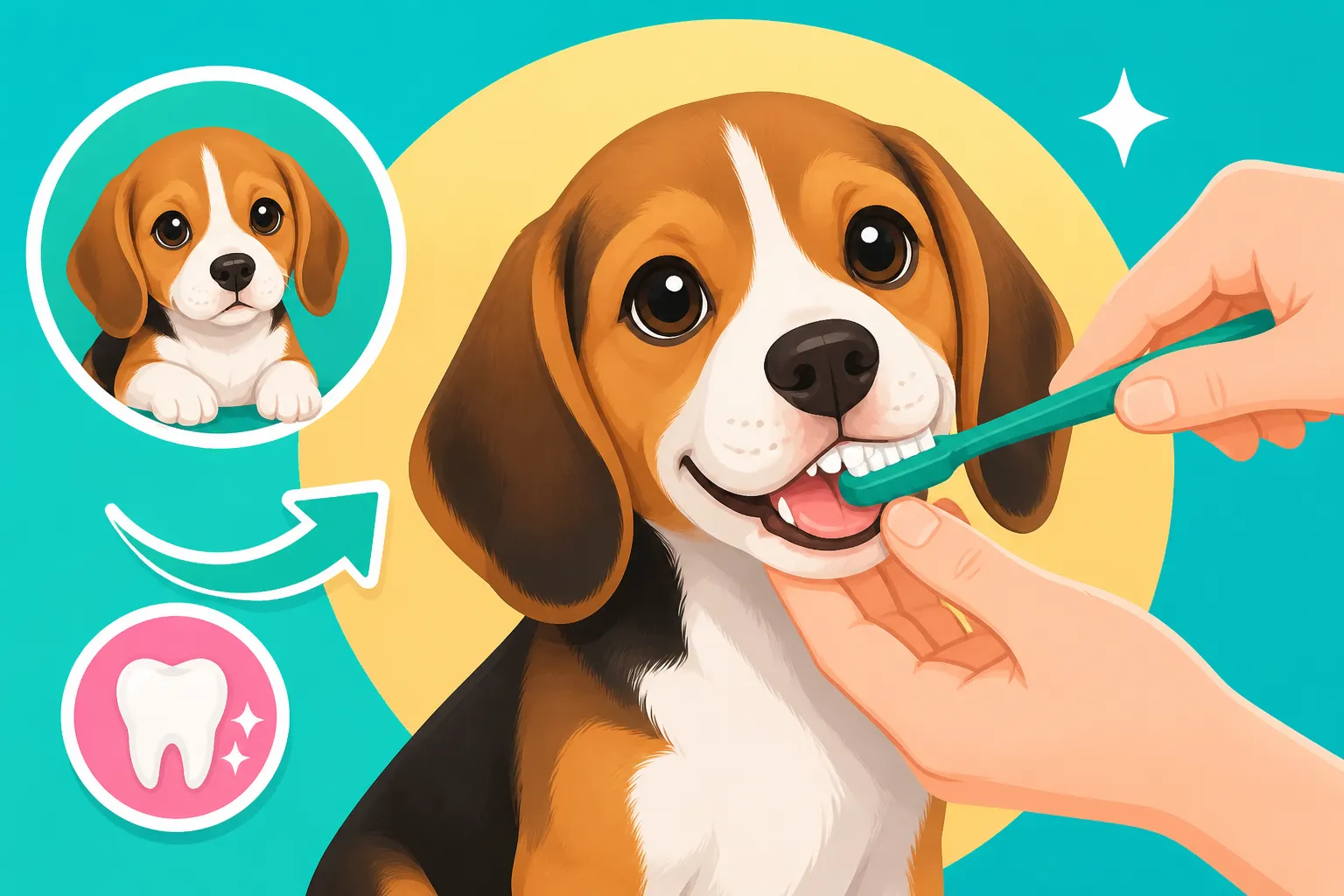
Once they're happy licking the paste, start with very brief brushing sessions. Gently lift their lip and brush just one or two teeth for a few seconds. Focus on the outside surfaces of the upper canines and molars first, as these tend to accumulate plaque fastest. Keep it light, praise them profusely, and immediately reward with a special treat. If they resist, stop and try again later. Never force it, as this can create a negative association that's hard to break. Remember, you're playing the long game here.
Making it a Positive Experience
The key to successful dental care throughout your Beagle's life is making it a positive, even enjoyable, routine. Think of it as another bonding activity. Always use a calm, cheerful voice. Associate brushing with something your Beagle loves, like a specific high-value treat, a favorite toy, or even a short play session immediately afterward.
Consistency is more important than perfection in the beginning. Even a few seconds of gentle brushing daily is better than an intense, stressful session once a week. Over time, as your puppy grows, you can gradually increase the duration and coverage, aiming to brush most of their teeth. Establishing this routine early also sets them up for future professional dental cleanings, making those less stressful for everyone involved. For a comprehensive overview of dental health and when professional intervention might be needed, check out When a Beagle Needs Its First Dental Cleaning.
Tools and Techniques for Effective Beagle Dental Care
Having the right tools is half the battle when it comes to keeping your Beagle's teeth clean. With so many options out there, it can feel a bit overwhelming, but focusing on dog-specific products that are safe and effective is key.
Choosing the Right Toothbrush for a Beagle
The "best" toothbrush for your Beagle often comes down to personal preference and what your dog tolerates.
- Finger Brushes: These slip over your finger and have soft silicone bristles. They offer excellent control and direct contact, which can be great for puppies and Beagles new to brushing. They're very gentle.
- Traditional Dog Toothbrushes: These look like human toothbrushes but are designed with angled heads and softer bristles to better fit a dog's mouth and reach those back teeth. Sizes vary, so pick one appropriate for your Beagle's mouth size (small to medium dog brush).
- Dual-Headed Brushes: Some brushes have two heads at different angles, making it easier to clean both the inside and outside surfaces of the teeth simultaneously.
- Electric Toothbrushes for Dogs: While less common, these exist and can be very effective, but they require a very cooperative dog who is comfortable with the vibration and sound. Not typically recommended for beginners.
Start simple and be prepared to experiment. Many owners find a finger brush easiest for initial training, then transition to a small, soft-bristled dog toothbrush as their Beagle becomes more accepting. You can easily find all these types of brushes on platforms like Amazon or Chewy.
Picking a Dog-Safe Toothpaste
This is critical: only use toothpaste specifically formulated for dogs. Human toothpastes often contain fluoride, xylitol (a common artificial sweetener highly toxic to dogs), and detergents that are meant to be spit out, not swallowed. Dog toothpastes are designed to be swallowed and often contain enzymes that help break down plaque.
As mentioned, they come in flavors Beagles tend to love, like poultry, beef, peanut butter, or even mint. Experiment with a few flavors to see which one your Beagle enjoys most. The taste can be a huge motivator.
The Actual Brushing Method
Once you have your chosen brush and paste, here's a step-by-step approach to brushing your Beagle's teeth:
- Prepare: Get your toothbrush ready with a pea-sized amount of dog toothpaste. Have your high-value reward ready.
- Position: Find a comfortable position for both you and your Beagle. Some prefer to sit on the floor with their Beagle between their legs, others have their dog on their lap or a raised surface. The goal is to minimize wriggling.
- Lift the Lip: Gently lift your Beagle's upper lip to expose their teeth and gums.
- Angle the Brush: Hold the brush at a 45-degree angle to the gum line, ensuring the bristles reach the area where the tooth meets the gum. This is where plaque and tartar accumulate most.
- Small Circles: Using small, gentle circular motions, brush a few teeth at a time. Work your way from the back teeth towards the front.
- Focus Areas: Concentrate primarily on the outer surfaces of the teeth, as these are most prone to plaque build-up. If your Beagle tolerates it, try to brush the inside surfaces as well, though these tend to get some natural cleaning from their tongue.
- Praise and Reward: After a short session (aim for 30-60 seconds if possible, gradually increasing), praise your Beagle enthusiastically and immediately give them their special treat.
- Consistency: Aim for daily brushing. If daily isn't possible, every other day is a good second best. The more frequently you brush, the less plaque has a chance to harden into tartar.
Remember that any effort is better than no effort. Even if you only manage to brush a few teeth effectively, you're making a difference.
Other Dental Aids for Beagles
While brushing is the gold standard, other products can complement your routine, but they should never replace it.
- Dental Chews: There are many dental chews on the market designed to help reduce plaque and tartar through mechanical abrasion or specific enzymes. Look for products vetted by the Veterinary Oral Health Council (VOHC) for proven efficacy. Brands like Greenies or Oravet offer popular options. Always supervise your Beagle with chews, especially a notorious gulper, to prevent choking or intestinal blockages.
- Water Additives: These products are added to your Beagle's drinking water and contain ingredients that help reduce bacteria in the mouth. They can be a good supplementary measure, but again, don't rely on them as your sole dental care solution.
- Dental Diets: Some prescription veterinary diets are formulated with special kibble textures or ingredients that help scrape plaque off teeth as your dog eats. These are typically recommended by your vet if your Beagle has specific dental needs. Some fresh food services, like Ollie, focus on nutrient-rich, quality ingredients that can support overall health, including oral health, but still necessitate active dental care.
- Wipes: Dental wipes can be useful for removing plaque from the tooth surface, especially for Beagles who absolutely refuse a toothbrush. They are less effective than brushing but certainly better than nothing.
These aids are great additions, especially for Beagle Tartar Between Professional Cleanings, but they are most effective when used in conjunction with regular brushing.
Addressing Challenges and Ensuring Long-Term Oral Health
Even with the best intentions, maintaining a consistent dental routine for a Beagle can present challenges. Their stubbornness, their strong prey drive (which can distract them), and simply the physical act of getting into their mouth can all be hurdles. But with patience and persistence, you can overcome most of these.
Dealing with Resistance
If your Beagle resists brushing, go back to basics. Are you going too fast? Is the toothpaste flavor unpleasant? Are your sessions too long?
- Slow Down: Revisit the mouth-handling exercises. Spend more time just gently touching their muzzle and lifting their lips, rewarding them heavily for tolerance.
- Change Toothpaste Flavor: This is a simple fix that can make a huge difference. Try a different flavor until you find one your Beagle loves.
- Shorter Sessions: Keep brushing sessions incredibly brief at first, just 10-20 seconds. Focus on one small area and build up gradually.
- Positive Reinforcement: Always end on a positive note, even if you only managed a quick swipe. Use their absolute favorite treat or toy immediately afterward. Make it the highlight of their day.
- Timing: Try brushing when your Beagle is naturally calm, perhaps after a long walk or a meal when they're settled.
- Consult a Professional: If you're really struggling, talk to your vet or a professional dog trainer. They can offer personalized tips and demonstrate proper techniques.
When Professional Help is Needed
Despite your best efforts, some Beagles will develop dental issues that require professional attention. You should consult your veterinarian if you notice any of the following:
- Severe Bad Breath: While some "dog breath" is normal, an unusually foul odor, especially one that is stronger than usual, could indicate significant infection. This could be a sign of Beagle Bad Breath Coming From the Tooth Roots.
- Red, Swollen, or Bleeding Gums: These are clear signs of gingivitis or more advanced periodontal disease.
- Visible Tartar Buildup: If you see hard, brownish or yellowish deposits on the teeth, brushing alone won't remove them.
- Loose or Missing Teeth: Advanced disease can cause teeth to become unstable or fall out.
- Difficulty Eating or Dropping Food: Painful teeth can make chewing uncomfortable.
- Pawing at the Mouth or Excessive Drooling: These are signs of oral pain.
- Facial Swelling: An abscessed tooth can cause swelling under the eye or on the jaw.
If you observe any of these symptoms, it's crucial to schedule a veterinary dental exam. Your vet will assess the severity of the problem and likely recommend a professional dental cleaning under anesthesia. During this procedure, they can thoroughly scale away tartar, polish teeth, take X-rays to check for issues below the gum line, and address any extractions if necessary. For more information on what constitutes an emergency, particularly with dental pain or infection, see Beagle Emergency Signs That Cannot Wait Until Morning.
Maintaining Consistency for a Lifetime
Dental care isn't a one-time fix; it's a lifelong commitment. As your Beagle ages, their dental needs may change, and the risk of disease tends to increase. Senior Beagle Care After the Age of Ten often involves heightened awareness of dental health.
Regular brushing, annual veterinary dental check-ups, and the use of supplemental dental aids will contribute significantly to your Beagle's overall health and comfort. It might seem like a chore now, but preventing painful dental disease and potentially expensive procedures like Beagle Tooth Extractions in Old Age is well worth the effort. Think of it as investing in your Beagle's happiness and health for every single year they're with you.
Here's a quick comparison of popular toothbrush types for dogs:
| Toothbrush Type | Pros | Cons | Ideal For |
|---|---|---|---|
| Finger Brush | Excellent control, gentle, good for puppies | Can be chewed, limited reach for back teeth in larger Beagles | Puppies, Beagles new to brushing, sensitive gums |
| Bristle Toothbrush | Better reach, more effective plaque removal | Requires more cooperation, can be awkward for small mouths | Adult Beagles accustomed to brushing, thorough cleaning |
| Dual-Headed Brush | Cleans both sides of teeth simultaneously | Can be bulky for smaller Beagle mouths, may still require practice | Cooperative Beagles, efficient cleaning |
By integrating these practices into your daily routine, you're not just brushing teeth; you're building a healthier, happier future for your beloved Beagle.
Disclaimer
This article is for general informational purposes only and does not constitute professional advice. Laws, prices and regulations vary by location and change over time. Consult a qualified professional for guidance on your specific situation.