Removing a Tick From Inside a Beagle Ear
Finding a tick on your beloved Beagle is enough to make any dog owner's heart jump into their throat, and discovering one nestled deep within that long, floppy ear can feel particularly daunting. It’s a delicate area, and the thought of causing pain or leaving part of the tick behind is a genuine fear. This guide will walk you through the process of safely and effectively removing a tick from your Beagle's ear, minimizing stress for both of you and ensuring proper aftercare.
Why Beagle Ears Are Prime Tick Real Estate
Let's be honest, those adorable, velvety Beagle ears, which are so characteristic of the breed, are also, unfortunately, a perfect hideout for ticks. As much as we love them, they create an ideal environment for these unwelcome hitchhikers.
The Perfect Hiding Spot
Beagles are naturally curious dogs, always with their noses to the ground, exploring every bush and patch of tall grass. This makes them prime targets for ticks in the first place. But beyond that, their long, pendulous ears offer ticks a unique haven. The folds and crevices inside provide excellent camouflage, making ticks harder to spot. They can burrow deep, latching onto the skin where it's warm, moist, and protected from light and air. It’s like a five-star resort for a tick looking to settle in for a meal. You might check your Beagle's body religiously, only to find a tick that has been hiding in plain sight (or rather, out of sight) within an ear flap.
Moisture and Warmth: A Tick's Paradise
Beyond the physical folds, the environment inside a Beagle’s ear is naturally warmer and often more humid than other parts of their body. This is especially true after a romp outside or even just during warmer weather. Ticks thrive in these conditions. Once they latch on, the warmth helps them settle, and the moisture can prevent the skin from drying out around them, making their attachment more secure. This also means that if you’ve been on a hike through dewy grass or after a swim, those ears become even more inviting to ticks. It's why performing Tick Checks After Every Beagle Outing is so crucial, paying extra attention to those ear canals.
Dense Fur and Sensitive Skin
Beagle ears, while not as heavily furred as some breeds, still have enough density to provide cover for ticks. The fine hairs surrounding the inner ear can make a small tick incredibly difficult to see until it's engorged. Moreover, the skin inside a Beagle's ear is quite delicate and thin, which means a tick bite here can be more irritating or prone to localized infection than on thicker skin areas. This sensitivity also complicates removal, as you need to be extra gentle to avoid tearing the skin or causing unnecessary pain. This delicate skin is also why Beagles are prone to Beagle Ear Infections Under Those Long Ears, making regular checks for foreign bodies or irritation even more important.
Essential Tools for Safe Tick Removal
When you spot a tick, especially in such a sensitive area as your Beagle's ear, the immediate urge is often to just grab it. But trust me, using the right tools makes all the difference for a clean, safe removal that won't leave any nasty surprises behind.
The Right Tick Removal Devices
Forget the tweezers you use for your eyebrows; they're often too blunt or too sharp and can easily snap the tick's body, leaving its head embedded in your Beagle's skin. Specialized tick removal tools are designed to get under the tick and lift it out whole. You'll find a few main types, each with its own advantages:
- Tick Twisters/Hooks: These clever tools, often shaped like a tiny crowbar or a hooked spoon, are fantastic. You slide the hook underneath the tick, close to the skin, and then twist. The twisting motion gently dislodges the tick without squeezing its body. This is my personal favorite for those tricky spots because it's so effective and minimizes the risk of leaving mouthparts behind. You can often find these at pet stores or easily order them online from places like Chewy or Amazon.
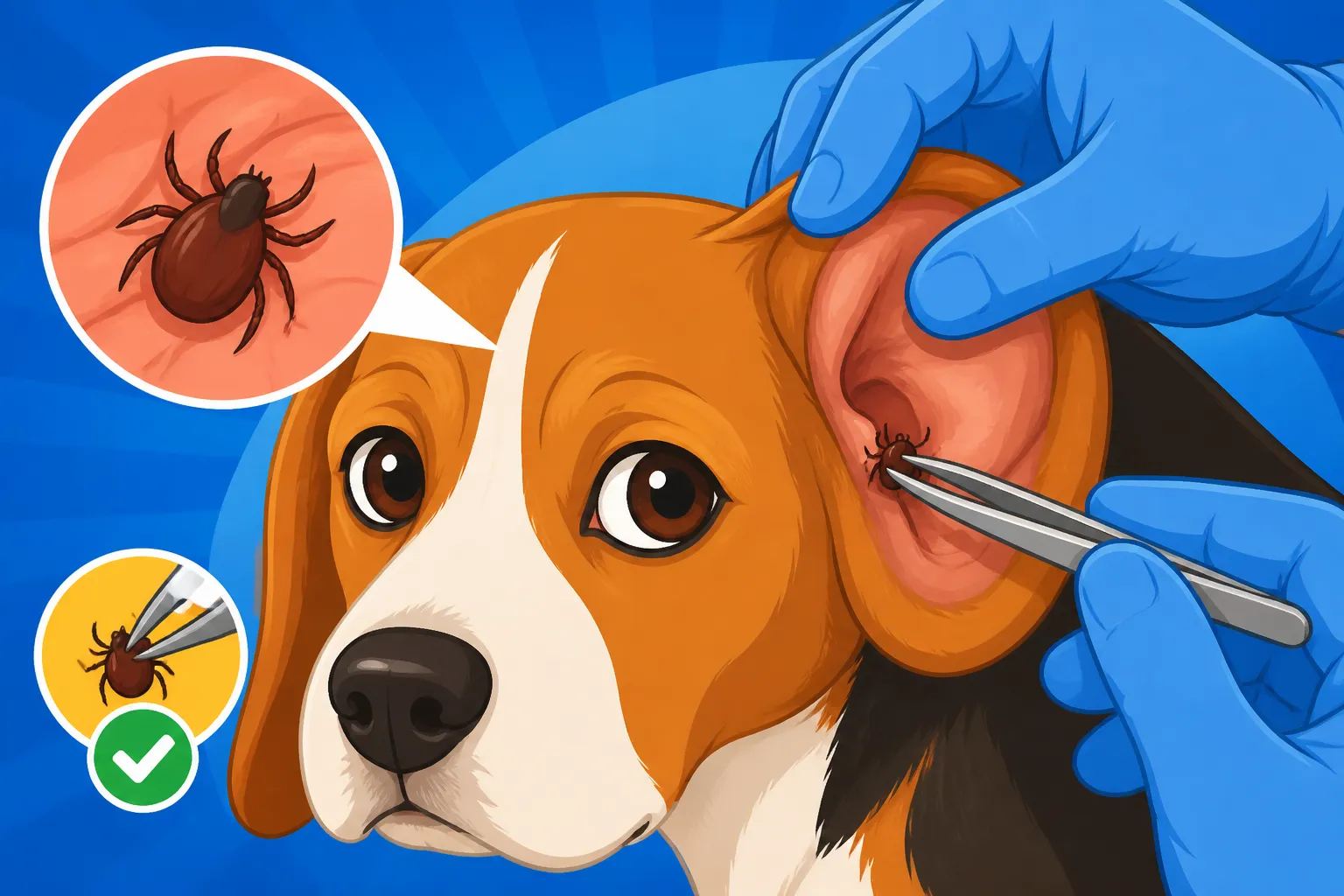
- Fine-tipped Tweezers: If you don't have a specialized tool, fine-tipped tweezers are your next best bet. The key here is fine-tipped. You want to grasp the tick as close to your Beagle's skin as possible, around the head, not the engorged body. Then, pull upward with steady, even pressure. Avoid twisting or jerking with regular tweezers, as this increases the risk of breaking the tick.
- Tick Spoons/Cards: These are flat plastic tools with a V-shaped notch that you slide under the tick and then lift. They work similarly to twisters but might require a bit more leverage. They're usually quite compact and great to keep in a first-aid kit.
Here's a quick comparison of common tick removal tools:
| Tool Type | Best For | Pros | Cons |
|---|---|---|---|
| Tick Twister/Hook | All tick sizes, especially engorged ones | Designed for safe, complete removal; minimizes squeezing body | Can be fiddly in very tight spaces like deep ear canals if not practiced |
| Fine-Tipped Tweezers | Small to medium ticks | Readily available; good control if used correctly | Easy to break tick body or leave mouthparts if not used with extreme care and precision; not ideal for large, engorged ticks |
| Tick Spoon/Card | Medium to large ticks | Easy to use with practice; good for larger, flatter ticks | Might not get a good grip on very small ticks or those in deep crevices; requires clear access to slide under tick |
Other Essential Supplies
Beyond the removal tool itself, having a few other items on hand will make the process smoother and safer:
- Gloves: Disposable gloves are a must! Ticks can carry diseases, and you don't want to risk touching them directly.
- Antiseptic Wipe or Alcohol: To clean the area after removal. Never put alcohol on an attached tick, as it can irritate the tick and cause it to regurgitate stomach contents into your Beagle, increasing the risk of disease transmission.
- Jar with Alcohol or Rubbing Alcohol: For tick disposal. You need a way to kill the tick once it's removed. Dropping it into a small jar with rubbing alcohol or even flushing it down the toilet (though alcohol is more certain) will ensure it's dead and can't reattach or lay eggs. Some people even prefer to save the tick in alcohol to show their vet, especially if their Beagle starts showing signs of illness.
- Treats!: High-value treats are crucial for keeping your Beagle calm and cooperative. Ticks aren't fun, and the ear is a sensitive area. A continuous stream of their favorite snacks can distract them from the discomfort.
- Flashlight or Headlamp: Even in a well-lit room, those ear folds can cast shadows. A small flashlight will help you clearly see the tick and your removal area.
- Another Person (Optional but Recommended): If your Beagle is particularly squirmy, an extra set of hands to hold them gently and offer treats can be incredibly helpful.
Step-by-Step Guide to Removing a Tick from a Beagle's Ear
Okay, deep breaths! We've got our tools, we've got our brave Beagle (with promises of treats), and we're ready to tackle this. Remember, patience and gentleness are key, especially in such a sensitive spot.
Preparing Your Beagle and the Area
First things first, get your Beagle comfortable. Find a quiet, well-lit space where you can both relax as much as possible. If you have another person to help, now’s the time to enlist them. Their job will be to gently hold your Beagle steady and offer a steady stream of irresistible treats. This is not the time for strict obedience; it's about making it as positive an experience as possible.
Gently part the fur around your Beagle's ear to get a clear view of the tick. This might involve carefully folding back the ear flap. Use your flashlight to illuminate the area fully. Identify where the tick is attached, paying close attention to where its mouthparts enter the skin. The goal is to get as close to the skin as possible without actually pinching the skin itself. This is particularly important with Beagle Ear Infections and the Drooping Ear Flap, as the skin might already be irritated.
The Removal Process
Now for the main event. Remember to wear your gloves!
- Position Your Tool: If using a tick twister, slide the fork-like end or hook underneath the tick, making sure to get it as close to your Beagle's skin as possible, encasing the tick's head. If using fine-tipped tweezers, grasp the tick firmly as close to the skin as you can, again aiming for the head, not the body.
- Twist or Pull:
- For Tick Twisters: Once the tick is securely engaged in the hook, gently twist the tool in one continuous motion. Most twisters recommend turning a full revolution (360 degrees) or until the tick detaches. Don't pull straight up; the twisting action is what helps release the tick's embedded mouthparts.
- For Fine-Tipped Tweezers: Once you have a firm grip on the tick's head, pull upward with steady, even pressure. Do not twist, jerk, or squeeze the tick's body. The goal is to pull it straight out, slowly and consistently, until it releases its hold.
- Inspect the Tick: Once removed, immediately drop the tick into your jar of alcohol to kill it. Inspect the tick to ensure it's whole and that no mouthparts have broken off and remained in your Beagle's skin. If you suspect mouthparts are still present, don't try to dig them out yourself. This is a good time to remember that a little bit of mouthpart left behind isn't usually dangerous, but digging can cause more harm.
- Inspect the Bite Site: Look closely at the spot where the tick was attached. It might be slightly red or inflamed, which is normal. Confirm there are no tick fragments left.
This process can be a little nerve-wracking, especially with a wiggly Beagle. Don't be afraid to take a break, offer more treats, and try again if your dog gets too stressed.
Disposal of the Tick
Once the tick is in the alcohol, it's incapacitated and will die. You can then dispose of the sealed jar in the trash. As mentioned, some owners prefer to keep the tick for a few days, especially if their vet might want to see it later should their dog develop symptoms. Just be sure it's fully submerged and sealed.
Aftercare and What to Watch For
The tick is gone – hooray! But your job isn't quite finished. Proper aftercare is crucial to prevent infection and monitor for any potential health issues.
Cleaning the Bite Site
Once the tick is completely removed, gently clean the bite area on your Beagle’s ear with an antiseptic wipe or a small amount of rubbing alcohol on a cotton ball. This helps to reduce the risk of secondary bacterial infection. Avoid harsh scrubbing; a gentle wipe is all that's needed. Keep an eye on the area over the next few days. It's normal for it to be a little red, slightly raised, or itchy for a day or two, much like a mosquito bite would be on us. This irritation is usually minor and resolves on its own. If you notice your Beagle constantly scratching or shaking their head, it could be a sign of continued irritation or even the start of an ear infection, which Beagles are very susceptible to. If you see signs like redness, swelling, or discharge, this is a definite alert for Beagle Ear Infection Symptoms to Catch Early.
Monitoring for Signs of Illness
This is perhaps the most important part of aftercare. Ticks can transmit various diseases, and while not every tick carries disease, it’s always wise to be vigilant. Over the next few weeks (typically up to a month or more), keep a close watch on your Beagle for any changes in their behavior or health.
Here's what to look out for:
- Lethargy: Is your Beagle unusually tired or sluggish?
- Loss of Appetite: Are they refusing food or eating less than usual?
- Lameness or Joint Pain: Are they limping, reluctant to move, or showing signs of discomfort in their joints?
- Fever: Your Beagle might feel warm to the touch, or you might notice a change in their gum color.
- Swollen Lymph Nodes: These can often be felt in the neck or behind the knees.
- Bull's-Eye Rash: While not as common in dogs as in humans, a circular rash around the bite site can indicate Lyme disease.
- Neurological Symptoms: In rare cases, some ticks can cause tick paralysis, which manifests as weakness or difficulty walking, usually starting in the hind legs. This is a medical emergency.
If you observe any of these symptoms, even if mild, contact your veterinarian immediately. Be sure to tell them about the tick bite, including approximately when it occurred and how long you think the tick might have been attached. Early diagnosis and treatment are crucial for many tick-borne diseases.
Preventative Measures Going Forward
This tick incident is a good reminder to reinforce your parasite prevention strategy. Are you using year-round parasite prevention? This is essential for Beagles who love to explore outdoors. There are many effective options available, from oral medications to topical treatments. Talk to your vet about the best option for your Beagle and your local tick prevalence. Regularly checking for ticks, especially after walks in grassy or wooded areas, remains your first line of defense. Get into the habit of performing a thorough "pat-down" and visual check, paying special attention to those ears, paw pads, armpits, and groin area. Brands like Frontline, K9 Advantix, and Bravecto offer various preventative solutions, often available through your vet or online through retailers like Chewy.
When to Call the Vet
While removing a tick yourself can be empowering, there are definitely times when it's best to let a professional handle it. Knowing when to pick up the phone and call your vet is crucial for your Beagle's health and your peace of mind.
Difficult or Incomplete Removal
Sometimes, despite your best efforts, a tick might prove exceptionally stubborn. If you've tried to remove the tick but it's not coming out cleanly, or if you've accidentally broken the tick and suspect its mouthparts are still embedded in your Beagle's ear, it's time to call the vet. As mentioned earlier, while leaving small mouthparts behind isn't always a huge emergency, digging at them yourself can cause more damage, pain, and significantly increase the risk of infection. A vet can safely extract any remaining pieces and ensure the wound is properly cleaned. They have specialized tools and the expertise to handle these delicate situations without further irritating your Beagle's sensitive ear.
Signs of Infection or Severe Irritation
Even after a seemingly successful removal, the bite site can become infected. This is particularly true in an area like a Beagle's ear, which is already prone to moisture and yeast issues. If you notice the bite area becoming excessively red, swollen, hot to the touch, or if there's any discharge (pus or a foul odor), these are strong indicators of infection. Your Beagle might also show signs of discomfort, such as persistent head shaking, pawing at the ear, or yelping when the ear is touched. These symptoms warrant an immediate vet visit. They may need antibiotics or anti-inflammatory medication to clear up the infection and alleviate your Beagle's pain. Catching these Beagle Emergency Signs That Cannot Wait Until Morning is vital.
General Sickness After a Tick Bite
Beyond local irritation, the biggest concern with tick bites is the potential transmission of disease. If, in the days or weeks following a tick bite, your Beagle develops any signs of illness – such as lethargy, fever, lameness, loss of appetite, or swollen joints – do not hesitate to contact your veterinarian. Even subtle changes in behavior can be a clue. Be sure to inform them about the recent tick bite, as this information is critical for diagnosis. Early intervention for tick-borne diseases can make a significant difference in your Beagle's prognosis and recovery. Never assume a mild symptom will just pass, especially after a known tick exposure. It's always better to be safe than sorry when it comes to your furry family member's health.
Disclaimer
This article is for general informational purposes only and does not constitute professional advice. Laws, prices and regulations vary by location and change over time. Consult a qualified professional for guidance on your specific situation.