Beagle Shampoo for a Short Dense Coat
If you've ever found yourself battling a sudsy Beagle in the bathtub, only to realize the shampoo isn't quite cutting through that dense double coat, you know the struggle. Finding the right shampoo for your beloved hound isn't just about making them smell nice; it's crucial for their skin health, managing that notorious Beagle shed, and keeping your home a little less hairy. This guide will walk you through everything you need to know about choosing and using the best shampoo for your Beagle's unique needs.
Understanding Your Beagle's Unique Coat and Skin
Beagles are truly special dogs, and their coats are no exception. They're bred for a purpose, and that short, dense fur is perfectly designed for trailing scents through various terrains. But what makes it great for hunting can make it a bit of a challenge in the bathtub and around the house.
The Double Coat Dilemma: Why Beagles Shed So Much
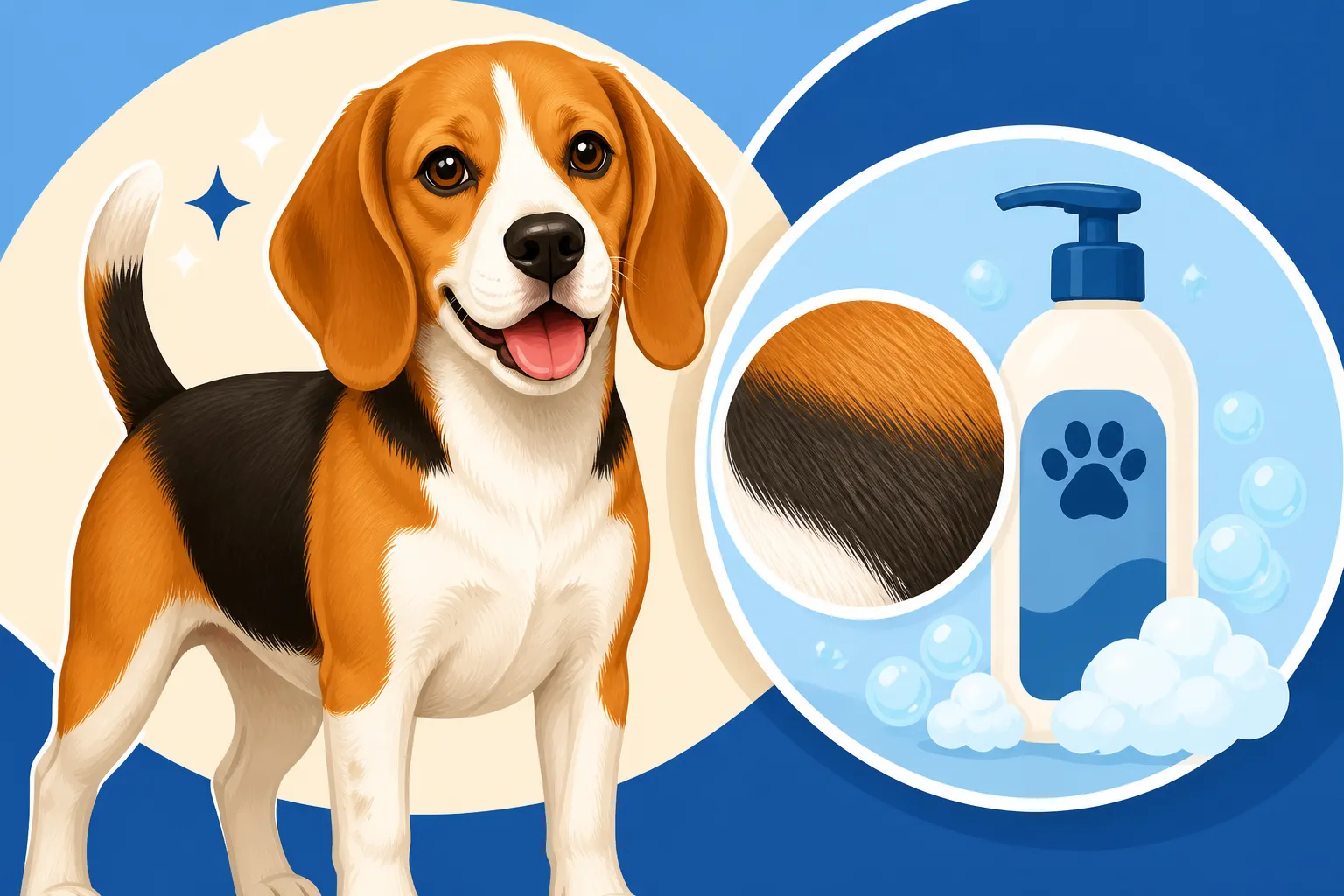
Many people are surprised to learn that Beagles, despite their short fur, possess a double coat. This means they have two distinct layers: a soft, insulating undercoat that keeps them warm in cold weather and protected from the elements, and a coarser, water-resistant outer coat made of guard hairs. This double layer is fantastic for their original job of hunting in fields and brush, offering protection from thorns, water, and temperature fluctuations.
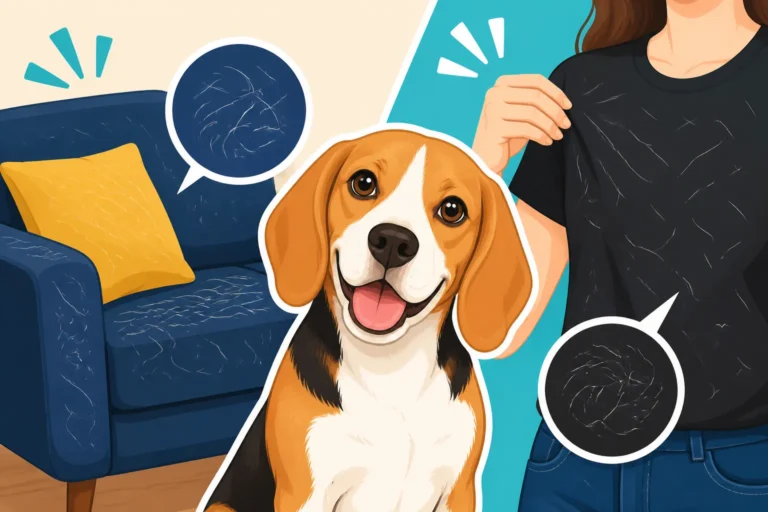
However, this wonderful feature also means a significant shedding cycle. Beagles shed year-round, but you'll notice heavier "blow-outs" seasonally, typically in spring and fall, as they adapt their coat to the changing temperatures. This dense undercoat can easily trap dirt, dander, and allergens close to the skin, which is why proper bathing with the right shampoo is so vital. Getting that shampoo to penetrate both layers and then rinsing it out completely without leaving residue can feel like a Herculean task. If you don't get it right, that trapped grime and leftover product can lead to skin irritation or exacerbate shedding, making the problem worse than it started.
Common Skin Sensitivities in Beagles
Beyond the shedding, Beagles can be surprisingly prone to various skin sensitivities and allergies. Their keen noses aren't just for tracking; they also mean they're often highly reactive to environmental allergens like pollen, dust mites, or certain grasses. Food allergies can also manifest as skin issues, leading to itchiness, redness, or even hot spots. Because of this predisposition, the type of shampoo you use plays a significant role in preventing discomfort.
Using a harsh, heavily fragranced, or chemical-laden shampoo can strip their skin of its natural oils, disrupting the delicate pH balance and leaving it vulnerable to irritation, dryness, or even secondary infections. It's a frustrating cycle for owners to watch their beloved Beagle scratch and chew at themselves, and often the solution starts with a switch to a gentler bathing routine. If your Beagle is constantly itching, you might want to read more about Beagle Skin Allergies and Constant Itching to understand potential causes beyond just shampoo.
What to Look For in a Beagle Shampoo
Given their dense coats and sensitive skin, picking out the right shampoo for your Beagle isn't as simple as grabbing the first bottle you see. You need something that can get through that thick fur effectively, cleanse without irritating, and support their natural skin barrier.
Gentle, pH-Balanced Formulas
The single most important factor when choosing a Beagle shampoo is that it must be pH-balanced specifically for dogs. A dog's skin pH is typically more alkaline (around 6.5-7.5) than a human's (which is more acidic, around 5.5). Using human shampoo, no matter how "gentle" it claims to be, can throw off your Beagle's skin's natural protective barrier, leading to dryness, irritation, and an increased risk of bacterial or yeast infections.
Look for formulas that explicitly state "pH-balanced for dogs." Beyond that, prioritize shampoos with natural, mild ingredients. Ingredients like colloidal oatmeal and aloe vera are fantastic for their soothing properties, helping to calm irritated skin and reduce itchiness. Coconut oil or shea butter can add moisture without being overly greasy. These natural emollients work with your Beagle's skin, rather than against it, ensuring a comfortable and clean experience. You want a shampoo that cleanses thoroughly but gently, leaving the skin hydrated and the coat soft, not dry and brittle.
Hypoallergenic and Scent-Free Options
For many Beagles, especially those prone to allergies or general skin sensitivities, hypoallergenic and scent-free shampoos are a game-changer. While we might love the idea of our Beagle smelling like a field of lavender, those artificial fragrances are often a significant source of irritation for sensitive canine skin. They can contain a cocktail of chemicals that trigger allergic reactions, leading to intense itching, redness, and discomfort.
Hypoallergenic shampoos are formulated to minimize the risk of allergic reactions by avoiding common irritants. They often lack dyes, artificial perfumes, and harsh detergents. If your Beagle frequently suffers from red skin, paw licking, or recurrent ear infections, switching to a fragrance-free, hypoallergenic option is a wise move. Remember, a Beagle's ears are already prone to issues due to their long, floppy nature, which traps moisture and reduces airflow. Adding irritating chemicals from shampoo residue near their ears could potentially contribute to problems like Beagle Yeast Ear Infections That Keep Returning. Opt for formulas that focus on gentle cleaning and soothing rather than masking odors with strong scents.
Ingredients to Avoid at All Costs
Just as important as knowing what to look for is knowing what to steer clear of. Many conventional pet shampoos, unfortunately, still contain ingredients that can be detrimental to your Beagle's skin and overall health.
Here are some common culprits to avoid:
- Sulfates (e.g., Sodium Lauryl Sulfate, Sodium Laureth Sulfate): These are harsh detergents that create a lot of lather but can strip natural oils from the skin, leading to dryness and irritation.
- Parabens: Used as preservatives, parabens have been linked to hormonal disruption and other health concerns in pets.
- Artificial Dyes: These add nothing beneficial to the shampoo and are purely cosmetic. They can be irritants for sensitive skin.
- Phthalates: Often found in artificial fragrances, these are endocrine disruptors.
- Formaldehyde-releasing preservatives: While not always listed explicitly as formaldehyde, ingredients like DMDM hydantoin or quaternium-15 can slowly release formaldehyde, which is a known carcinogen and irritant.
- Alcohol: Unless it's a specific, pet-safe fatty alcohol (which typically acts as a humectant), avoid harsh drying alcohols that can dehydrate the skin.
Always read ingredient labels carefully. If you see a long list of unpronounceable chemicals, it's probably best to put that bottle back. You can find excellent, responsibly formulated shampoos on platforms like Chewy or Amazon, making it easier to research ingredients before you buy.
Top Shampoo Types and Application Tips
Now that you know what to look for (and what to avoid), let's talk about specific types of shampoos that can benefit your Beagle and how to apply them effectively to ensure a truly clean and happy hound.
Deshedding Shampoos for Those Seasonal Blow-Outs
If you own a Beagle, you're intimately familiar with the constant battle against shedding. Those short, dense hairs seem to embed themselves everywhere! Deshedding shampoos can be a fantastic tool, especially during the peak shedding seasons in spring and fall when your Beagle is blowing its coat. These shampoos are specially formulated to help release the loose undercoat during the bath, making it easier to brush out afterwards.
They often contain ingredients like Omega-3 and Omega-6 fatty acids, or certain proteins, that help to strengthen the hair follicles and reduce excessive shedding over time. The key is to use them correctly: after shampooing, let the product sit on your Beagle's coat for a few minutes (check the bottle for exact times) before thoroughly rinsing. Then, immediately follow up with a good deshedding tool, like a shedding blade or a slicker brush, to remove all the loosened fur. This process can significantly reduce the amount of hair that ends up on your furniture and clothes. Just be sure to choose a deshedding shampoo that also adheres to the "gentle and pH-balanced" rule, as some can be quite strong.
Moisturizing and Soothing Shampoos for Dry, Itchy Skin
For Beagles prone to dry skin, flakiness, or persistent itching (which, let's be honest, is a lot of them!), a moisturizing or soothing shampoo can provide much-needed relief. These formulas are designed to restore hydration to the skin and calm irritation. Look for shampoos that feature ingredients such as:
- Colloidal Oatmeal: A classic for soothing itchy, inflamed skin.
- Aloe Vera: Known for its healing and moisturizing properties.
- Shea Butter or Coconut Oil: Natural emollients that provide deep hydration.
- Essential Fatty Acids (Omega-3s, Omega-6s): These can help to nourish the skin barrier and promote a healthy coat. Omega-3 Oils for a Beagle's Coat can be helpful both topically and internally.
When using a moisturizing shampoo, it's often beneficial to follow up with a dog-specific conditioner, especially if your Beagle has a very dry coat. Apply the conditioner, allow it to penetrate for a few minutes, and then rinse thoroughly. The goal is to leave the skin and coat feeling soft, hydrated, and comfortable, reducing the urge to scratch. Remember, even with soothing shampoos, a thorough rinse is paramount to prevent residue build-up that could negate the benefits.
Step-by-Step Bathing Techniques for a Beagle's Dense Coat
Bathing a Beagle can sometimes feel like a wrestling match, but with the right technique, it can be a much smoother experience for both of you.
- Pre-Bath Prep: Start with a thorough brushing before the bath. This helps to remove loose hair, mats, and any large chunks of dirt, making the shampoo more effective and preventing matting during the wash. Gather all your supplies: shampoo, conditioner (if using), towels, a non-slip mat for the tub, and plenty of treats for positive reinforcement.
- Wet Thoroughly: Use lukewarm water. Beagles can be sensitive to extreme temperatures. Gently wet your Beagle's entire coat, making sure the water penetrates down to the skin, even through that dense undercoat. This can take longer than you think, especially on their back and rump. A sprayer attachment can be incredibly helpful here.
- Apply Shampoo: Dispense a generous amount of shampoo into your hands and apply it, starting from the neck and working your way down the body. Pay special attention to areas that get dirty, like their paws, belly, and around the tail. Gently massage the shampoo into the coat, ensuring it reaches the skin. Don't forget their legs! Be extra careful around the face and eyes, using a damp washcloth for a gentle wipe instead of direct shampoo application.
- Lather and Let Sit: Work up a good lather, really focusing on getting through that dense coat. For soothing or deshedding shampoos, allow the product to sit for the recommended time (usually 3-5 minutes) to allow the ingredients to work their magic. This is a great time to offer praise and treats!
- Rinse, Rinse, Rinse! This is perhaps the most critical step for Beagles. Because of their dense coats, shampoo residue can easily get trapped, leading to skin irritation and a dull coat. Rinse your Beagle repeatedly until the water runs completely clear and you can no longer feel any slickness on their fur. Start from the head and work downwards, lifting their legs and tail to ensure every area is clean. If you think you've rinsed enough, rinse again!
- Condition (Optional but Recommended): If using a conditioner, apply it now, working it through the coat. Let it sit for a few minutes, then rinse again as thoroughly as you did with the shampoo.
- Towel Dry: After rinsing, give your Beagle a good shake (outside the tub, if possible!) then wrap them in a towel. Gently squeeze and blot the water from their coat. You'll likely need several towels for a truly dense Beagle coat.
- Blow Dry (Optional and Cautious): If using a pet-specific force dryer, keep the setting on cool or low heat to avoid skin burns. Many Beagles aren't fans of the noise, so introduce it slowly and with lots of positive reinforcement. Air drying is perfectly fine, just make sure they're in a warm, draft-free area, and consider an extra brush-out once partially dry to manage loose hair.
Beyond Shampoo: A Holistic Approach to Coat Health
While the right shampoo is undeniably important, your Beagle's coat and skin health are a reflection of their overall well-being. A truly healthy, shiny coat and calm skin come from a combination of good grooming, proper nutrition, and attentive care.
Regular Brushing as Your First Line of Defense
Even the best shampoo won't compensate for a lack of regular brushing. Think of it as your primary tool for managing that notorious Beagle shed and keeping their skin breathing. Frequent brushing helps to:
- Remove Loose Hair: This is the big one. Regular brushing, especially with a deshedding tool or a slicker brush, will pull out dead undercoat hairs before they can land on your couch or carpet. This also prevents mats, although Beagles are less prone to severe matting than long-haired breeds. You can read more about Brushing a Beagle Through Spring Shedding.
- Distribute Natural Oils: Brushing helps to spread the natural oils produced by your Beagle's skin evenly across their coat, keeping it healthy, shiny, and supple.
- Stimulate Circulation: The gentle massage of brushing can improve blood flow to the skin.
- Check for Issues: It gives you an opportunity to routinely inspect your Beagle's skin for any lumps, bumps, hot spots, fleas, ticks, or other irritations that might be hiding under that dense fur. Early detection can save a lot of trouble down the line.
Aim for at least 2-3 times a week, and daily during heavy shedding seasons. It’s also a wonderful bonding experience!
Diet and Supplements for a Healthy Coat
What goes into your Beagle has a huge impact on what you see on the outside. A high-quality diet is the foundation for healthy skin and a lustrous coat. Cheap fillers, artificial ingredients, and inadequate protein or fat levels in their food can lead to dull fur, dry skin, and increased itching.
Look for dog foods with:
- High-Quality Protein: Essential for hair growth and skin repair.
- Healthy Fats: Especially Omega-3 and Omega-6 fatty acids, which are crucial for skin barrier function and coat sheen. Ingredients like salmon oil, flaxseed, and fish meal are good sources.
- Vitamins and Minerals: Biotin, Vitamin E, and zinc are particularly important for skin and coat health.
Some owners opt for fresh food delivery services like Ollie, which can offer tailored, nutrient-dense meals that support overall health, including skin and coat quality. If your Beagle's coat still seems dull or their skin is dry despite a good diet and grooming, talk to your vet about specific supplements. Omega-3 Oils for a Beagle's Coat can often be added as a supplement, helping from the inside out.
Understanding When to Call the Vet
While good grooming and the right shampoo can resolve many minor skin and coat issues, there are times when persistent problems signal something more serious that warrants a vet visit. Don't hesitate to seek professional advice if you observe any of the following:
- Persistent or Severe Itching: If your Beagle is scratching, licking, or chewing themselves excessively, especially to the point of redness, broken skin, or hair loss, it could indicate allergies, parasites (like fleas, even if you don't see them), fungal infections, or other underlying conditions.
- Unusual Odor: A strong, yeasty, or foul smell coming from the skin or ears, even after a bath, can be a sign of a bacterial or yeast infection. This is especially common with Beagle Ear Infections Under Those Long Ears.
- Redness, Rashes, or Bumps: Any unusual skin lesions, widespread redness, or bumps should be examined by a vet.
- Excessive Hair Loss or Bald Patches: While Beagles shed, significant hair loss in specific areas or thinning fur can point to hormonal imbalances, allergies, parasites, or other medical issues. For example, Beagle Hair Loss Traced Back to the Thyroid is a common symptom of hypothyroidism.
- Pain or Discomfort: If your Beagle vocalizes pain when touched, or seems generally uncomfortable, it's time for a check-up.
Your vet can help diagnose the root cause of the problem and recommend appropriate treatments, whether it's a prescription shampoo, medication, or dietary changes. Never try to self-diagnose or treat serious skin conditions, as you could inadvertently make things worse.
| Shampoo Type | Best For | Key Ingredients to Look For | Benefits for Beagles |
|---|---|---|---|
| Gentle/Everyday | Regular cleansing, sensitive skin | Colloidal oatmeal, aloe vera, Vitamin E | Maintains skin pH, cleans without irritation |
| Deshedding | Seasonal heavy shedding | Omega fatty acids, natural proteins | Helps release loose undercoat, reduces airborne fur |
| Moisturizing/Soothing | Dry, flaky, itchy skin, environmental allergies | Oatmeal, shea butter, coconut oil, humectants | Hydrates skin, calms irritation, promotes healthy barrier |
| Hypoallergenic | Allergy-prone Beagles, reactive skin | No dyes, no artificial fragrances, limited ingredients | Minimizes allergic reactions, prevents chemical sensitivities |
| Deodorizing | Beagles with persistent "doggy" odor | Baking soda, charcoal, natural enzymes | Neutralizes odors at the source, rather than just masking them |
Disclaimer
This article is for general informational purposes only and does not constitute professional advice. Laws, prices and regulations vary by location and change over time. Consult a qualified professional for guidance on your specific situation.