Beagle Ear Hair and Whether to Trim It
If you’re a Beagle owner, you’re probably no stranger to those beautiful, velvety ears. But as charming as they are, those long, floppy ears can also be a magnet for trouble, especially when it comes to ear infections. A common concern that often comes up is the hair that grows inside your Beagle’s ear canal: should you trim it, or leave it alone? This guide will dive deep into the world of Beagle ear hair, helping you understand its role and how best to manage it for your beloved hound's health and comfort.
Understanding Your Beagle's Unique Ear Anatomy and Hair
The Beagle's ears are undeniably one of its most distinctive features. Long, low-set, and soft, they frame that expressive face perfectly. But this very anatomy, while adorable, also sets the stage for some common health challenges. Understanding how these ears are structured and how hair grows within them is the first step to knowing how to care for them properly.
The Drooping Ear Flap: A Natural Moisture Trap
Unlike breeds with upright ears, your Beagle's long, pendulous ear flaps, often called leathers, hang down, effectively covering the ear canal opening. This design, while perhaps offering some protection from debris getting directly into the ear, significantly reduces air circulation. Think of it like a warm, damp curtain drawn over a window – it traps everything inside. This creates a consistently warm, moist, and dark environment within the ear canal, which is absolutely ideal for the proliferation of bacteria and yeast. These opportunistic organisms thrive in such conditions, and when their populations get out of balance, an infection is often right around the corner.
Many Beagle owners experience the frustration of recurrent ear infections, feeling like they're constantly battling an uphill struggle. It's not for lack of trying; it's simply the hand dealt by the breed's unique ear structure. The lack of airflow means that even a little moisture from a bath, a swim, or just a humid day can linger, turning your Beagle's ear into a microscopic swamp. This is why vigilance and proactive care are so crucial, and why understanding the role of ear hair becomes important in preventing these recurring issues.
The Hair Within: What's Hiding Down There?
Beyond the floppy exterior, the ear canal itself can contain varying amounts of hair. For some Beagles, this inner ear hair might be sparse, almost negligible. For others, it can be quite dense, forming a thick mat that further obstructs the ear canal. This hair isn't just cosmetic; it acts like a miniature net, trapping wax, dirt, debris, and any moisture that makes its way in. Instead of allowing these irritants to naturally work their way out or evaporate, the hair holds them close to the sensitive skin of the ear canal.
Imagine trying to clean a dusty, cluttered shelf versus a clear one. The hair adds another layer to the challenge of keeping the ear clean and dry. This trapped debris and moisture, combined with the lack of airflow from the droopy ear flaps, creates a perfect storm for inflammation and infection. While ear hair in other breeds might serve a protective function, helping to keep foreign objects out, in the context of a Beagle's low-airflow ear canal, it often becomes more of a hindrance than a help, contributing to the cycle of irritation and infection many owners grapple with.
The Great Debate: To Trim or Not to Trim?
The question of whether to trim the hair inside a Beagle's ears is one that sparks a lot of discussion among owners, breeders, and even veterinarians. There are valid points on both sides, and the best approach often depends on your individual Beagle's ear health history and the specific type and density of hair they have. It's not a one-size-fits-all answer, and understanding the nuances can help you make an informed decision.
Arguments For Trimming Beagle Ear Hair
For many Beagles prone to chronic ear infections, carefully trimming the hair inside the ear canal can be a game-changer. The primary benefit is improved airflow. By removing some of the physical obstruction, air can circulate more freely, helping to keep the ear canal drier. This reduction in moisture is critical because it makes the environment far less hospitable for bacteria and yeast, the usual culprits behind those stubborn infections.
Beyond just airflow, trimming can make routine Cleaning a Beagle Ear Before Infection Starts significantly easier. When there's less hair to contend with, ear cleaning solutions can penetrate more effectively, and debris has fewer places to cling. This can lead to a more thorough clean, reducing the buildup of wax and dirt that can otherwise contribute to irritation. Many owners report a noticeable decrease in the frequency and severity of ear infections once they start a sensible trimming regimen. If you're constantly battling Beagle Yeast Ear Infections That Keep Returning, improved ventilation might just be the missing piece of the puzzle. This procedure should always be done with extreme care, ideally by a professional groomer or veterinarian, using blunt-tipped scissors or clippers with a very fine guard, specifically designed for this delicate area.
Arguments Against Plucking or Aggressive Trimming
While trimming can be beneficial, the method and aggressiveness of hair removal are crucial. Plucking the hair from inside a Beagle's ear, especially if done by an untrained owner, is almost universally discouraged. Plucking is painful and can cause micro-traumas to the delicate skin lining the ear canal. These tiny wounds can then become entry points for bacteria, ironically increasing the risk of infection rather than decreasing it. Furthermore, the act of plucking can stimulate thicker, stiffer hair regrowth, which might then trap even more debris and moisture, making the problem worse in the long run.
Think about how irritated your skin feels after plucking hair from elsewhere on your body; imagine that sensation deep inside a sensitive ear canal. It’s not just uncomfortable for your dog; it can turn ear handling into a traumatic experience, making future grooming and veterinary examinations much harder. If a veterinarian does recommend plucking, it's typically only for severe cases of hair impaction, and it would be performed under sedation to ensure the dog's comfort and prevent injury. For the average pet owner, using blunt-tipped scissors to carefully trim around the entrance of the canal, or thinning very dense hair, is a safer alternative, always with the utmost caution. Never attempt to pluck deeply into the ear canal yourself.
Finding the Right Balance: Airflow and Protection
The key to managing your Beagle's ear hair isn't necessarily an all-or-nothing approach. Instead, it's about finding a balance that promotes good ear health without causing undue stress or irritation. For many Beagles, simply keeping the hair around the opening of the ear canal neatly trimmed, perhaps using electric clippers with a small, protective guard, can be enough to improve airflow and facilitate easier cleaning. This subtle trimming helps open up the pathway, allowing for better ventilation without disturbing the hair deeper inside the canal.
Regular, thorough cleaning remains your most important tool, regardless of whether you trim the ear hair. Even with trimming, if moisture isn't addressed or if debris is allowed to accumulate, infections can still occur. Focus on consistent Cleaning a Beagle Ear Before Infection Starts and Keeping Moisture Out of a Beagle's Ear Canal, especially after baths or swimming. You can find excellent, vet-approved ear cleaning solutions and cotton balls or pads at retailers like Chewy or Amazon, making it convenient to stock up. The goal is to create an environment where the ear canal is clean, dry, and well-ventilated, thereby reducing the chances of irritation and infection. If you're unsure about trimming, consult with your veterinarian or a professional groomer who has experience with Beagles. They can assess your dog's specific ear hair density and condition and recommend the most appropriate course of action for their individual needs.
Practical Steps for Managing Beagle Ear Health
Keeping your Beagle's ears healthy and happy is an ongoing commitment, but it's one that prevents a lot of discomfort for your dog and saves you from repeated vet visits. Beyond the debate of trimming ear hair, there are several foundational practices that every Beagle owner should incorporate into their routine. These steps focus on cleanliness, vigilance, and proactive prevention, ensuring those adorable ears stay free from irritation and infection.
Regular Cleaning: Your First Line of Defense
Consistent ear cleaning is the cornerstone of preventing ear problems in Beagles. Their long, floppy ears naturally trap moisture and debris, creating a fertile ground for yeast and bacteria to flourish. Aim for a weekly ear cleaning routine, or more frequently if your Beagle is prone to infections, swims often, or has particularly dirty ears. Using a high-quality, vet-approved ear cleaning solution is crucial; these are specifically formulated to gently break down wax and dry out the ear canal without causing irritation. You can often purchase these solutions directly from your vet, or find reputable brands on sites like Chewy or Amazon.
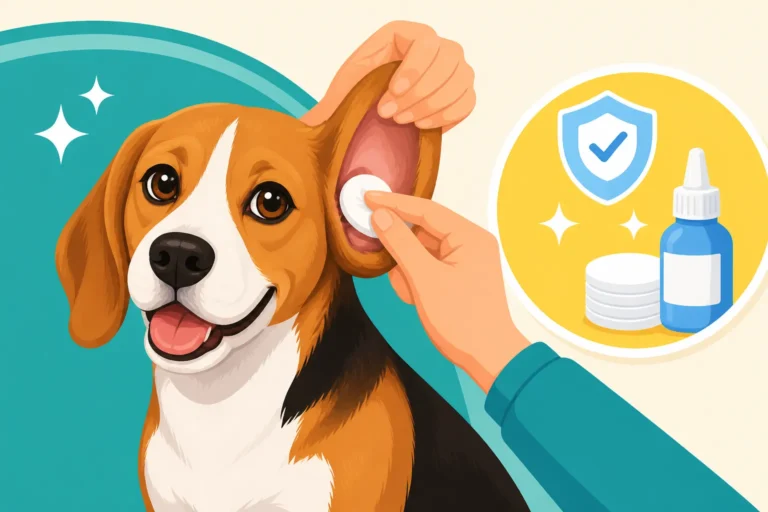
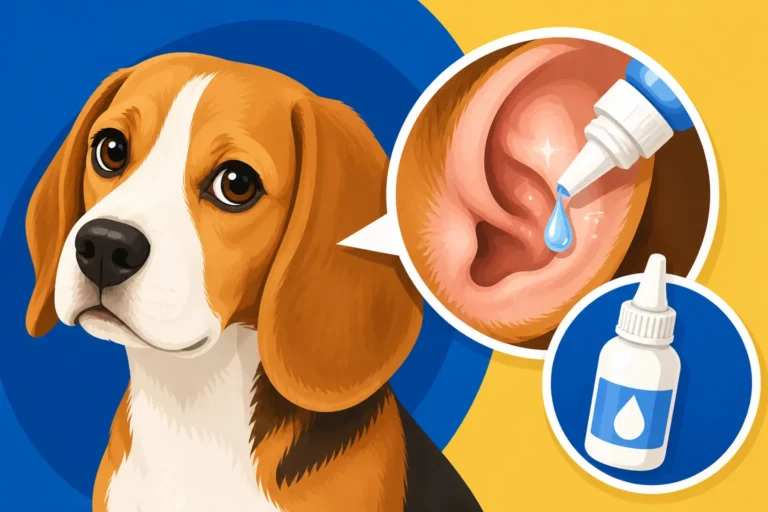
To clean your Beagle's ears, start by gently lifting their ear flap. Squirt the cleaning solution directly into the ear canal until it's almost full. You might hear a squishing sound as you do this. Then, gently massage the base of the ear for about 30 seconds. This helps the solution work its way down and loosen any wax or debris. Your Beagle will likely shake their head afterward, which is good as it helps dislodge the gunk. Finally, use a soft cotton ball or gauze to wipe out any visible dirt and excess solution from the outer ear and the folds of the ear flap. Never use cotton swabs (Q-tips) inside the ear canal, as this can push debris further down or even damage the delicate eardrum. For a detailed walkthrough, check out The Five Minute Beagle Ear Routine and What Solution to Use Inside a Beagle Ear. This routine, though simple, goes a long way in maintaining ear hygiene and preventing those common infections.
Recognizing Signs of Trouble and When to See the Vet
Even with the most diligent care, Beagles can still develop ear issues. Knowing the Beagle Ear Infection Symptoms to Catch Early is vital for prompt treatment. Be on the lookout for any changes in your Beagle's behavior or the appearance of their ears. Common signs of trouble include:
- Excessive Head Shaking: This is often one of the first indicators that something is irritating their ears.
- Persistent Scratching: If your Beagle is constantly pawing at their ears or rubbing them on furniture, it's a red flag.
- Redness or Swelling: Inspect the inside of the ear flap and the visible part of the ear canal for inflammation.
- Unpleasant Odor: A strong, yeasty, or foul smell emanating from the ear is a clear sign of infection.
- Discharge: Any brown, yellow, or black discharge, especially if it's waxy or pus-like, needs attention.
- Sensitivity or Pain: If your Beagle flinches, cries, or shows aggression when you touch their ears, they are likely in pain.
If you notice any of these symptoms, it's time to schedule a vet visit. Early intervention is key to preventing the infection from worsening and becoming more challenging to treat. Your vet can accurately diagnose the type of infection (bacterial, yeast, or even mites) and prescribe the appropriate medication, which might include ear drops, oral antibiotics, or anti-fungal medications. Delaying treatment can lead to chronic conditions, deeper infections, and even permanent damage to the ear canal.
Prevention Strategies Beyond Trimming
While ear hair management and regular cleaning are crucial, a holistic approach to ear health involves several other preventive measures. One of the most important is ensuring your Beagle's ears are thoroughly dried after any exposure to water. This means after baths, definitely take extra time to dry the insides of those floppy ears. If your Beagle loves to swim, which some do despite their low-to-the-ground build, Drying Beagle Ears Thoroughly After a Bath is absolutely non-negotiable. Use a soft towel or even a low-setting hairdryer (held at a safe distance) to gently ensure no moisture lingers.
Diet can also play a significant role. If your Beagle experiences recurrent ear infections, it could sometimes be linked to underlying allergies, either environmental or food-related. Discuss this possibility with your vet, as addressing allergies through diet changes or medication can dramatically improve ear health. Beagle Skin Allergies and Constant Itching can manifest in the ears, leading to inflammation and secondary infections. Additionally, regular check-ups with your veterinarian allow them to inspect your Beagle's ears as part of a routine physical exam, catching potential issues before they become full-blown problems. By combining these strategies, you can significantly reduce the risk of your Beagle experiencing painful and frustrating ear infections.
| Feature / Action | Trimming Ear Hair (Carefully) | Not Trimming Ear Hair |
|---|---|---|
| Airflow | Improved, helps ear canal stay drier | Restricted, creates warm, moist environment |
| Moisture Trapping | Reduced, less likely for water to linger | High, moisture gets trapped by hair |
| Debris Accumulation | Reduced, fewer surfaces for wax/dirt to cling | High, hair acts as a net for wax, dirt, foreign objects |
| Ease of Cleaning | Easier for solutions to penetrate and wipe away debris | More challenging, debris can get matted within hair |
| Risk of Infection | Potentially lower, due to better ventilation and cleanliness | Potentially higher, due to trapped moisture and debris |
| Risk of Irritation | Low, if done carefully by a professional; high if done improperly | Low, unless hair itself causes irritation or matting |
| Recommended By | Often recommended by vets/groomers for prone Beagles | Default for Beagles without chronic ear issues |
| Tools | Blunt-tipped scissors, electric clippers with guard | Cotton balls, vet-approved ear cleaner |
Disclaimer
This article is for general informational purposes only and does not constitute professional advice. Laws, prices and regulations vary by location and change over time. Consult a qualified professional for guidance on your specific situation.