What Solution to Use Inside a Beagle Ear
If you're a Beagle owner, you know the struggle: those adorable, floppy ears are absolute magnets for trouble. They trap moisture, dirt, and debris, creating a perfect little greenhouse for yeast and bacteria to thrive, often leading to stubborn, recurring ear infections that can be incredibly frustrating for both you and your sweet hound. This guide is here to demystify the world of Beagle ear cleaning solutions, helping you understand what to use, why, and how to keep those sensitive ears healthy and happy.
Why Beagle Ears Are Prone to Trouble
Beagles, with their long, pendulous ears, are practically designed to get ear infections. It’s not your fault, and it’s certainly not your dog's. It's just their unique anatomy working against them in a world full of moisture and allergens.
The Anatomy of a Problem
Think about it: those beautiful, soft ear flaps, while lovely to pet, hang down over the ear canal, effectively sealing it off from fresh air. This creates a warm, moist, and dark environment—exactly what yeast and bacteria love for a party. Unlike dogs with upright ears, a Beagle's ear canal doesn't get much ventilation, which means moisture from baths, swims, or even just humidity can linger, setting the stage for problems. On top of that, many Beagles produce a good amount of ear wax, which can also build up and trap debris, further compounding the issue. It's a perfect storm of conditions leading to irritation and infection. This is why addressing ear care regularly is so crucial, rather than just waiting for problems to appear. If you've ever dealt with a painful, smelly ear infection, you understand the urgency. Beagle Ear Infections Under Those Long Ears goes into even more detail about these common issues.
Common Ear Issues and Their Triggers
Beyond the structural predisposition, several factors can trigger ear problems in Beagles. Allergies, whether environmental or food-related, are a huge culprit. Just like in humans, allergens can cause inflammation and itching in a Beagle’s ears, leading to excess wax production and making them more susceptible to secondary infections. Sometimes, simply rolling around in pollen-heavy grass or swimming in a lake can introduce unwanted guests into that cozy ear canal. Foreign bodies, like foxtails or tiny pieces of grit, can also find their way in and cause significant irritation. The constant head shaking and scratching that often accompanies an ear issue can even lead to more serious problems like hematomas, where blood vessels rupture in the ear flap. Beagle Ear Infection Symptoms to Catch Early offers a comprehensive list of warning signs.
Understanding Different Types of Ear Cleaning Solutions
Not all ear cleaning solutions are created equal, and what works for one Beagle might not be the best choice for another, especially if they have specific sensitivities or ongoing issues. It's truly a world of options, and knowing the basics can help you have a more informed conversation with your vet.
Gentle Cleansers for Routine Maintenance
For Beagles without active infections or severe sensitivities, a gentle, general-purpose ear cleanser is usually sufficient for routine maintenance. These often contain mild detergents and water-based solutions designed to flush out loose debris, excess wax, and surface dirt without causing irritation.
- Saline-based solutions: These are very mild and primarily act as a flush. They're good for simply rinsing out the ear or for Beagles with very sensitive skin. They don't typically have active antimicrobial properties, so they're best for preventing buildup rather than treating existing issues.
- Witch hazel solutions (diluted): Some products use witch hazel for its mild astringent and drying properties. It can help reduce moisture, which is key for Beagle ears. However, it’s not a deep cleaner or an antimicrobial agent, and too much can be drying or irritating.
- Aloe vera or chamomile extracts: Many gentle cleansers include these soothing ingredients to help calm irritated skin within the ear canal. They're excellent for sensitive ears that might get a little red from just a bit of wax buildup. These are about comfort and prevention, making routine cleaning a less stressful experience for your pup.
These types of cleansers are your go-to for regular preventive care, perhaps as part of your weekly The Five Minute Beagle Ear Routine. They help remove the gunk before it becomes a problem, and many popular brands available on Chewy offer a range of these gentle formulas.
Medicated Solutions for Specific Problems
When your Beagle does have an ear infection, or is prone to a particular type of recurring issue, your veterinarian will likely prescribe or recommend a medicated ear cleaning solution. These are designed to actively combat the bacteria or yeast causing the problem.
- Acidifying agents: Ingredients like acetic acid (vinegar) or boric acid work by lowering the pH inside the ear canal. Bacteria and yeast thrive in alkaline environments, so making the ear more acidic creates an inhospitable place for them. This can be particularly effective for common yeast infections, which often lead to that distinct "yeasty" smell. Some over-the-counter solutions use these ingredients, but always check with your vet, especially if the ear is already inflamed.
- Antiseptic agents: Solutions containing chlorhexidine or ketoconazole are potent antimicrobials. Chlorhexidine targets bacteria and some yeast, while ketoconazole is specifically an antifungal that's very effective against yeast. These are often used when a confirmed bacterial or yeast infection is present and need to be used as directed by your vet, as overuse or improper use could lead to resistance or irritation.
- Ceruminolytic agents: For Beagles that produce a lot of waxy buildup, ceruminolytic solutions are invaluable. Ingredients like docusate sodium or squalene are designed to break down and dissolve ear wax, making it easier to flush out. If your Beagle has sticky, dark brown wax that seems impossible to remove, your vet might suggest one of these to clear the way for other medicated drops or to simply keep the canal clear for better airflow.
It's crucial to understand that these medicated solutions should only be used under veterinary guidance. If you suspect an infection, a trip to the vet is necessary to determine the exact cause and the appropriate treatment. Using the wrong medicated solution can worsen the problem or delay proper healing. You can often find vet-recommended medicated cleaners on Amazon with a prescription or direct recommendation.
What to Avoid: Hydrogen Peroxide and Alcohol
While hydrogen peroxide and rubbing alcohol might be staples in your first-aid kit, they are generally not recommended for routine ear cleaning in Beagles, especially if there's any sign of irritation or a suspected infection.
- Hydrogen peroxide: When hydrogen peroxide comes into contact with organic matter (like ear wax or tissue), it fizzes. While this might seem like it’s "working," the fizzing can be irritating to the sensitive tissues of the ear canal. More importantly, it can leave behind water, which, as we know, is the enemy of a Beagle's ear. It doesn't actually clean effectively, and it can push debris further into the ear.
- Rubbing alcohol: Alcohol is a powerful drying agent, and while a little drying might seem good for Beagle ears, it's often too harsh. It can cause a stinging sensation, especially if the ear is already inflamed or has tiny abrasions. This discomfort can make your Beagle resistant to future ear cleanings, and chronic irritation can actually contribute to inflammation, making the ear more prone to infection in the long run.
Always opt for solutions specifically formulated for canine ears, and when in doubt, consult your vet.
How to Choose the Right Ear Cleaning Solution for Your Beagle
Choosing the right ear cleaning solution isn't a one-size-fits-all situation. It depends on your Beagle's individual needs, whether they have an active infection, and what their vet recommends.
The Golden Rule: Consult Your Veterinarian First
This cannot be stressed enough: always talk to your vet before introducing any new ear cleaning solution, especially if your Beagle is showing signs of discomfort or infection. Your vet can properly diagnose the issue (is it yeast? bacteria? mites? allergies? a foreign body?) and recommend the most appropriate and safe solution. Putting the wrong solution into an infected ear can cause pain, worsen the condition, or even damage the eardrum. A vet will often take a swab of the ear to look under a microscope, giving them concrete evidence of the culprit. This is particularly important for recurring issues, as sometimes a simple cleaner isn't enough, and a deeper issue like Beagle Yeast Ear Infections That Keep Returning might need specific medical intervention beyond just cleaning.
Factors to Consider When Selecting a Solution
Once you've cleared it with your vet, or if you're looking for a good maintenance cleaner, here are some factors to keep in mind:
- Purpose: Are you looking for a routine maintenance cleaner, or something to use in conjunction with medication for an active infection? A maintenance cleaner will be gentler, while a medicated one will target specific pathogens.
- Ingredients: Look for solutions with gentle, non-irritating ingredients. For general cleaning, a water-based solution with a mild ceruminolytic agent (to break down wax) and perhaps some soothing botanicals is ideal. For Beagles prone to yeast, an acidifying agent can be very beneficial for ongoing prevention. Avoid strong perfumes, dyes, and harsh chemicals that could cause allergic reactions or irritation.
- pH Balance: Many good ear cleaners are formulated to be pH-balanced for a dog's ear, or slightly acidic to deter microbial growth. This is especially helpful for Beagles, whose warm, moist ear canals are often breeding grounds for yeast and bacteria that prefer a more alkaline environment.
- Drying Properties: Since Beagles' floppy ears trap moisture, a solution with mild drying properties (without being harsh or irritating) can be a real plus, especially if your Beagle loves to swim or lives in a humid environment. Look for ingredients like salicylic acid or witch hazel in mild concentrations.
- Ease of Use: Some solutions come with long applicators, while others are simply squirt bottles. Consider what you and your Beagle find most comfortable. A less stressful experience means you're more likely to keep up with regular cleaning.
- Brand Reputation: Stick to reputable brands that specialize in pet care. Reading reviews on platforms like Chewy or Amazon can give you an idea of what other Beagle owners have found effective and gentle.
Remember, the goal is to keep the ear clean and dry without causing irritation or discomfort. Cleaning a Beagle Ear Before Infection Starts emphasizes the proactive approach.
Table: Common Ear Cleaning Solution Types and Their Uses
Here's a quick overview to help you differentiate between common types of ear cleaning solutions:
| Solution Type | Primary Action | Key Ingredients (Examples) | Best For | When to Use |
|---|---|---|---|---|
| Gentle/Routine | Flushes debris, removes light wax, soothes | Water, mild detergents, aloe, chamomile | Regular maintenance, sensitive ears | Weekly/bi-weekly, after baths/swims |
| Acidifying | Lowers ear canal pH to inhibit yeast/bacteria | Acetic acid, boric acid | Beagles prone to yeast infections | Vet-recommended for prevention or treatment |
| Antiseptic | Kills bacteria and yeast | Chlorhexidine, ketoconazole | Active bacterial or yeast infections | ONLY under vet guidance |
| Ceruminolytic | Dissolves heavy ear wax buildup | Docusate sodium, squalene | Excessive waxy ears, before medicated drops | Vet-recommended for heavy buildup |
| Drying | Helps evaporate moisture | Witch hazel, salicylic acid (mild) | After swimming, humid climates, moisture-prone ears | After water exposure, as part of maintenance |
Step-by-Step: How to Clean Your Beagle's Ears Effectively
Once you have the right solution, knowing how to apply it correctly is crucial for both efficacy and your Beagle’s comfort. A calm approach and plenty of praise can turn this necessary chore into a tolerable (or even pleasant!) routine.
Gathering Your Supplies
Before you even touch your Beagle’s ear, gather everything you'll need. This will minimize stress and make the process smoother.
- Your chosen ear cleaning solution: Make sure it's at room temperature – nobody likes cold liquid in their ear!
- Cotton balls or gauze squares: Avoid cotton swabs (Q-tips) for inside the ear canal, as they can push debris deeper or injure the eardrum.
- Soft towel: To catch any excess solution and to wipe the outer ear.
- Plenty of high-value treats: Crucial for positive reinforcement!
- A helper (optional but recommended): Especially if your Beagle is new to ear cleaning or prone to wiggling.
Having everything within reach ensures you won't have to stop midway and fumble around, which can make a nervous Beagle even more anxious.
The Cleaning Process
Approach your Beagle calmly and make it a positive experience with gentle strokes and a reassuring voice.
- Position your Beagle: Have them sit or lie down in a comfortable position. If you have a helper, they can gently hold your Beagle's head. You might do this on the floor, on a raised grooming table, or even on the couch with a towel underneath.
- Gently lift the ear flap: Expose the opening of the ear canal. Take a moment to inspect the ear. Does it look red, swollen, or have a foul odor? Is there discharge? If you see any of these signs, and haven't already consulted your vet, stop here and make that call. Beagle Ear Infections and the Drooping Ear Flap can help you recognize key symptoms.
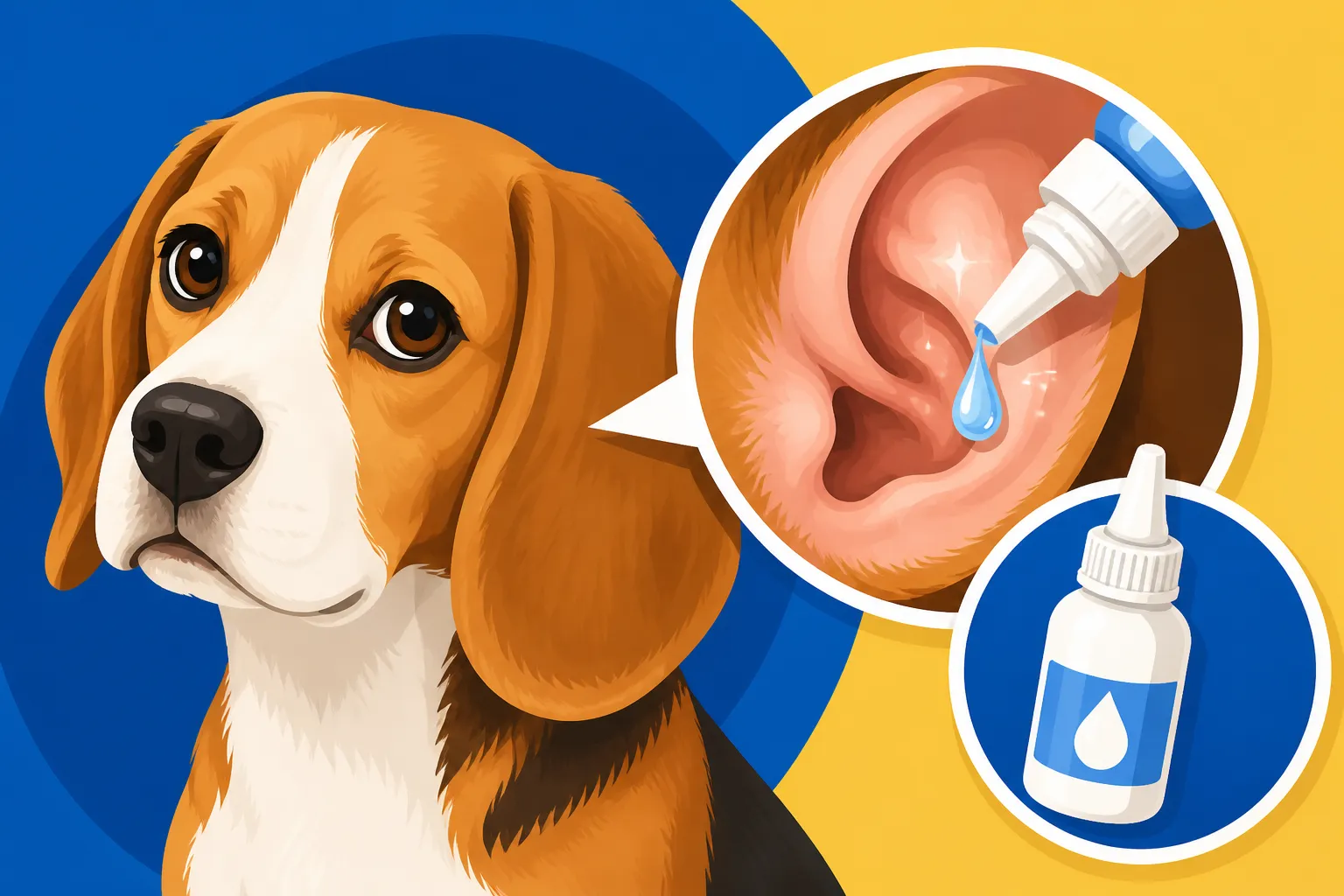
- Apply the solution: Hold the ear flap up and carefully squirt the recommended amount of ear cleaning solution directly into the ear canal. You want to fill it pretty well, but don't overflow it completely. Some Beagles might flinch, but try to keep them still for this step.
- Massage the base of the ear: This is key! Gently but firmly massage the base of your Beagle's ear, just below the opening, for about 20-30 seconds. You should hear a squishy sound as the solution breaks up wax and debris deep inside the canal. This massaging action is what truly helps to loosen all the gunk.
- Allow your Beagle to shake: After massaging, stand back and let your Beagle shake their head vigorously. This is a natural instinct and helps bring all the loosened debris and excess solution to the outer part of the ear. Be prepared for a spray – this is where your towel comes in handy!
- Wipe the outer ear: Use a cotton ball or gauze square to gently wipe away any visible dirt, wax, and excess solution from the outer part of the ear flap and the immediate opening of the ear canal. Never insert anything into the ear canal itself. Just clean what you can see. Repeat this with fresh cotton balls until no more visible dirt comes off.
- Praise and reward: Shower your Beagle with praise and give them those high-value treats! Make it clear that they did a great job. This positive association is crucial for making future cleanings easier.
- Repeat on the other ear: Once one ear is done, move on to the other.
When to Seek Veterinary Care
While routine cleaning is preventive, there are times when a vet visit is absolutely necessary. Don't delay if you notice:
- Excessive redness, swelling, or pain: Your Beagle cries or flinches when you touch their ear.
- Foul odor: A strong, yeasty, or otherwise unpleasant smell coming from the ear.
- Dark, excessive discharge: This could be brown, black, yellow, or green, and could indicate mites, yeast, or bacteria.
- Constant head shaking or ear scratching: More than just an occasional itch.
- Aural hematoma: A swollen, fluid-filled pocket on the ear flap.
- Changes in balance or hearing loss.
These signs are indicative of an active infection or a more serious problem that requires veterinary diagnosis and treatment. Prompt action can prevent minor issues from becoming chronic and deeply uncomfortable for your beloved Beagle.
Disclaimer
This article is for general informational purposes only and does not constitute professional advice. Laws, prices and regulations vary by location and change over time. Consult a qualified professional for guidance on your specific situation.