Getting a Beagle From Thirty-Five Down to Twenty-Five Pounds
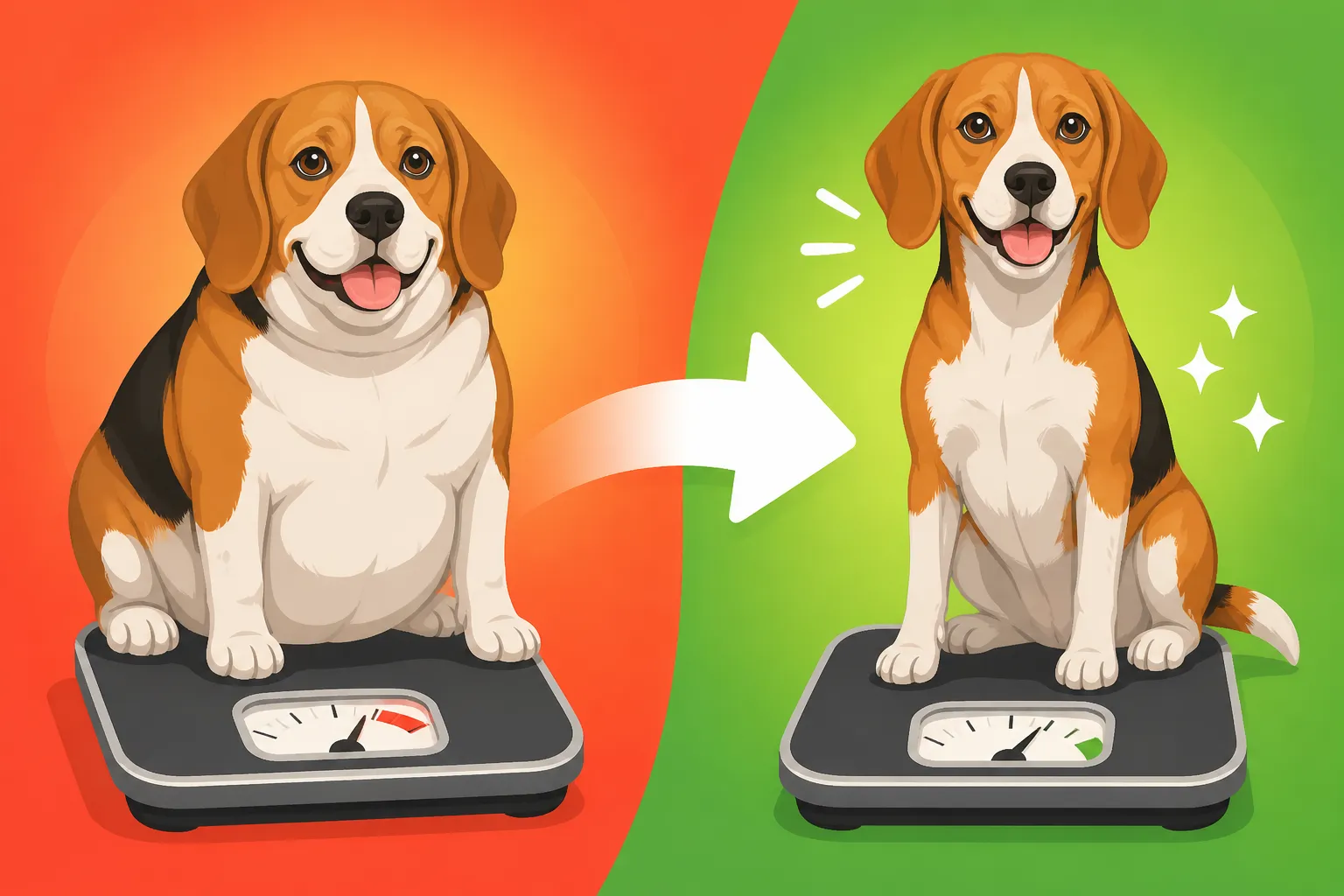
Watching your beloved Beagle slowly pack on the pounds can be heartbreaking and frustrating, especially when their enthusiasm for food seems to outpace everything else. It’s a common struggle for many Beagle owners to keep their hounds at a healthy weight. This guide is dedicated to helping you safely and effectively bring your Beagle down from 35 pounds to a healthier 25 pounds, focusing on sustainable changes that benefit their long-term health and happiness.
Understanding Why Your Beagle Gained Weight
It's easy to feel guilty when your Beagle starts to gain weight, but often, it's not a reflection of a lack of care. Beagles are uniquely predisposed to putting on extra weight, thanks to a potent combination of their history, genetics, and undeniable charm. Understanding these factors is the first step toward tackling the issue head-on without judgment.
The Beagle's Insatiable Appetite and Genetics
Let's be honest, Beagles live to eat. It's not just a cute quirk; it's deeply ingrained in their DNA. Bred for centuries to hunt, often in large packs, they were conditioned to seize every feeding opportunity. On a hunt, they'd cover miles, burning immense calories and relying on their incredible noses to find scraps or the prey they were tracking. In a domestic setting, that same instinct to forage and consume everything in sight means they are constantly on the lookout for food. Their olfactory bulb, that part of their brain dedicated to scent, is massive, making even the faintest smell of a dropped crumb or an open pantry door an irresistible siren song. This powerful drive, combined with certain genetic predispositions that can slow metabolism or increase hunger signals, means a Beagle often feels genuinely hungry, even if their body doesn't actually need more fuel.
It’s not just about willpower; it’s about biology. If you’ve ever felt like your Beagle is a bottomless pit, you’re not imagining it. They’re simply acting on centuries of carefully bred instinct. This makes managing their caloric intake a constant, active effort, and it’s why seemingly small indulgences can quickly add up to significant weight gain.
Lifestyle Factors Contributing to Weight Gain
Beyond genetics, our modern lifestyles often conspire against a Beagle's natural tendencies. One of the biggest culprits is simply not measuring food. It’s so easy to eyeball a scoop of kibble, but those slight overestimates, day after day, week after week, contribute significantly to excess calories. We might think a "little bit" of human food from the table won't hurt, or that a few extra treats are harmless, but for a dog with a robust appetite and a compact frame, these add up quickly.
Another common factor is a gradual decrease in physical activity. Maybe work got busier, the weather turned cold, or walks became shorter and less engaging. A Beagle needs consistent, engaging exercise to burn calories and satisfy their innate drive to explore with their nose. Coupled with age, where metabolism naturally slows down, or post-neutering changes that can affect hormonal balance and weight, the scale can tip surprisingly fast. It’s a subtle creep, often unnoticed until clothes start fitting tighter, or in your Beagle's case, their ribs become harder to feel.
Health Implications of Excess Weight
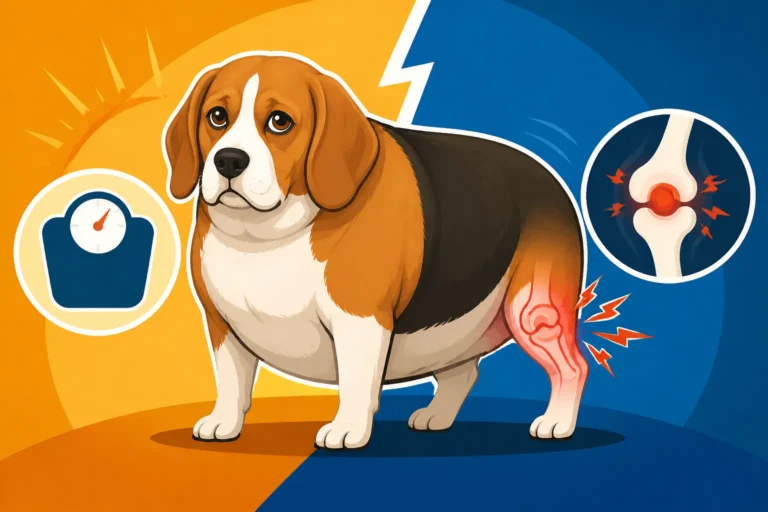
Carrying an extra 10 pounds on a Beagle that should weigh 25 pounds is equivalent to a human gaining a significant amount of weight in relation to their frame. This isn't just about aesthetics; it's a serious health concern that can dramatically impact their quality of life and shorten their Beagle Lifespan and the Twelve to Fifteen Year Range. The added stress on their joints can accelerate the onset and severity of conditions like Beagle Arthritis Arriving in Middle Age and Beagle Hip Dysplasia and Everyday Joint Wear. Imagine carrying a heavy backpack all day, every day – that's what those extra pounds feel like on their small legs and spine.
Beyond joint issues, obesity significantly increases the risk of other chronic conditions. Beagle Diabetes and Blood Sugar Control becomes a much higher risk, requiring daily insulin injections and careful dietary management. Their heart has to work harder to pump blood through a larger body, potentially leading to heart disease. Breathing difficulties, heat intolerance, and a compromised immune system are also common. And for a breed already prone to Beagle Back Problems and Intervertebral Disc Disease, the additional strain on their spine can lead to painful injuries and even paralysis. A healthy weight is one of the most proactive steps you can take to prevent these painful and costly conditions.
Crafting a Safe and Effective Weight Loss Plan
Embarking on a weight loss journey for your Beagle requires a consistent and thoughtful approach. It’s not about quick fixes or drastic changes, but rather a sustainable shift in diet and activity that supports their long-term health. The goal is to make these new habits a seamless part of your daily routine.
Re-evaluating Your Beagle's Diet
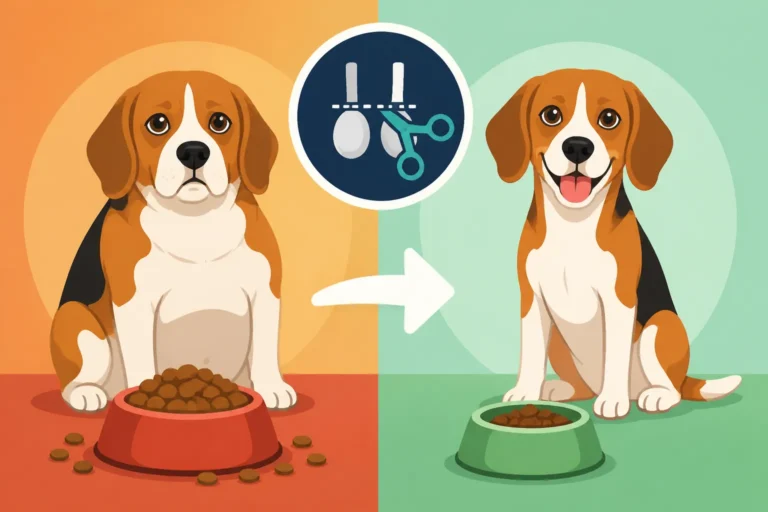
The cornerstone of any weight loss plan is diet. For a Beagle needing to shed 10 pounds, precise measurement is absolutely critical. Forget the scoop – it's notoriously inaccurate. Invest in a kitchen scale and measure your Beagle's food by weight, not volume. This ensures you're giving the exact caloric amount prescribed by your vet. For instance, a small variance of even a quarter cup can add up to hundreds of extra calories over a week, completely derailing progress. You might find detailed guidance on Measuring Beagle Food by Weight Rather Than Cups to be very helpful.
Work with your veterinarian to determine the ideal daily calorie target for your Beagle's target weight, not their current weight. They can help calculate this based on your Beagle's age, activity level, and overall health. Generally, the recommendation might involve reducing their current intake by 10-20%. Choosing the right food is also important. Some Beagles do well on prescription weight-loss diets, which are formulated with lower calories and higher fiber to help them feel full. You can often find these specialized diets through your vet or on pet supply sites like Chewy. Other options include switching to a high-fiber adult dog food or exploring fresh food delivery services, such as Ollie, which offers pre-portioned meals based on your dog's specific needs, ensuring precise calorie control. Remember to adjust the total food given to account for any treats. For more information on caloric needs, check out Daily Calories for a 13-Inch Against a 15-Inch Beagle.
| Food Type | Calorie Density (Relative) | Fiber Content (Relative) | Typical Cost Shape | Key Benefit for Weight Loss |
|---|---|---|---|---|
| Prescription Diet | Low | High | Higher | Veterinarian-formulated for efficient weight loss |
| High-Fiber Adult Food | Medium-Low | Medium-High | Moderate | Helps create a feeling of fullness |
| Fresh/Portioned Food | Variable (often controlled) | Variable | Higher | Precise calorie control, quality ingredients |
| Homemade (Vet-Guided) | Variable | Variable | Variable | Full control over ingredients, requires planning |
Incorporating Targeted Exercise
While diet is paramount, exercise plays a vital supporting role in burning calories, building lean muscle, and keeping your Beagle mentally stimulated. For a Beagle carrying extra weight, a sudden burst of intense exercise can be detrimental to their joints, so a gradual approach is key. Start with consistent, moderate activity. Instead of one long, arduous walk, aim for two or three shorter, brisk walks throughout the day. A 15-20 minute walk, morning, noon, and evening, can be more effective and safer than a single 45-minute trek.
Beagles thrive on scent work, so incorporate activities that engage their powerful noses. Scent Walks That Wear a Beagle Out are incredibly effective, as sniffing and processing scents is mentally exhausting and burns a surprising amount of energy. Let them lead on a long line in a safe, sniff-rich environment like a park or wooded trail. You can also play indoor scent games, hiding small portions of their measured meal or low-calorie treats for them to find. Consider introducing controlled off-leash time in a securely fenced area where they can run freely without the pressure of a leash, or try gentle games of fetch. As your Beagle loses weight and builds stamina, you can gradually increase the duration and intensity of their exercise sessions. A good reference for understanding their overall activity needs is How Much Daily Exercise a Beagle Really Needs.
Smart Snacking and Treat Alternatives
For a Beagle, treats are a huge part of their motivation, but they can also be a significant source of hidden calories. The trick is not to eliminate treats entirely, but to be much smarter about what and how you offer them. First, switch to tiny, pea-sized training treats. If you’re using larger treats, break them into smaller pieces. Remember that even healthy treats still contain calories, so factor them into your Beagle's daily caloric allowance.
Secondly, introduce low-calorie alternatives. Many vegetables make excellent, healthy treats that offer crunch and satisfaction without the caloric punch. Carrots, green beans, cucumber slices, and small pieces of apple (without seeds) are often big hits with Beagles. Avoid anything high in sugar or fat. For mental stimulation and to slow down eating, puzzle feeders and snuffle mats are fantastic tools. They make your Beagle work for their food, turning mealtime into a challenging and engaging activity rather than a quick gulp. You can find a wide variety of these on Amazon, ranging from simple slow-feeder bowls to complex interactive toys. These don't just reduce the speed of eating; they provide mental enrichment that can help satisfy their foraging instincts in a healthy way.
Monitoring Progress and Troubleshooting Challenges
The journey from 35 pounds to 25 pounds isn't always a straight line. There will be good weeks and weeks where the scale barely budges. The key is consistent monitoring, understanding what to look for, and knowing when to adjust your plan or seek professional help.
Regular Weigh-Ins and Body Condition Scoring
To effectively track your Beagle's weight loss, regular weigh-ins are essential. Aim for once a week or every two weeks, always at the same time of day (e.g., first thing in the morning before breakfast). You can weigh your Beagle at home using a bathroom scale: weigh yourself, then pick up your Beagle and weigh both of you, subtracting your weight from the total. Keep a dedicated log or diary to record their weight and any changes you’ve made to their diet or exercise. This data will be invaluable for identifying trends and discussing progress with your vet.
Beyond the number on the scale, regularly assess your Beagle's body condition. This involves feeling their ribs, waist, and spine. Ideally, you should be able to easily feel their ribs without pressing hard, like feeling the back of your hand. They should have a noticeable waist when viewed from above and a slight tuck-up in their abdomen from the side. If their ribs are difficult to feel, or they have no discernible waist, they still have weight to lose. For a deeper dive into this, refer to Feeling for a Beagle's Ribs and Waistline. This hands-on assessment is often more telling than just the number, as muscle gain can sometimes mask fat loss on the scale.
Overcoming Common Weight Loss Plateaus
It's completely normal for weight loss to slow down or even plateau at certain points. Don't get discouraged! When your Beagle's weight loss stalls, it’s a sign to re-evaluate. First, double-check your portion sizes. Are you still measuring food precisely? Have any extra treats or table scraps crept back into their diet? Sometimes, other family members might unknowingly be contributing to the problem. It’s important to get everyone on the same page about Family Members Who Keep Slipping the Beagle Food.
Next, consider their exercise routine. Has their activity level plateaued as well? Can you increase the duration or intensity of their walks slightly, or introduce new forms of mental enrichment through scent games? Sometimes, a slight reduction in calories (with vet approval) or a small bump in activity is all it takes to restart the process. Be patient and persistent. Remember, slow and steady weight loss (typically 1-2% of their body weight per week) is safest and most sustainable for dogs.
Consulting Your Veterinarian
Throughout your Beagle's weight loss journey, your veterinarian is your most important partner. Before starting any significant diet or exercise program, it’s crucial to have your vet give your Beagle a thorough check-up. They can rule out any underlying medical conditions that might be contributing to weight gain, such as Beagle Hypothyroidism and Sudden Weight Gain, which can make weight loss incredibly difficult without proper medication.
Your vet can help you calculate a precise and safe calorie target, recommend specific Prescription Weight Loss Diets Made for a Beagle, and provide guidance on how to gradually increase exercise without overstraining their joints. They can also provide support and adjustments if your Beagle hits a plateau or if you encounter any difficulties. Regular follow-up appointments with your vet will allow them to monitor your Beagle's health, track their progress, and ensure the weight loss is healthy and sustained. Don't hesitate to reach out to them with any questions or concerns you have along the way. They want your Beagle to be healthy and happy as much as you do!
Disclaimer
This article is for general informational purposes only and does not constitute professional advice. Laws, prices and regulations vary by location and change over time. Consult a qualified professional for guidance on your specific situation.