Feeding a Fifteen-Inch Beagle at Twenty-Eight Pounds
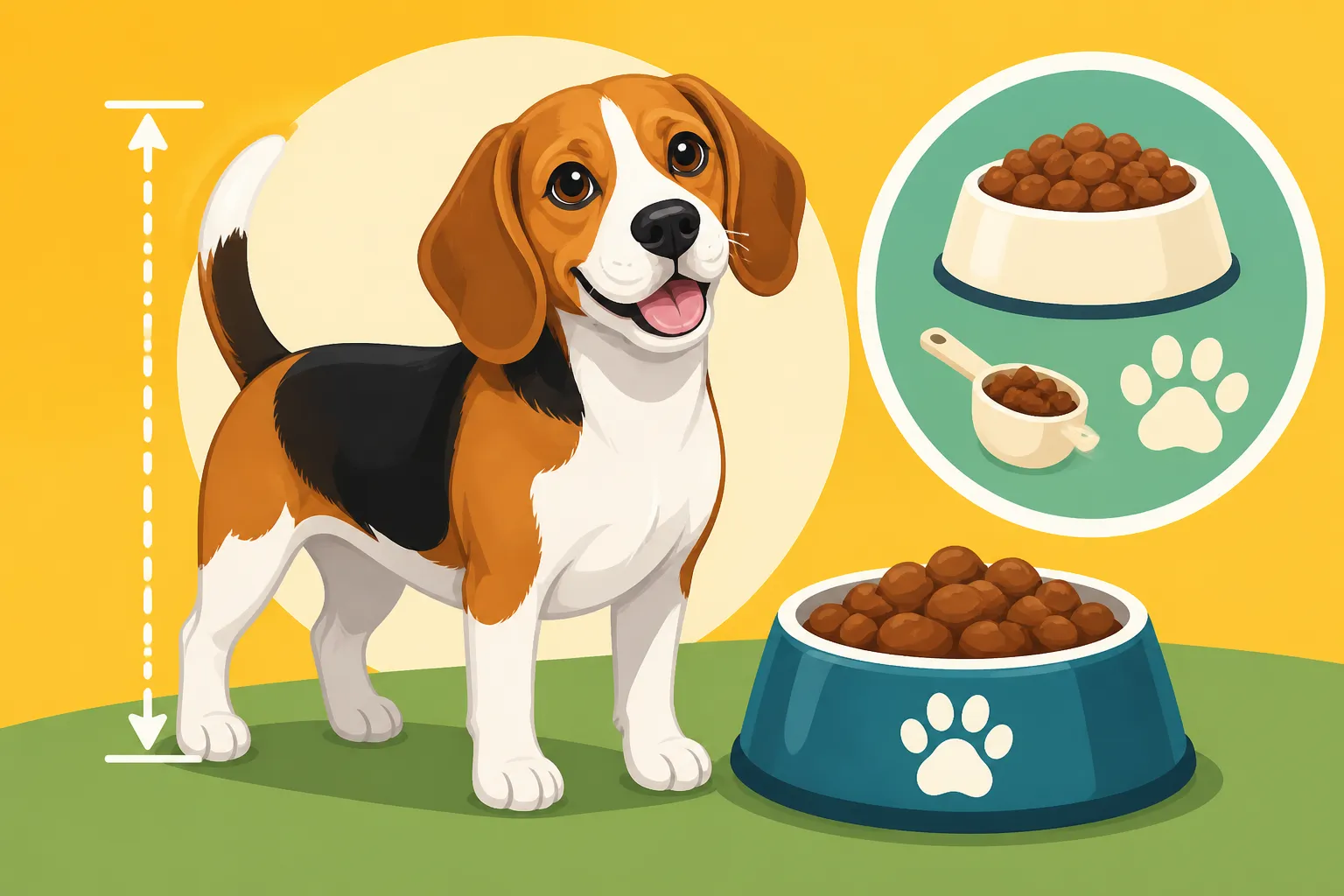
It can be a real head-scratcher figuring out how much to feed your Beagle, especially when they hit that middle ground, like a fifteen-inch pup hovering around twenty-eight pounds. You want them healthy, not too chunky, but also not starving, and let's face it, a Beagle always acts like they're starving! This guide is here to walk you through the nuances of fueling your twenty-eight-pound, fifteen-inch Beagle, ensuring they get the right nutrition without packing on extra weight or feeling constantly deprived.
Understanding the Calorie Needs of a Fifteen-Inch Beagle
Every Beagle is unique, but when you have a fifteen-inch one tipping the scales at twenty-eight pounds, you're in a sweet spot where their energy needs are quite specific. It's not just about tossing food in a bowl; it's about understanding the science behind their daily fuel. Their boundless energy and insatiable appetite mean we, as their human companions, need to be diligent about their caloric intake. It’s a delicate balance, and getting it right can mean the difference between a spry, happy Beagle and one struggling with health issues down the line.
Why Twenty-Eight Pounds Matters for Calorie Calculation
The number on the scale, specifically twenty-eight pounds for a fifteen-inch Beagle, gives us a critical starting point for determining their daily calorie requirements. It’s not necessarily an "overweight" number, as some Beagles have a more robust frame, but it definitely means we need to be mindful. Their ideal weight can vary within a few pounds based on individual body structure and muscle mass. A lean, athletic Beagle at 28 pounds might have different needs than a more sedentary one of the same weight. It's about finding that individual sweet spot where they're energetic, have a visible waistline, and feel good.
Their Basal Metabolic Rate (BMR) and Resting Energy Requirement (RER) are the foundational calories they burn just existing—breathing, circulating blood, keeping warm. But a Beagle, especially one at twenty-eight pounds, is rarely just existing. They're sniffing, trotting, baying, and getting into all sorts of mischief. This activity level dramatically influences their Daily Energy Requirement (DER). A Beagle that gets long, vigorous walks and playtime will naturally burn more calories than one whose exercise is limited to the backyard. This means the 28-pound figure is a constant variable in an equation that also includes age, activity, and even environmental temperature. Daily Calories for a 13-Inch Against a 15-Inch Beagle offers a good comparison to other sizes too.
General Calorie Guidelines for a Beagle This Size
When we talk about general calorie guidelines, it’s always important to remember these are just starting points, like a recipe's "prep time." For a fifteen-inch Beagle weighing around twenty-eight pounds, a typical maintenance calorie range might fall somewhere between 800 to 1,100 calories per day. However, this is a broad stroke, and your individual Beagle could fall outside of it. A highly active hunting Beagle at this weight, for instance, might need closer to the higher end, or even more, to sustain their energy levels, while a laid-back, senior Beagle might thrive on fewer calories.
Several factors will push your Beagle's needs up or down that scale. A spayed or neutered Beagle, for example, often requires fewer calories than an intact one because their metabolism can slow down. Age is another huge factor; a young, growing Beagle, even at 28 pounds, might need more fuel, whereas a senior Beagle's metabolism often dips, necessitating a reduction in intake to prevent unwanted weight gain. Even the climate plays a role; dogs living in colder environments might burn more calories to stay warm. The most crucial step is to always, always check with your veterinarian. They can provide a personalized calorie target based on your Beagle's exact body condition, activity level, and any underlying health concerns, which is far more reliable than any general guideline you'll find online.
Choosing the Right Food for a Twenty-Eight Pound Beagle
The market for dog food is absolutely saturated, and it can feel overwhelming trying to pick the "best" one for your twenty-eight-pound Beagle. Every bag promises health, vitality, and a shiny coat, but the truth is, not all foods are created equal, and what works for one Beagle might not be ideal for another. Our goal is to find a nutritionally complete and balanced diet that supports their energy levels, maintains a healthy weight, and keeps them feeling satisfied without overfeeding.
Deciphering Food Labels and Nutritional Content
Learning to read a dog food label is like learning a new language, but it's an essential skill for any Beagle owner. The first thing you'll want to zero in on is the caloric density, usually listed as "kcal/cup" or "kcal/kg." This tells you exactly how many calories are in a standard scoop, which is vital for precise portion control for your 28-pound Beagle. Beyond that, the macronutrients—protein, fat, and fiber—are key players. Look for a good quality protein source (like chicken, beef, or lamb) as the first ingredient, as Beagles are active dogs with muscle to maintain.
Fat provides energy and helps with nutrient absorption, but too much can quickly lead to weight gain. Aim for a moderate fat content unless your vet advises otherwise. Fiber is often overlooked but is crucial for digestive health and can help your Beagle feel full. The ingredient list also tells a story: whole ingredients are generally preferable to by-products or vague "meat meals." Brands widely available on platforms like Chewy often provide detailed nutritional breakdowns, including "guaranteed analysis" percentages for protein, fat, fiber, and moisture. For Beagles with specific needs or allergies, understanding these labels becomes even more critical, and sometimes an elimination diet is required to pinpoint sensitivities.
Considering Wet, Dry, and Fresh Food Options
Each type of dog food—dry kibble, wet food, and fresh food—comes with its own set of advantages and disadvantages for a twenty-eight-pound Beagle. Dry kibble is usually the most budget-friendly and convenient option. Its crunchy texture can also offer some minimal dental benefits by helping to scrape plaque, though it's no substitute for regular brushing. For a Beagle that tends to inhale its food, kibble can be effectively used in slow feeders or puzzle toys.
Wet food, on the other hand, boasts a higher moisture content, which can be great for hydration and often makes it more palatable, which is a huge plus for picky eaters (though most Beagles aren't known for being picky!). The higher moisture can also contribute to a feeling of fullness on fewer calories, which can be useful for weight management if your vet recommends it. Fresh food, from services like Ollie or carefully prepared home-cooked meals, is typically the most palatable and digestible. It allows for precise control over ingredients, which is fantastic for Beagles with allergies or sensitivities. However, fresh food can be significantly more expensive and, in the case of home-cooked, requires diligent balancing to ensure all necessary nutrients are present, especially minerals like calcium Home Cooked Beagle Meals and Getting Calcium Right. It's a spectrum of choices, and the best fit depends on your Beagle's preferences, your budget, and their specific health requirements.
Strategies for Measured Feeding and Portion Control
The Beagle's legendary appetite isn't just a charming quirk; it's a powerful instinct that requires careful management from their human family. Free-feeding, where food is left out all day, is almost certainly a recipe for an overweight Beagle. For a fifteen-inch, twenty-eight-pound Beagle, precise portion control isn't just good practice—it's essential for their long-term health and wellbeing.
The Importance of Accurate Measurement
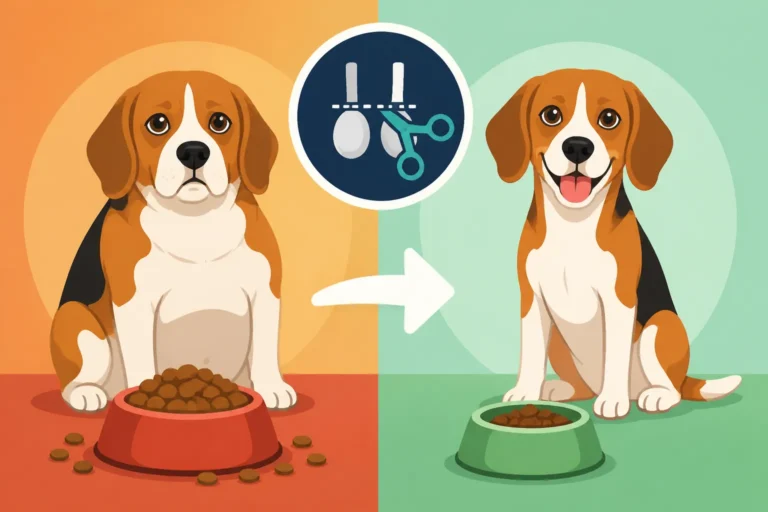
When it comes to feeding your Beagle, "eyeballing it" or using a standard measuring cup like you would for baking is just not accurate enough. These methods can lead to small, incremental overfeeding that, over weeks and months, quickly adds up to unwanted pounds. A kitchen scale is your best friend here. Dog food densities vary widely, meaning that one "cup" of Brand A might have significantly more or fewer calories than one "cup" of Brand B. Weighing their food in grams ensures you're giving the exact caloric amount prescribed by your vet or indicated on the food label, taking the guesswork out of it.
Think about it: even an extra quarter cup a day, if it's high-calorie kibble, could add hundreds of extra calories over a week, leading to noticeable weight gain for your twenty-eight-pound Beagle. Precision feeding also helps you spot trends. If your Beagle is gaining weight, you can confidently adjust their intake by a precise amount, rather than just guessing. This level of accuracy is especially critical for managing weight or for Beagles with specific dietary needs. Measuring Beagle Food by Weight Rather Than Cups can provide more insights into this crucial technique.
Feeding Schedule and Meal Frequency
For adult Beagles, including your twenty-eight-pound companion, a consistent feeding schedule with two meals a day is generally recommended. This approach offers several benefits. Firstly, it helps regulate their digestive system, making house training and predicting potty breaks much easier. Secondly, a routine feeding time provides structure and predictability, which can reduce anxiety and begging behavior. Beagles thrive on routine, and knowing when their meals are coming can make them feel more secure.
The ritual of mealtime itself is an important part of your Beagle's day. Splitting their daily caloric intake into two meals, typically morning and evening, helps to prevent them from feeling overly hungry between meals and can also reduce the risk of bloat (though less common in Beagles than larger, deep-chested breeds, it's always a consideration). This consistent schedule also makes it easier to track how much they're eating and to notice any changes in appetite, which can be an early indicator of a health issue. Consistency is key, and once you establish a feeding rhythm that works for both you and your Beagle, stick with it.
Slow Feeders and Puzzle Toys for the Fast Eater
If you've ever watched a Beagle eat, you know it's less of a meal and more of a vacuuming operation. Their evolutionary instinct as scent hounds meant they often had to eat quickly and opportunistically, and that trait is very much alive in our modern Beagles. This rapid eating isn't just a spectacle; it can be dangerous, leading to choking, indigestion, and potentially bloat. This is where slow feeder bowls and puzzle toys become invaluable tools for your twenty-eight-pound Beagle.
Slow feeders, easily found on Amazon or Chewy, are specially designed bowls with ridges or obstacles that force your Beagle to eat around them, significantly extending mealtime. This simple intervention can improve digestion, reduce gas, and help your Beagle feel more satisfied because the act of eating lasts longer. Puzzle toys, on the other hand, take mealtime to the next level by turning it into a mental exercise. You load a portion of their kibble into the toy, and your Beagle has to figure out how to release it. This engages their incredible scent drive and problem-solving skills, providing valuable mental enrichment that can tire them out almost as much as a physical walk Puzzle Feeders That Genuinely Slow a Beagle. By making mealtime a challenge, you're not just slowing them down; you're fulfilling their innate need to work for their food.
Integrating Treats and Snacks into the Diet
Oh, treats! They're the cornerstone of training, a symbol of affection, and an almost irresistible temptation for any Beagle owner. But for a fifteen-inch, twenty-eight-pound Beagle, treats can quickly become a sneaky source of excess calories, undoing all your careful portion control efforts. It's crucial to integrate them wisely and mindfully into their overall diet.
Calorie Account for Treats
It's astonishing how many calories are hidden in seemingly small dog treats. Many owners diligently measure out their Beagle's meals but then forget to account for the handfuls of treats given throughout the day for good behavior, training, or just because their Beagle looks so darn cute. These "empty calories" from treats can easily add hundreds of extra calories to your twenty-eight-pound Beagle's daily intake, almost guaranteeing weight gain. To keep your Beagle at a healthy weight, treats should ideally make up no more than 10% of their total daily caloric intake.
This means if your Beagle needs 900 calories a day, only 90 of those calories should come from treats. This requires a little detective work on your part, as not all treat labels are as clear as food labels about calorie count. For training, especially with a Beagle, you'll want tiny, high-value treats that can be given frequently without piling on the calories. Treats Small Enough for a Hundred Beagle Repetitions are perfect for this, allowing for numerous rewards during a training session without overfeeding. Consider breaking larger treats into smaller pieces, or even using a portion of their daily kibble as training rewards.
Healthy Snack Alternatives
Beyond commercial dog treats, there's a whole world of healthy, low-calorie snack alternatives that your Beagle will likely adore. These can be fantastic for adding bulk and fiber without a lot of extra calories, making your twenty-eight-pound Beagle feel fuller and more satisfied. Plain, cooked vegetables like green beans, carrots, and broccoli florets are often big hits. Apple slices (without seeds, as apple seeds contain cyanide and are toxic) and small pieces of banana can also be given in moderation.
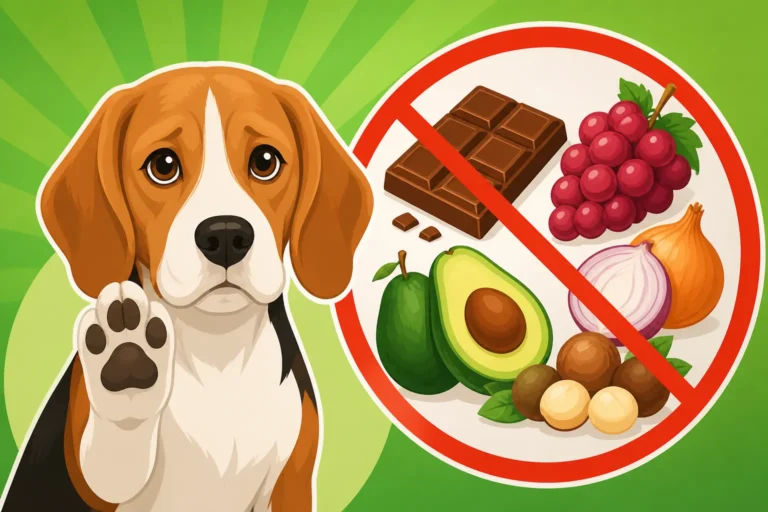
It's important to introduce any new food slowly and in small quantities to avoid upsetting their stomach. Always double-check that human foods are safe for dogs. Avoid anything with added salt, sugar, or artificial sweeteners (especially xylitol, which is highly toxic). Foods like grapes, raisins, onions, garlic, chocolate, and avocado are strictly off-limits and can be very dangerous. A small piece of cooked, lean chicken or turkey can also be a wonderful, high-value reward that's pure protein. By opting for these healthier alternatives, you're not just managing their weight; you're also providing additional nutrients and variety to their diet, reinforcing good habits without compromising their health. Always remember to be vigilant about what your Beagle gets into, as they are notorious scavengers The Foods That Are Toxic to a Beagle.
Monitoring Weight and Adjusting the Diet
Managing a Beagle's weight is an ongoing process, not a one-time fix. For your fifteen-inch, twenty-eight-pound Beagle, regular monitoring is key to ensure they maintain a healthy body condition throughout their life. Beagles have such a strong food drive that it's incredibly easy for them to tip the scales into the "overweight" category without you even realizing it.
Assessing Your Beagle's Body Condition Score
One of the most effective ways to monitor your Beagle's weight is by regularly assessing their Body Condition Score (BCS). This isn't just about the number on the scale; it's about what you feel and see. You should be able to easily feel your Beagle's ribs when you run your hands along their side, without pressing hard, but you shouldn't be able to see them protruding. They should also have a noticeable waistline when viewed from above, and an abdominal tuck (where the belly goes up towards the hind legs) when viewed from the side.
If you can't easily feel their ribs, or if they have a very round appearance with no discernible waist, your Beagle is likely overweight. Conversely, if their ribs are very prominent, or their hips and spine are easily visible, they might be underweight. Learning to use the BCS scale (typically 1-9, with 4-5 being ideal) is an invaluable tool for any Beagle owner. It helps you objectively track their condition and make informed decisions about their diet and exercise. You can find detailed charts online or ask your vet to show you how to properly assess your Beagle's BCS during their next visit. Body Condition Scoring a Beagle Under a Thick Coat delves deeper into this important method.
When to Consult Your Veterinarian
Your veterinarian is your most important partner in managing your Beagle's weight and overall health. While regular home monitoring is crucial, professional guidance is indispensable, especially if you notice significant weight changes or struggle to get your twenty-eight-pound Beagle to their ideal body condition. Beagles are notoriously prone to weight gain, and obesity can lead to a host of health problems, including arthritis, diabetes, and even impact conditions like Beagle Hip Dysplasia and Everyday Joint Wear or Beagle Back Problems and Intervertebral Disc Disease.
If you're unsure about your Beagle's current weight, calorie needs, or if you're considering a major diet change (like switching to a new food brand or type, or starting a weight loss plan), your vet can offer tailored advice. They can rule out any underlying medical conditions that might be contributing to weight gain, such as Beagle Hypothyroidism and the Weight It Puts On, and help you create a safe and effective feeding plan. Regular check-ups are also crucial to catch any potential issues early. Don't hesitate to reach out to them; they have the expertise to guide you in keeping your beloved Beagle healthy and happy for years to come. Beagle Obesity Treated as a Health Problem is a serious topic that your vet can help you navigate.
| Feeding Aspect | Recommendation for 15-inch, 28lb Beagle | Why It Matters | Considerations |
|---|---|---|---|
| Calorie Intake | 800-1100 kcal/day (Vet advised) | Prevents weight gain/loss, maintains energy levels. | Varies by age, activity, spay/neuter status. |
| Food Type | High-quality dry kibble, wet, or fresh | Provides essential nutrients, impacts satiety. | Budget, palatability, specific health needs. |
| Measurement | Weigh food in grams with a kitchen scale | Ensures accurate caloric intake, prevents overfeeding. | Measuring cups are inaccurate. |
| Meal Frequency | Two meals per day (morning & evening) | Aids digestion, provides routine, reduces hunger pangs. | Consistent schedule is key. |
| Eating Speed | Use slow feeders or puzzle toys | Prevents choking, indigestion, provides mental enrichment. | Enhances satisfaction, reduces gulping. |
| Treats | <10% of daily calories; low-calorie | Prevents hidden calorie intake, reinforces training. | Factor into daily calorie budget; choose healthy options. |
| Body Condition | Ribs felt, waist visible, abdominal tuck | Visual and tactile assessment for ideal weight. | Regular checks, consult vet for changes. |
Disclaimer
This article is for general informational purposes only and does not constitute professional advice. Laws, prices and regulations vary by location and change over time. Consult a qualified professional for guidance on your specific situation.