What to Ask a Beagle Breeder About Genetics
Genetic questions for Beagle breeders help identify hereditary diseases like Musladin-Lueke Syndrome and Factor VII Deficiency.

Genetic questions for Beagle breeders help identify hereditary diseases like Musladin-Lueke Syndrome and Factor VII Deficiency.

Beagle DNA panel results explain carrier status, genetic health risks, and breed ancestry to guide veterinary care for dogs.

Optional Beagle genetic tests including Factor VII Deficiency screenings provide insights beyond required core health clearances.
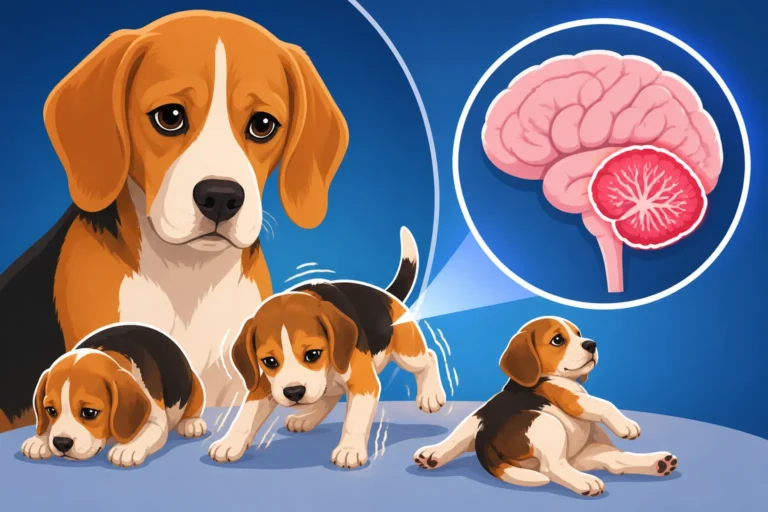
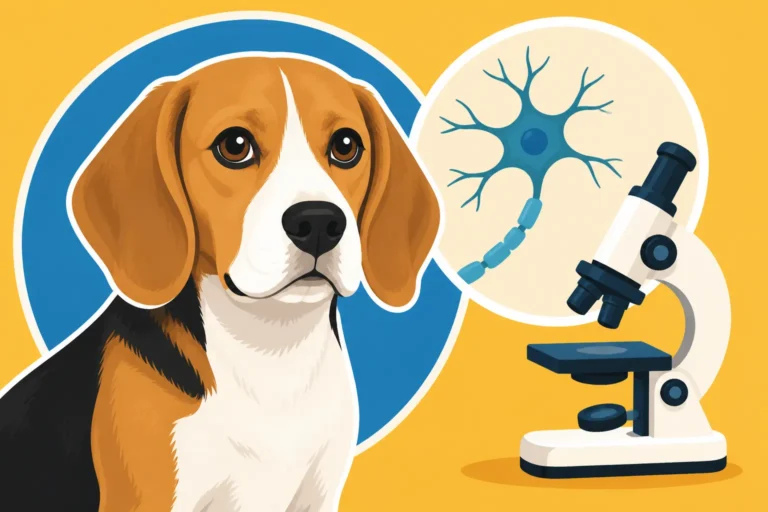
Cerebellar degeneration in Beagle puppies causes coordination problems linked to recessive genes, requiring genetic screening and veterinary diagnosis.
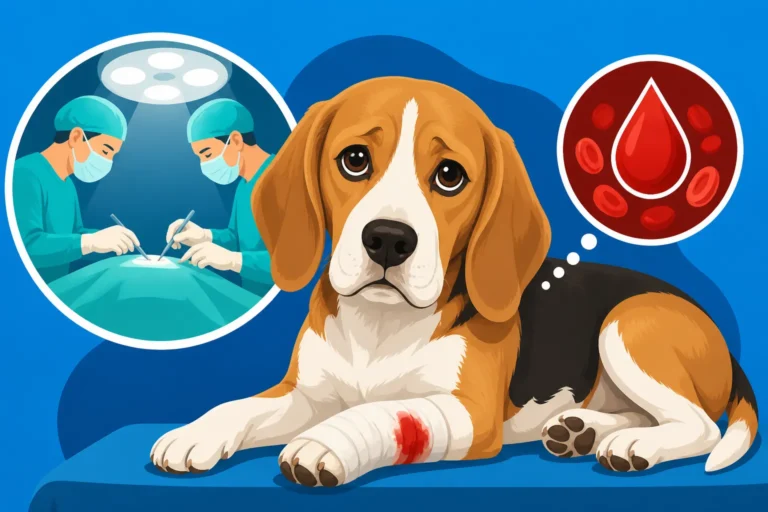
Factor VII deficiency in Beagles causes excessive bleeding after surgery due to an inherited genetic blood clotting disorder.
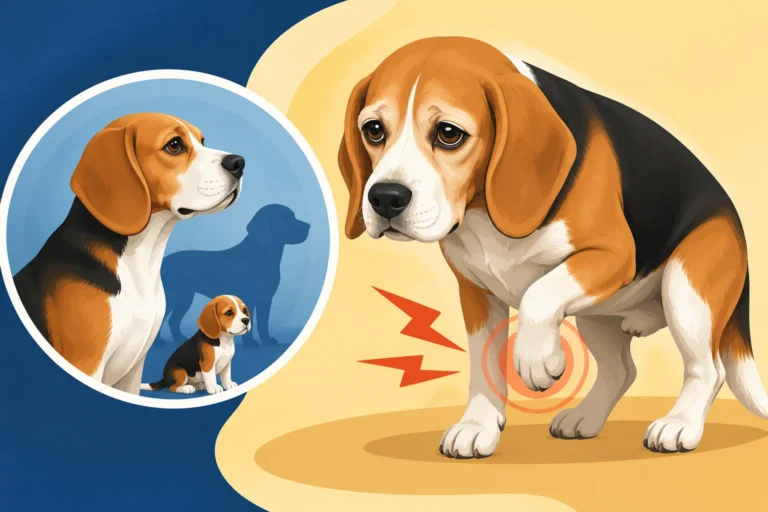
Beagle Pain Syndrome usually appears within a specific age range for this immune-mediated inflammatory disease affecting the brain and spinal cord.

Corticosteroid treatment for Beagle Pain Syndrome reduces brain and spinal cord inflammation to relieve severe pain and fever in dogs.
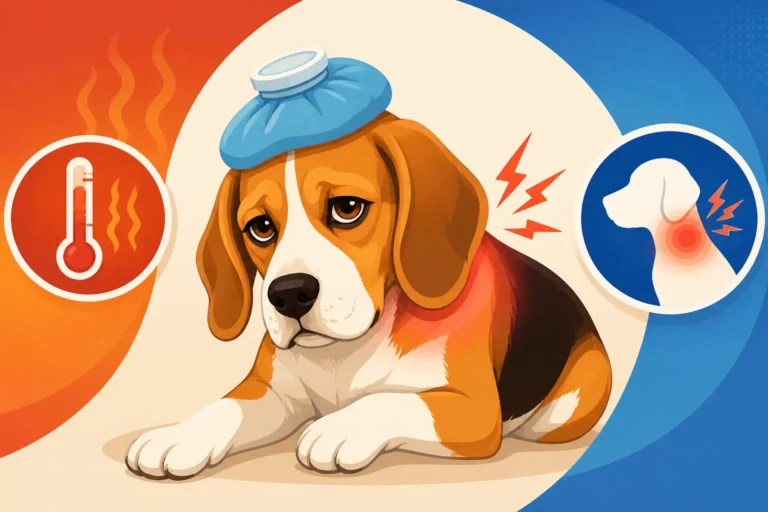
Beagle Pain Syndrome causes severe fever and neck stiffness from autoimmune inflammation, requiring prompt veterinary medical treatment.
Musladin-Lueke Syndrome is an inherited connective tissue disorder in Beagles that first gained recognition during the 1970s.

An MLS carrier result means your Beagle inherited one mutated gene copy, remains completely healthy without symptoms, and will not develop the syndrome.