The Pure White Beagle Pack Honeywood Kept
Reverend Phillip Honeywood kept a pure white Beagle pack in Essex during the 1830s that helped shape the modern breed.
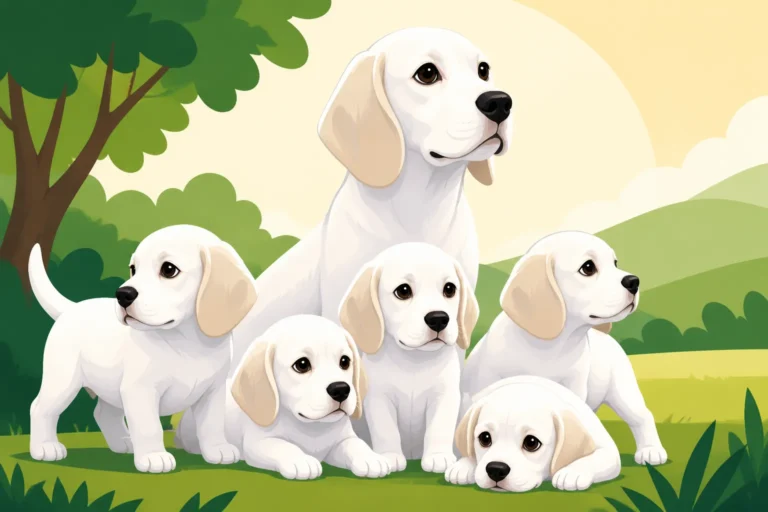
Reverend Phillip Honeywood kept a pure white Beagle pack in Essex during the 1830s that helped shape the modern breed.
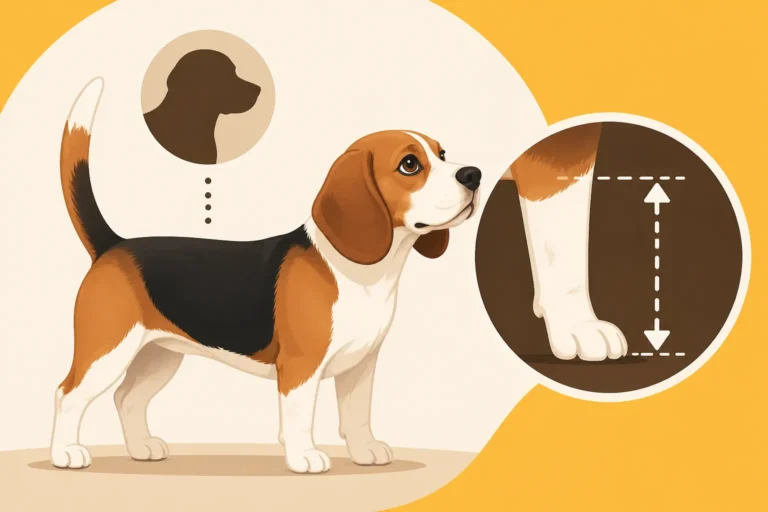
Reverend Honeywood’s ten-inch Beagles and early English working hounds hunted hares on foot through dense undergrowth.
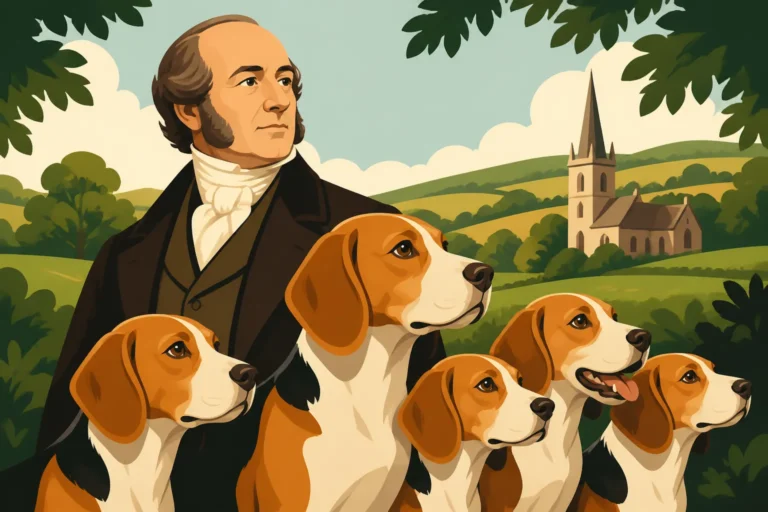
Reverend Phillip Honeywood and his Essex pack shaped the modern Beagle through selective breeding in the early nineteenth century.
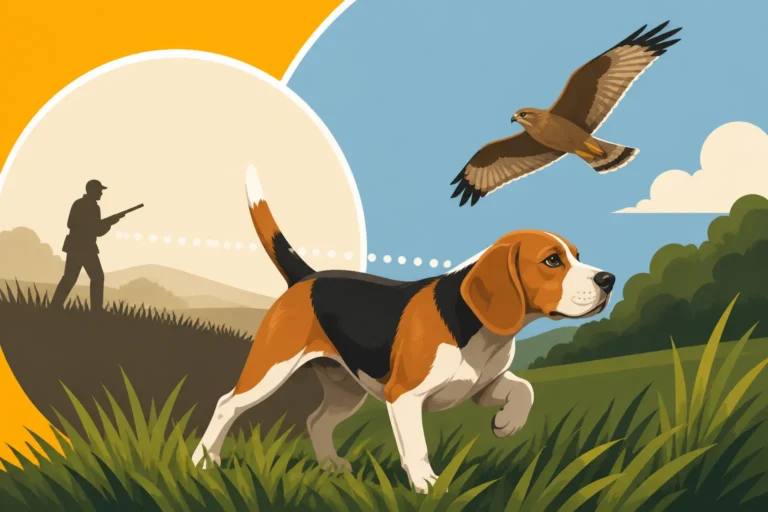
Beagle and Harrier history and physical traits explain how selective breeding created two distinct scent hound breeds.

The North Country Beagle evolved through selective breeding and absorption into scent hound lineages that formed modern dogs.
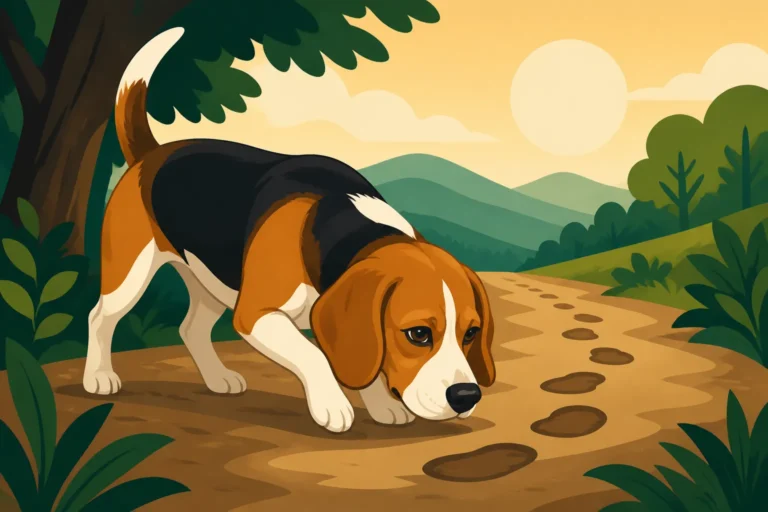
The Southern Hound explains the ancient lineage and methodical scent tracking style that shaped the modern Beagle.
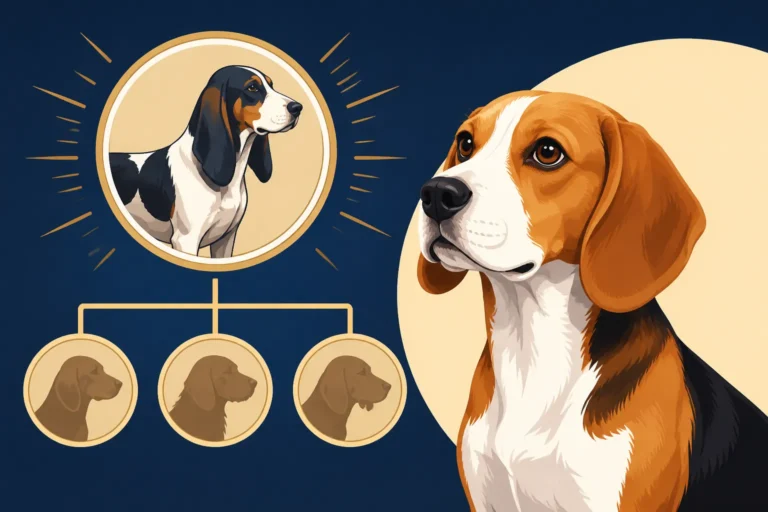
The ancient Talbot Hound provided the foundational genetics for the modern Beagle’s scenting abilities and physical traits.
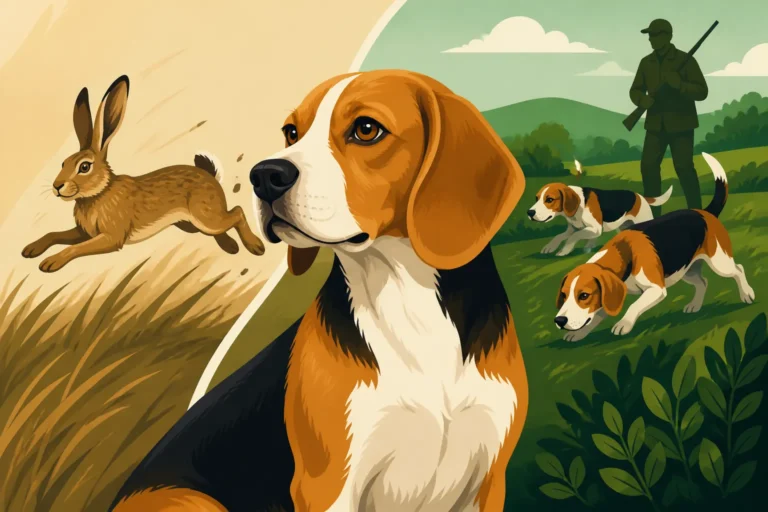
Selective breeding shaped the Beagle into a small hound standing thirteen to fifteen inches tall to match human foot speed for hare hunting.
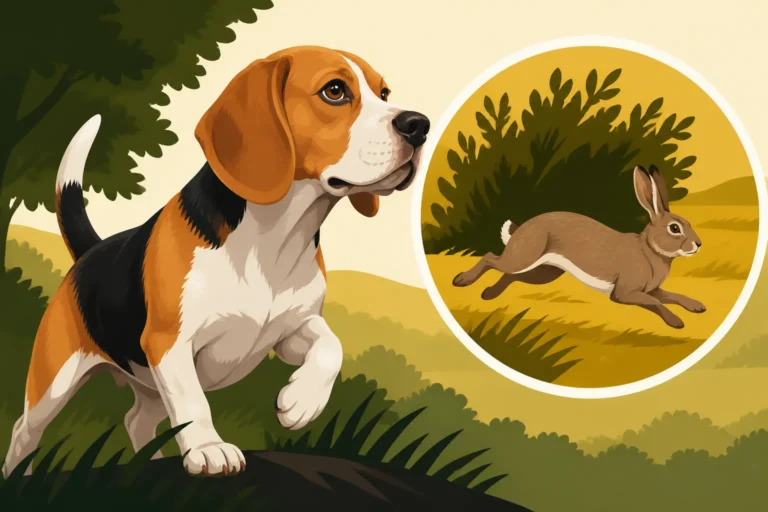
Historical purpose of Beagles as small scenthounds bred for foot hunting hares and rabbits across the English countryside.
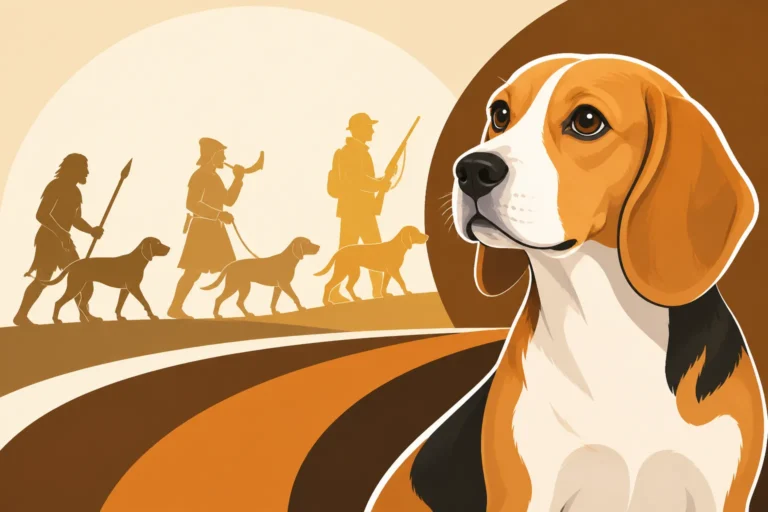
Ancient Beagle-type hounds and their scent-tracking traits evolved across twenty-five centuries of human history in Europe.