Why the USDA Picked Beagles for Airport Work
Airport Beagles use 220 million olfactory receptors and specialized brain anatomy to detect agricultural threats in luggage.
Is this the right one for you?
Origins and temperament, size and coat, what living with one is actually like, and how it compares to the breeds people weigh against it.

Airport Beagles use 220 million olfactory receptors and specialized brain anatomy to detect agricultural threats in luggage.

The history of the Beagle Brigade explains how the first dogs started detecting agricultural threats at Los Angeles Airport.

Beagle coat colors, ticking, and markings explained by the breed standard are purely cosmetic traits without health impacts.
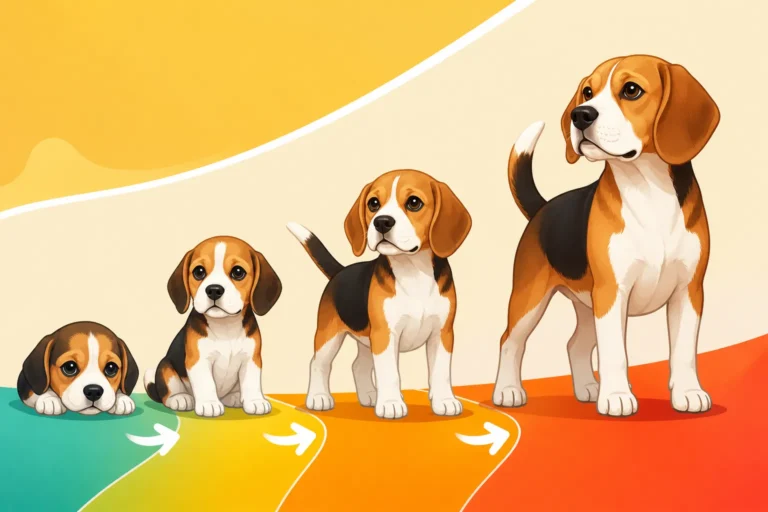
Beagle puppy coat color changes and fading black saddles occur naturally as genetic pigments mature over time.

Official breed standards and genetics explain why solid colored Beagles are rare and why hounds usually display patterns.
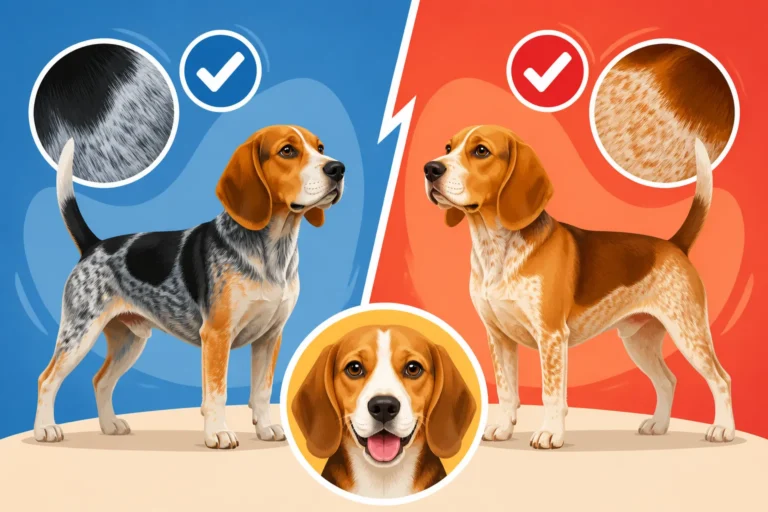
Blue tick and red tick Beagle coats explain the genetics behind speckled patterns and how ticking develops on white fur.

Lemon Beagles feature white coats with pale yellow markings created by a recessive gene at the Extension locus.

The tricolor Beagle coat pattern and its distinctive black saddle explained through genetics and breed history.
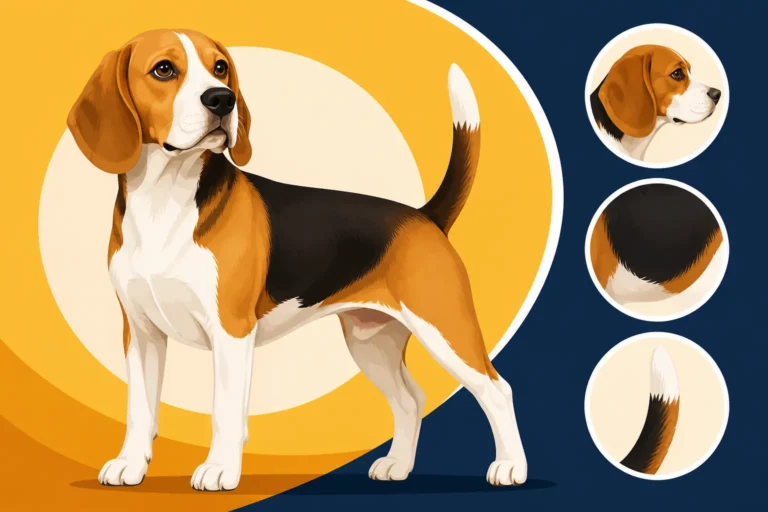
The official breed standard describes the Beagle coat as close, hard, and medium length with protective double layers.
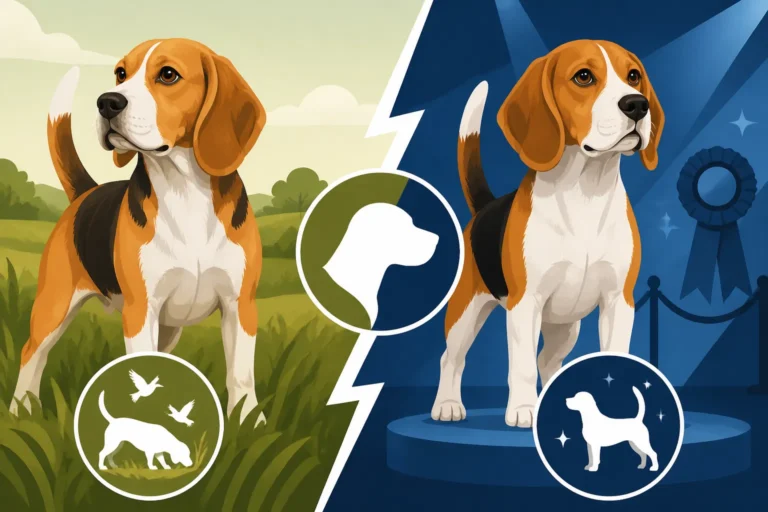
Field-bred and show-bred Beagles differ in appearance, temperament, hunting performance, and conformation ring standards.