Where a Beagle Loses Points on the Scale
Beagle show ring faults and structural deviations explain point deductions based on the official breed standard blueprint.
Is this the right one for you?
Origins and temperament, size and coat, what living with one is actually like, and how it compares to the breeds people weigh against it.

Beagle show ring faults and structural deviations explain point deductions based on the official breed standard blueprint.

Beagle gait mechanics, reach, drive, and coordination standards explained for show ring evaluation and breed movement.
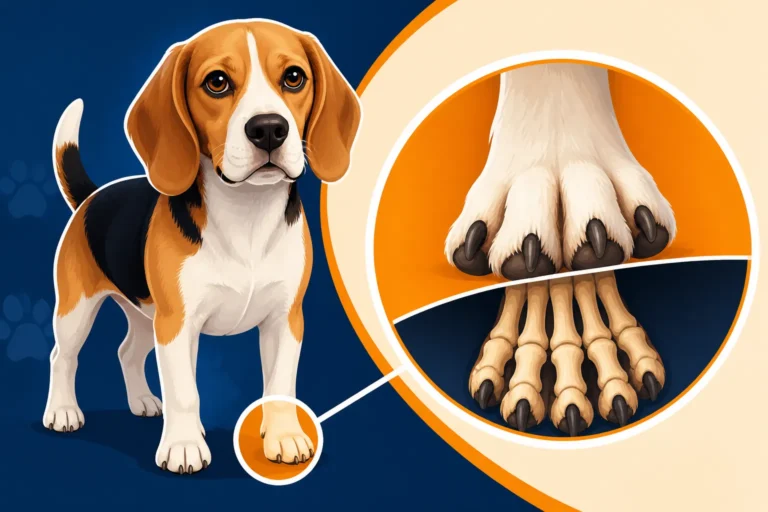
Beagle feet and bone structure standards explain how paw shape and thick pads prevent injuries and chronic lameness.

The white tip of a Beagle tail is a piebald genetic trait that helped hunters track hounds through tall grass.

The Beagle breed standard requires a moderately set tail with a white tip designed for tracking rabbits in tall grass.

The physical structure and pigment of Beagle eyes create their signature pleading expression and cheerful breed identity.

The official breed standard details Beagle ear length and low set placement, explaining why scent hounds evolved long ears.

The Beagle skull and muzzle standard explains the broad domed head structure, moderate stop, and clean flat cheeks expected by judges.

Separate height classes for show Beagles divide the breed into thirteen-inch and fifteen-inch varieties based on historical working standards.

Two Beagle height varieties differ only in shoulder measurement, sharing identical breed standards for disposition and build.