Beagle Thyroid Medication and Its Monthly Price
When your beloved Beagle is diagnosed with hypothyroidism, the initial shock can quickly give way to practical concerns, especially regarding the long-term financial commitment of daily medication. It's a common condition, but navigating the ongoing costs can feel overwhelming. This guide will walk you through the typical monthly expenses for Beagle thyroid medication, explore the various factors that influence these prices, and offer practical strategies to help you manage these essential, lifelong costs.
Understanding Beagle Hypothyroidism and Its Treatment
Hypothyroidism in Beagles is a condition where their thyroid gland doesn't produce enough thyroid hormone, primarily thyroxine (T4). This deficiency can lead to a host of symptoms, from lethargy and weight gain to skin issues and a dull coat. It's a condition that cannot be cured, but it's very manageable with proper medication, making your Beagle feel like their happy, energetic self again.
The Lifelong Need for Thyroid Medication
One of the most crucial things to understand about Beagle hypothyroidism is that once diagnosed, the treatment is for life. There's no temporary fix or short-term course of medication. Your Beagle will need to take thyroid hormone replacement therapy every single day for the rest of their years. This means that the monthly cost of medication isn't a one-off expense but a recurring part of your household budget, much like their food or routine vet visits. Missing doses, or stopping the medication altogether, can quickly lead to a resurgence of symptoms and can negatively impact your Beagle's overall health and quality of life. Owners often notice What Happens If a Beagle Stops Thyroid Medication quite quickly, seeing their dog revert to previous symptoms. This daily commitment is why understanding the financial aspect is so important upfront.
Common Medications and Their Mechanisms
The primary medication used to treat canine hypothyroidism is synthetic levothyroxine, which is essentially a synthetic version of the thyroid hormone T4. It works by replacing the hormone that your Beagle's body isn't producing naturally, thereby restoring their metabolism and alleviating symptoms. While the active ingredient is the same, levothyroxine can come in various forms and brand names. Some vets might prescribe a specific veterinary-branded medication, while others might suggest a human-grade generic version. The dose will depend on your Beagle's size, weight, and the severity of their condition, often starting with a lower dose and gradually increasing based on follow-up blood tests. These adjustments are vital to ensure your Beagle is receiving the optimal amount of hormone, avoiding both under-dosing, which leaves them symptomatic, and over-dosing, which can lead to other health problems like hyperthyroidism. You might first notice Beagle Hypothyroidism Symptoms Owners Notice First before even getting to this stage.
Breaking Down the Monthly Cost of Beagle Thyroid Medication
The cost of thyroid medication for your Beagle isn't a fixed number; it can fluctuate quite a bit based on several factors. It’s important to understand these variables to better budget for your furry friend's ongoing care.
Factors Influencing Medication Price
Several elements play a significant role in determining how much you'll pay each month for your Beagle's thyroid medication. The first is the dosage. A larger Beagle, or one with a more severe deficiency, will require a higher dose of levothyroxine, which translates to more milligrams per pill and potentially more pills per day. This directly impacts the total cost. Secondly, whether you opt for generic or brand-name medication makes a big difference. Generic levothyroxine for dogs is generally much more affordable than its brand-name counterparts, though both contain the same active ingredient. Your veterinarian can advise on whether a generic option is suitable for your specific Beagle.
The source of the medication also matters. Purchasing directly from your vet's office might offer convenience, but it often comes with a higher markup compared to online pet pharmacies or even human pharmacies. Additionally, the region you live in and the specific pharmacy can influence prices due to varying overheads and competitive pricing strategies. Finally, the formulation—tablets, flavored chewables, or compounded liquids—can affect cost. Compounded medications, often prepared for specific dosages or in palatable forms for picky eaters, can sometimes be more expensive due to the customization involved.
Average Monthly Costs and Variations
Based on current market prices and common dosages for a Beagle (typically weighing between 20-30 pounds), you can expect to pay anywhere from $15 to $50 per month for levothyroxine medication. For example, a 25-pound Beagle might need a daily dose of around 0.4-0.8 mg of levothyroxine. If purchased as a generic tablet from a reputable online pharmacy like Chewy, a 90-day supply could cost around $45-$75, breaking down to $15-$25 per month. Brand-name veterinary formulations, on the other hand, might push that monthly cost closer to $30-$50.
It's crucial to remember that these are averages. A very small Beagle requiring a minimal dose might fall on the lower end, while a larger, more profoundly hypothyroid Beagle requiring higher doses or a specialized compounded formula could see costs pushing towards the upper range or even a bit higher. Sometimes, Beagle Hypothyroidism and the Weight It Puts On can necessitate a higher initial dose, which might be adjusted down as their weight is managed. It's always a good idea to get a specific quote for your Beagle's prescribed dose from multiple sources.
| Medication Type | Average Monthly Cost Range (Beagle) | Notes |
|---|---|---|
| Generic Levothyroxine | $15 – $25 | Most common, often available through online or human pharmacies. |
| Brand-Name Veterinary | $30 – $50 | Specific veterinary formulations, often higher markup at vet clinics. |
| Compounded Medication | $40 – $70+ | Custom dosages or flavors, can vary widely by pharmacy. |
The Hidden Costs Beyond the Pills
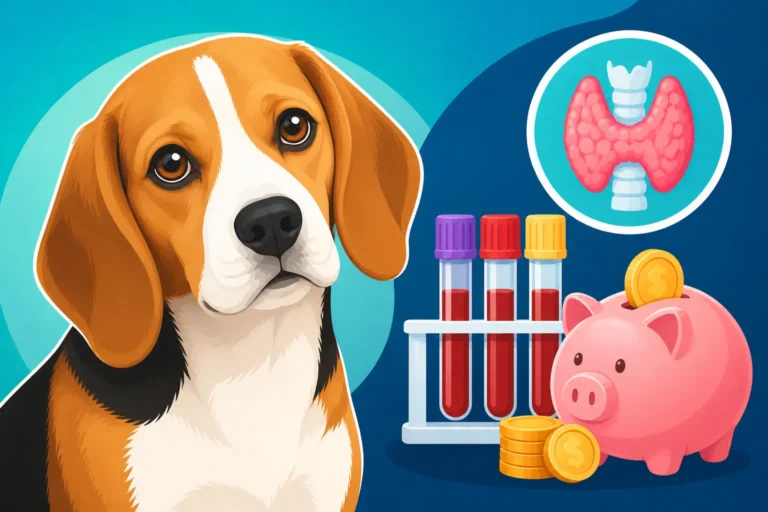
While the medication itself is the primary recurring expense, it's vital not to overlook the associated costs that come with managing Beagle hypothyroidism. Initially, there's the diagnostic process, which involves blood tests. A What a Beagle Thyroid Panel Costs can range from $80 to $200 or more, depending on your vet and location. After starting medication, your Beagle will need regular follow-up blood tests to ensure the dosage is correct. Typically, this means blood work every 4-8 weeks initially, and then every 6-12 months once stable. Each of these tests will incur a veterinary fee, which can add $50-$150 per visit, not including the consultation fee.
Additionally, managing hypothyroidism often involves addressing secondary issues. If your Beagle gained weight due to the condition, you might invest in special diet foods, like those offered by Ollie, or work with a veterinary nutritionist, which can add to your monthly budget. Skin issues or coat problems, common symptoms of hypothyroidism, might require medicated shampoos or supplements. All these elements contribute to the true "cost of care" beyond just the pills themselves, highlighting the need for a comprehensive financial plan.
Managing Medication Expenses and Long-Term Care
Dealing with a lifelong condition means exploring every avenue to make care affordable and sustainable. Thankfully, there are several strategies you can employ to minimize the financial burden of your Beagle's thyroid medication.
Leveraging Pet Insurance and Discount Programs
One of the most proactive steps you can take is to invest in pet insurance. If your Beagle is insured before a hypothyroidism diagnosis, many comprehensive pet insurance plans, such as those offered by Healthy Paws, will cover a significant portion of the medication costs, vet visits, and diagnostic tests (after your deductible and according to your reimbursement rate). However, it's crucial to understand that if your Beagle is diagnosed before you enroll in a policy, hypothyroidism will likely be considered a pre-existing condition and therefore not covered. This is why getting Beagle Insurance Between $38 and $73 a Month early is so critical. Be sure to compare different providers and their policies on chronic conditions; checking Beagle Insurance Premiums Provider by Provider can help you find the best fit.
Beyond insurance, many pharmacies and manufacturers offer discount programs. Some human pharmacies have loyalty programs that can reduce the cost of generic levothyroxine. Always ask your veterinarian if they are aware of any assistance programs or manufacturer coupons for veterinary-specific medications. Sometimes, even simply asking for a discount on a 90-day supply instead of 30 days can yield savings.
Exploring Pharmacy Options and Compounding
Don't limit yourself to your vet's office for medication. While convenient, veterinary clinics often have higher markups. Ask your vet for a written prescription and then shop around. Online pet pharmacies like Chewy, PetMeds, or even some major human pharmacy chains with online pet prescription services often offer competitive pricing, especially for generic levothyroxine. You might find a 90-day supply for significantly less than a 30-day supply at your vet.
Another option is to check human pharmacies. Since levothyroxine is also a common human medication, many pharmacies like CVS, Walgreens, or Costco carry generic versions at a lower price. Just ensure your vet specifies a human-grade medication and provides the appropriate prescription.
For Beagles that are difficult to pill or require very specific dosages not available in standard tablet sizes, compounding pharmacies are an excellent resource. These specialized pharmacies can custom-make medication in liquid form, flavored chewables, or precise dosages. While compounded medications can sometimes be pricier, the convenience and assurance that your Beagle is getting the correct dose in an acceptable form can be invaluable. Always discuss this option with your vet.
Essential Monitoring and Follow-Up Costs
Remember, the initial diagnosis and daily pills aren't the end of the financial road. Consistent monitoring is paramount for effectively managing hypothyroidism. Your Beagle will need regular blood tests to ensure the levothyroxine dose is appropriate. Too low, and their symptoms will persist; too high, and they could develop hyperthyroidism, which has its own set of health risks.
During the stabilization phase, your vet might recommend blood tests every 4-8 weeks. Once your Beagle's thyroid levels are stable and within the normal range, these tests typically reduce to once or twice a year. Each of these monitoring appointments will include a veterinary consultation fee and the cost of the blood panel itself. These periodic expenses need to be factored into your long-term budget. Many pet parents find it helpful to start a dedicated savings account or use a flexible spending account to prepare for these predictable, yet essential, follow-up costs. Knowing Testing a Beagle Thyroid at Two Years Old can help you anticipate some of these diagnostic costs before they even become treatment costs.
Living with a Hypothyroid Beagle: A Realistic View
Accepting that your Beagle has a chronic condition like hypothyroidism means embracing a holistic approach to their care, where medication is just one piece of the puzzle. It's about ongoing vigilance, careful management, and a deep understanding of their needs.
Diet, Weight, and Overall Health Management
Hypothyroidism often leads to a slower metabolism and, subsequently, weight gain. This is a common and often frustrating symptom for Beagle owners, as these dogs are already prone to loving food a little too much. Managing your hypothyroid Beagle's weight is critical, not only for their general well-being but also to prevent other health complications that can arise from obesity, such as arthritis, diabetes, or even exacerbating existing Beagle Back Problems and Intervertebral Disc Disease.
This might mean adjusting their diet to a lower-calorie formula, carefully measuring portions, and ensuring they get consistent exercise. Brands like Chewy and Ollie offer a wide range of food options, including weight management formulas, that can support your Beagle's health. Regularly body condition scoring your Beagle at home and working closely with your vet on a feeding plan is crucial. It’s a common frustration to see Beagle Hypothyroidism and Sudden Weight Gain despite efforts, so don't be afraid to ask your vet for advice on dietary changes and exercise routines. Exercise not only helps with weight but also boosts their mood and energy, complementing the effects of their medication.
The Importance of Consistent Treatment
Ultimately, the key to a happy, healthy hypothyroid Beagle lies in consistent, unwavering treatment. Missing doses, running out of medication, or not adhering to the prescribed schedule can undermine all your efforts and lead to your Beagle feeling unwell again. It's a daily commitment, but one that yields significant rewards in terms of their quality of life.
Set reminders on your phone, incorporate medication time into your daily routine, or use a pill organizer to ensure you never miss a dose. If you're traveling, plan ahead to ensure you have enough medication. Always keep extra on hand in case of unexpected delays in refilling. Your Beagle relies on you for this consistent care, and seeing them back to their energetic, curious selves, sniffing out every scent with enthusiasm, is truly the best reward for your dedication. Remember, Beagle Health Testing Under CHIC includes a range of checks designed to promote overall breed health, and staying on top of conditions like hypothyroidism contributes to that longevity and vitality for your individual dog.
Disclaimer
This article is intended for informational purposes only and is not a substitute for professional veterinary advice, diagnosis, or treatment. Always seek the advice of your veterinarian or other qualified health provider with any questions you may have regarding a medical condition. Never disregard professional veterinary advice or delay in seeking it because of something you have read in this article.