A Beagle That Raids the Trash Every Night
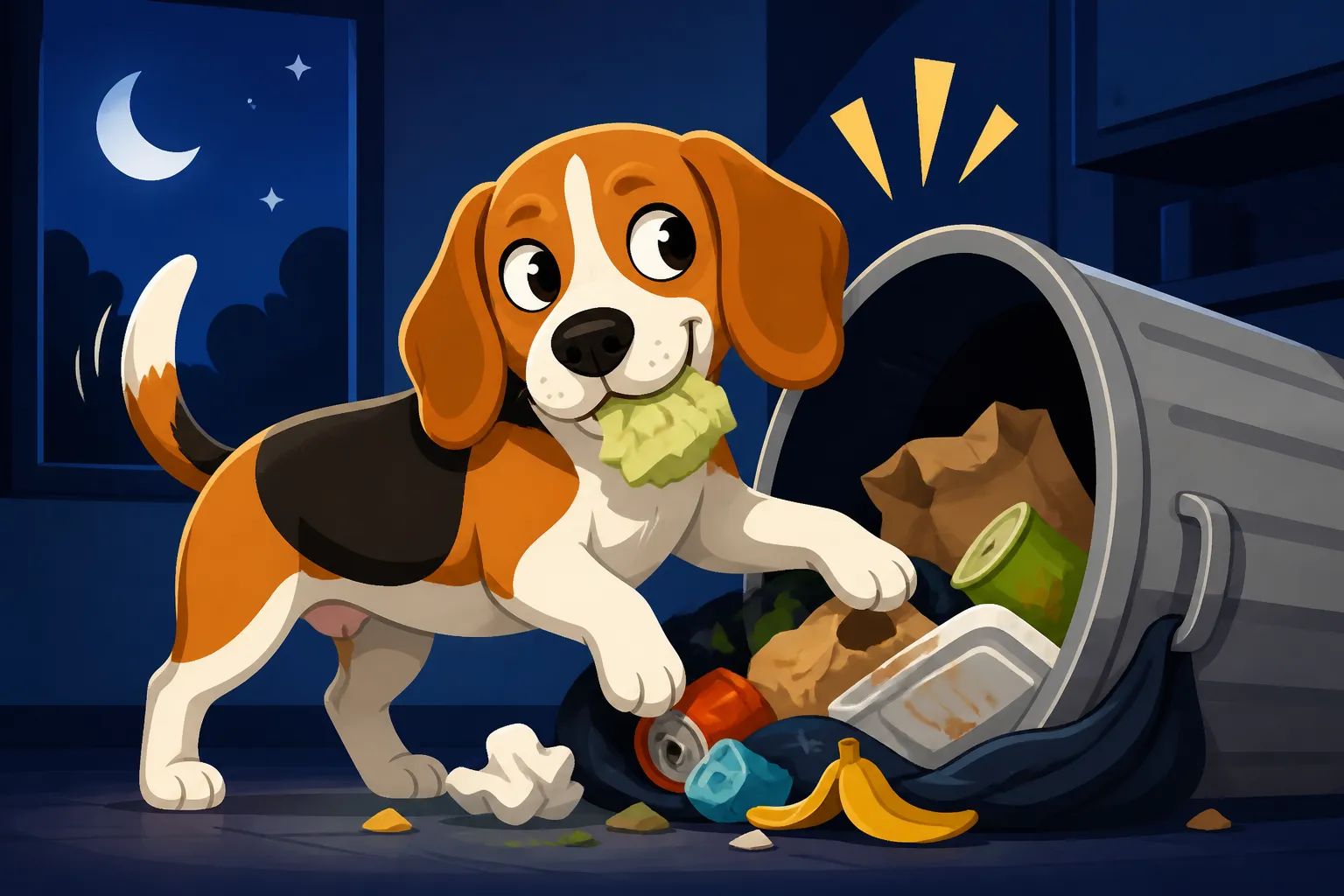
Waking up to a kitchen floor littered with last night's dinner scraps, coffee grounds, and whatever else your Beagle managed to unearth from the trash can is a truly frustrating experience. It feels like a betrayal, doesn't it? You thought they were sound asleep, only to discover their sneaky nighttime mission. This guide is here to help you understand why your Beagle transforms into a garbage connoisseur after dark and, more importantly, how to put a stop to those midnight trash raids.
Understanding Your Beagle's Midnight Snack Habits
It's easy to get angry when you see the mess, but it's important to remember that your Beagle isn't doing this to spite you. There are deep-seated instincts and unmet needs at play that drive this behavior. Once we understand the "why," the "how" to fix it becomes much clearer.
The Deep-Rooted Instinct to Forage
Beagles are hounds, and what do hounds do best? They use their incredible noses. Their ancestors spent centuries foraging for food, tracking scents, and generally being opportunists in the wild. That incredible nose, with its 220 million scent receptors, doesn't just switch off when the lights go out. The aroma of leftover pizza crusts, chicken bones, or even just general food waste from your trash bin is like an irresistible siren song to them. It's a primal urge to investigate, to scavenge, and potentially find a high-value meal that evolution has hardwired into their DNA.
This instinct isn't just about hunger; it's about the thrill of the hunt. Even a well-fed Beagle can be drawn to the challenge of getting into something forbidden, especially when their senses are heightened in the quiet of the night. It's a puzzle to solve, a treasure hunt for their powerful nose. For them, your trash can isn't just waste; it's a potential cache of interesting, aromatic, and possibly delicious discoveries. This is why a simple kitchen bin, no matter how full, becomes the focal point of their nocturnal adventures.
Think about it from their perspective: the house is quiet, no one is watching, and there's a treasure trove of smells just waiting to be explored. It's an opportunity to engage their primary sense in a highly rewarding (to them!) way. Understanding that this isn't malice, but instinct, is the first step in approaching the problem with patience and effective strategies.
Boredom and Undermet Needs
While instinct plays a huge role, boredom and a lack of sufficient mental and physical stimulation throughout the day can also fuel nighttime trash raiding. Beagles are active, intelligent dogs that were bred to work. They need more than just a quick walk around the block. If their days are spent lounging with little to do, that pent-up energy and mental prowess will find an outlet, often in destructive ways. Nighttime, when everyone else is asleep, becomes prime time for these "self-employment" activities.
A Beagle that isn't sufficiently exercised, either physically or mentally, might turn to the trash as a form of entertainment. Digging, shredding, and exploring are all natural Beagle behaviors, and a trash can offers a perfect, albeit messy, canvas for these activities. If your Beagle isn't getting enough long walks where they can sniff to their heart's content, engaging puzzle toys, or training sessions, they're more likely to invent their own "fun" when you're not around to supervise. Why a Scent Walk Tires a Beagle Faster Than Running delves into how important scent work is for their mental well-being.
Consider their routine: are they alone for long stretches? Do they have access to appropriate chew toys or enrichment activities when you're busy or away? A Beagle with a full day of engaging activities is a tired, content Beagle, and a tired Beagle is much less likely to embark on a midnight dumpster dive. Addressing these unmet needs is crucial, as simply blocking access to the trash without offering alternatives won't solve the underlying drive.
The Irresistible Lure of "Forbidden" Foods
Let's be honest, our trash often contains some incredibly enticing items for a Beagle. Leftovers with strong smells, fatty residues, or even just the crumbs from snack wrappers are olfactory gold for a dog with a nose like theirs. For them, it's not just "trash"; it's a buffet of tantalizing scents and potential flavors. The higher the value of the "prize" they anticipate, the more determined they will be to get to it.
The problem is exacerbated when they actually succeed in finding something delicious. That one time they managed to pull out a half-eaten sandwich or a bag of potato chip crumbs creates a powerful positive reinforcement. They learn that despite the effort, the reward is absolutely worth it. This makes the habit incredibly difficult to break because they've experienced the payoff. Even if they only find something good once in a while, that intermittent reinforcement keeps them trying. The Beagle Food Drive That Empties Your Counters really highlights how deeply ingrained this desire for food is for them.
It's also important to remember that many "human foods" found in the trash can be incredibly dangerous for Beagles. Cooked bones can splinter and cause internal damage, chocolate and onions are toxic, and even fatty scraps can lead to pancreatitis. The lure of these forbidden foods isn't just an annoyance; it's a serious health hazard. So, while you might be frustrated by the mess, the underlying risk to their well-being adds another layer of urgency to solving this problem.
Beagle-Proofing Your Home Against Night Raids
Since we know Beagles are driven by instinct and motivated by potential rewards, the most effective initial strategy is to remove the opportunity. This means making your home, especially the kitchen, absolutely impenetrable to a determined Beagle nose.
Securing Your Trash Cans
This is often the first and most critical step. A standard open-top kitchen trash can is an open invitation, practically a red carpet, for a Beagle. You need something that is genuinely Beagle-proof. This means investing in a trash can with a secure lid that locks or latches, or one that requires a specific human action to open, like a pedal that a dog cannot manipulate. Many popular kitchen trash cans on the market, especially those advertised as "pet-proof," will have various locking mechanisms. Some brands offer models with step-on pedals and a slow-close lid that also features a latch or a solid, heavy cover that's hard to dislodge.
Beyond the lid, consider the stability of the can itself. A lightweight plastic bin is easily tipped over by a persistent Beagle, allowing access to its contents even if the lid was initially secure. Opt for a heavier, sturdier model, perhaps one made of stainless steel or a robust plastic with a wide, stable base. Placing the trash can inside a locked cabinet, if possible, is an even more foolproof solution. This creates a double barrier that makes it nearly impossible for your Beagle to reach the tempting treasures inside. Some people even put a child lock on the cabinet door for extra security.
Finally, and this might sound obvious, empty the trash frequently, especially before you go to bed. The less appealing scent there is, the less motivated your Beagle will be. If there's nothing in the bin but a few paper towels, the incentive to raid is significantly reduced. Make it a habit to take out particularly odorous trash, like dinner scraps or takeout containers, immediately after meals, rather than letting it sit overnight. For those especially tempting items, like leftover chicken carcasses or greasy pizza boxes, consider taking them directly to an outdoor, securely lidded bin.
Counter and Pantry Management
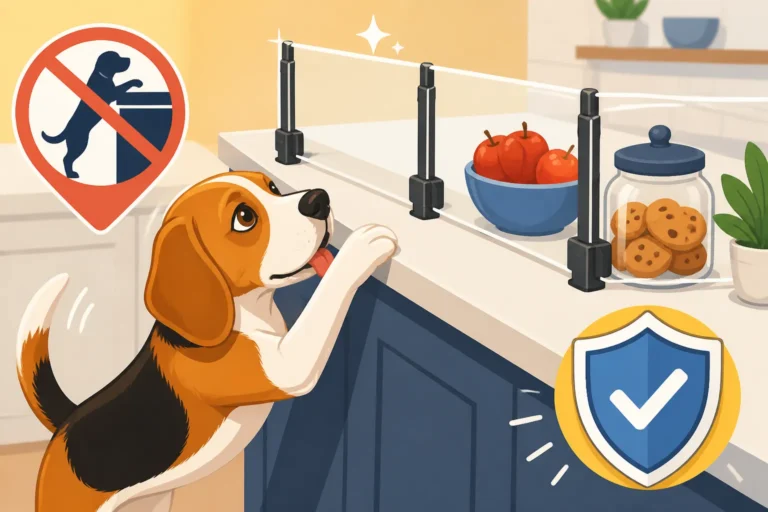
It's not just the trash can that's a target for a food-driven Beagle. Kitchen counters and pantries are also prime real estate for opportunistic snatching. A Beagle might be small, but they can be incredibly inventive when food is involved. This means clearing counters completely of any food items, dirty dishes, or even grocery bags that might contain something interesting. Remember, their noses can tell them exactly what's inside that bag, even if you can't see it.
For items stored in the pantry or lower cabinets, ensure these doors have secure latches or child-proof locks. Many Beagles have learned how to use their noses or paws to nudge open cabinet doors that aren't properly secured. Beagle-Proofing a Kitchen Counter provides even more detail on how to keep food out of reach. Don't underestimate their determination; if there's a crack or a loose hinge, they will find it. If you have lower shelves with tempting items like bags of treats, kibble, or even human snacks, store them in airtight containers or move them to higher, inaccessible shelves.
Beyond just food, consider items like dish towels, oven mitts, or even small appliances that might carry the lingering scent of food. These can be just as interesting to a Beagle looking for something to chew or shred. The goal is to make the kitchen a completely unrewarding environment for foraging when you're not actively supervising. A clean, scent-free kitchen is a boring kitchen to a Beagle, and boring is exactly what you want when it comes to midnight raids.
Addressing Other Tempting Targets
While the kitchen trash is usually the main culprit, Beagles are known for their curiosity and willingness to explore any area that might hold a scent. This means expanding your "Beagle-proofing" efforts beyond just the kitchen. Do you have small wastebaskets in bathrooms, bedrooms, or home offices? These often contain tissues, cotton swabs, or even food wrappers that could be appealing. These smaller bins need to be secured with lids or placed inside cabinets that latch.
Also, think about laundry baskets or piles of clothes, especially if they have been worn recently. Human scent, even on dirty clothes, can be interesting, and items like socks or underwear can become unexpected chew toys. Keep laundry hampers in closed closets or use ones with lids that are hard for a Beagle to open. Any object left on the floor or within easy reach that could be chewed, shredded, or ingested should be put away. This includes shoes, remote controls, children's toys, and even houseplants (many of which are toxic).
Consider your Beagle's access to different areas of the house at night. If the kitchen is the primary problem, could you gate it off, or confine your Beagle to a secure, "Beagle-proofed" room or crate overnight? This might sound extreme, but for a determined trash raider, it’s often the safest and most effective immediate solution. Using a well-ventilated, appropriately sized crate can provide a secure den for them, and if they're properly crate-trained, they'll often feel safe and less inclined to get into trouble.
Training and Management Strategies for Nighttime Security
While physical barriers are essential, training and adjusting your Beagle's routine can go a long way in addressing the root causes of their trash-raiding behavior. This isn't just about stopping a bad habit; it's about teaching them appropriate behaviors and meeting their needs.
Establishing a "Leave It" Command
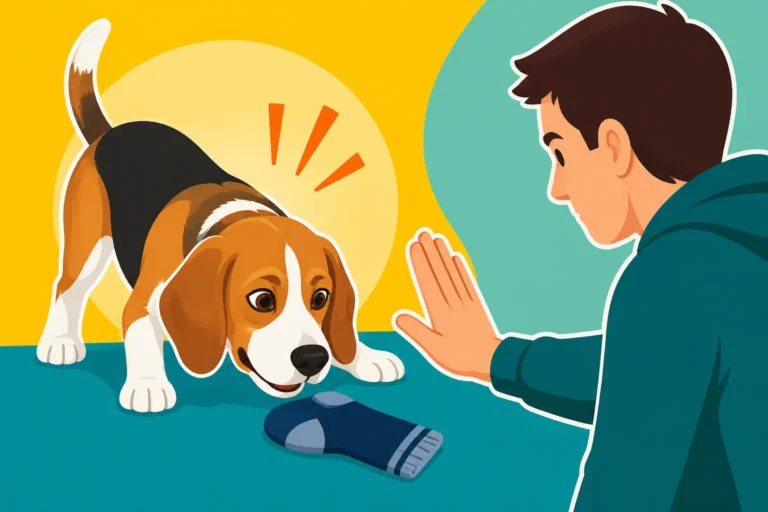
Teaching a solid "leave it" command is invaluable for a Beagle, not just for trash but for anything they shouldn't sniff, mouth, or pick up on walks. This command essentially teaches your dog impulse control, telling them to disengage from an interesting item. Start practicing this in a low-distraction environment with a treat they can have. Place the treat on the floor, cover it with your hand, and say "leave it." When your Beagle disengages, even for a second, reward them immediately with a different, higher-value treat you held in your other hand.
Gradually increase the difficulty. Uncover the treat, then place it farther away, then introduce distractions. The goal is for your Beagle to understand that "leave it" means "don't touch that, and you'll get something even better from me." This might take consistent practice, but it's a life skill. Many online training platforms, such as BAXTER & Bella, offer structured programs that can guide you through teaching essential commands like "leave it" with positive reinforcement techniques. Beagle Leave It Training With Real Food Down offers excellent tips for making this command stick even around irresistible temptations.
When it comes to trash, you can practice "leave it" by having a securely lidded trash can in the room during training sessions. Start far away, then gradually move closer. If your Beagle approaches the can, use your "leave it" command. Consistency is key here. Everyone in the household needs to use the same command and follow the same rules. If one person allows sniffing near the trash, it undermines all the training efforts.
Providing Appropriate Nighttime Enrichment
A Beagle that is mentally and physically tired is less likely to seek out trouble at night. Ensure your Beagle is getting plenty of exercise and mental stimulation throughout the day. This doesn't just mean physical exertion; Beagles thrive on using their noses and brains. Incorporate scent work games into their routine. Hide treats around the house for them to find, or use snuffle mats and puzzle feeders for their meals. Puzzle Feeders That Genuinely Slow a Beagle can be particularly effective in engaging their minds and tiring them out.
Before bedtime, a final, longer sniff-walk can be incredibly beneficial. This isn't about speed; it's about letting your Beagle investigate scents at their own pace. Allowing them to engage their powerful nose in a controlled, appropriate way can be far more tiring and satisfying than a brisk walk. Make sure they have access to appropriate chew toys or a stuffed Kong when you settle down for the evening. If they have something engaging to work on, they'll be less inclined to seek out the trash.
Consider giving them a special, long-lasting chew or a frozen Kong filled with peanut butter or plain yogurt right before you go to bed. This gives them a positive, permitted activity to focus on, helping them wind down and diverting their attention from any potential trash temptations. Indoor Enrichment for a Rainy Beagle Week can give you more ideas for keeping your Beagle occupied. This structured enrichment can help replace the "reward" they get from raiding the trash with something even better.
Optimizing Your Beagle's Feeding Schedule
Sometimes, an adjusted feeding schedule can also help. If your Beagle is genuinely hungry at night, even subconsciously, it might increase their motivation to raid the trash. Ensure they are receiving adequate calories for their age and activity level, and consider splitting their daily food allowance into two meals, with the last meal given closer to your bedtime. This can help them feel more satiated through the night. Feeding a Beagle That Would Happily Eat All Day explores how to manage their diet.
However, be careful not to overfeed in an attempt to curb trash raiding, as Beagles are prone to obesity. Instead, focus on nutrient-dense, appropriate food portions. A slow-feeder bowl can also make mealtime more engaging and extend the duration of their eating, helping them feel fuller for longer. If you free-feed your Beagle, stopping this practice and switching to scheduled, measured meals can significantly reduce their tendency to forage for food, as it teaches them that food only comes from you at specific times.
If you use high-value treats for training, make sure these are accounted for in their daily calorie intake to prevent weight gain. A healthy weight is crucial for a Beagle's overall well-being and can reduce the pressure on their joints and spine. How Extra Weight Raises Beagle Disc Pressure is a good read if you're concerned about obesity.
When to Seek Professional Help and Medical Checks
Despite your best efforts, some Beagles might continue to be persistent trash raiders. This can be incredibly frustrating and might signal that you need additional support or that there's an underlying issue that needs to be addressed.
Persistent Raiding Despite Efforts
If you've implemented all the Beagle-proofing measures, maintained a consistent "leave it" command, provided ample exercise and enrichment, and optimized their feeding schedule, yet your Beagle still finds a way into the trash, it might be time to call in a professional. A certified professional dog trainer or a veterinary behaviorist can observe your Beagle's behavior in your home environment and offer tailored strategies. They can identify specific triggers you might have missed and develop a more intensive behavior modification plan.
Sometimes, what seems like simple mischief can be a symptom of more complex behavioral issues, such as severe separation anxiety or compulsive behaviors. A professional can help distinguish between a strong natural instinct and a behavioral problem that requires a more nuanced approach. They can also help troubleshoot your existing methods, suggesting adjustments to your training techniques or management tools. Remember, asking for help isn't a sign of failure; it's a sign that you're committed to your Beagle's well-being and finding the best solution for both of you.
A trainer might recommend specialized tools, advanced obedience classes, or even working on Building Beagle Focus in a Distracting Place to help your Beagle learn to ignore high-value temptations. They can also guide you on how to effectively use remote cameras to monitor your Beagle's behavior at night, giving you valuable insights into how they're managing to raid the trash.
Rule Out Underlying Health Issues
While often behavioral, persistent food-seeking behaviors, including trash raiding, can sometimes be linked to underlying medical conditions. Certain health problems can increase a dog's appetite or cause them to feel perpetually hungry. Conditions such as thyroid imbalances (hyperthyroidism, though less common in Beagles, can cause increased appetite), diabetes, or even malabsorption issues can lead to excessive hunger that drives foraging behavior. Beagle Hypothyroidism and Sudden Weight Gain explores one common metabolic issue.
If your Beagle's trash raiding is accompanied by other changes in behavior, such as sudden weight loss despite increased eating, increased thirst, changes in urination, lethargy, or other unusual symptoms, a visit to your veterinarian is crucial. Your vet can perform a thorough physical examination, along with blood work and other diagnostic tests, to rule out any medical causes for the excessive appetite or persistent food-seeking behavior. They can also check for any dental issues that might make certain foods appealing or uncomfortable.
It's always best to get a clean bill of health from your vet before diving deep into behavioral modification, as addressing an underlying medical condition could resolve the trash-raiding problem entirely. Your vet can also advise you on safe and appropriate weight management if your Beagle is overweight, which often goes hand-in-hand with an insatiable appetite. Beagle Obesity and the Diseases It Brings On provides more context on the health risks of an overweight Beagle.
| Strategy Category | Key Actions | Benefits | Considerations |
|---|---|---|---|
| Physical Barriers | Secure trash cans with latches/locks | Eliminates immediate access to temptation | Must be truly Beagle-proof; heavy cans, child locks on cabinets |
| Clear counters, secure pantry/lower cabinets | Prevents counter-surfing and pantry raids | Requires consistent habit from all household members | |
| Confine Beagle to secure area overnight | Guaranteed safety and lack of access | Requires proper crate/room training for comfort | |
| Training | Teach "Leave It" command | Develops impulse control, useful in many situations | Requires consistent practice and high-value rewards |
| Practice "Drop It" command | Essential if they manage to grab something dangerous | Must be taught before an emergency situation arises | |
| Enrichment | Provide ample daily physical exercise | Reduces pent-up energy, promotes restful sleep | Must be appropriate for age/health, includes sniff walks |
| Offer mental stimulation (puzzle toys, scent games) | Satisfies intellectual needs, tires them out mentally | Puzzle feeders should be challenging but achievable, variety is key | |
| Offer long-lasting chews/Kongs before bed | Positive, permitted activity to occupy time | Ensure chews are safe and appropriate for your Beagle's chewing style | |
| Diet Management | Consistent, measured meal schedule (last meal closer to bed) | Helps prevent hunger pangs, establishes routine | Avoid overfeeding; ensure adequate calories for activity level |
| Use slow-feeder bowls or scatter feeding | Extends mealtime, increases satiety | Monitor for gas if eating too fast still occurs | |
| Professional Help | Consult vet for health check if behaviors change | Rules out underlying medical conditions affecting appetite | Necessary if other symptoms appear or if raiding is sudden/severe |
| Engage certified dog trainer/behaviorist for persistent issues | Tailored strategies, identification of complex behavioral roots | Choose a positive reinforcement trainer; involves commitment and consistency |
Disclaimer
This article is for general informational purposes only and does not constitute professional advice. Laws, prices and regulations vary by location and change over time. Consult a qualified professional for guidance on your specific situation.