Beagle-Proofing a Kitchen Counter
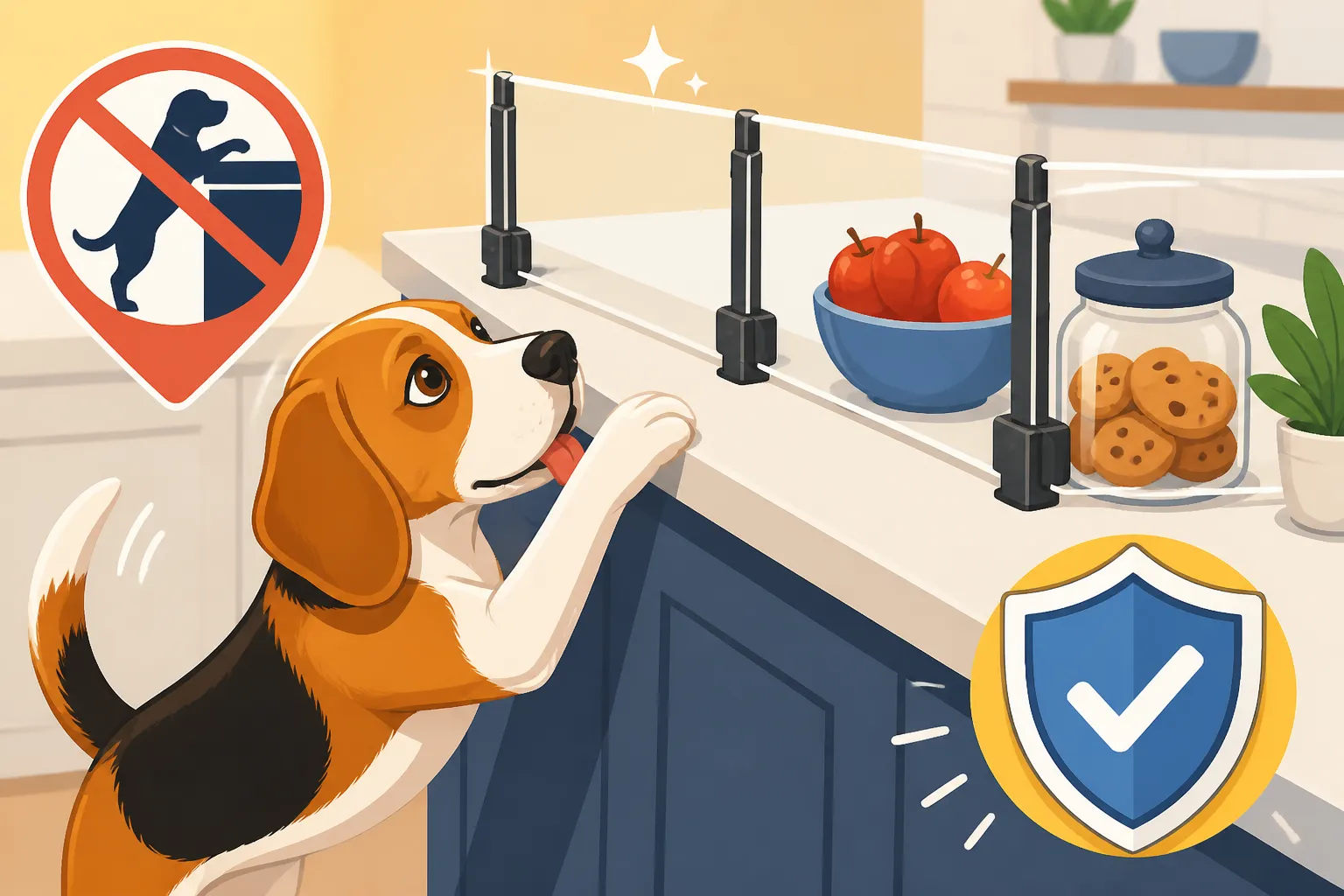
It’s a universal truth among Beagle owners: that adorable, innocent face often hides a secret mission to "clean" your kitchen counters the moment your back is turned. The sheer audacity, the ninja-like stealth, the unwavering commitment to a crumb – it can be incredibly frustrating and, more importantly, dangerous for your beloved hound. This guide is here to walk you through practical, real-world strategies to safeguard your countertops, your Beagle, and your sanity from the relentless pursuit of forbidden snacks.
Understanding the Beagle's Insatiable Counter Curiosity
Let's be honest, living with a Beagle means living with a four-legged vacuum cleaner with a doctorate in scent detection. Their drive to investigate every single aroma, especially those emanating from the kitchen, is hardwired into their very being. It's not malice; it's just pure, unadulterated Beagle.
The Power of That Legendary Beagle Nose
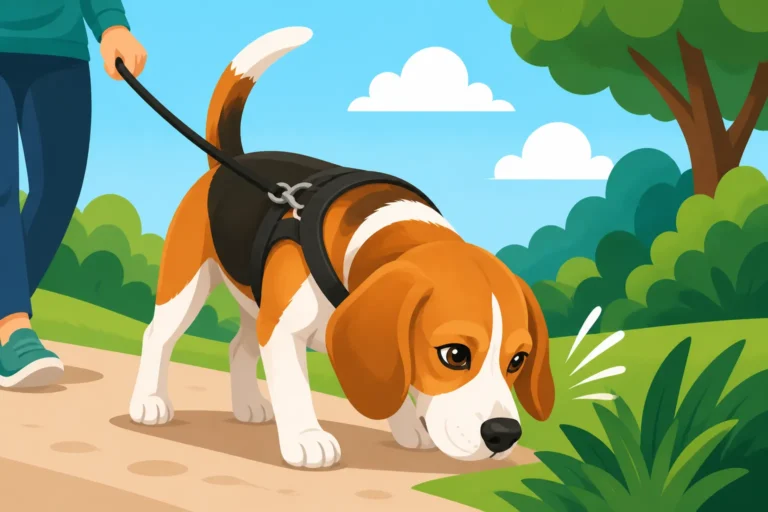
A Beagle's nose isn't just good; it's practically a superpower. With an estimated 220 million scent receptors, they can pick up odors we can't even imagine, and those yummy smells on your kitchen counter are practically screaming their name. What might be an invisible speck of crumbs to us is a gourmet feast trail to a Beagle. This incredible olfactory ability means that even if you think a surface is clean, your Beagle can detect the ghost of a sandwich from an hour ago. They're not just looking; they're smelling with an intensity that can make them oblivious to everything else. This is why a simple "no" often falls on deaf ears when their nose is fully engaged. For more on this, consider How Far a Beagle Can Actually Smell.
Why Beagles Are Driven to Scavenge
Beagles were historically bred to hunt in packs, and in a pack, you eat what you find, and you eat it fast before someone else does. This instinct translates directly into their domestic lives as a powerful food drive. If there's food, they want it. If it's accessible, they'll figure out a way to get it. This isn't naughtiness; it's ancestral programming. This strong food drive also means they're constantly on the lookout for anything edible. A momentarily unattended plate, a cooling pie, or even a bag of groceries left within reach becomes an irresistible challenge. They learn incredibly quickly which surfaces might hold treasure, even if it’s just the potential for a dropped morsel. This relentless pursuit of food is something we cover in depth in The Beagle Food Drive That Empties Your Counters.
Opportunistic by Nature
Beagles are smart, observant, and incredibly persistent. They learn quickly by association. If they jump up once and find a discarded napkin with a faint scent of cheese, they'll try it again. If they get a delicious reward, even once, they’ll commit that counter-surfing behavior to memory. They watch us, they learn our routines, and they know exactly when we're distracted or out of the room. That brief moment you leave the kitchen to grab something from another room is all the opportunity they need. It becomes a game of "cat and mouse" (or "Beagle and human"), where they're constantly testing boundaries and looking for weaknesses in your defenses.
Implementing Physical Barriers and Management Strategies
The first line of defense against counter-surfing is often physical prevention. If they can't reach it, they can't eat it. This requires a systematic approach to your kitchen environment.
The "Nothing on the Counter" Rule
This is probably the most effective, albeit sometimes challenging, strategy. If there’s nothing on the counter, there’s nothing to steal. This means:
- Clear everything away: Not just food, but anything that might even smell like food. Mail, keys, empty coffee cups – anything that might entice them to jump up and investigate.
- Secure your trash: Invest in a heavy-duty trash can with a locking lid. Beagles are incredibly adept at tipping over bins and prying open flimsy covers. A simple step-can opener is often no match for a determined Beagle nose.
- Put away groceries immediately: Don't leave bags of tempting treats on the floor or a low counter after a shopping trip. They'll be sniffed out and ripped open in seconds.
- Dishes straight into the dishwasher: Don't leave dirty dishes soaking on the counter. Even a plate with leftover sauce is a five-star meal to a Beagle.
This rule isn't just about preventing them from getting food; it's about removing the temptation and opportunity, so they don't even learn that the counter is a place to find rewards. Consistency here is key.
Strategic Use of Gates and Crates
Sometimes, you simply can't supervise your Beagle every second, especially during meal prep or when guests are over. This is where physical barriers shine.
- Kitchen Gates: Install a sturdy baby gate or a pet gate at the entrance to your kitchen. Make sure it's tall enough that your Beagle can't easily jump over it. Some Beagles are surprisingly agile when food is involved! You can find a wide variety of effective gates on Amazon, from pressure-mounted to hardware-mounted options. This creates a "Beagle-free" zone where you can cook and eat in peace, knowing they are safe and out of reach of hot pans or sharp knives.
- Crate Training: A well-crate-trained Beagle sees their crate as a safe den, not a punishment. When you can't actively supervise them, crating them with a safe chew toy or a puzzle feeder filled with kibble can keep them content and out of trouble. This is particularly useful during busy cooking times, like holiday meals, when the kitchen might be chaotic and full of potentially dangerous items. Crate Training a Beagle Bred to Sleep in a Pack can provide more insights into making the crate a positive space.
- Closed Doors: Simple, but effective. If you have a door to your kitchen, use it! Keep it closed when you're not in the room or when your Beagle is unsupervised.
Deterrents and Preventative Measures
While not always my first choice, some owners find mild deterrents helpful in combination with training.
- Cookie Sheets/Pans: Stack a few empty cookie sheets or aluminum pans precariously on the edge of the counter. If your Beagle jumps up, the noise and clatter might startle them, making the counter less appealing. This is a short-term solution and should never be used to scare or harm your dog, but rather to create an undesirable consequence for jumping up.
- Scent Deterrents: Some people use citrus sprays (which most dogs dislike) or commercially available bitter apple sprays on counter edges. The idea is that the taste or smell makes the area unpleasant. However, Beagles are incredibly driven by food, and a deterrent scent might not always outweigh the allure of a juicy steak smell. Always ensure any spray you use is non-toxic and safe for pets.
Training Solutions to Reinforce Good Behavior
Physical barriers are great for management, but real, lasting change comes from training. You want your Beagle to choose not to counter surf, not just be unable to.
The "Leave It" Command: A Lifesaver
"Leave It" is one of the most crucial commands for any Beagle, especially one with a strong food drive. It teaches them to disengage from something tempting.
- Start Small: Practice with low-value items on the floor, then your hand, then gradually move to counters with less enticing items.
- High-Value Rewards: When they successfully "leave it," reward them immediately with a different, high-value treat from your hand, not the item they left. This teaches them that ignoring the forbidden item leads to a better reward from you.
- Gradual Increase: Slowly increase the distraction and value of the "leave it" item. Start with kibble, move to a favorite toy, then a boring treat, then a really exciting treat.
- Practice in Context: Once proficient, start practicing in the kitchen with small, unappealing items on the counter, working your way up to more tempting things. Remember, Beagle Leave It Training With Real Food Down is challenging but vital.
Teaching a "Place" or "Mat" Command
Designating a specific "place" for your Beagle to go to when you're in the kitchen can be incredibly effective. This gives them an alternative, desirable behavior.
- Choose a Spot: Select a comfy dog bed or mat in the kitchen or a nearby room, far enough from the counter to avoid temptation, but close enough to still feel involved.
- Positive Association: Lure your Beagle to the spot with a treat, say "Place," and reward them heavily when they settle.
- Increase Duration: Gradually increase the amount of time they need to stay on their "place" before getting a reward.
- Incorporate Distraction: Start by having them go to their "place" while you're simply standing in the kitchen, then as you move around, and finally, as you prepare food. Reward generously for staying.
- BAXTER & Bella offers excellent online puppy and dog training programs that walk you through commands like "Place" with clear, step-by-step instructions. Their positive reinforcement methods align perfectly with what works best for Beagles.
Managing the Environment During Training
While you're actively training, you still need to prevent opportunities for your Beagle to practice counter-surfing.
- Leash Management: If your Beagle is particularly persistent, consider keeping them on a long line tethered to your waist or a sturdy piece of furniture while you're in the kitchen. This allows you to quickly prevent them from jumping up and redirect their attention. It's a management tool, not a punishment, giving you control without having to chase them.
- Positive Interruption: If you catch your Beagle about to jump, make a cheerful noise (like a kissy sound) to interrupt them, then immediately redirect them to their "place" or ask for a sit, and reward them there. Avoid harsh scolding, which can just make them sneakier.
Long-Term Prevention and Consistency
Successfully Beagle-proofing your kitchen isn't a one-and-done task; it's an ongoing commitment to consistency, management, and understanding your dog's needs.
The Virtue of Consistency
Every single time your Beagle successfully counter surfs, they are rewarded, and that behavior is reinforced. This means every member of the household needs to be on board with the rules.
- Family Rules: Ensure everyone, from children to houseguests, understands the "nothing on the counter" rule and doesn't accidentally (or intentionally!) feed the Beagle from the table or counter.
- No Exceptions: Even "just this once" can set back weeks of training. Be firm and fair. Your Beagle needs to understand that the rules are always the rules, not just when you're watching. This consistent approach is crucial for preventing Beagle Counter Surfing and Trash Raiding.
Meeting Your Beagle's Needs
A bored, under-exercised, or under-stimulated Beagle is much more likely to seek out trouble, including counter-surfing.
- Adequate Exercise: Beagles are active dogs. They need plenty of physical exercise to burn off energy. A good long walk, especially a sniffy walk where they get to use their incredible nose, can be far more tiring than you might imagine. Sniffing Walks and Why They Tire a Beagle Out can help you understand the benefits.
- Mental Stimulation: Their brains need a workout too! Scent work games, puzzle feeders, and training sessions are fantastic for mental enrichment. Puzzle Feeders That Genuinely Slow a Beagle and Snuffle Mats and Scatter Feeding for a Beagle are great ways to engage their minds and satisfy that food drive in appropriate ways. You can easily find these enrichment tools on Amazon.
- Training and Impulse Control: Regularly practice other obedience commands, especially those that build impulse control. Commands like "stay," "wait," and duration-based behaviors help them learn to control their urges. Impulse Control Exercises That Suit a Beagle are invaluable in this regard.
What Not to Do
Just as important as what to do, is what not to do when trying to stop counter-surfing.
- Don't Chase: If your Beagle has successfully grabbed something and run off, chasing them will likely just make it a fun game for them. Instead, try to lure them back with an even higher-value treat and then ask for a "drop it." Teaching Drop It Before a Beagle Swallows is a critical skill for moments like these.
- Don't Punish After the Fact: If you find evidence of counter-surfing (e.g., a missing sandwich) but didn't catch your Beagle in the act, do not scold them. They won't connect the punishment to the past event. They'll just learn to fear you when food is around or to be sneakier.
- Don't Leave Temptation: This is worth repeating. The easiest way to prevent the behavior is to remove the opportunity. No food left unattended, ever.
Here's a quick overview of common counter-proofing methods:
| Method | Description | Pros | Cons | Best For |
|---|---|---|---|---|
| "Nothing on the Counter" Rule | Removing all tempting items from surfaces. | Highly effective, proactive. | Requires strict consistency, human effort. | Preventing initial learning of the behavior. |
| Kitchen Gates/Crates | Physical barriers to restrict kitchen access. | 100% effective when used, ensures safety. | Limits Beagle's access, requires space. | Unsupervised time, active cooking. |
| "Leave It" Command | Training Beagle to ignore tempting items on cue. | Builds impulse control, generalizes to other situations. | Requires consistent training, high-value rewards. | When you must have items on the counter. |
| "Place" Command | Training Beagle to go to a designated spot when in the kitchen. | Provides an alternative behavior, calms dog. | Requires consistent training, initial investment in a bed/mat. | Meal times, when guests are present. |
| Deterrents (Noise/Scent) | Creating an unpleasant experience when jumping on the counter (e.g., cans). | Can startle/discourage quickly. | Can create fear, not always effective long-term, may backfire. | Early intervention, temporary discouragement. |
| Adequate Exercise & Stimulation | Ensuring Beagle's physical and mental needs are met. | Reduces boredom-driven mischief, promotes a calmer dog. | Requires significant owner time commitment. | Holistic behavior management. |
Beagle-proofing your kitchen counter is a journey, not a destination. It takes patience, consistency, and a deep understanding of your Beagle's instincts. By combining diligent management with positive, consistent training, you can teach your Beagle that the kitchen counter is a no-go zone, keeping them safe and your food where it belongs.
Disclaimer
This article is for general informational purposes only and does not constitute professional advice. Laws, prices and regulations vary by location and change over time. Consult a qualified professional for guidance on your specific situation.