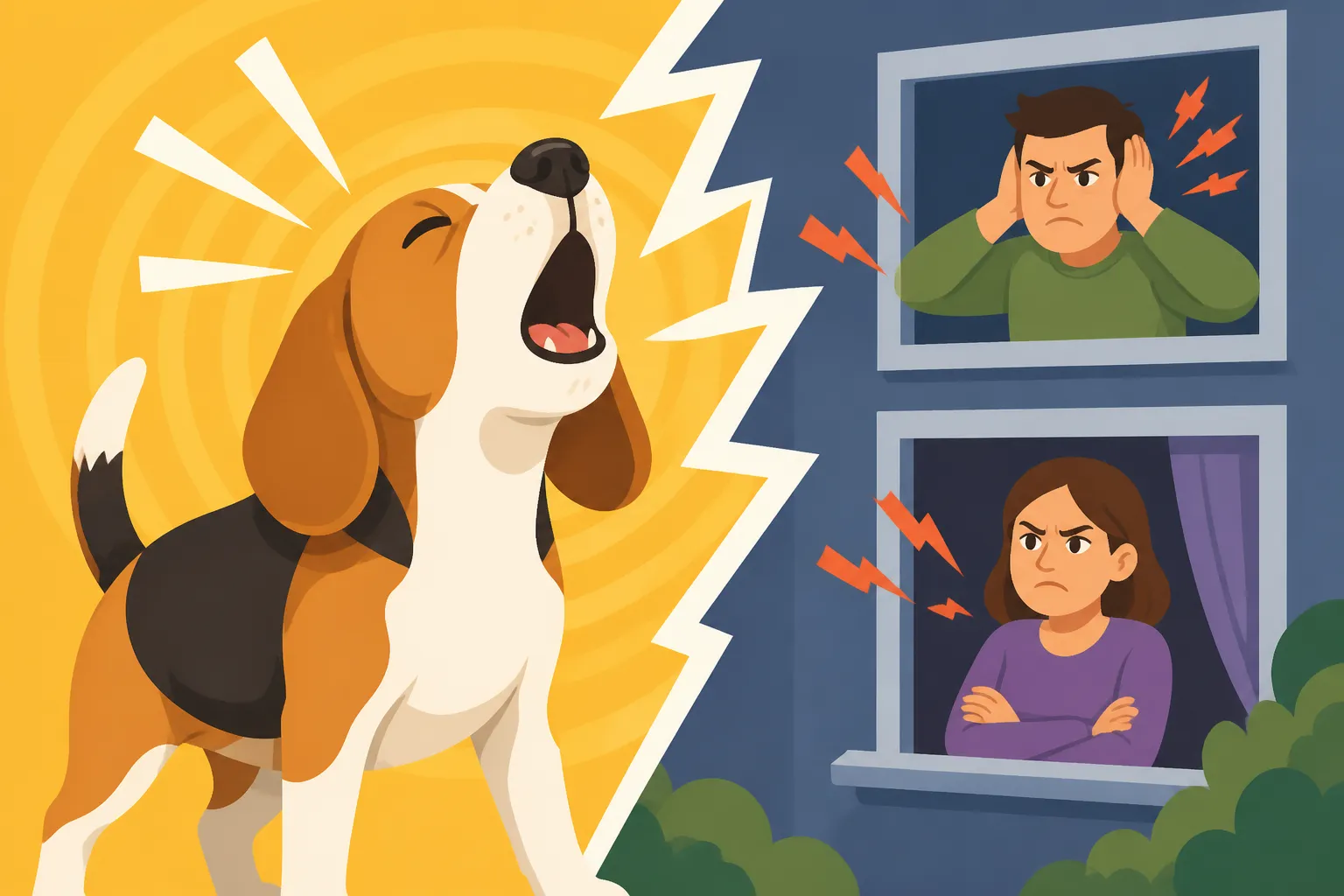
Noise Complaints From a Beagle’s Neighbors
Few things can strain neighborly relations faster than a persistently vocal dog, and if you live with a Beagle, you know their unique talents for communication can sometimes be, well, a little too communicative. That rich, resounding bay, while charming to us Beagle lovers, can quickly become a source of frustration for those next door. This guide will walk you through understanding why your Beagle might be causing a ruckus, practical steps to manage their vocal tendencies, and how to gracefully navigate those uncomfortable conversations with neighbors to restore peace to your shared space.
Understanding Your Beagle's Vocal Nature
Before you can tackle noise complaints, you first need to understand the magnificent, complex, and sometimes ear-splitting soundscape of your Beagle. They aren't just "barking to annoy you"—their vocalizations are deeply rooted in their history and biology.
The Instinct Behind the Bay
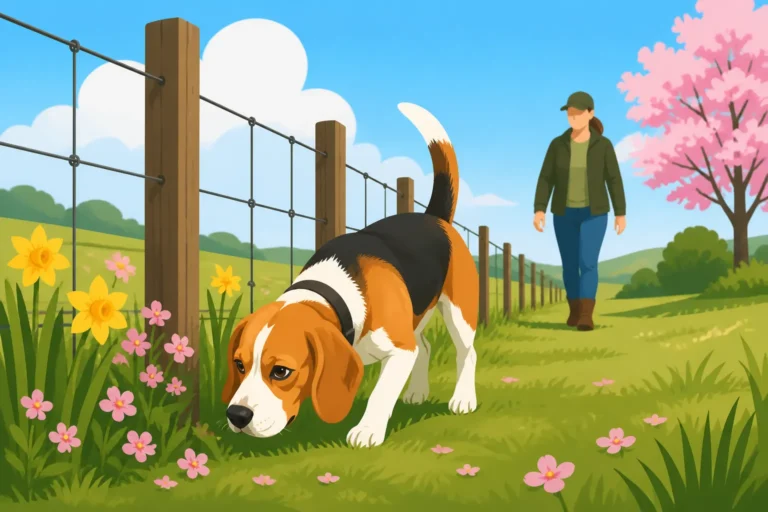
Beagles were bred for centuries to hunt in packs, tracking game like rabbits and hares. Their famous bay isn't just a random noise; it's a critical communication tool. Imagine a pack of Beagles spread out over a field, hot on a scent trail. That bay tells the other dogs, and the hunters following on foot, "I've got the scent! Follow me!" It's a high-volume, long-distance call designed to carry across open terrain. This isn't a small yappy bark; it's a full-throated, resonant sound that vibrates through the air. For a breed specifically developed to have a loud, distinctive voice, expecting total silence is often unrealistic. You can learn more about Why a Beagle Bay Carries Three Houses Down.
Even though your Beagle might be a beloved family pet and not chasing game, that instinct for calling out is still deeply ingrained. When they pick up a particularly interesting scent in your backyard, spot a squirrel darting across the fence line, or hear another dog barking two streets over, their ancestral programming kicks in. They're communicating, just as their ancestors did. This isn't stubbornness; it's instinct. A Beagle's brain is uniquely wired for scent, and the vocalization is often a direct response to that intense sensory input. It's their way of alerting their "pack"—you!—to something important in their world.
Common Triggers for Barking and Howling
While the bay is their signature sound, Beagles employ a whole repertoire of vocalizations, each with its own set of common triggers. Understanding why your Beagle is making noise is the first step toward effective management.
- Scent-Driven Alerts: This is classic Beagle behavior. A strong scent trail from a rabbit, deer, or even a neighborhood cat can send them into a baying frenzy. They might be alerting you to a perceived intruder in their territory or simply announcing their successful tracking of an interesting odor. This is particularly noticeable if they have access to a yard where wildlife frequently passes.
- Boredom and Loneliness: Beagles are pack animals, and they thrive on companionship and mental stimulation. A Beagle left alone for long periods, especially without adequate exercise or enrichment, can become incredibly bored and lonely. This often manifests as persistent howling, a mournful sound echoing their desire for company or something to do. They're literally crying out for attention and engagement.
- Separation Anxiety: This goes beyond simple boredom. Beagles are prone to Beagle Separation Anxiety in a Pack Breed, and when truly anxious, their vocalizations can be intense and non-stop. This isn't just howling; it can be frantic barking, whining, and even destructive behavior as they try to cope with the stress of being alone. This type of vocalization usually starts shortly after you leave and can continue until you return.
- Attention-Seeking: If your Beagle learns that barking or howling gets your attention—even negative attention—they'll often repeat the behavior. A quick glance, a shout, or even walking over to tell them to be quiet can reinforce their belief that noise is an effective way to get you to engage. They're smart, and they quickly figure out what works.
- Environmental Stimuli: Sirens, passing mail trucks, other dogs barking, children playing loudly, or even certain sounds on television can trigger a Beagle's vocal responses. They are often reactive to their environment, and their keen hearing can pick up sounds we might not even notice, leading to an immediate vocal reaction. For some Beagles, even the chime of a doorbell on a neighbor's house can be enough to start a chorus.
Practical Strategies to Minimize Beagle Noise
Minimizing your Beagle's vocalizations requires a multi-faceted approach that addresses their instincts, their physical and mental needs, and their learned behaviors. There's no magic bullet, but consistent effort can make a huge difference.
Managing Separation Anxiety Sounds
If your Beagle's noise is primarily when you leave the house, separation anxiety is a likely culprit. This isn't about being "naughty"; it's a genuine panic response.
- Create a Safe Haven: A crate can become a den of comfort for your Beagle, rather than a prison. Ensure it's large enough for them to stand, turn around, and lie down comfortably. Place soft bedding, a favorite blanket, and a few safe, durable chews inside. You can cover the crate with a blanket to create a more den-like, secure environment, reducing visual stimulation that might trigger vocalization. Start with short durations, gradually increasing the time they spend in the crate while you are home, making it a positive experience with treats and praise.
- Desensitize Departures: Beagles are incredibly smart and pick up on pre-departure cues. Jingly keys, picking up your purse, putting on shoes—these can all signal that you're leaving. Practice these actions without actually leaving. Pick up your keys, then sit back down. Put on your shoes, then go read a book. This helps to break the association between these cues and your departure, reducing anticipatory anxiety. When you do leave, make your departures calm and understated, without a big dramatic goodbye.
- Provide Engaging Distractions: Before you leave, offer a high-value, long-lasting chew or a puzzle toy filled with frozen peanut butter, plain yogurt, or kibble. Brands like Kong and LickiMats offer great options you can find on Amazon. These distractions can occupy their mind and mouth during the initial period after you leave, when anxiety is often highest. The mental effort of getting food out of a puzzle toy can be surprisingly tiring and redirect their focus.
- Consider a Companion: Sometimes, the best solution for a lonely pack animal is another pack animal. If your lifestyle allows, getting a second dog can provide companionship and reduce feelings of isolation. However, this isn't a guaranteed fix and needs careful consideration, as two Beagles could potentially amplify noise if not managed properly. You might consider asking Whether a Second Beagle Doubles the Baying or Whether a Second Dog Calms an Anxious Beagle.
Enrichment to Reduce Boredom Howls
A bored Beagle is a noisy Beagle. Their keen intelligence and incredible nose need to be put to work, even if they aren't hunting.
- Scent Work is Key: This is where your Beagle truly shines. Engage their natural abilities with regular scent games. Hide treats around the house or yard and let them "hunt" for them. Invest in a snuffle mat, where you can hide kibble or treats, making mealtime a challenging game. These activities are incredibly mentally stimulating and can tire a Beagle out faster than a physical walk alone. You can even consider structured classes; Beagle Scent Work Class Costs are often quite reasonable, and the benefits for your dog's mental health are immense.
- Daily Exercise and Sniff Walks: Don't underestimate the power of a good walk. But for a Beagle, it's not just about covering distance; it's about sniffing. Let them have "sniff walks" where they can explore scents at their own pace, rather than being rushed along. This fulfills their primary instinct and provides mental engagement. A tired Beagle (both physically and mentally) is a quieter Beagle. Aim for at least two good walks a day, including plenty of sniffing opportunities. Check out Sniffing Walks and Why They Tire a Beagle Out.
- Interactive Toys and Puzzle Feeders: Beyond simple chews, look for toys that require interaction. Puzzle feeders, readily available on Amazon, force your Beagle to problem-solve to get their food, extending mealtime and engaging their brain. Rotate toys regularly to keep things fresh and interesting. A novel toy can capture their attention for much longer than something they've seen a hundred times.
- Consistent Training Sessions: Even short, five-minute training sessions throughout the day can provide mental stimulation. Work on basic obedience cues, teach new tricks, or practice impulse control exercises. Positive reinforcement training not only strengthens your bond but also gives your Beagle a "job" to do, reducing the likelihood of boredom-induced vocalizations.
Training for a 'Quiet' Cue
While you can't completely eliminate a Beagle's natural vocalizations, you can teach them a "quiet" cue. This requires patience and consistency.
- Start When They're Already Quiet: Begin by rewarding silence. When your Beagle is calm and quiet, mark that moment with a clicker or a verbal "yes!" and give them a high-value treat. Repeat this many times a day. The goal is to build a positive association with being quiet.
- Capture the Quiet After a Bark: When your Beagle barks (e.g., at the doorbell), let them bark a few times. Then, wait for a brief moment of silence, even a second, mark it ("yes!"), and reward heavily. Over time, you can extend the duration of silence required before the reward. The key is to reward the absence of barking, not the barking itself.
- Introduce the "Quiet" Cue: Once your Beagle understands that silence gets a reward, you can introduce the verbal cue "Quiet!" Say the cue as they stop barking and immediately follow with the marker and reward. Eventually, they will associate the word "Quiet" with the action of stopping their vocalization.
- Address Triggers: Once they understand "Quiet" in a controlled setting, start practicing with minor triggers, like a soft knock at the door or a distant siren played on your phone. Gradually increase the intensity of the triggers. The BAXTER & Bella online puppy school offers excellent resources for training a variety of behaviors, including quiet cues, through positive reinforcement methods that work well with a food-motivated Beagle.
- Consistency is Crucial: Everyone in the household needs to use the same cue and the same method. Inconsistency will only confuse your Beagle. Remember, this is about teaching them an alternative behavior, not punishing them for being a Beagle.
| Vocalization Type | Common Cause | Initial Management Strategy |
|---|---|---|
| Baying | Scent, excitement, other dogs | Redirect with a high-value treat when they start to wind up. Increase scent work activities to fulfill instinct. Check yard for wildlife triggers. If tied to a specific sight (e.g., squirrels), block the view with window film or fencing. |
| Howling | Loneliness, boredom, separation | Increase mental and physical exercise. Provide puzzle toys filled with food (e.g., from Amazon). Consider dog daycare or a trusted pet sitter. If separation anxiety is severe, consult a professional trainer or vet. |
| Barking | Alerts, attention-seeking | Identify the trigger (doorbell, passing people, etc.). Train a "quiet" command with positive reinforcement. Desensitize to triggers by gradually exposing them and rewarding calmness. Ignore attention-seeking barks (never reward them, even with negative attention). Ensure their needs (food, potty, exercise) are met first. |
| Whining | Attention, need to go out, pain | Check if basic needs are met (potty, hunger, thirst). If not, address them. If attention-seeking, ignore until quiet, then reward. If pain is suspected, consult a vet immediately. Ensure they have appropriate toys and comfort items. |
Handling Neighbor Complaints With Grace
Receiving a noise complaint from a neighbor can feel embarrassing and stressful. Your immediate reaction might be defensive, but approaching the situation calmly and proactively is always the best path forward.
Documenting the Situation
When a complaint arises, the first step is to gather information. This isn't about blaming, but about understanding the scope of the issue.
- Keep a Detailed Log: Start a "noise diary." Note the date, time, duration, and type of vocalization (barking, howling, baying). Also, jot down what might have triggered it (e.g., "mailman," "left for work," "squirrel in yard"). This objective data can help you identify patterns and specific problem times. It also serves as evidence that you are actively working on the problem.
- Install a Pet Camera: A simple pet camera with two-way audio (many affordable options are available on Amazon) can be invaluable. Place it where your Beagle spends time when you're away. This allows you to monitor their behavior, identify triggers you might otherwise miss, and see exactly when and for how long they are vocalizing. Sometimes, owners are surprised to find their dog is quieter or louder than they imagined. This footage can also be helpful if you need to share information with a trainer or even with your neighbors.
- Record the Noise: If possible, try to record the noise from outside your house, from your neighbor's perspective. This gives you a realistic understanding of what they are experiencing. What sounds like a typical Beagle bay inside your home might be amplified or more piercing from across the yard. This can help you empathize with their perspective and understand the urgency of the situation.
Open Communication with Neighbors
Avoiding the issue or becoming defensive will only escalate tensions. Proactive, empathetic communication can go a long way.
- Initiate the Conversation (or Respond Calmly): If a neighbor brings up the noise, listen without interrupting or getting defensive. Acknowledge their frustration. Start by saying something like, "I'm so sorry for the disturbance; I know how annoying constant dog noise can be." If you haven't received a complaint yet but suspect your Beagle is noisy, consider reaching out first: "I've been working on my Beagle's barking, and I just wanted to check if it's been bothering you at all?"
- Share Your Efforts: Explain what you're doing to address the problem. Mention the training, the exercise, the camera monitoring, and the enrichment activities. This shows you're taking their concerns seriously and are actively working on a solution, rather than ignoring the issue. "We've started working with a trainer on a 'quiet' cue and are increasing his scent work sessions to tire him out more mentally."
- Be Realistic and Set Expectations: While you're working on it, be honest that changes take time. You can't silence a Beagle overnight. "It's a long process with Beagles because of their strong instincts, but we're committed to improving." Ask for their continued patience. This manages expectations and prevents them from expecting an instant fix.
- Offer Solutions or Compromises: Are there times of day your Beagle is noisiest? Can you adjust your dog's schedule to minimize noise during sensitive hours for your neighbors (e.g., early mornings, late evenings, nap times for their children)? Perhaps you can walk your Beagle more during their usual baying times or bring them inside during peak outdoor activity hours.
- Follow Up: Periodically check in with your neighbors to see if they've noticed an improvement. This demonstrates continued care and respect for their peace.
Legal Considerations and Local Ordinances
Unfortunately, sometimes good intentions aren't enough, and noise complaints can escalate to formal channels.
- Understand Local Laws: Most municipalities have noise ordinances that apply to barking dogs. These often specify acceptable levels of noise and times of day. Research your local animal control or city government website to understand what constitutes a nuisance in your area. This knowledge helps you understand potential repercussions and can guide your management efforts. For example, some cities have "quiet hours" where continuous barking for more than a certain number of minutes is prohibited.
- Nuisance Definitions: Be aware that a dog that barks excessively, especially if it interferes with a neighbor's "quiet enjoyment" of their property, can be deemed a public nuisance. This can lead to fines, requirements for specific training, or even in extreme cases, the removal of the dog. Your detailed log from above becomes crucial here, providing an objective account of the situation.
- Work with Authorities if Necessary: If animal control or another authority gets involved, cooperate fully. Present your documentation and explain your efforts. They might offer resources, mediation services, or require specific steps like professional training. Demonstrating that you are a responsible pet owner actively seeking a solution is vital. A professional trainer from a reputable organization like BAXTER & Bella, or one recommended by your vet, can provide expert assessment and a tailored plan that can be shared with authorities if needed.
Long-Term Harmony for Your Beagle and Your Neighborhood
Creating lasting peace requires ongoing commitment and a holistic approach to your Beagle's well-being. This isn't just about stopping noise; it's about ensuring your dog is happy, fulfilled, and a good canine citizen.
Assessing Your Beagle's Overall Needs
A noisy Beagle is often a Beagle whose needs aren't fully met. Re-evaluating their daily routine can uncover areas for improvement.
- Physical Exercise: Are they getting enough rigorous exercise to burn off their boundless energy? Beagles are hardy hounds, and a quick stroll around the block often isn't enough. They need opportunities to run, play, and explore. Consider longer walks, safe off-leash areas (if your Beagle's recall is impeccable and secured, though caution is advised as Why a Beagle Should Never Be Off Leash Unfenced), or even dog sports. A tired body contributes significantly to a quiet mind. We have a great article on How Much Daily Exercise a Beagle Really Needs.
- Mental Stimulation: As discussed, scent work is paramount for Beagles. But also consider obedience training, puzzle toys, and interactive play. Are they challenged intellectually? A Beagle that is mentally fatigued from problem-solving is less likely to engage in nuisance barking. Rotating toys, learning new tricks, and going to new places for walks all contribute to mental wellness.
- Social Interaction: Beagles are social creatures. Are they spending enough quality time with you and other family members? Do they get to interact with other friendly dogs? Loneliness is a huge driver of vocalizations. If you work long hours, consider a dog walker or reputable doggy daycare a few times a week.
- Diet and Health: Believe it or not, a proper diet and good health can impact behavior. Ensure your Beagle is on a balanced diet suitable for their age and activity level. Sometimes, underlying health issues can cause discomfort or anxiety, leading to increased vocalization. A vet check-up can rule out any medical causes for excessive noise.
Professional Help When You Need It
Sometimes, despite your best efforts, you might need an expert's guidance. There's no shame in seeking professional help.
- Certified Professional Dog Trainer (CPDT-KA): A qualified trainer can assess your Beagle's specific situation, identify triggers you might have missed, and develop a personalized training plan. They can teach you effective techniques for behavior modification and help you apply them consistently. Look for trainers who use positive reinforcement methods, as these are most effective and humane for Beagles. They can help with issues like Beagle Recall and Why Your Voice Stops Registering or Building Beagle Focus in a Distracting Place which can indirectly help with noise by increasing overall responsiveness.
- Veterinary Behaviorist (Dip ACVB): For severe cases of separation anxiety or other complex behavioral issues that don't respond to standard training, a veterinary behaviorist is the highest level of expertise. These are veterinarians with specialized training in animal behavior and can prescribe medication if necessary, alongside a behavior modification plan. They look at the full picture—medical, environmental, and behavioral—to diagnose and treat the root cause of the problem.
- Behavioral Consultations: Many trainers offer initial consultations where they can observe your Beagle in their environment and provide immediate actionable advice. This can be a great starting point before committing to a longer training program. Sometimes, an outside perspective can quickly pinpoint issues that you, as the loving owner, might be too close to see. They can also advise on specific tools like certain types of crates, feeders, or sound machines to help mitigate noise.
- Support Groups: Connecting with other Beagle owners who face similar challenges can be incredibly supportive. Sharing experiences and tips can provide new strategies and a sense of community. You are not alone in dealing with a vocal Beagle!
Ultimately, living with a Beagle means embracing their inherent vocal nature while also being a considerate neighbor. It's a balancing act of meeting your dog's needs and managing their instincts within the confines of a shared community. With patience, consistent effort, and open communication, you can foster a happier, quieter home for your beloved Beagle and a more peaceful environment for everyone nearby.
Disclaimer
This article is for general informational purposes only and does not constitute professional advice. Laws, prices and regulations vary by location and change over time. Consult a qualified professional for guidance on your specific situation.