Impulse Control Exercises That Suit a Beagle
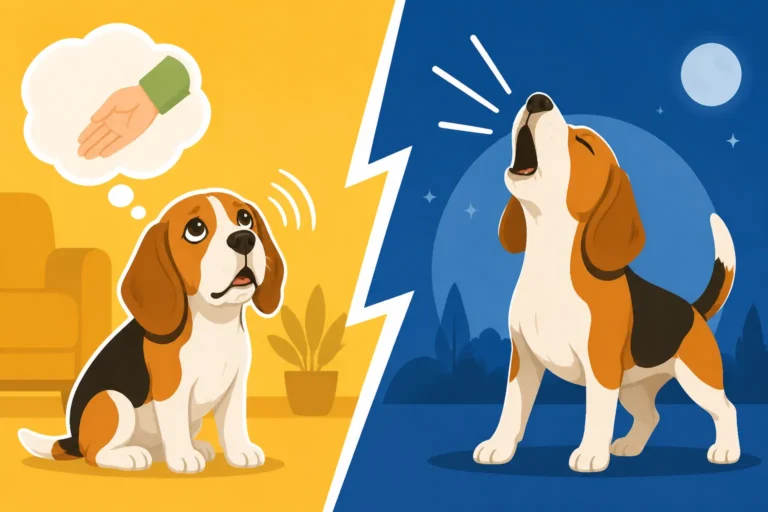
One of the most common frustrations Beagle owners face is feeling like their lovable hound has absolutely no self-control, especially when a tantalizing scent hits their nose or a delicious crumb falls to the floor. It's not that your Beagle is trying to be disobedient; it's simply that their powerful instincts often override their good intentions! This guide is here to help you understand those deep-seated drives and, more importantly, equip you with practical impulse control exercises and strategies to foster a more focused, well-behaved companion.
Understanding the Beagle's Natural Impulses
Before we dive into training, it's crucial to appreciate why Beagles often seem to lack impulse control. They weren't bred to sit politely in a quiet living room; they were bred to hunt in packs, driven by scent and food. These are deeply ingrained traits that make them the wonderful, goofy, and sometimes maddening dogs we adore.
The Power of the Nose: Why Scent Dominates
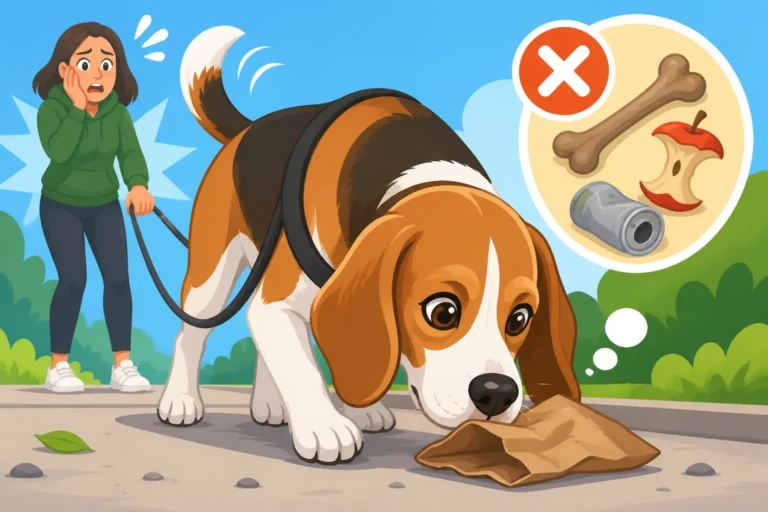
A Beagle's nose is legendary, and for good reason. With an estimated 220 million scent receptors, compared to our mere 5 million, their world is an intricate tapestry of odors. Imagine walking into a bustling city market and suddenly being overwhelmed by a thousand distinct smells – that's often what a Beagle experiences on a regular walk. When their nose locks onto an interesting trail, whether it's a rabbit, a discarded sandwich, or just a fascinating puddle, their entire being is pulled toward it. It’s not a choice; it’s an instinctual imperative.
This profound scent drive means that once a Beagle's nose is down and "on," your voice often literally ceases to register. They aren't being stubborn; they're simply absorbed in a world of information we can't even comprehend. Trying to yell "come" when they're tracking a squirrel scent that's a day old is like trying to have a conversation with someone wearing noise-canceling headphones in a rock concert. Understanding this helps us approach training with more empathy and realistic expectations. For more on this, you might find Training a Beagle Around 220 Million Scent Receptors helpful.
The Unyielding Food Drive: A Hound's Hunger
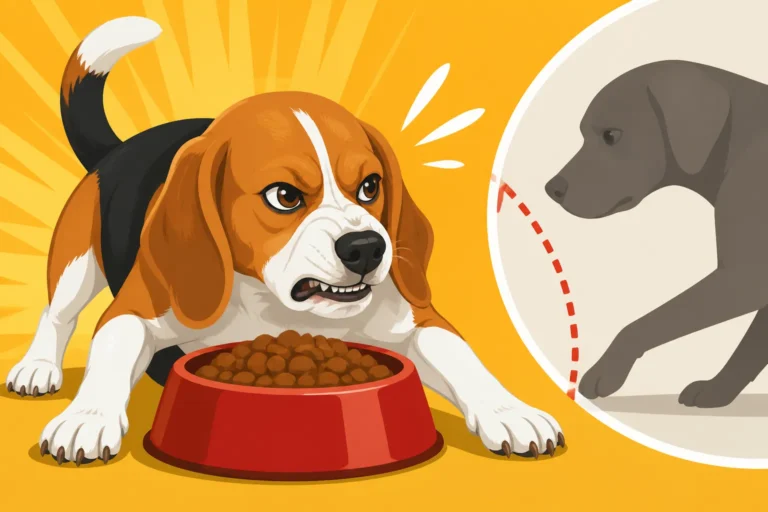
If a Beagle's nose is their primary tool, their stomach is often the engine that drives it. Beagles are notoriously food-motivated, a trait that was advantageous when they were hunting, as the most food-driven dogs often got the rewards. In a domestic setting, however, this translates to a dog that lives by the motto, "If it's edible, it's mine." This strong food drive can manifest as counter-surfing, trash-raiding, and a general lack of hesitation when it comes to snatching dropped morsels.
This isn't necessarily a sign of a deprived dog, but rather a hardwired trait. You might be feeding your Beagle perfectly adequate meals, but their instinct tells them to eat anything available, just in case. This powerful drive makes them excellent candidates for positive reinforcement training where food is the primary reward, but it also means impulse control around food is a major, ongoing challenge. We'll definitely use this to our advantage in training! If you've ever dealt with The Beagle Food Drive That Empties Your Counters, you know exactly what I mean.
Prey Drive and the Chase Instinct
Beyond scent and food, Beagles also possess a natural prey drive. While they might not be bringing down deer, the sight of a squirrel, rabbit, or even a blowing leaf can trigger an immediate chase response. This impulse is incredibly powerful and, like the scent drive, can make them momentarily deaf to your commands. This is why Why a Beagle Should Never Be Off Leash Unfenced is such critical advice.
This chase instinct is a natural part of being a hound. They were bred to pursue game relentlessly. When this drive kicks in, their adrenaline surges, and their focus narrows intensely on the object of their pursuit. For many Beagles, the sheer joy of the chase is its own reward, even if they never "catch" anything. Recognizing this means teaching them alternative behaviors when that instinct sparks, rather than simply trying to suppress it entirely.
Building a Foundation for Control
Effective impulse control isn't just about specific exercises; it's built on a bedrock of consistent training, clear communication, and understanding your Beagle's individual personality. Think of it as constructing a sturdy house: you need a strong foundation before you can add the fancy decorations.
Early Socialization and Exposure
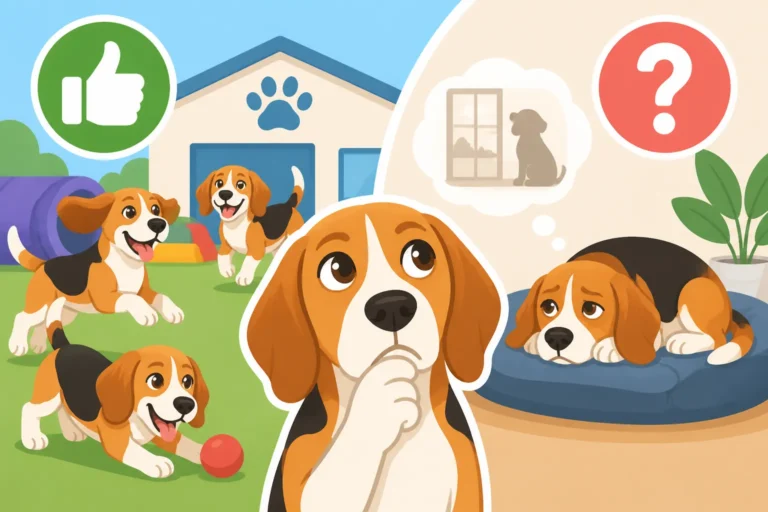
From puppyhood, thoughtful socialization plays a huge role in a Beagle's overall behavior, including their ability to handle novel situations without immediately reacting. Exposing your Beagle puppy to a wide variety of sights, sounds, people, and friendly dogs in a positive, controlled manner can help them develop confidence and a calmer demeanor. A well-socialized Beagle is often less likely to panic or react impulsively to unexpected stimuli because they've learned that new things aren't always threats.
This isn't about letting your puppy run wild at the dog park, but rather about structured, positive interactions. Think quiet walks where they see different types of people, hear city noises from a distance, or meet calm, vaccinated adult dogs one-on-one. Consider reputable puppy classes, like those offered by BAXTER & Bella, which provide controlled environments for learning and exposure. The more positive experiences they have in their formative months, the better equipped they'll be to exercise self-control when faced with tempting distractions later on.
Consistency and Clarity in Commands
Beagles are smart, but they thrive on consistency. If "stay" means "stay until I release you" one day, and "stay for a second then follow me" the next, your Beagle will quickly become confused and less likely to comply. Every member of the household needs to use the same commands, hand signals, and expectations for each behavior. This clarity removes ambiguity and helps your Beagle understand exactly what's being asked of them.
Establish clear rules, and stick to them. If you don't want your Beagle jumping on guests, nobody should allow it, even for a "quick hello." If "wait" means they don't bolt out the door, then every single time they approach an open door, they must wait. Inconsistency teaches them that sometimes the rules apply, and sometimes they don't, which is the opposite of building impulse control. This unwavering consistency is perhaps the most challenging, yet most vital, aspect of training any dog, especially a Beagle.
High-Value Rewards: Fueling Motivation
Given a Beagle's incredibly strong food drive, high-value rewards are your secret weapon in impulse control training. A dry, boring kibble piece might be ignored when a juicy dropped hotdog is on the pavement, but a tiny piece of boiled chicken or cheese? Now you're speaking their language! These "high-value" treats are those they really want, making them more willing to listen and perform even when distracted.
It's important to differentiate between low-value (their regular kibble), medium-value (a standard dog biscuit), and high-value (something truly delicious and rare) treats. For challenging impulse control exercises, always opt for high-value rewards. Keep these special treats reserved for training sessions, so they retain their allure. You can find a vast array of training treats on platforms like Amazon, but experimenting to find what your individual Beagle values most is key. Remember, High-Value Food and How Fast a Beagle Learns is a fundamental principle when working with these dogs.
Practical Impulse Control Exercises
Now that we understand the Beagle's drives and the foundation of training, let's get into the nitty-gritty of specific exercises. These aren't just tricks; they're life skills that empower your Beagle to make better choices in tempting situations.
"Leave It" for Tempting Scents and Objects
The "Leave It" command is arguably the most crucial impulse control skill for a Beagle. It teaches them to ignore something tempting, whether it's a dropped treat, a sock on the floor, or a fascinating scent on a walk. Start in a low-distraction environment.
How to teach "Leave It":
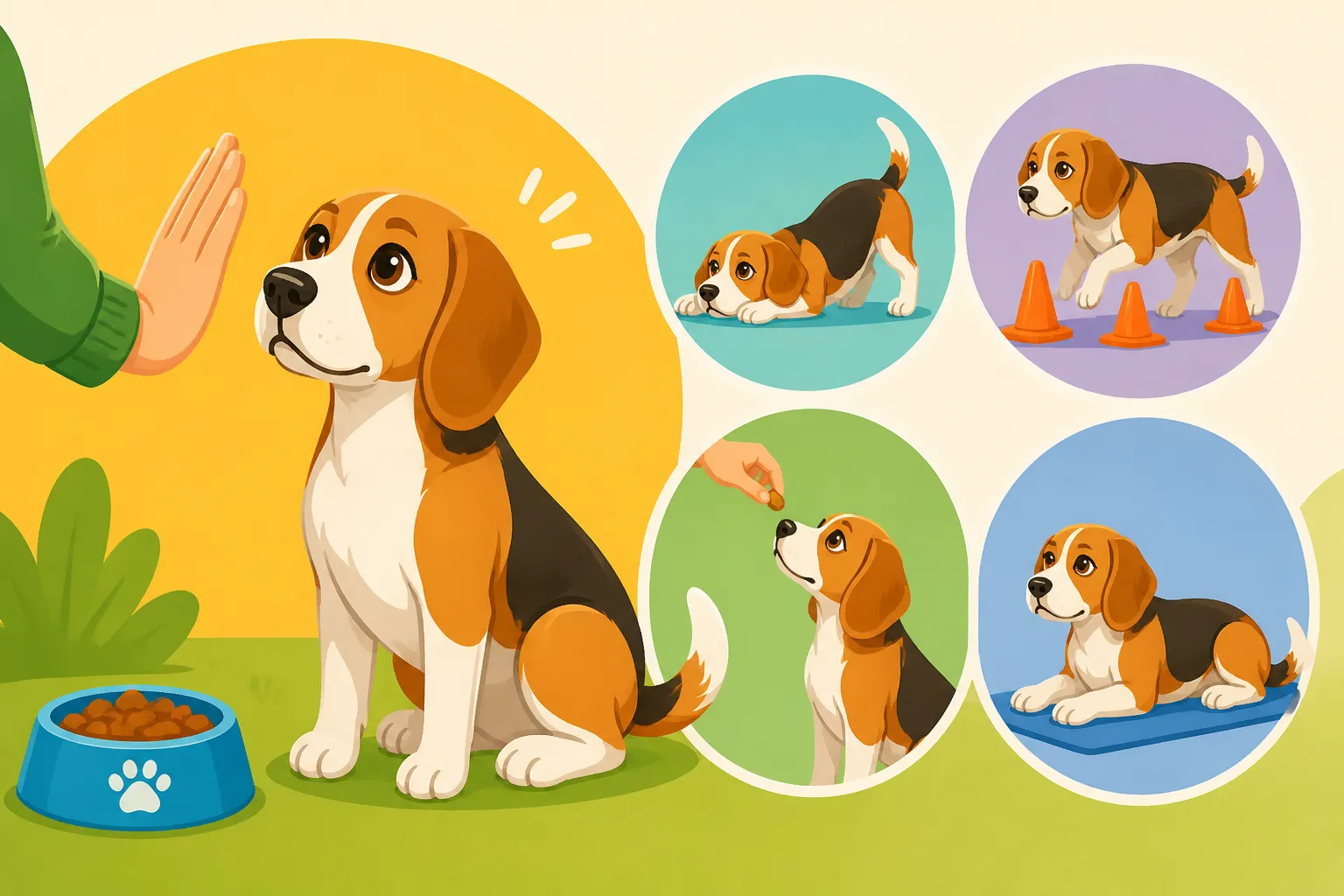
- Start simple: Hold a low-value treat in your closed fist. Let your Beagle sniff and lick your hand. The moment they back away, even slightly, mark the behavior ("Yes!" or clicker) and immediately reward them with a high-value treat from your other hand.
- Introduce an object: Place a low-value treat on the floor, covered by your hand or foot. When your Beagle tries to get it, say "Leave It." The moment they look away from the covered treat, mark and reward from your other hand.
- Increase distance and distraction: Once they reliably leave the covered treat, try it with the treat uncovered for a split second, then for a longer period. Gradually increase the distance from the treat. Introduce small, then larger, distractions. Practice with different items: toys, dropped food, interesting leaves on a walk.
- Practice in real-world scenarios: Take "Leave It" on walks. If your Beagle is sniffing something undesirable, give the command. When they disengage and look at you, reward them generously. This is an ongoing exercise throughout their life. For more detailed instructions, consider Beagle Leave It Training With Real Food Down.
"Wait" at Doors and Before Meals
"Wait" is another essential command for impulse control, teaching your Beagle to pause and defer to you before doing something they really want to do. This is especially useful for preventing door dashing, bolting from the car, or gobbling their food before you've even put the bowl down.
How to teach "Wait":
- Doorway manners: Approach a door with your Beagle on leash. As you reach the door, ask them to "Wait." If they try to push past, gently block them with your body. The moment they pause, even for a second, open the door a crack. If they hold their "wait," reward them. Gradually increase the time they must wait and how wide the door opens before you give a release command ("Okay!" or "Free!") and let them through.
- Mealtime patience: Prepare your Beagle's food bowl. Hold it in front of them and ask them to "Wait." If they try to lunge for it, pull the bowl away. The second they settle, even for a brief moment, praise and put the bowl down. Eventually, you'll be able to place the bowl on the floor and have them wait until you give a release command. This can significantly reduce instances of Beagle Gulping Food and the Choking Risk.
- Car safety: Practice "Wait" before they jump out of the car. This prevents them from darting into traffic or getting lost in a parking lot. With consistent practice, "Wait" becomes a natural default behavior in these high-excitement situations.
"Stay" Through Mounting Distractions
"Stay" builds on "Wait" by asking your Beagle to remain in a specific position (sit, stand, or down) while you increase distance and introduce distractions. This is a foundational skill for safety and polite public behavior.
How to teach "Stay":
- Start with short durations: Ask your Beagle to "Sit" or "Down," then immediately say "Stay." Take one small step back, then immediately return and reward them if they held the position. Gradually increase the distance you move away and the duration they must "stay" before you return and reward.
- Introduce mild distractions: Once they're solid with duration and distance in a quiet room, start adding gentle distractions. Have a family member walk by quietly. Drop a soft toy a few feet away. Slowly increase the level of distraction.
- Practice in new environments: Take "Stay" training to different locations – the backyard, a quiet park, a friend's house. Each new environment is a new challenge because it comes with new sights and smells. Remember that a Beagle's nose can easily derail a "Stay," so build up slowly. Always reward successful "stays" with enthusiastic praise and high-value treats.
Structured Play and Tug Rules
Even playtime can be a powerful arena for impulse control. Games like tug-of-war, when played with rules, teach your Beagle to regulate their excitement and respond to commands even when highly stimulated.
Rules for structured tug:
- You initiate: The game only starts when you present the toy.
- "Take it" / "Drop it": Teach a clear "Take it" command to start the game and, more importantly, a "Drop it" command to end it. When you say "Drop it," the game stops, and the toy must be released. Reward them for releasing the toy.
- No teeth on skin: If their teeth accidentally touch your hand, the game immediately ends for a short time. This teaches them bite inhibition even when excited.
- Short sessions: Keep tug sessions brief and end them before your Beagle is overly aroused.
- You win: Always end the game by taking the toy and putting it away, reinforcing that you control the resource.
This type of structured play teaches your Beagle that impulse control leads to more fun, while losing control ends the game. It’s a great way to bond while building valuable life skills. You might also find Teaching Drop It Before a Beagle Swallows a useful read in this context.
Integrating Control into Everyday Beagle Life
Training isn't just about structured sessions; it's about embedding these skills into your Beagle's daily routine. Real-world impulse control means they can make good choices even when you're not actively "training."
Managing the Environment for Success
One of the best ways to set your Beagle up for success in impulse control is to manage their environment. This means preventing opportunities for them to practice undesirable behaviors. For example, if your Beagle consistently counter-surfs, don't leave food on the counters. It's not about being cruel; it's about making it impossible for them to fail while they're still learning.
Environmental management examples:
- Beagle-proof your home: Keep trash cans securely lidded, put shoes and tempting items out of reach, and secure pantry doors. Beagle-Proofing a Kitchen Counter is an art form every Beagle owner masters.
- Crate training: A crate can be an invaluable tool for managing a Beagle, providing a safe, secure space where they can't get into trouble when you can't supervise them directly. This helps prevent them from practicing unwanted behaviors like scavenging or chewing.
- Leash discipline: On walks, use a sturdy leash and harness. This isn't just for safety; it's a critical tool for managing their impulses when a strong scent or squirrel crosses their path. Remember, a long line can provide freedom in a controlled environment, but it's not the same as being off-leash.
The Importance of Regular Mental Exercise
Impulse control is mentally draining for Beagles, who are constantly processing an overwhelming amount of sensory information. Providing regular, constructive mental exercise can help tire them out in a way that physical exercise alone often can't. A tired brain is often a more compliant brain.
Mental exercise ideas:
- Scent work: Capitalize on their amazing nose! Hide treats around the house or yard and let them "hunt" for them. Enroll in a beginner scent work class. This gives them a legitimate outlet for their strongest drive. Getting a Beagle Started in Nose Work Classes can offer a great starting point.
- Puzzle toys: These toys require your Beagle to problem-solve to get a treat. They engage their brain and slow down their eating, making them wonderful tools for impulse control around food. Look for durable puzzle feeders on Amazon that can withstand a determined Beagle.
- Training games: Turn training into a game. Play "find it" with their favorite toy, or practice a series of known commands for a reward. Short, frequent sessions (5-10 minutes) are often more effective than one long, tedious one.
Dealing with Setbacks and Frustration
Let's be real: training a Beagle isn't always smooth sailing. There will be days when they seem to forget everything they've learned, especially during adolescence or when a particularly powerful distraction presents itself. It's easy to get frustrated, but remember that patience and consistency are your greatest allies.
Coping with setbacks:
- Don't take it personally: Your Beagle isn't trying to annoy you; they're simply being a Beagle, responding to deeply ingrained instincts.
- Revisit basics: If a command falls apart, go back to a simpler version in a less distracting environment. Build up again slowly.
- Adjust expectations: For example, expecting perfect recall in a field full of rabbits is unrealistic for most Beagles. Acknowledge their limitations and adjust your management strategies accordingly (e.g., using a long line).
- Take a break: If you or your Beagle are getting frustrated, step away. A short break can reset everyone's mood and make the next attempt more productive.
- Seek professional help: If you're struggling significantly, don't hesitate to consult a certified professional dog trainer. They can provide tailored advice and hands-on guidance.
Impulse Control Tools and Aids
While training methods are paramount, certain tools can assist in managing a Beagle's impulses, especially during the learning phase.
| Tool/Aid | Description | Benefit for Impulse Control |
|---|---|---|
| High-Value Treats | Small, soft, incredibly desirable food rewards (e.g., boiled chicken, cheese) | Strong motivator for compliance, especially when instincts are strong. |
| Clicker | A small device that makes a distinct "click" sound, used as a precise marker for desired behavior. | Provides clear, immediate feedback, helping your Beagle understand exactly what they did right. |
| Long Line | A very long leash (15-50 feet) made of durable material, often biothane or nylon. | Allows your Beagle freedom to explore scents in a controlled, safe manner without bolting. |
| Front-Clip Harness | A harness with the leash attachment point on the dog's chest. | Redirects pulling, making it harder for your Beagle to surge forward impulsively on scent. |
| Puzzle Feeders | Toys that require your dog to manipulate them to dispense food or treats. | Slows down eating, provides mental stimulation, and teaches patience around food. |
| Secure Crate | A metal or plastic enclosure that serves as a safe, quiet den for your dog. | Prevents undesirable behaviors (e.g., counter-surfing) when unsupervised, aiding management. |
Remember, these are aids to training, not substitutes for it. A front-clip harness can help manage pulling, but consistent leash training is what truly teaches your Beagle to walk politely.
Ultimately, building impulse control in your Beagle is a journey, not a destination. It requires endless patience, unwavering consistency, and a deep understanding of their unique breed traits. But with dedication, you can help your beloved hound navigate their impulse-driven world with more grace and focus, making life more enjoyable for both of you.
Disclaimer
This article is for general informational purposes only and does not constitute professional advice. Laws, prices and regulations vary by location and change over time. Consult a qualified professional for guidance on your specific situation.