Beagle Epilepsy Counted as a Pre-Existing Condition
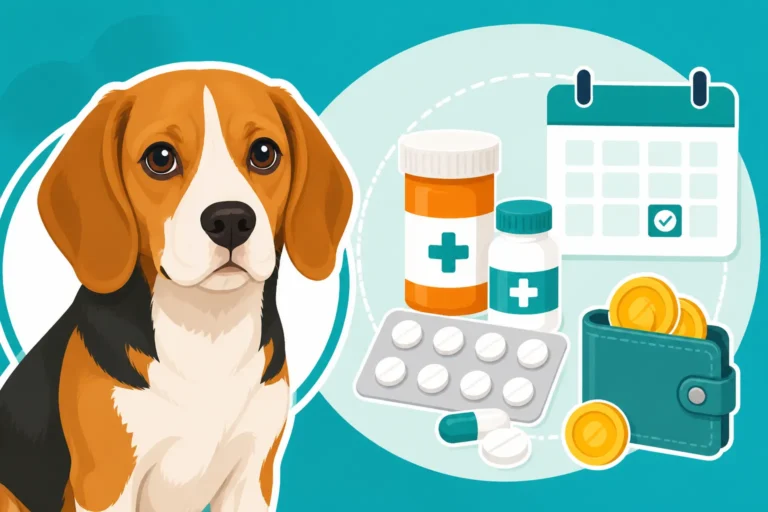
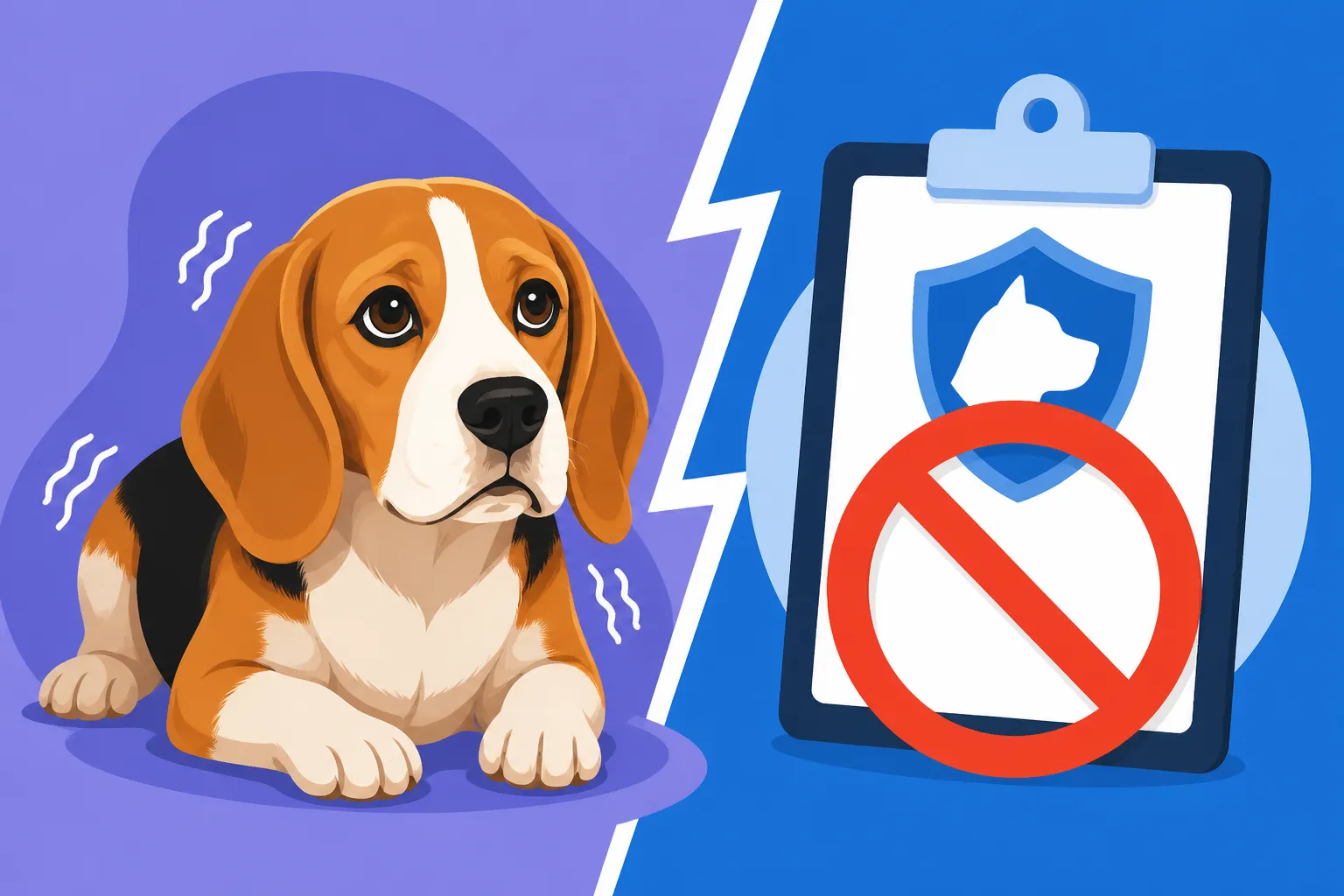
It's incredibly disheartening and often financially stressful when your beloved Beagle receives a diagnosis of epilepsy, only to find out that pet insurance considers it a "pre-existing condition." This guide aims to thoroughly explain what that designation means for you and your furry friend, offering realistic expectations and practical advice for navigating the challenges of managing Beagle epilepsy when insurance coverage is limited or denied.
Understanding Pre-Existing Conditions in Pet Insurance
The world of pet insurance can feel like a minefield, especially when you're already grappling with the emotional weight of a diagnosis like epilepsy. Many Beagle parents discover too late that their policy won't cover a condition that's already shown symptoms or been diagnosed, leading to significant financial strain.
What Exactly Qualifies as "Pre-Existing"?
Generally, a "pre-existing condition" in pet insurance refers to any illness, injury, or symptom that was observed, treated, or diagnosed by a veterinarian before your policy's start date or during its waiting period. This isn't just about a formal diagnosis; it can be as subtle as a note in your vet records about a "shaky episode" or "excessive drooling" that happened months ago, even if you didn't know it was a precursor to something more serious like epilepsy at the time.
Insurance companies are meticulous about reviewing your pet's complete veterinary history when you file a claim. They'll look for any sign that the condition was present or developing before your coverage officially began. This means if your Beagle had even one seizure-like event – even if it wasn't formally diagnosed as epilepsy yet – before you enrolled or before the waiting period for illnesses ended, future claims for epilepsy treatment will likely be denied. This can be a huge source of frustration because sometimes, the signs of a chronic illness can be subtle or misinterpreted until they become severe.
The Frustration of a Beagle Epilepsy Diagnosis
The news that your Beagle has epilepsy is tough enough to process without adding financial worries to the mix. It's a condition that often appears in what should be the prime of their lives, with many Beagles experiencing their first seizure between six months and six years of age. This window, often referred to as the idiopathic epilepsy window, is precisely when many owners might be considering pet insurance or only recently enrolled their young Beagle. For a breed already predisposed to this neurological disorder, the timing can feel incredibly unfair.
Imagine the scene: your happy, energetic Beagle, who just yesterday was sniffing out every interesting scent in the park, suddenly collapses, convulsing, drooling, and losing control of bodily functions. It's terrifying. Then, after the vet confirms it's epilepsy, you turn to your insurance provider, hoping for relief, only to be met with a rejection based on a symptom noted in a vet record from weeks prior, or because the waiting period wasn't quite over. It's a punch to the gut, leaving you feeling unsupported and burdened with unexpected, ongoing costs. Many companies, including generally well-regarded ones like Healthy Paws, adhere strictly to these rules to maintain their business model, which can feel impersonal and harsh when you're facing a crisis.
Navigating Pet Insurance with a Beagle Prone to Epilepsy
Understanding the rules before you need to use your pet insurance is crucial, especially with a breed like the Beagle that has specific genetic predispositions.
When to Enroll a Beagle for Best Coverage
The absolute best time to enroll your Beagle in pet insurance is when they are a young puppy, ideally before any health issues or symptoms arise. Most pet insurance policies come with waiting periods – a specific number of days, usually 14 to 30 for illnesses, that must pass after you enroll before your coverage for those conditions officially begins. If your Beagle exhibits any symptoms of epilepsy, or even has a confirmed seizure, during this waiting period, it will likely be considered a pre-existing condition and excluded from coverage.
Given that The Age a Beagle Usually Has Its First Seizure often falls within their first few years, enrolling your Beagle before they hit six months old offers the best chance of comprehensive coverage for conditions like idiopathic epilepsy. This proactive approach ensures that if a seizure disorder does manifest later, it won't be deemed pre-existing. This is particularly important for Beagles, who are genetically prone to Idiopathic Epilepsy in Beagles From Six Months to Six Years. Getting them covered early, before any signs begin, is truly the only way to ensure epilepsy isn't excluded.
The Impact of a Pre-Existing Epilepsy Diagnosis
If your Beagle is diagnosed with epilepsy before you enroll in pet insurance, or during the policy's waiting period, the financial implications are significant. You will likely find that your pet insurance policy will not cover any expenses related to the epilepsy. This includes initial diagnostic tests, ongoing medication costs, specialist consultations, and emergency vet visits specifically for seizure activity.
This means you'll be responsible for 100% of these bills out-of-pocket. Considering the Lifetime Costs of Beagle Seizure Medication, which can run into thousands of dollars over a dog's life, this can be a huge financial burden. An epileptic Beagle often requires regular vet check-ups, blood work to monitor medication levels and organ function (like for Liver Monitoring for a Beagle on Seizure Medication), and potentially emergency interventions if seizures become severe or cluster. Without insurance, these costs can quickly escalate, adding immense stress to an already challenging situation. If your Beagle is experiencing Beagle Epilepsy and Seizures From Six Months On, you’ll be on your own for these bills if the condition is pre-existing.
What Options Remain for Beagles with Pre-Existing Epilepsy?
While the news about pre-existing conditions can be deflating, it doesn't mean you're entirely out of options. You'll need to adjust your strategy for managing the financial aspects of your Beagle's care.
Accident-Only Policies and Other Limited Coverage
Some pet insurance providers offer accident-only policies, or policies with very specific exclusions. These plans generally will not cover illnesses, chronic conditions, or anything related to pre-existing issues like epilepsy. However, they will cover injuries resulting from accidents – think broken bones from a fall, getting hit by a car, or ingesting a foreign object. While an accident-only policy won't help with your Beagle's seizures, it can provide some peace of mind for unexpected emergencies that aren't related to their pre-existing condition.
It’s a trade-off, of course. You'd still be fully responsible for the ongoing medical management of epilepsy, but you wouldn't have to face bankruptcy if your Beagle suddenly broke a leg chasing a squirrel. Carefully read the fine print of any policy to understand exactly what is and isn't covered. Sometimes, policies might offer limited coverage for new conditions that arise after enrollment, even if previous conditions are excluded, but this is rare for chronic illnesses like epilepsy once symptoms have begun.
Self-Funding and Emergency Savings for Care
For many Beagle owners whose pets have a pre-existing condition like epilepsy, self-funding becomes the primary strategy. This means setting aside a dedicated emergency fund specifically for your Beagle's medical needs. Think of it as your own personal pet insurance policy. Start by researching the average costs of medication, regular vet visits, and potential emergency care for an epileptic Beagle in your area. This can include anything from phenobarbital and potassium bromide to diagnostic imaging and specialist consultations.
The goal is to build up a substantial savings account that you can draw from when needed. This approach offers flexibility since you don't have to deal with claim forms, denials, or waiting periods. It does, however, require discipline and a bit of foresight. Consider setting up an automatic transfer from your checking account to a separate savings account each month, even if it's a small amount. Every bit helps build that safety net for Emergency Vet Costs Every Beagle Owner Should Expect. You can also look into flexible payment options or financing plans offered by some veterinary clinics, or even consider a dedicated pet credit card for unexpected large expenses.
Exploring Breed-Specific Rescues and Support Groups
When faced with a Beagle with pre-existing epilepsy and no insurance coverage, turning to breed-specific rescues and support groups can be incredibly helpful. Organizations dedicated to Beagles often have networks of volunteers and resources aimed at assisting owners. They might offer advice, connect you with veterinarians who provide sliding scale fees, or even have limited funds available to help with urgent medical expenses.
Many of these groups have experience with Adopting a Beagle Already Diagnosed With Epilepsy and understand the specific challenges. They can be a great source of emotional support, practical tips for managing seizures, and information on local assistance programs. Don't underestimate the power of community in these situations. Speaking with other owners who have navigated similar paths can provide valuable insights and a sense of solidarity that financial concerns can sometimes overshadow.
Strategies for Managing Long-Term Costs
Living with an epileptic Beagle requires a long-term commitment, both emotionally and financially. While insurance might not cover everything, there are still ways to be smart about managing costs without compromising your Beagle's quality of life.
Medication Management and Generic Options
One of the largest ongoing expenses for an epileptic Beagle is medication. Drugs like Phenobarbital for a Beagle With Epilepsy and Potassium Bromide as a Beagle Seizure Drug are commonly prescribed to manage seizures. These can be costly, especially if your Beagle is on multiple medications or requires higher doses.
It's always worth discussing generic medication options with your veterinarian. Just like human medicine, generic pet medications often contain the same active ingredients as their brand-name counterparts but at a significantly lower price. Your vet can advise if a generic version is suitable for your Beagle and what the potential cost savings might be. Additionally, consider purchasing your Beagle's medications through reputable online pet pharmacies or large retailers like Chewy's pet pharmacy. They often offer competitive pricing, prescription savings programs, and the convenience of home delivery. Sometimes, your vet's office might be able to price match or provide discounts for long-term prescriptions. Don't be afraid to ask about all available options to reduce your monthly medication bill.
Regular Monitoring and Proactive Health Care
While it might seem counterintuitive to spend money on regular vet visits when you're trying to save, proactive health care is paramount for an epileptic Beagle and can actually save you money in the long run. Consistent monitoring helps your vet adjust medication doses, catch potential side effects (like liver issues from certain anti-seizure drugs), and address any new symptoms before they escalate into costly emergencies.
Regular blood tests are crucial, especially for Beagles on medications that require Liver Monitoring for a Beagle on Seizure Medication. These tests help ensure the medication isn't causing undue stress on internal organs and that the dosage is still effective. Keeping a detailed Keeping a Seizure Diary for Your Beagle will also provide your vet with vital information to fine-tune treatment plans and identify potential triggers, which can lead to better seizure control and potentially fewer emergency interventions. A Beagle with well-managed epilepsy is generally a healthier, happier Beagle, reducing the likelihood of expensive crises. Beyond epilepsy-specific care, a high-quality, balanced diet also supports overall health. Brands like Ollie offer fresh, customized meal plans that can contribute to your Beagle's general well-being, potentially boosting their immune system and reducing other health issues that could compound the epilepsy.
Comparison of Financial Strategies for Beagle Epilepsy
Here's a quick look at the different ways to approach the financial management of Beagle epilepsy when it's considered a pre-existing condition:
| Strategy | Pros | Cons | Best For |
|---|---|---|---|
| Full Pet Insurance (Enrolled Early) | Covers a wide range of conditions, including epilepsy. Predictable monthly costs. | Strict waiting periods. Costly if enrolled too late or if conditions are excluded. | Beagles enrolled as young puppies before any health issues. |
| Accident-Only Pet Insurance | Covers unexpected injuries from accidents. Generally lower premiums. | Does not cover epilepsy or any illness. Limited scope. | Owners primarily concerned about accidental injuries, willing to self-fund illness. |
| Self-Funding / Emergency Fund | Complete control over funds. No claims or denials. Funds always available. | Requires significant savings discipline. Can be exhausted quickly by major events. | Owners with financial stability, good savings habits, and knowledge of typical costs. |
| Breed-Specific Rescues/Support | Access to community, advice, potential limited financial aid. | Aid often limited, not guaranteed. Focus is usually on crisis situations. | Owners needing supplementary support, guidance, or emergency help. |
| Generic Meds/Online Pharmacies | Reduces ongoing medication costs significantly. Convenient. | Still requires payment. Only addresses medication costs, not vet visits. | All owners, regardless of insurance status, to reduce regular expenses. |
Disclaimer
The information provided in this article is for general informational purposes only and does not constitute veterinary or financial advice. Always consult with a qualified veterinarian for any medical concerns regarding your Beagle. For financial matters, including pet insurance and budgeting, it is recommended to speak with a financial advisor or an insurance professional. Pet insurance policies vary widely, and it is crucial to read and understand the terms and conditions of any policy before purchasing.