Beagle Ear Infection Vet Visits Adding Up
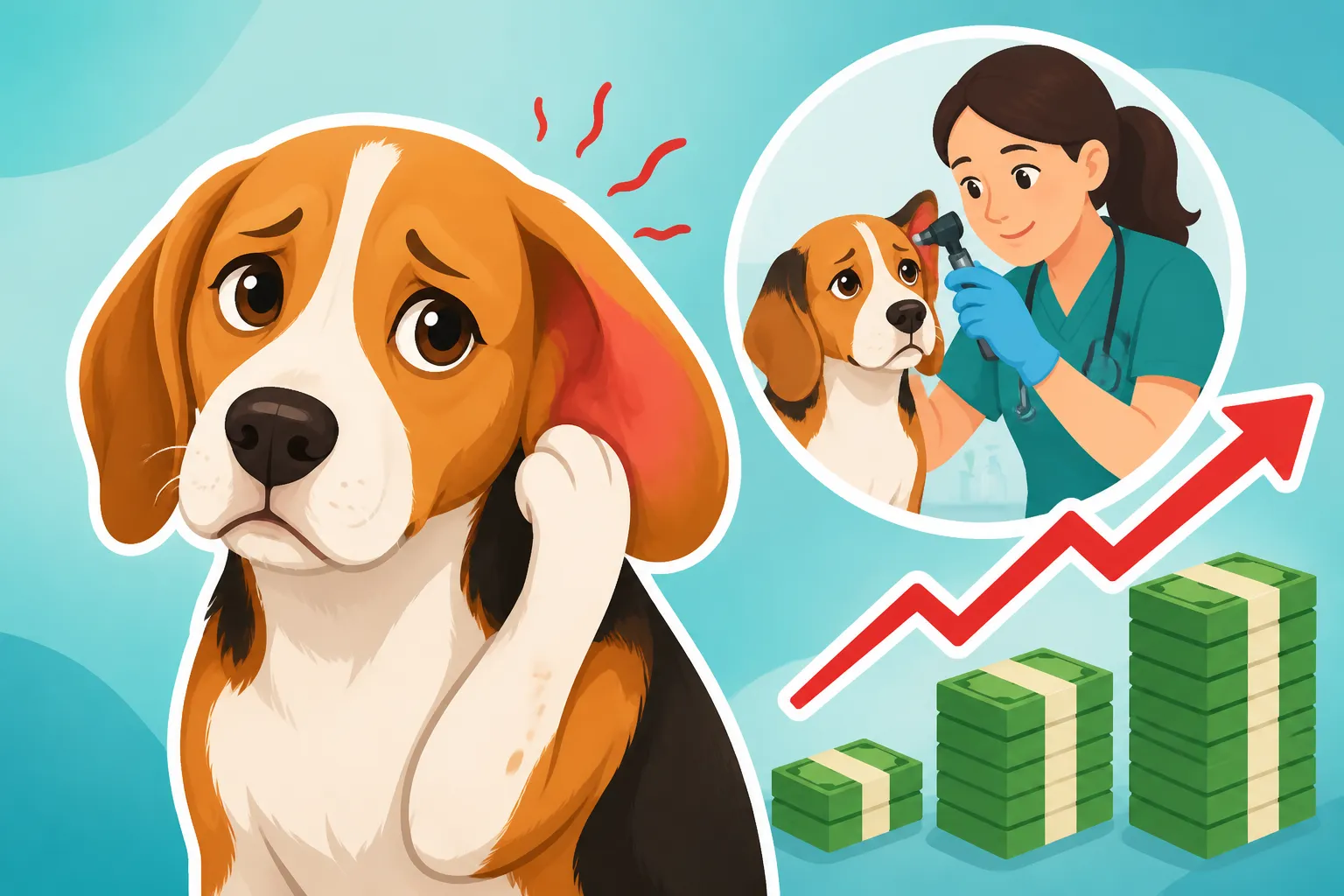
The frustration of constantly battling your Beagle's ear infections can feel like an endless loop, not to mention the unexpected hit to your wallet with each vet visit. It's a common struggle for us Beagle parents, wondering why these floppy-eared clowns seem so prone to discomfort and how to manage the escalating costs. This guide will walk you through what to expect financially, from initial exams to ongoing management, and how proactive care can make a real difference.
The Unavoidable Reality of Beagle Ear Infections
If you own a Beagle, chances are you've already experienced the tell-tale head shaking, scratching, or that distinct, sometimes pungent, odor signaling an ear infection. It’s not just bad luck; their anatomy and natural instincts make them particularly susceptible. Understanding why is the first step in appreciating the ongoing care (and costs) involved.
Why Beagle Ears Are a Magnet for Trouble
Our Beagles have those wonderfully long, droopy ears that contribute so much to their charming, soulful expression. But anatomically, these ears are practically designed to trap moisture and warmth, creating a perfect breeding ground for all sorts of unwelcome guests. Unlike dogs with upright ears, air circulation is significantly reduced under those heavy flaps. This means that any moisture from baths, swims, or even just high humidity, lingers longer. Dirt, debris, and allergens also have an easier time getting in and staying put. It’s like a warm, moist, dark cave for bacteria and yeast, just waiting for an opportunity to flourish. This unique vulnerability means that a routine ear cleaning for a Beagle isn't just a recommendation; it's a critical part of their weekly care routine. To dive deeper into this, you might find our article on Why Beagle Ears Trap Moisture So Well really insightful.
Common Culprits: Yeast, Bacteria, and Beyond
While moisture is a big factor, it’s often what grows in that environment that truly causes the problem. The most common culprits behind a Beagle's itchy, inflamed ears are yeast and bacteria. Yeast infections, often caused by Malassezia pachydermatis, tend to have a distinctive sweet or musty smell and produce a brownish discharge. Bacterial infections can be even more severe, sometimes leading to painful swelling, redness, and a yellowish or greenish pus. Beyond these, Beagles are also prone to allergies, both environmental and food-related, which can manifest as chronic ear inflammation. An underlying allergy can cause the ear canal to become inflamed and itchy, setting the stage for secondary yeast or bacterial infections. And let’s not forget the occasional ear mites, especially in younger Beagles or those with exposure to other animals, which cause intense itching and a dark, crumbly discharge. Catching Beagle Ear Infection Symptoms to Catch Early can sometimes save you a more expensive vet visit down the line.
Breaking Down the Costs of a Single Vet Visit
When your Beagle starts showing those unmistakable signs of an ear infection – the persistent scratching, head tilting, or crying out when their ear is touched – a vet visit becomes absolutely essential. Ignoring it won't make it go away; it will only make it worse and potentially more expensive to treat. The cost of a single visit can vary widely depending on your location, the clinic, and the severity of the infection, but there are standard components that contribute to the overall bill.
Initial Examination and Diagnostics
The first thing your veterinarian will do is a thorough physical examination, paying close attention to your Beagle’s ears. This general exam, often costing anywhere from $50 to $100 or more, is crucial for assessing overall health and ruling out other issues. Following this, the vet will perform an otoscopic exam, using a special tool to look deep into the ear canal to check for redness, swelling, discharge, foreign bodies, or even a ruptured eardrum. This visual inspection is usually included in the exam fee or a small additional charge.
However, to truly pinpoint the cause of the infection and ensure the right treatment, diagnostics are key. A cytology exam is standard practice, where a sample of the ear discharge is taken and examined under a microscope. This simple test, often costing between $30 and $70, allows the vet to identify whether yeast, bacteria (and their shapes), or mites are present. Without it, treatment might be a shot in the dark, leading to ineffective care and more money spent later. Sometimes, if the infection is particularly stubborn or recurrent, a culture and sensitivity test might be recommended, which costs more, typically $100-$200, but tells the vet exactly which antibiotic will be most effective against the specific bacteria present. This can be especially important if your vet suspects Beagle Yeast Ear Infections That Keep Returning.
Medications and Treatments
Once the diagnosis is clear, the vet will prescribe a course of treatment. This usually involves a combination of ear cleaners and medicated ear drops or ointments. Ear cleaners, designed to remove debris and dry the ear canal, might run you $15-$30 for a bottle and are essential for preparing the ear for medication. Medicated ear drops, often containing antibiotics, antifungals, and/or anti-inflammatory steroids, can range from $30 to $80 or more, depending on the specific medication and brand. For a persistent or particularly painful infection, your vet might also prescribe oral medications, such as antibiotics or anti-inflammatory drugs, which could add another $20 to $60 to the bill. In some cases, a single-dose, long-acting ear medication (like Osurnia or Claro), administered by the vet in the clinic, may be an option. These can be more expensive upfront, often $50-$100 per ear, but might save you the hassle of daily at-home application.
Here's a quick look at typical costs you might encounter for an acute ear infection visit:
| Service/Item | Estimated Cost Range (USD) | Notes |
|---|---|---|
| Vet Examination Fee | $50 – $100 | Initial check-up, vital for overall assessment. |
| Otoscopic Exam | $0 – $20 | Often included or a small add-on to the exam. |
| Ear Cytology (Microscopic Exam) | $30 – $70 | Essential for identifying yeast, bacteria, or mites. |
| Ear Cleaning Solution | $15 – $30 | Used to clean the ear before medication. |
| Medicated Ear Drops/Ointment | $30 – $80 | Antibiotic, antifungal, or steroid combinations. |
| Oral Medications (if needed) | $20 – $60 | Antibiotics or anti-inflammatories for severe cases. |
| Total for Acute Visit | $145 – $360 | This is a general estimate and can vary. |
Please note: These are estimated costs and can fluctuate based on location, veterinary clinic, and the specific medications prescribed.
When Acute Becomes Chronic: The Escalating Financial Strain
While a single ear infection can be managed, the true financial burden often comes when these infections become a recurring nightmare. Many Beagle owners know the disheartening feeling of getting one ear infection under control, only for another to pop up a few weeks later. This cycle of chronic ear problems doesn’t just take a toll on your Beagle’s comfort; it can significantly escalate your veterinary bills over time.
The Cycle of Repeated Appointments
Once an ear infection is diagnosed and treated, a follow-up appointment is often crucial. This recheck allows your vet to ensure the infection has cleared completely and to make sure the eardrum is intact after treatment. These recheck appointments might be slightly less expensive than the initial visit, perhaps $30-$60 for a brief exam and another cytology, but they still add up. If the infection hasn’t fully resolved or has shifted (e.g., from bacterial to yeast after antibiotic use), then more medications or a different treatment protocol will be needed, restarting the cycle. Imagine two or three such cycles within a few months – that's potentially hundreds of dollars just in rechecks and new prescriptions. This is where pet insurance plans like Healthy Paws can truly make a difference, as they often cover follow-up visits and medications for recurring issues, provided they aren't classified as pre-existing conditions.
Moreover, dealing with chronic ear infections can be incredibly time-consuming, requiring diligent at-home care, daily medication applications, and constant vigilance for recurrence. It's not just a financial drain, but an emotional one too, seeing your beloved Beagle suffer repeatedly. For more on what to look for, check out our guide on Beagle Ear Infections and the Drooping Ear Flap.
Advanced Diagnostics and Specialist Referrals
If your Beagle's ear infections are truly chronic, meaning they keep coming back despite appropriate treatment, your general vet might recommend advanced diagnostics or a referral to a veterinary dermatologist. This is where costs can really begin to climb.
Advanced diagnostics might include:
- Deep Ear Flushing Under Sedation: If the ear canal is severely inflamed, painful, or packed with debris, your vet might need to sedate your Beagle to properly clean and examine the ear. This procedure can cost anywhere from $200 to $500, including the sedation, fluids, and actual cleaning.
- Imaging (X-rays, CT Scans, MRI): For very severe or middle ear infections, imaging might be necessary to look for polyps, tumors, or fluid behind the eardrum. X-rays can range from $150-$300, while a CT scan or MRI could be $1,000-$3,000 or more, requiring specialist equipment and expertise.
- Allergy Testing: Since allergies are a major underlying cause of chronic ear issues in Beagles, your vet might suggest allergy testing. This can involve blood tests (serum allergy testing, $200-$400) or intradermal skin testing ($300-$500), which is often done by a veterinary dermatologist. If allergies are confirmed, long-term management with immunotherapy (allergy shots) can cost $50-$100 per month for years, but it can be highly effective at preventing future infections. Our article on Beagle Skin Allergies and Constant Itching might offer some useful context here.
A referral to a veterinary dermatologist for specialized care can also incur higher costs. An initial consultation with a specialist might be $150-$300, not including any tests they perform. However, their expertise can be invaluable in unraveling complex, chronic cases and developing a long-term management plan that ultimately saves you money by preventing endless cycles of infection. These specialists can also advise on specific dietary changes or supplements, like Omega-3 fatty acids, which can help reduce inflammation, as discussed in Omega-3 Oils for a Beagle's Coat.
Proactive Care: Investing to Save in the Long Run
The adage "an ounce of prevention is worth a pound of cure" couldn't be more true when it comes to Beagle ear infections. While you might feel like you're constantly shelling out money for vet visits, investing in proactive, consistent at-home care can significantly reduce the frequency and severity of infections, ultimately saving you a substantial amount of money and heartache in the long run.
Essential At-Home Ear Care Supplies
Having the right tools at home is fundamental. High-quality ear cleaning solutions specifically designed for dogs are a must. Look for solutions that contain drying agents (like boric acid or witch hazel) and gentle antiseptics. Brands like Epi-Otic, MalAcetic, or Zymox are popular and widely recommended by vets. A good bottle of ear cleaner might cost $15-$25 and last for several months with regular use. You'll also need plenty of soft cotton balls or gauze pads for cleaning. Avoid cotton swabs (Q-tips) for cleaning deep inside the ear canal, as they can push debris further in or damage the delicate eardrum.
Establishing a routine, such as performing The Five Minute Beagle Ear Routine once a week, especially after baths or swims, is crucial. This involves gently flushing the ear canal with cleaner, massaging the base of the ear to help loosen debris, and then wiping out any excess solution and gunk with cotton balls. This simple habit can go a long way in preventing moisture buildup and keeping yeast and bacteria at bay. Remember, prevention is about consistency! You can often find these supplies easily at pet stores or online retailers like Chewy.
Managing Underlying Causes
If your Beagle's ear infections are chronic, there's often an underlying issue at play that needs to be addressed. As we've discussed, allergies are a prime suspect. If food allergies are suspected, your vet might recommend an elimination diet, where your Beagle is fed a novel protein or hydrolyzed protein diet for several weeks to see if symptoms improve. High-quality dog food brands, including fresh food options like Ollie, offer novel protein diets or sensitive stomach formulas that can be beneficial. These specialized diets can sometimes be more expensive than conventional kibble, but if they resolve chronic ear issues, the savings on vet bills can be substantial. For guidance, our article on Novel Protein Food for an Itchy Beagle is a great resource.
Environmental allergies might require regular bathing with a medicated shampoo to reduce allergens on the skin, or long-term management with allergy medications (like Apoquel or Cytopoint injections) or immunotherapy. While these treatments have their own costs, they target the root cause of the inflammation, making your Beagle less susceptible to secondary ear infections. Discussing these options with your vet is vital to finding the most effective and cost-efficient long-term plan for your specific Beagle.
Considering Pet Insurance for Chronic Ear Issues
When facing the prospect of recurring vet visits and potentially expensive diagnostics for your Beagle's ears, pet insurance can feel like a lifeline. It’s definitely worth exploring, but understanding what policies cover and their limitations is key.
What Policies Typically Cover
Most comprehensive pet insurance plans, like those offered by Healthy Paws, typically cover a wide range of veterinary expenses related to illnesses and accidents. This generally includes:
- Examination Fees: For unexpected illnesses, including ear infections.
- Diagnostics: Such as otoscopic exams, cytology, ear cultures, and even advanced imaging like X-rays or CT scans if required for severe or chronic ear problems.
- Medications: Both topical ear drops and oral antibiotics or anti-inflammatories prescribed for treatment.
- Procedures: Like deep ear cleanings under sedation, or even surgery if a severe condition (like an ear hematoma or chronic ear canal narrowing) develops.
- Specialist Consultations: If your general vet refers you to a veterinary dermatologist for complex cases.
Many plans also offer "wellness add-ons" that cover routine preventative care, which might include annual ear cleanings or specific ear care products if prescribed by a vet. For a breed like a Beagle, with their inherent ear issues, a wellness plan could be a sensible addition. You can find more detailed information in our article Beagle Pet Insurance and What It Runs a Month.
Pre-Existing Conditions and Waiting Periods
This is arguably the most critical aspect to understand when considering pet insurance for conditions like chronic ear infections. Nearly all pet insurance policies have clauses regarding pre-existing conditions. This means if your Beagle was diagnosed with an ear infection (or showed symptoms) before you enrolled in the policy or before the waiting period ended, that specific condition (and any future recurrences) might not be covered.
- Waiting Periods: There's usually an initial waiting period after you purchase a policy before coverage for illnesses kicks in, typically 14-30 days. Some plans also have longer waiting periods for orthopedic conditions or specific ailments.
- Chronic vs. Acute: If your Beagle has an acute ear infection that fully resolves and then develops another unrelated ear infection much later, some policies might cover it. However, if it's determined to be a chronic, recurring condition that started before or during the waiting period, it will likely be deemed pre-existing and excluded from coverage. This is why it's always best to enroll your Beagle in pet insurance as early as possible, ideally when they are a puppy, before any health issues (like those first ear infections or even Beagle Skin Allergies and Constant Itching) arise.
Always read the policy's terms and conditions carefully, and don't hesitate to call the insurance provider directly to clarify their stance on chronic or recurring ear infections. Understanding these details can prevent frustrating claim denials down the road. For additional insights into policy limitations, refer to What a Beagle Insurance Policy Leaves Out.
Practical Tips for Reducing Your Beagle's Ear Infection Bill
Managing the costs associated with your Beagle's ear health isn't just about reacting to problems; it's about being smart and proactive. By implementing consistent habits and making informed choices, you can significantly reduce your overall expenses and keep your Beagle's ears healthier and happier.
Routine Prevention Habits
The single most impactful way to reduce ear infection bills is through diligent, routine preventive care. As we've discussed, Beagles are inherently prone to ear issues due to their floppy ears. This means regular cleaning is not optional, it's essential.
- Weekly Ear Cleaning: Aim for a weekly ear cleaning using a vet-approved solution. If your Beagle is prone to swimming or gets wet frequently, you might need to clean their ears more often, perhaps after every water exposure. Consistency is key here. This regular maintenance helps prevent the buildup of wax, debris, and moisture that can lead to infections.
- Thorough Drying: After baths or swims, make sure to thoroughly dry your Beagle's ears. Gently blot the outer ear flap and the visible parts of the ear canal with a soft towel or cotton balls. Don't use a hairdryer on a hot setting, as this can burn delicate skin.
- Monitor for Symptoms: Become familiar with your Beagle's "normal" ear appearance and smell. Any subtle changes – increased head shaking, scratching, redness, discharge, or an unusual odor – should prompt immediate attention. Catching an infection in its earliest stages often means a simpler, less expensive treatment course. If you suspect an infection is brewing, consult your vet promptly. Delaying can turn a minor issue into a major, costly problem. You can learn more about this in How Often a Beagle's Ears Need Cleaning.
Smart Shopping for Supplies and Food
Being a savvy shopper for your Beagle's needs can also chip away at costs.
- Buy Supplies in Bulk or Online: Basic ear cleaning solutions, cotton balls, and other routine care items can often be purchased more affordably online through retailers like Chewy or in larger quantities from your vet or specialized pet stores. Building up a supply can save you from emergency runs to the nearest store where prices might be higher.
- Compare Food Prices: If your Beagle requires a special diet due to allergies, compare prices from different retailers. Sometimes, your vet's office might offer a special price, or you might find better deals through online subscriptions directly from the manufacturer or through major pet supply sites. Companies like Ollie, for instance, offer subscription services for fresh dog food that can sometimes be more cost-effective than buying individual cans or bags of specialized food, particularly if you factor in the health benefits that reduce other vet bills.
- Utilize Vet-Recommended Products: While tempting to buy cheaper, generic ear cleaners, always stick to products recommended by your vet. Off-brand solutions might not be as effective or could even irritate your Beagle's sensitive ear canals, leading to more problems. Your vet can advise you on What Solution to Use Inside a Beagle Ear that is both effective and budget-friendly.
- Ask About Samples or Generics: Don't be afraid to ask your vet if there are generic versions of prescribed medications that might be more affordable, or if they have any samples of ear cleaners you could try.
By being vigilant with preventive care and smart about your purchases, you can significantly lessen the financial impact of ear infections, allowing you to enjoy your Beagle's merry companionship without constant worry about escalating vet bills.
Disclaimer
The information provided in this article is for general informational purposes only and is not intended as a substitute for professional veterinary advice. Always consult with a qualified veterinarian for any health concerns or before making any decisions related to your Beagle's care and treatment. Veterinary costs are estimates and can vary significantly based on location, clinic, and individual circumstances.