Beagle Boarding, Sitters and Travel Costs
One of the trickiest parts of owning a Beagle is figuring out what to do with them when you need to travel. It’s not just about finding someone willing to take on that magnificent nose and powerful voice; it’s about ensuring your beloved hound is safe, happy, and well-cared for, which often comes with a hefty price tag. This comprehensive guide will walk you through the various options for Beagle care when you're away, breaking down the costs, considerations, and how to plan for peace of mind.
Understanding the Beagle's Unique Needs for Care When You're Away
Let's be honest, Beagles aren't exactly the "easy button" when it comes to temporary care. Their unique blend of charm and challenge means that leaving them with just anyone, or in any generic facility, can lead to stress for everyone involved – especially your Beagle. Knowing these quirks upfront helps you choose the best, most cost-effective option.
Why Standard Boarding Can Be a Challenge for Beagles
Many of us have tried a standard kennel, only to pick up a dog who's hoarse from baying, stressed, or has even lost weight. Beagles, by their very nature, are pack animals. They thrive on companionship and routine, and a sudden change in environment, coupled with the absence of their human "pack," can trigger their vocal tendencies. We've talked extensively about how loud a Beagle bay actually measures, and that characteristic howl is often a distress signal when they're feeling alone or anxious. This isn't just a minor annoyance; it can lead to full-blown Beagle Separation Anxiety in a Pack Breed and make their stay miserable. Furthermore, their innate curiosity and incredible scent drive mean that a standard chain-link fence or a less-than-vigilant staff member might not be enough to contain a determined Beagle. They are escape artists, plain and simple, and their ability to find the one gap in a fence or dig under a perimeter is legendary.
The Importance of Exercise and Mental Stimulation
A bored Beagle is a destructive Beagle, or at the very least, a very vocal one. These dogs were bred for endurance, spending hours on the trail following a scent. Confining them to a small run with minimal activity simply doesn't cut it. They need vigorous exercise, yes, but just as importantly, they need mental stimulation. Their powerful noses crave work. A simple walk around the block isn't enough; they need "sniffari" walks where they can truly engage their primary sense. Without this outlet, they can become anxious, destructive, or even more prone to Beagle Howling, Baying and Barking Explained, which can be quite disruptive in a boarding environment. Finding a care provider who understands this need and is willing to engage them in mentally stimulating activities, like scent games or puzzle toys, is crucial.
Dealing with a Beagle's Insatiable Appetite and Food Drive
Oh, the Beagle appetite! It's a running joke among owners, but it's also a serious consideration when leaving them with someone else. Beagles are notoriously food-driven, which can be a blessing for training but a curse for managing their weight and preventing them from eating things they shouldn't. If not properly managed, a temporary caregiver might unwittingly overfeed them, or worse, allow them access to toxic foods or objects they can swallow. This relentless food drive also means they'll attempt to counter-surf or raid trash cans at any opportunity. You need a caregiver who is acutely aware of this and willing to stick strictly to your feeding regimen to avoid issues like Beagle Obesity Treated as a Health Problem. Make sure to provide precise feeding instructions and emphasize the importance of secure food storage.
Breaking Down Beagle Boarding Costs and Options
When it comes to leaving your Beagle in a dedicated facility, you've got a spectrum of choices, each with its own price tag and set of services. Understanding these options will help you decide what fits your budget and, more importantly, your Beagle's personality.
Traditional Kennels and Their Pricing Structures
Traditional kennels are often the first thing people think of when they need to board their dog. They typically offer individual runs or kennels, often with access to an outdoor area for potty breaks and some supervised playtimes. The base cost for these facilities can range anywhere from $30 to $60 per night, depending heavily on your geographic location and the amenities offered.
However, the "base cost" is rarely the final bill, especially for a Beagle. You’ll often find a menu of add-ons:
- Extra Playtime: Supervised group play or individual sessions. Expect to pay an additional $5-$15 per session. For a Beagle that needs significant exercise, this can add up quickly.
- Medication Administration: If your Beagle is on daily medication for something like allergies or, heaven forbid, Anti-Seizure Medication for an Epileptic Beagle, there’s almost always a daily fee, usually $2-$10.
- Special Feeding: If you provide your own food (which is highly recommended to avoid stomach upset) or if your Beagle requires a slow feeder due to gulping, some kennels might charge a small fee.
- Grooming Services: Nail trims, baths, or ear cleanings (essential for those long, floppy Beagle Ear Infections Under Those Long Ears) can be added on for an extra charge, ranging from $15-$50.
- Holiday Surcharges: Expect higher rates (often an extra $10-$20 per night) during peak travel seasons like Thanksgiving, Christmas, and summer holidays. Many places also require minimum stays during these times.
For a week-long stay, a traditional kennel can easily run you $300-$700 once all the necessary add-ons for a Beagle are factored in. While some kennels might offer discounts for long-term stays (e.g., over a month), short trips usually see the full brunt of these costs.
Luxury Boarding and Specialized Facilities for Hounds
If your Beagle is particularly sensitive to kennel environments, or if you simply want to splurge, luxury boarding facilities and specialized "dog hotels" offer a much more enriched experience. These places often boast features like private suites with beds, webcams for owners to check in, extensive play yards, structured enrichment activities, and often, a higher staff-to-dog ratio. Some might even cater specifically to hounds, understanding their unique exercise and scenting needs.
Costs for luxury boarding are significantly higher, typically ranging from $60 to $120 per night. These prices often include many of the "add-ons" that traditional kennels charge for, such as multiple playtimes, group enrichment, and sometimes even basic grooming like brushing. However, highly specialized services or one-on-one "cuddle time" might still be extra.
For a week, you could be looking at $420-$840, easily surpassing the $1,000 mark for longer stays or during holidays. The benefit here is the peace of mind knowing your Beagle is receiving constant attention, comfort, and engagement, which can be invaluable for a breed prone to anxiety and boredom. Before booking, always visit the facility, ask about their protocols for escape artists, and observe how staff interacts with the dogs.
Factors Influencing Boarding Costs
Several elements beyond the type of facility will sway your final boarding bill:
- Location: Boarding in major metropolitan areas or popular vacation destinations will almost always be more expensive than in rural or suburban areas. Just like human lodging, demand drives up prices.
- Seasonality: As mentioned, holidays and peak summer travel times see a significant increase in demand and price. Booking well in advance is crucial, and you'll often face non-refundable deposits.
- Beagle's Size/Weight: While Beagles are medium-sized, some facilities have different rates for different weight classes. Most Beagles fall into the standard pricing, but check if there's a distinction between the 13-inch and 15-inch varieties, or if a particularly chunky Beagle might incur a higher fee.
- Medical Needs: Beyond simple pill administration, if your Beagle has significant medical needs – say, recovering from Beagle Disc Surgery and the Odds of Recovery or requiring specific monitoring – you might need a vet-run boarding facility, which will be the most expensive option, often mirroring vet hospital stay costs.
- Required Vaccinations/Tests: Almost all reputable boarding facilities require up-to-date vaccinations (Rabies, Distemper/Parvo, Bordetella) and sometimes even a clean fecal test. The cost of these vet visits, if not already current, needs to be factored in. For senior Beagles, additional checks might be required, as outlined in our guide on Beagle Vet Visit Frequency After the Age of Ten.
Always ask for a detailed quote that includes all potential charges based on your Beagle's specific needs and the duration of the stay.
The World of Pet Sitters: In-Home Care for Your Beagle
For many Beagle owners, the idea of keeping their hound in their familiar home environment is far more appealing than traditional boarding. This is where pet sitters come in, offering a range of services that can be tailored to your Beagle's routine and comfort.
Drop-In Visits vs. Overnight Stays
Pet sitters generally offer two main service models:
- Drop-In Visits: A sitter will come to your home several times a day (usually 2-4 visits) to feed, water, let your Beagle out for potty breaks, administer medication, and provide some playtime and companionship. Each visit typically lasts 20-45 minutes.
- Pros: Keeps your Beagle in their own home, maintains their routine, often less expensive than overnight stays.
- Cons: Your Beagle will still be alone for significant periods between visits. This might not be suitable for Beagles with severe separation anxiety or very young puppies who need more frequent potty breaks and supervision.
- Costs: Expect to pay $20-$30 per visit. For a typical three-visit-per-day schedule, this comes out to $60-$90 daily.
- Overnight Stays (House Sitting): The sitter actually moves into your home and stays there, providing continuous care for your Beagle, similar to how you would. This is often the gold standard for Beagles, minimizing stress and disruption.
- Pros: Your Beagle maintains their full routine, gets constant companionship, and stays in their familiar environment. Your home also benefits from being occupied.
- Cons: This is generally the most expensive option.
- Costs: Overnight rates usually range from $70 to $120 per night, again depending on location, the sitter's experience, and the specific duties involved (e.g., caring for multiple pets, watering plants, bringing in mail).
Many sitters will also offer add-on services like extended walks, administering complex medications, or special grooming, which might incur additional fees. Some online platforms like Rover or Wag! make finding sitters easier, but always vet them thoroughly.
Hiring a Professional Pet Sitter
Choosing a pet sitter is a huge decision, especially for a Beagle, given their specific needs for secure containment and mental engagement. It's not just about finding someone who loves dogs; it's about finding a professional who understands the nuances of the breed.
- Credentials and Insurance: A truly professional pet sitter should be bonded and insured. This protects you in case of accidents (e.g., your Beagle escapes while on a walk, or damage occurs to your home). Look for sitters certified in pet first aid and CPR. Organizations like Pet Sitters International (PSI) or the National Association of Professional Pet Sitters (NAPPS) can be good starting points for finding qualified individuals.
- Vetting Process: Never hire a sitter without a thorough interview, reference checks, and a meet-and-greet with your Beagle in your home. This "sniff test" is crucial. Observe how the sitter interacts with your dog. Do they seem comfortable with a Beagle's boisterous nature? Do they ask pertinent questions about your dog's routine, anxieties, and quirks?
- Understanding Beagle Behavior: A good sitter will understand that "stubborn" Beagle behavior is often just their nose leading the way. They should be aware of a Beagle's tendency to bolt if not securely leashed or contained, and comfortable with managing their vocalizations. Discuss your Beagle's specific escape artistry and how to contain it before you leave.
- Detailed Instructions: Prepare a comprehensive guide for your sitter. Include feeding schedules, medication instructions, vet contact information, emergency protocols, and details about your Beagle's exercise needs and favorite toys (especially puzzle feeders if they eat too fast). Don't forget to mention if your Beagle is particularly prone to Beagle Puppy Car Rides and Motion Sickness if they plan on taking them anywhere.
The True Value of Keeping Your Beagle in Its Own Environment
For many Beagles, staying home with a trusted sitter is the least stressful option. It eliminates the upheaval of a new environment, new smells, and unfamiliar routines. This familiarity can significantly reduce the risk of stress-related behaviors like excessive barking, destructive chewing, or changes in appetite.
The cost might be higher than a basic kennel, but the benefits in terms of your Beagle's well-being and your peace of mind are often worth it. Your Beagle gets to sleep in their own bed, play with their own toys, and stick to their usual schedule, all while receiving personalized attention. This is especially beneficial for senior Beagles or those with chronic health issues, where maintaining routine is paramount. Plus, if you have multiple Beagles, a sitter might actually be more cost-effective than boarding several dogs individually.
Traveling with Your Beagle: Costs and Considerations
Sometimes, the best solution isn't leaving your Beagle behind, but bringing them along! However, traveling with a Beagle, whether by car or air, comes with its own set of logistics and costs that you need to factor into your vacation budget.
Road Trips: Fuel, Food, and Pet-Friendly Stops
Taking your Beagle on a road trip can be an amazing adventure, but it requires careful planning to ensure their comfort and safety.
- Fuel Costs: While not directly a "Beagle cost," longer trips mean more gas. You'll also likely make more stops than you would if traveling alone, potentially extending travel time and fuel consumption.
- Food and Supplies: Pack your Beagle's usual food to avoid stomach upset. Brands like Ollie, known for fresh, human-grade ingredients, offer convenient pre-portioned meals that can be easier to manage on the road than a large bag of kibble. Don't forget plenty of treats for rewarding good behavior, portable water bowls, and their favorite toys. Consider bringing some familiar bedding to help them feel secure in new places.
- Pet-Friendly Stops: This is crucial. You can't just stop anywhere with a Beagle. You'll need to research dog parks, rest stops with green spaces, and pet-friendly restaurants (many have outdoor seating where dogs are welcome). More stops mean more time, but they're essential for your Beagle to stretch their legs, relieve themselves, and, most importantly, sniff! Regular sniff breaks are vital for their mental well-being on a long journey, much like how Sniffing Walks and Why They Tire a Beagle Out at home.
- Safety Gear: A proper car harness or travel crate is non-negotiable for safety. This prevents them from becoming a projectile in an accident and keeps them from distracting the driver. Brands like Kurgo or Sleepypod offer crash-tested options. Costs for quality safety gear can range from $50 to $200.
- Unexpected Vet Visits: Always carry your Beagle's vaccination records and vet contact info. If you need an emergency vet during your trip, it will likely be an unknown clinic. This is where pet insurance from providers like Healthy Paws can be incredibly valuable, helping cover unexpected medical expenses on the go.
Flying with a Beagle: Cabin vs. Cargo
Flying with a Beagle is significantly more complex and expensive than driving. Many airlines have strict rules, and sadly, Beagles are often too large to fit under the seat in the cabin as a carry-on, making cargo travel the only option for many.
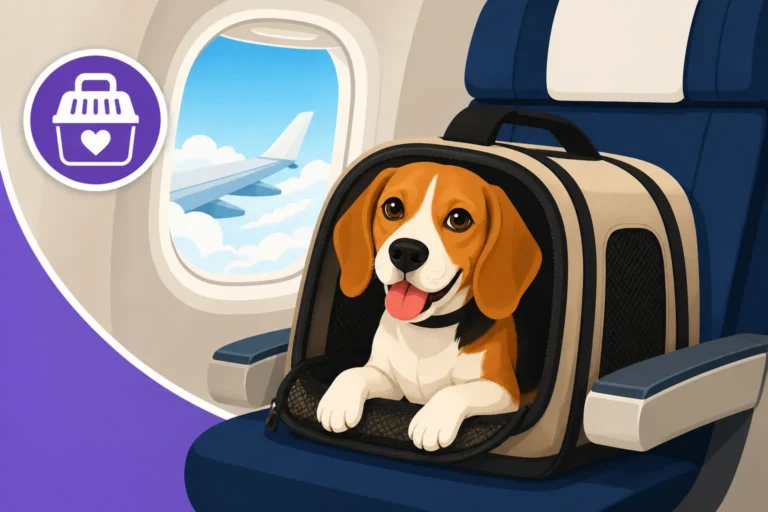
- In-Cabin (Carry-on): Only small dogs that can fit comfortably in a carrier under the seat in front of you are allowed. Most Beagles exceed these size and weight limits (typically max 20 lbs total, including carrier). If your Beagle is small enough, the fee is usually $100-$175 one-way.
- Cargo (Checked Pet): This is where most Beagles would travel. It's a much more stressful experience for dogs and considerably more expensive.
- Airline Fees: Expect to pay $200-$500 one-way for cargo travel, sometimes more for international flights.
- Airline-Approved Crate: You'll need an IATA-compliant travel crate that's large enough for your Beagle to stand up, turn around, and lie down comfortably. These sturdy crates can cost $100-$300 or more.
- Health Certificate: Airlines almost always require a health certificate issued by a licensed veterinarian within 10 days of travel. This vet visit costs $50-$150, plus any necessary vaccinations.
- Acclimation Letter: Some airlines require a letter from your vet stating your Beagle is accustomed to extreme temperatures if traveling during hot or cold months.
- Sedation: Most vets strongly advise against sedating pets for air travel due to potential respiratory and cardiovascular problems at altitude.
- Breed Restrictions: Some airlines have restrictions on "snub-nosed" breeds (brachycephalic) due to breathing issues, but Beagles are generally not included in this category. However, always double-check with the specific airline.
Flying is generally recommended only if absolutely necessary, due to the inherent stress and risks involved for the animal.
Pet-Friendly Accommodations and Associated Fees
Whether driving or flying, finding a place to stay that welcomes your Beagle is another cost factor.
- Hotels: Many hotel chains are becoming more pet-friendly. Major chains like Marriott, Kimpton, and La Quinta often welcome dogs. However, almost all charge a pet fee, which can be a flat rate per stay (e.g., $25-$75) or a daily fee (e.g., $10-$25 per night). Some might have weight or breed restrictions.
- Vacation Rentals (Airbnb, VRBO): These can be great options for Beagles, as they often offer more space and private yards. Look for listings that explicitly state "pet-friendly" and inquire about any additional pet fees or deposits. A pet cleaning fee of $50-$200 is common, and some hosts might ask for a refundable pet damage deposit.
- Camping/RV Parks: This can be a very Beagle-friendly option! Many campsites welcome dogs, often with little to no extra fee, though some may charge a nominal amount per pet. Just be sure to check leash rules and noise policies, as a baying Beagle can quickly disrupt the peace of a campground.
- Damage Deposits: Some accommodations might require a refundable pet deposit in case of damage (chewing, accidents, etc.), which you'll get back if your Beagle is well-behaved.
Always book pet-friendly accommodations well in advance and confirm their specific pet policies and fees to avoid surprises.
Budgeting and Planning for Your Beagle's Care While You're Away
Getting away from it all shouldn't mean breaking the bank to care for your Beagle, nor should it mean compromising on their safety and happiness. Strategic budgeting and proactive planning are key.
Estimating Annual Costs for Different Scenarios
The cost of temporary Beagle care can vary wildly depending on how often you travel and what kind of care you opt for. It's helpful to consider different scenarios for annual budgeting.
- One Long Vacation (7-10 days):
- Traditional Boarding: $300 – $700
- Luxury Boarding: $420 – $1,200
- Overnight Pet Sitter: $490 – $1,200
- Road Trip (with hotel fees): $200 – $500 (extra pet fees, gas, plus your own travel costs)
- Several Short Trips (3-4 weekends, 2-3 nights each):
- Traditional Boarding: (3 nights x $50) x 4 trips = $600
- Drop-In Pet Sitter: (3 visits x $25/visit x 3 nights) x 4 trips = $900
- Overnight Pet Sitter: ($100/night x 3 nights) x 4 trips = $1,200
- Regular Daycare (for work or short outings): If you use daycare regularly to burn off some of that Beagle energy, this can also add up. Many places offer packages. Individual days are often $30-$50. A few days a week can easily be $300-$500 per month. We've discussed Beagle Boarding and Daycare Rates in more detail previously.
Considering The Yearly Cost of Keeping a Beagle already includes food, vet care, and supplies, these temporary care costs represent a significant additional expense. Aim to set aside a dedicated portion of your budget for this, perhaps in an emergency fund.
Saving Money Without Compromising Care Quality
While quality care is paramount, there are ways to be smart about your spending:
- Trusted Friends and Family: The absolute cheapest option, if available, is a trusted friend or family member who genuinely loves Beagles and understands their needs. Offer to reciprocate by watching their pets or compensating them with a gift card or a home-cooked meal. Ensure they're fully aware of a Beagle's need for secure containment and supervision to avoid escapes.
- House Swaps/Pet Swaps: Consider platforms that allow you to swap houses or pet-sitting duties with other pet owners. This can be a fantastic way to get free, personalized care, but it requires a high level of trust and clear communication.
- Booking Off-Peak: If your schedule allows, travel during off-peak seasons when boarding facilities and pet sitters might have lower rates or more availability.
- Package Deals: Many kennels and daycares offer package deals for multiple nights or frequent use. If you know you'll be traveling often, buying a package can save you money per night.
- DIY Prep: Do your own pre-travel grooming (nail trims, ear cleaning) rather than paying extra for these services at the boarder. Pack your own food, treats, and medications meticulously.
- Consider a Home Security System: Investing in a good home security system with cameras can provide peace of mind if you use drop-in sitters, allowing you to check in on your Beagle and ensure visits are happening as scheduled.
Considering Pet Insurance for Travel-Related Emergencies
While pet insurance primarily covers unexpected accidents and illnesses, it can indirectly offer peace of mind when your Beagle is away from you. Companies like Healthy Paws offer comprehensive plans that can cover a significant portion of emergency vet bills, no matter where your Beagle is.
Imagine your Beagle develops a sudden ear infection or, worse, an injury while at a boarder or with a sitter. The last thing you want to worry about is the cost of emergency care when you're hundreds of miles away. Having a policy in place means you can authorize necessary treatment without delay, knowing that a substantial part of the bill will be reimbursed.
It's important to understand what your policy covers and what it doesn't. Pre-existing conditions are typically excluded, so it's best to get insurance when your Beagle is young and healthy. Read the fine print on deductibles, reimbursement percentages, and annual limits. While it won't cover boarding fees, it's a vital safety net for the unforeseen medical costs that could arise during your absence, adding to your travel stress.
Emergency and Last-Minute Care for Your Beagle
Life happens, and sometimes travel plans are sudden, or existing care arrangements fall through. Dealing with an urgent need for Beagle care can be incredibly stressful and expensive if you're not prepared.
Unexpected Travel and Finding Immediate Solutions
Suddenly called away for work? Family emergency? Finding immediate care for a Beagle can feel like an impossible task.
- Emergency Sitters: Some professional pet-sitting services offer "emergency" or "last-minute" booking options, but they often come with a premium fee (e.g., an extra 20-50% on top of regular rates). Their availability will be limited, so don't count on it.
- Vet Boarding: Many veterinary clinics offer boarding, especially if your pet has specific medical needs. This is often more expensive than regular kennels, typically $40-$80 per night, but it provides the peace of mind of having medical professionals on-site. However, vet clinics prioritize sick patients, so they might not always have space for boarding on short notice.
- Online Platforms: Sites like Rover or Wag! can sometimes connect you with sitters quickly, but vetting someone properly in a rush is challenging. If you must use these for last-minute needs, stick to sitters with numerous positive reviews and ensure they're insured. Always arrange a quick meet-and-greet if at all possible.
- Asking for Favors: This is when your network of friends, family, and neighbors truly shines. Even if they can only help for a day or two until you find a more permanent solution, it can be a lifesaver. Be prepared to compensate them generously for their help, whether it's through a monetary gift or a reciprocal favor.
The key takeaway here is that last-minute care is almost always more expensive and less ideal than planned care.
Building a Network of Trusted Back-Up Caregivers
The best defense against emergency care woes is a strong offense. Cultivate a small but reliable network of people who know your Beagle and their quirks.
- Neighbor or Local Friend: Identify a neighbor or friend who genuinely likes dogs and is willing to be your emergency contact. This person could have a spare key and be willing to do a few drop-in visits or even take your Beagle for a night or two in a pinch. Start by asking them to do an occasional walk or pet sit for a few hours so they get to know your Beagle and you can gauge their reliability.
- Dog-Owning Friends: Friends with their own dogs often understand the challenges and responsibilities. Offer to trade pet-sitting duties. You watch their dog, they watch yours. This mutual support can save both of you a lot of money and stress.
- Professional Sitters: Even if you typically rely on friends, have one or two professional pet sitters on file who you've met and vetted. If your primary sitter is unavailable, you have backups who are already familiar with your household.
- Cross-Train Caregivers: Make sure your emergency contacts know your Beagle's routine, feeding instructions, and medication schedule. Show them where the leash is, where the food is kept (preferably in a secure container away from that powerful Beagle nose!), and how to contact your vet. A visible "Beagle Care Guide" on the fridge can be invaluable.
Handling Illness or Injury While You're Away
One of the most terrifying scenarios is getting a call that your Beagle is sick or injured while you're out of town. This is where your preparedness truly pays off.
- Clear Instructions for Caregivers: Provide your caregiver with explicit instructions on what to do in case of an emergency. This includes:
- Your primary veterinarian's contact information.
- The address and phone number of the nearest 24-hour emergency veterinary clinic.
- A signed letter of authorization allowing your caregiver to seek veterinary treatment for your Beagle in your absence, including a limit on how much you authorize without direct contact (e.g., "up to $500 for emergency stabilization").
- Details of your pet insurance policy (e.g., Healthy Paws policy number, contact info).
- Remote Access to Funds: Ensure your caregiver has access to funds for vet care or other emergencies, whether it's an emergency credit card, some cash, or clear instructions on how to bill you directly.
- Communicate with Your Vet: Inform your vet clinic that your Beagle will be under the care of someone else during specific dates and authorize them to discuss your pet's medical history with that individual.
- Stay Connected: Make sure you're reachable, even if you're in a different time zone. Provide multiple contact methods (phone, email, messaging apps) and check in regularly.
Having these measures in place can transform a potential crisis into a manageable situation, ensuring your Beagle gets the care they need without unnecessary delays or stress for your caregiver.
Alternative Care Options and Community Resources
Beyond traditional boarding and professional pet sitters, there's a growing array of creative solutions and community-driven resources that can help ease the burden of finding care for your Beagle, often at a lower cost.
Pet Swaps and Neighborhood Watch Programs
Leveraging your community can be a fantastic way to secure reliable, affordable care.
- Pet Swaps: This is a reciprocal arrangement where you watch another person's pet while they're away, and they return the favor for your Beagle. This can be a zero-cost solution, building trust and community among local pet owners. It's often ideal for Beagles who are social and enjoy the company of other dogs, mimicking their natural pack inclination. Look for online groups, local community forums, or even ask around at your local dog park. Make sure both parties are clear on expectations for care, feeding, and emergency protocols.
- Neighborhood Dog Watch/Groups: Many communities have informal or formal groups where neighbors help each other out with pet care. This might involve quick potty breaks, feeding, or even short overnight stays. Again, the key is trust and clear communication. A good starting point is often a neighborhood social media group or a community bulletin board. The benefit here is that your Beagle stays close to home and maintains some familiarity with their surroundings and the people caring for them.
- House Sitting Websites (Human Focus): While some sites focus purely on pet sitting, others connect homeowners with house sitters who stay at your home for free in exchange for lodging. Often, pet care is part of the deal. This can be a great way to get continuous, free care for your Beagle, but you'll need to vet candidates thoroughly, as their primary motivation might be free accommodation rather than specialized pet care.
Training for Better Travel Behavior and Separation Tolerance
Prevention is always better than cure, and investing time in training your Beagle can significantly reduce stress and even cost when you need to leave them.
- Crate Training: A well-crate-trained Beagle sees their crate as a safe den, not a punishment. This is invaluable for boarding, travel, and even temporary stays with friends. A comfortable Beagle in their crate is less likely to be stressed, bark excessively, or try to escape. Ensure your Beagle's crate size and crying through the night are addressed early on.
- Separation Training: Gradually accustoming your Beagle to being alone for increasing periods can help mitigate Beagle Separation Anxiety in a Pack Breed. Start with short absences and slowly extend them. Provide plenty of enrichment (like a Kong stuffed with peanut butter or a puzzle feeder from Chewy) to keep them occupied while you're gone.
- Desensitization to New Environments: If your Beagle struggles with new places, take them on short, positive visits to friends' houses or even a dog-friendly cafe. The more positive experiences they have in varied environments, the more adaptable they'll be when you need to leave them elsewhere.
- Reliable Recall: While less directly related to leaving them, a strong "come" command is vital for any off-leash scenario your Beagle might encounter, whether it's an accidental escape from a boarding facility or a romp in a friend's securely fenced yard. For a breed with such a powerful nose, Beagle Recall and Why Your Voice Stops Registering is a constant challenge, so consistent practice is essential.
The Role of Daycare in Preparing Your Beagle for Stays Away
Regular doggy daycare isn't just for burning off energy while you're at work; it can also be an excellent preparatory step for longer stays away.
- Socialization: Daycare exposes your Beagle to other dogs and new people in a supervised environment, improving their social skills and making them more comfortable with unfamiliar faces and canine companions.
- Routine and Structure: Good daycares provide a structured routine with play, rest, and feeding times, which can help your Beagle adapt to the rhythm of a boarding facility more easily.
- Assessment of Behavior: Daycare staff can give you valuable insights into how your Beagle behaves in a group setting, how they cope with new environments, and whether they exhibit any anxiety or aggression when you're not around. This information can help you choose the best type of care for longer trips.
- Familiarity with Staff: If the daycare facility also offers boarding, your Beagle will already be familiar with the environment and the staff, making the transition to an overnight stay much smoother and less stressful. Many daycares also offer long lines for their play yards, giving your Beagle plenty of room to roam safely.
While daycare adds to your regular expenses, it can be a worthwhile investment in your Beagle's overall adaptability and comfort for future travel and temporary care needs. Consider brands like Chewy that offer auto-ship options for treats and food, ensuring your Beagle's favorite snacks are always available for training and enrichment activities, whether at home or daycare.
| Care Option | Pros | Cons | Typical Cost (Per Night) |
|---|---|---|---|
| Traditional Kennel | Structured environment, supervised play. | Can be stressful for Beagles, limited personal attention. | $30 – $60 (plus add-ons) |
| Luxury Boarding | High comfort, more personal attention, enrichment. | Most expensive option. | $60 – $120+ |
| Drop-In Pet Sitter | Beagle stays home, maintains routine, less stress. | Beagle is alone between visits, less continuous supervision. | $60 – $90 (for 3 visits) |
| Overnight Pet Sitter | Constant companionship, full home routine, home security. | Most expensive direct care option, requires vetting. | $70 – $120 |
| Trusted Friends/Family | Familiar faces, free/low cost, personal care. | Not always available, may lack professional experience. | Free – $50 (gift/compensation) |
| Pet Swap/House Sitter | Free care, Beagle stays home. | Requires high trust, vetting, reciprocal arrangement. | Free |
| Bringing Them Along | With you, no separation anxiety. | Adds significant travel cost, logistics, restrictions. | Varies widely ($100-$500+ per trip) |
Disclaimer
The information provided in this guide is for general informational purposes only and does not constitute professional veterinary advice. Always consult with a qualified veterinarian or certified pet care professional for specific advice regarding your Beagle's health, behavior, and care needs. Costs are estimates and can vary significantly based on location, service provider, and specific requirements.