Saying Goodbye to a Beagle at Fourteen
Watching your beloved Beagle reach the age of fourteen is a testament to the incredible love and care you’ve poured into their life. But with those extra years often comes the incredibly difficult journey of witnessing their decline, and wrestling with the heart-wrenching decision of when to say goodbye. This guide is here to walk you through the realities, the emotions, and the practicalities of navigating this profound transition, helping you honor your loyal companion every step of the way.
The Heartbreaking Reality of a Senior Beagle's Decline
It’s an undeniable truth that as much as we wish our Beagles could live forever, their bodies eventually start to tell a different story. For many, a Beagle living to fourteen is a wonderful blessing, but it also means facing the inevitable challenges that come with extreme old age. This stage of life isn't just about gray muzzles and slower walks; it's about subtle shifts that tug at your heartstrings and force you to confront difficult realities.
Recognizing Subtle Changes in Behavior and Health
Beagles are often incredibly stoic little hounds, masters at masking their discomfort or pain. This means that as they age, you really have to tune into the nuances of their behavior to catch those early signs that something isn't quite right. What might seem like just "getting old" can often be the accumulation of various age-related issues. You might notice your once-energetic companion is no longer greeting you at the door with the same enthusiastic wiggles, or perhaps they're taking longer to settle into a comfortable position for their afternoon nap.
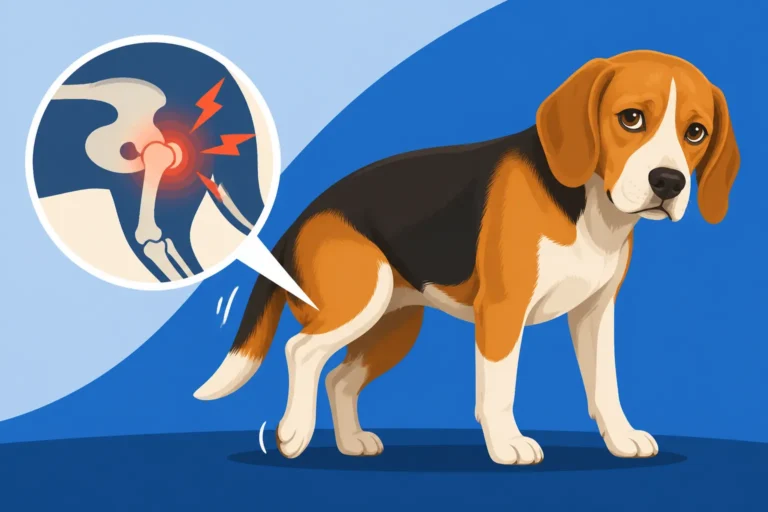
For instance, that keen nose, once a boundless source of joy and mischief, might become less insistent. Where they used to drag you enthusiastically down the street after a compelling scent, now they might just sniff a bit, then give up sooner. Stiffness in their gait, especially after resting, can be a major indicator of arthritis or other joint pain, which is common in older dogs. Maybe they hesitate before jumping onto the couch – a spot they once claimed without a second thought. Sometimes, the most telling signs are simply a reduction in their overall engagement with the world around them. They might sleep more soundly, but also sleep more often, or seem less interested in games or even food that once brought them pure delight. It’s a slow fade, almost imperceptible day by day, but over weeks or months, the changes become undeniable. Understanding Senior Beagle Care After the Age of Ten is crucial during this phase, as it helps you pinpoint what's normal aging versus what requires veterinary attention.
Navigating the Emotional Rollercoaster of Anticipatory Grief
The period leading up to saying goodbye is often filled with a unique and profoundly difficult type of grief called anticipatory grief. This isn't just sadness; it's a complex mix of emotions that can include anxiety, dread, guilt, and profound sorrow, all experienced before your Beagle has even left your side. You might find yourself watching them sleep, tears welling up, knowing that each day could be one of their last truly good days. Every stiff step, every missed treat, every moment of confusion can feel like a punch to the gut.
This emotional rollercoaster can be incredibly isolating, as not everyone understands the depth of the bond you share with your pet. You might second-guess every decision, wondering if you're doing enough, if you're being selfish, or if you're missing something crucial. The weight of knowing that you might eventually have to make the decision to end their suffering is an immense burden. It’s okay to feel overwhelmed and heartbroken. These feelings are a testament to the deep love you have for your Beagle, and acknowledging them is the first step toward processing this challenging time. Many pet parents find themselves wishing for their dog to simply pass peacefully in their sleep, which, while a gentle exit, also means they are spared the burden of having to make that final, difficult choice.
Assessing Quality of Life: A Compassionate Approach
Deciding when it’s truly "time" is arguably the hardest decision any pet parent will ever face. There's no magic formula, no clear line in the sand, and every Beagle's journey through old age is unique. This is where a compassionate, yet realistic, assessment of their quality of life becomes paramount. It’s about shifting focus from prolonging life at all costs to ensuring comfort and dignity in their final chapter.
Objective Measures Versus Intuition
While your intuition about your Beagle’s well-being is incredibly powerful – after all, you know them better than anyone – having some objective measures can provide much-needed clarity during such an emotional time. One widely recognized tool is the HHHHHMM scale, which helps evaluate different aspects of a dog's daily life:
- Hurt: Is their pain adequately controlled with medication? Are they panting excessively, restless, or vocalizing?
- Hunger: Are they eating enough? Do they show interest in food, or do you have to coax them constantly?
- Hydration: Are they drinking enough water? Are their gums moist? (Dehydration can quickly make a senior Beagle feel awful).
- Hygiene: Can they keep themselves clean? Are they having accidents, or struggling to stand for elimination?
- Happiness: Do they still enjoy things? Do they wag their tail, seek attention, or show interest in their surroundings?
- Mobility: Can they get up and move around without extreme difficulty or pain? Can they still go outside to relieve themselves?
- More Good Days Than Bad: This is often the most crucial indicator. Are the majority of their days filled with some enjoyment, or are the bad days starting to outweigh the good ones significantly?
You might find that your Beagle is still interested in food, but struggles immensely with mobility, or that their happiness is waning even if their pain is managed. It's a balancing act. For further guidance on this, our article on Judging Quality of Life in a Beagle's Last Year offers a more in-depth look at these considerations. Remember, while these scales are helpful, they are just tools. Your loving observation and deep understanding of your specific Beagle's personality should always weigh heavily in this assessment.
Here's a simplified table to help you monitor your Beagle's quality of life:
| Quality of Life Indicator | Good Score (1-2) | Moderate Score (3-4) | Poor Score (5-6) |
|---|---|---|---|
| Pain Level | Minimal, well-controlled with medication | Manageable with meds, but some discomfort evident | Constant pain, difficult to control |
| Appetite | Eats enthusiastically | Picky, needs coaxing, some skipped meals | Refuses most food, severe weight loss |
| Hydration | Drinks regularly, moist gums | Needs encouragement to drink, slightly sticky gums | Dehydrated, dry gums |
| Hygiene | Clean, no accidents | Occasional accidents, some self-soiling | Frequent accidents, unable to keep clean |
| Happiness/Engagement | Shows interest, interacts, wags tail | Less interested, occasional engagement | Withdrawn, no interest in surroundings |
| Mobility | Walks well, moves with some effort | Struggles to stand/walk, frequent falling | Unable to stand or walk, persistent weakness |
| Good Days vs. Bad Days | Mostly good days, some minor off days | Equal number of good and bad days | More bad days than good days, declining rapidly |
| Overall Score | 7-14 (Still good) | 15-22 (Needs close monitoring, potential decline) | 23-36 (Poor quality of life, vet consultation needed) |
Scoring: Assign a score of 1 (excellent) to 6 (very poor) for each category. Lower total score is better.
Consulting Your Veterinarian for Guidance
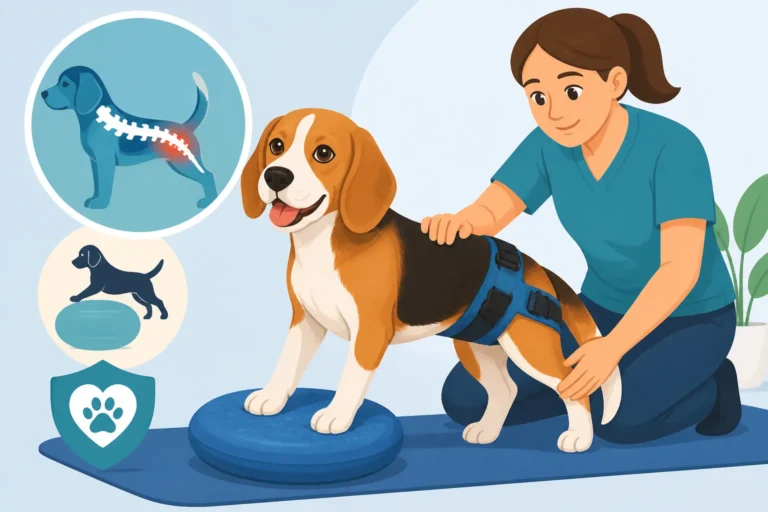
Your veterinarian is an invaluable partner during this tender period. They bring an objective, medical perspective that can be incredibly grounding when your emotions are running high. Don't hesitate to schedule an appointment specifically to discuss your Beagle's declining quality of life. This isn't just a regular check-up; it's a crucial conversation about their comfort, your observations, and the options available. The vet can help you understand the progression of conditions like Beagle Cancer Risks That Rise With Age, Beagle Arthritis Arriving in Middle Age, or Beagle Heart Disease and Murmurs, and what symptoms mean for their comfort.
During these discussions, your vet can assess your Beagle's physical health, often identifying underlying issues that might be contributing to their discomfort. They might suggest adjustments to medication, explore palliative care options to manage pain and improve comfort, or discuss what to expect as certain conditions advance. Sometimes, a vet will candidly tell you when medical interventions are no longer genuinely improving your Beagle's quality of life, but merely extending their suffering. This objective perspective, combined with your intimate knowledge of your Beagle, forms the most compassionate decision-making framework. Many pet parents find comfort in knowing their vet supports their decision, whatever it may be. It’s also wise to consider how pet insurance, like a plan from Healthy Paws, might have eased the financial burden of extensive palliative care leading up to this point, allowing you to focus on comfort rather than cost. Knowing you have resources for Beagle Vet Visit Frequency After the Age of Ten and advanced diagnostics can offer peace of mind.
Making the Difficult Decision: When "It's Time" Becomes Clear
There comes a point, after countless sleepless nights, endless worry, and every possible intervention, when the answer to "is it time?" becomes tragically clear. This moment is utterly devastating, but it is also one of the most profound acts of love you can offer your Beagle: releasing them from suffering.
Understanding the Process of Euthanasia
Making the decision for euthanasia is a choice born of deep compassion, designed to provide a peaceful, pain-free end when their quality of life has diminished beyond repair. It’s an act of grace that allows your Beagle to transition surrounded by love and warmth, rather than enduring prolonged distress. Many veterinary clinics now offer at-home euthanasia services, which can be an immense comfort for both you and your Beagle. Being in their familiar environment, perhaps on their favorite bed or in your arms, can make the experience much less stressful for them.
The process itself is typically very gentle. First, the veterinarian may administer a sedative to help your Beagle relax and fall into a deep sleep, easing any anxiety or discomfort. Once they are calm and unconscious, a second injection, an overdose of an anesthetic, is given. This medication quickly and painlessly stops their heart and breathing. It's often likened to falling into a deeper sleep. Your vet will explain everything beforehand, answer any questions, and give you as much time as you need with your Beagle before and after. It's perfectly normal to feel a mix of sorrow, relief, and profound grief during this time. Understanding Beagle Euthanasia and Aftercare Costs beforehand can help remove financial stress from this emotional moment.
The Importance of Support Systems
The grief you experience after losing your Beagle is real, intense, and valid. Do not let anyone minimize your feelings. You have lost a family member, a constant companion, and a source of unconditional love. Lean on your support systems – your family, friends who understand, and even online communities or pet loss support groups. Talking about your feelings, sharing memories, and crying openly can be incredibly therapeutic. Many find solace in reflecting on the journey, from their Beagle puppy nipping to their golden years filled with Cognitive Decline in a Senior Beagle.
It’s common to feel immense guilt, wondering if you waited too long, or if you made the decision too soon. These "what ifs" are a natural part of grief. Remind yourself that you made the most loving decision you could, with all the information you had, guided by your vet and your heart. Allow yourself space to mourn. There is no timeline for grief, and healing is a process, not a destination. Don’t be afraid to reach out for professional help if you find yourself struggling excessively. Resources for pet bereavement are more widely available now than ever, reflecting the understanding that losing a pet is a significant life event. Even something as practical as having financial flexibility, potentially aided by a robust pet insurance policy like Healthy Paws, can indirectly contribute to peace of mind, allowing you to focus on your emotional well-being without additional financial strain during this tough time.
Honoring Their Memory and Coping with Grief
The physical absence of your Beagle leaves a void that feels enormous, but their spirit and the memories you shared will forever be a part of you. Finding ways to honor their memory can be a crucial step in the healing process, allowing you to channel your grief into acts of love and remembrance.
Memorializing Your Beloved Companion
Creating tangible reminders of your Beagle can provide comfort and a sense of connection during your grief. Many people choose to have their Beagle’s paw print cast in clay or ink, or a lock of their fur kept in a special locket. Creating a photo album or a digital slideshow of your favorite moments can be a beautiful way to revisit happy memories. Some families choose to have a custom portrait painted or a piece of jewelry made that incorporates their Beagle’s name or image.
When it comes to their physical remains, you have several options. Cremation is a common choice, allowing you to keep their ashes in an urn or scatter them in a meaningful place. Many pet crematories offer communal or individual cremation, with individual cremation allowing you to receive your pet's ashes back. Another option is burial, either in a pet cemetery or on your own property, if local regulations allow. If burying at home, consider planting a tree or a special perennial flower over their grave as a living memorial. Donating to a Beagle rescue organization or a local shelter in your Beagle’s name can also be a wonderful way to honor their legacy, helping other dogs find the love and care that your Beagle received. This act of giving back can transform some of your sorrow into purpose and hope.
Allowing Yourself to Grieve and Heal
Grief is a deeply personal journey, and there's no right or wrong way to experience it. Some days you might feel a profound emptiness, while others you might find yourself smiling at a silly memory. Both are normal. The empty leash hanging by the door, the silent feeding time, the absence of their familiar sniffing around the house – these everyday reminders can hit hard. It's important to allow yourself to feel these emotions without judgment. Don't let anyone tell you to "just get another pet" or that "it was just a dog." Your bond was unique and powerful.
Give yourself permission to cry, to talk about your Beagle endlessly, and to mourn their loss. Self-care is paramount during this time: ensure you're eating, getting some rest, and perhaps even going for walks in places you and your Beagle used to enjoy, allowing yourself to feel their presence in the memories. Over time, the sharp edges of grief will soften, and the overwhelming sadness will make more room for cherished memories. You may find that reflecting on The Lifetime Cost of a Beagle Living Fifteen Years gives you a deeper appreciation for the journey you shared. The love you shared with your Beagle is a gift that will continue to enrich your life, even in their physical absence.
Disclaimer
Please remember that the information provided in this article is intended for general guidance and informational purposes only, and does not constitute veterinary advice. Always consult with a qualified veterinarian for any health concerns or before making any decisions about your Beagle's care.