Musladin-Lueke Syndrome and the Tip-Toe Gait
It can be incredibly disheartening, and sometimes outright confusing, when your lively Beagle puppy starts showing signs of a physical anomaly that doesn't quite seem right. One such puzzling presentation, often first noticed as an unusual way of moving, is the distinctive "tip-toe gait" that can signal Musladin-Lueke Syndrome (MLS). This guide will help you understand what MLS is, how it manifests, and what steps you can take to support your beloved companion.
Understanding Musladin-Lueke Syndrome in Beagles
Musladin-Lueke Syndrome, often simply called MLS, is a genetic disorder unique to Beagles that affects the development of connective tissue throughout the body. Imagine the scaffolding that holds everything together – muscles, joints, skin, and even some internal organs. In Beagles with MLS, this scaffolding isn't quite built right, leading to a host of physical changes that can impact their comfort and mobility. It's not something a Beagle "catches" or that develops due to poor nutrition; it's written into their very DNA.
The initial confusion for many owners comes from the subtle nature of its onset. It's not always immediately obvious, and can sometimes be mistaken for an injury or even just an awkward puppy phase. But as the dog grows, the characteristic signs, like that distinctive tip-toe walk, become more pronounced, making it clear that something deeper is at play. Early identification can pave the way for a better understanding and management strategy for your Beagle's unique needs.
What Exactly Is MLS?
At its core, MLS is caused by a specific genetic mutation in the ADAMTSL2 gene. This gene is responsible for producing a protein that plays a crucial role in the formation and organization of connective tissues. When this gene is mutated, the protein isn't made correctly, leading to abnormalities in the extracellular matrix – essentially the "glue" and "filler" that supports cells and provides structure to organs and tissues. Think of it like a house where the mortar between the bricks isn't strong enough, or the beams aren't quite straight; it impacts the entire structure.
These connective tissue abnormalities don't just affect one part of the body; they can have widespread effects. This explains why MLS-affected Beagles often present with a range of symptoms, not just the changes in their gait. It's a systemic issue that impacts everything from their skin to their skeletal structure. Learning about Musladin-Lueke Syndrome and the Beagle DNA Test is the first step for many concerned owners, as it provides a definitive answer to their questions.
The Genetic Inheritance of MLS
MLS is an autosomal recessive inherited disorder. This means a Beagle must inherit two copies of the mutated gene – one from each parent – to actually develop the condition. If a Beagle inherits only one copy of the mutated gene and one normal copy, it won't show symptoms of MLS itself. Instead, it will be a "carrier" of the gene, meaning it can pass that mutated copy on to its offspring. This is a critical point for breeders, as it means even seemingly healthy parents can produce affected puppies if both happen to be carriers.
The implications for breeding are significant. Responsible breeders will typically test their breeding stock to determine if they are clear, carriers, or affected. You can read more about how Musladin-Lueke Syndrome passes through Beagle lines, but the general principle is that two carriers have a 25% chance of producing an affected puppy, a 50% chance of producing a carrier, and a 25% chance of producing a clear puppy with each litter. This is why testing is so important for the long-term health of the breed, helping to prevent future cases.
The Distinctive Tip-Toe Gait of MLS-Affected Beagles
The "tip-toe gait" is one of the most recognizable and striking signs of Musladin-Lueke Syndrome. It's often the first thing an owner or a veterinarian notices that prompts further investigation into the puppy's health. This isn't just a quirky way of walking; it's a direct result of the underlying connective tissue abnormalities affecting the bones, joints, and tendons in their feet and legs.
Imagine trying to walk across a room as if the floor were burning hot, always trying to lift your feet quickly and avoid putting your full weight down. That's a bit what it can look like, though the Beagle's motivation is structural, not sensory. It's a symptom that can become more pronounced as the puppy grows and puts more weight on its developing limbs.
Describing the Gait and Its Development
The tip-toe gait, also sometimes described as a "dancing" or "bunny hopping" gait, typically emerges in Beagle puppies as they grow, usually becoming noticeable around 2-4 months of age, though it can sometimes be seen earlier or later. Affected puppies will often walk with their carpal joints (wrists) and hock joints (ankles) appearing stiff and flexed, leading them to bear weight on the tips of their toes rather than the full paw pad. Their hind legs might appear overly flexed or straightened, and their strides can be shorter and choppy.
This peculiar way of moving is due to shortened tendons and ligaments, combined with sometimes misshapen bones in the paws and lower limbs. It's not usually painful in itself for the dog, but it can limit their flexibility and range of motion. Over time, this abnormal gait can also lead to secondary issues, such as uneven wear on their paw pads or nails, and potentially put additional stress on other joints. If you're observing these signs, exploring more about Musladin-Lueke Syndrome Signs in a Beagle Puppy could offer further insights into what to look for.
Other Physical Manifestations of MLS
While the tip-toe gait is a hallmark, MLS doesn't stop there. Because it's a connective tissue disorder, it can impact various other parts of the Beagle's body, leading to a unique constellation of symptoms. Owners often report other distinctive features that, when combined with the gait, paint a clearer picture of MLS. These can range from subtle changes in appearance to more impactful skeletal issues.
For example, many Beagles with MLS exhibit abnormally thick and taut skin, particularly around the head and neck. This can make their faces appear a bit pulled or tight, and their ears might seem to sit differently. Their skin often feels less pliable than a typical Beagle's, almost rubbery or dense to the touch. Another common sign involves changes in facial structure, often described as having "slanted eyes" or a broader skull. Delving into the details of The Thick Taut Skin of a Beagle With MLS can provide a deeper understanding of these specific symptoms and how they contribute to the overall presentation of the syndrome. Additionally, understanding The Skull Shape and Slanted Eyes MLS Produces helps owners recognize the unique facial characteristics associated with the condition.
Here's a quick overview of common MLS symptoms:
| Symptom | Description | Typical Onset | Impact on Dog's Life |
|---|---|---|---|
| Tip-Toe Gait | Stiff, flexed wrist/ankle joints, weight on toe tips; often described as "dancing" or "bunny hopping." | 2-4 months of age | Reduced flexibility, abnormal stride, potential secondary paw issues. |
| Thick, Taut Skin | Skin, especially on head/neck, feels dense or rubbery; less pliable than normal. | Puppyhood | Can lead to a "pulled" facial appearance. |
| Slanted Eyes/Skull Shape | Eyes may appear slanted, skull can seem broader or flatter due to connective tissue changes. | Puppyhood | Cosmetic, rarely impacts vision. |
| Shortened Outer Toes | Can be present on all four paws, contributing to the abnormal gait. | Present at birth/early | Contributes to walking discomfort, uneven paw wear. |
| Widened Vertebrae | Bones of the spine may be abnormally broad, potentially affecting spinal flexibility. | Develops with growth | Usually asymptomatic, but theoretical impact on mobility. |
| Heart Murmurs | Connective tissue can affect heart valves, leading to murmurs; not always clinically significant. | Can be present at birth | Requires monitoring; some may need medication or management for heart health. |
| Internal Organ Anomalies | Less common but can include kidney or gastrointestinal issues due to connective tissue effects on these organs. | Variable | Can range from mild to severe, impacting overall health and lifespan. |
While some of these symptoms are primarily cosmetic, others, like potential heart murmurs or issues with internal organs, can require more direct veterinary attention. Most affected Beagles, however, can live relatively normal, happy lives with appropriate care and monitoring.
Diagnosing and Managing MLS in Your Beagle
Receiving a diagnosis of Musladin-Lueke Syndrome can be overwhelming, but it's important to remember that it's not a death sentence for your Beagle. With a clear diagnosis, you and your vet can work together to manage the condition and ensure your dog has the best possible quality of life. The key to effective management often lies in early and accurate identification.
Pet insurance providers like Healthy Paws often cover genetic conditions if the policy is in place before diagnosis, so understanding your options early on can be beneficial for managing potential veterinary costs over your Beagle's lifespan. While MLS isn't typically associated with severe pain, the potential for secondary issues makes ongoing veterinary care a wise investment.
Genetic Testing for MLS Confirmation
The definitive way to diagnose MLS is through a simple, non-invasive DNA test. This test can be performed at any age, even on young puppies, using a cheek swab or a blood sample. The test screens for the specific genetic mutation responsible for MLS, giving a clear "Clear," "Carrier," or "Affected" result. This is a critical tool not just for owners, but for responsible breeders who are committed to improving the health of the Beagle breed.
If your Beagle is showing symptoms consistent with MLS, your veterinarian will likely recommend this test to confirm the diagnosis. Knowing for sure allows for tailored care plans and can alleviate the anxiety of not knowing the cause of your dog's unique presentation. In fact, The MLS DNA Test Required for Beagle CHIC is a vital part of comprehensive health screening for breeding Beagles, aiming to reduce the incidence of this condition. For those looking to get a new puppy, always ask a breeder about their Beagle Health Testing Under CHIC results.
Living with an MLS-Affected Beagle
Once diagnosed, the focus shifts to ensuring your MLS-affected Beagle lives a comfortable and fulfilling life. The good news is that most Beagles with MLS do not suffer from significant pain or a shortened lifespan directly due to the syndrome. Many individuals live to a ripe old age, enjoying their lives just like any other Beagle, albeit with a few unique considerations. You might find that Beagle Lifespan and the Twelve to Fifteen Year Range is still very much in reach for your companion.
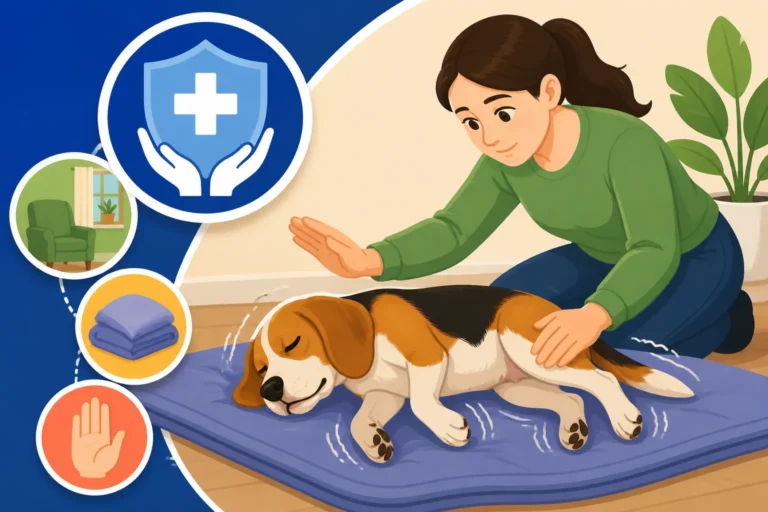
Management primarily involves supportive care. This could mean soft bedding to prevent pressure sores, ensuring easy access to food and water bowls, and perhaps special considerations during exercise to prevent undue strain on their joints. While the tip-toe gait will likely remain, regular, moderate exercise that avoids high-impact activities can help maintain muscle tone and joint flexibility without causing excessive stress. If your Beagle's condition leads to difficulties, Healthy Paws, or similar insurance plans, can help with physical therapy or specialized vet visits. As your Beagle ages, the principles of Senior Beagle Care After the Age of Ten will become even more important, emphasizing comfort and mobility. What an MLS Carrier Result Means for a Beagle is also a key piece of information for responsible ownership, especially if you have other Beagles or are considering breeding.
In rare cases, if the connective tissue issues manifest in the heart or other organs, ongoing veterinary monitoring and potentially medication may be necessary. For instance, if a heart murmur becomes clinically significant, your vet might prescribe medication to support heart function. However, for many MLS Beagles, the primary impact is on their mobility and appearance, requiring little more than a watchful eye and a loving, accommodating home environment.
Disclaimer
This article is for general informational purposes only and does not constitute professional advice. Laws, prices and regulations vary by location and change over time. Consult a qualified professional for guidance on your specific situation.