How Extra Weight Raises Beagle Disc Pressure
It’s a scenario many Beagle owners know all too well: your once energetic, curious hound seems a little off. Maybe they're hesitant to jump on the couch, or they’re moving a bit stiffly after a nap. While a multitude of issues can cause discomfort, one of the most insidious culprits, often overlooked until it’s too late, is the extra weight our Beagles carry. That delightful roundness we sometimes affectionately call "chubby" isn't just a cosmetic concern; it's a direct threat to their delicate spinal health, increasing disc pressure and paving the way for serious, painful problems. This guide will unpack the undeniable link between a Beagle's weight and their spinal well-being, helping you understand the risks and take proactive steps to protect your beloved companion.
The Beagle's Unique Spinal Vulnerability
Our Beagles are charismatic, merry little hounds, but beneath that cheerful exterior lies an anatomical predisposition that makes them particularly vulnerable to certain health issues, especially those concerning their spine. It’s not just about a little extra padding; it’s about how their very structure interacts with added pounds.
Understanding Intervertebral Disc Disease in Beagles
Intervertebral Disc Disease (IVDD) is a condition where the cushions (discs) between the vertebrae of the spinal column either bulge or rupture into the spinal cord space. Imagine these discs as tiny shock absorbers that allow for movement and flexibility in the spine. When they start to degrade or become damaged, they can press on the spinal cord, leading to pain, nerve damage, and in severe cases, paralysis.
Beagles are a chondrodystrophic breed, which means they are genetically predisposed to conditions like IVDD. Other breeds like Dachshunds and Corgis share this same genetic trait. This means their discs degenerate prematurely, becoming calcified and less able to absorb shock, making them more susceptible to injury even from everyday movements. We talk a lot more about this specific challenge in our article on Beagle Back Problems and Intervertebral Disc Disease. It’s not a matter of if the discs will age, but how quickly and how severely they will deteriorate, and excess weight significantly accelerates this process. This predisposition means that what might be a minor strain for another breed can become a major disc emergency for a Beagle. The discs are simply not as resilient, and any additional stress placed upon them has amplified consequences.
Why a Beagle's Anatomy Makes Them Prone
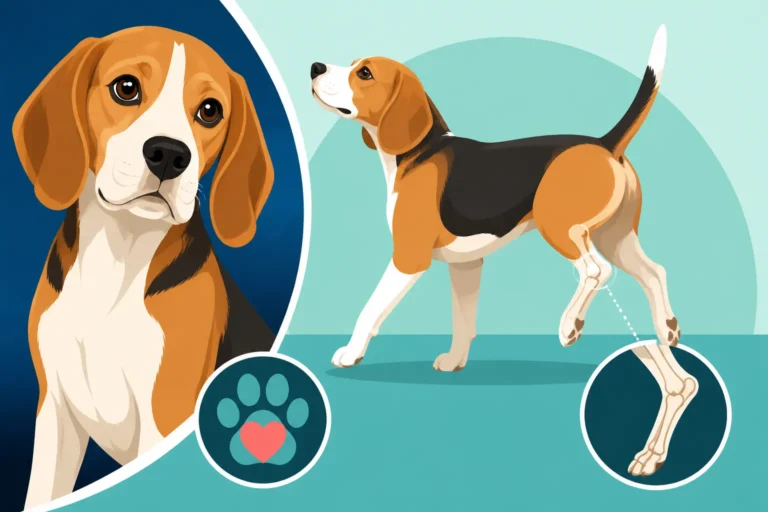
Beyond the chondrodystrophic trait, a Beagle's physical build contributes to their spinal vulnerability. While they may not have the extreme long back of a Dachshund, they do possess a relatively long body in proportion to their legs, especially the 15-inch variety, which can give them what we often refer to as a "slightly long back" – a characteristic we explore further in Why a Beagle Back Is Longer Than It Looks. This length, combined with their active, low-to-the-ground lifestyle of sniffing and exploring, puts considerable stress on their lumbar and cervical spine. Every twist, jump, and sudden stop translates into force applied to those intervertebral discs.
When you add extra weight to this equation, it's like putting a heavier load on an already compromised suspension system. The muscles supporting the spine have to work harder, the ligaments stretch further, and the discs themselves are compressed more intensely than they are designed to handle. This constant, undue pressure leads to micro-trauma, accelerating the degenerative changes inherent in the breed. It’s a vicious cycle where slight changes in movement due to pain can lead to further compensatory strain on other parts of the spine, escalating the problem. Furthermore, excess weight often goes hand-in-hand with reduced muscle tone and strength, particularly in the core, which is crucial for stabilizing the spine. A weaker core means the spine bears even more of the burden, increasing the risk of disc injury.
How Extra Weight Exacerbates Disc Pressure
It might seem intuitive that more weight means more strain, but let's dive into the specifics of how those extra pounds are genuinely detrimental to a Beagle's back, turning a mild predisposition into a painful reality.
The Mechanics of Increased Load on the Spine
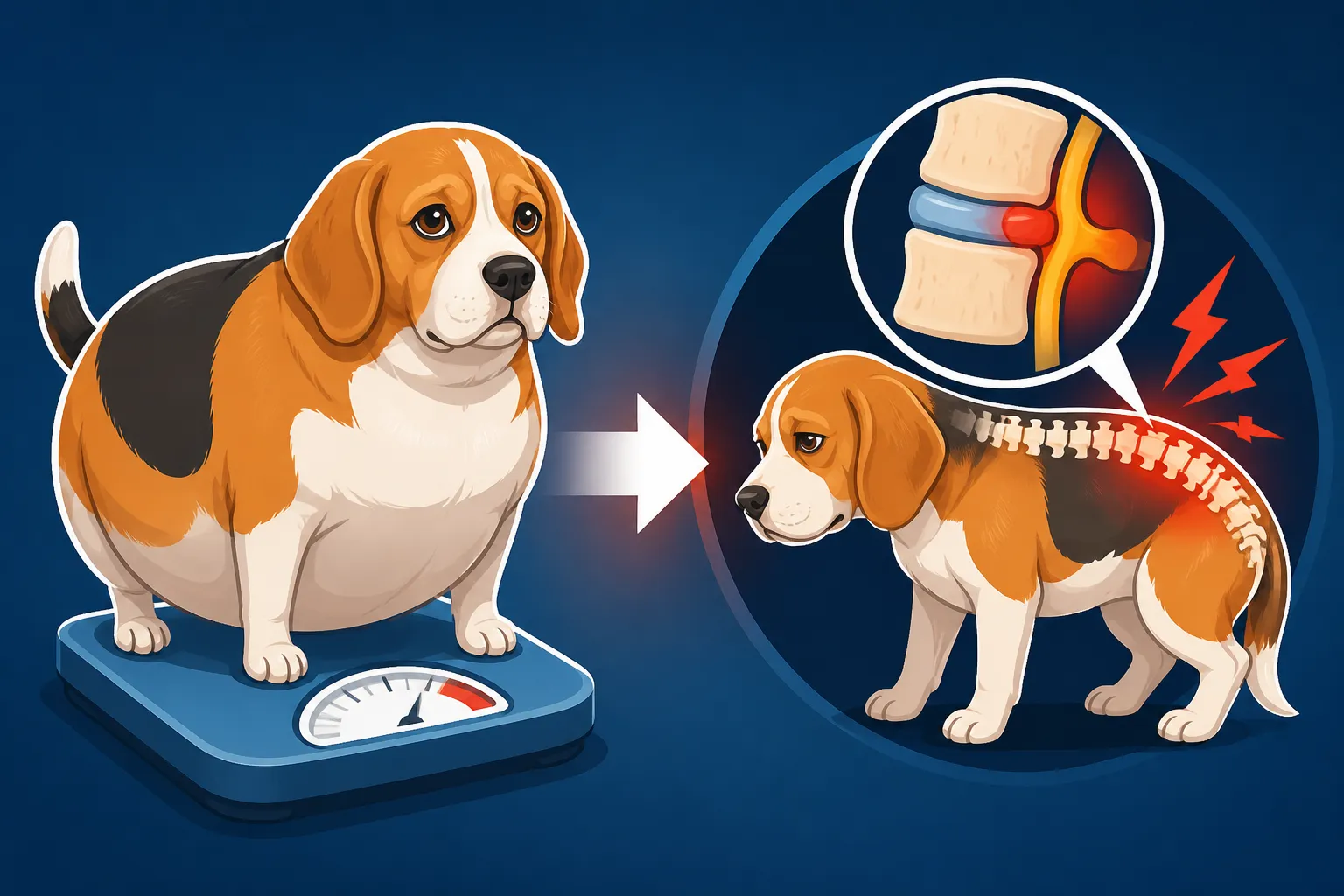
Think of your Beagle's spine as a stack of building blocks, with the intervertebral discs as the mortar between them. Each disc is designed to bear a certain amount of compression and torsion. When your Beagle carries extra weight, every step, every jump, every movement forces those discs to absorb more impact than they were built for. This constant, excessive compression literally squeezes the discs, pushing their gelatinous centers (nucleus pulposus) against their outer fibrous rings (annulus fibrosus). Over time, this pressure weakens the outer ring, making it far more likely to bulge or rupture.
Imagine a small, perfectly sized backpack on a child. They can carry it comfortably. Now imagine that child trying to carry a backpack designed for an adult, filled to the brim. The strain on their small frame would be immense. That's essentially what happens to a Beagle's spine when it's carrying five, ten, or even fifteen extra pounds. This added burden isn't just static; it's dynamic. When a Beagle runs, jumps, or even just shifts its weight, the forces on the spine multiply. This is precisely How Beagle Weight Presses on the Spine, making it a critical factor in their overall health and longevity. It makes perfect sense that something like a minor misstep that a lean Beagle might shrug off could be the tipping point for a chunky Beagle experiencing a painful disc herniation.
Inflammation and Reduced Mobility
Beyond the direct mechanical stress, excess weight contributes to systemic inflammation throughout a Beagle’s body. Fat tissue isn't just inert storage; it's metabolically active, releasing inflammatory compounds that can exacerbate conditions like arthritis and disc degeneration. This low-grade, chronic inflammation can make existing disc issues more painful and accelerate the breakdown of healthy tissues surrounding the spine. So, not only are the discs being physically compressed, but they're also operating in an inflammatory environment, further compromising their integrity and healing capacity. This connection makes it clear why Beagle Obesity Treated as a Health Problem is so important – it’s not just about aesthetics, but about fundamental biological processes.
Furthermore, an overweight Beagle's overall mobility is often reduced. They become less agile, their muscles might be weaker, and their range of motion in their joints and spine can decrease. This can lead to compensatory movements where they shift their weight or move awkwardly to avoid discomfort, placing uneven stress on other parts of the spine or joints. A Beagle carrying extra weight might also be less inclined to engage in regular exercise, which is crucial for maintaining strong core muscles that support the spine. It's a cruel paradox: the weight makes them less able to exercise, which then makes the weight problem worse, creating a downward spiral for their spinal health. This can also contribute to other joint problems like Beagle Hip Dysplasia and Everyday Joint Wear, making mobility even more challenging.
Recognizing the Signs and Taking Action
Identifying subtle changes in your Beagle's behavior can be the key to early intervention and preventing more severe spinal damage. It’s about being a keen observer and understanding that Beagles, like all dogs, are masters at hiding pain.
Subtle Clues Your Beagle Is in Pain
Beagles are tough and stoic, especially when it comes to discomfort. They don't often cry out or limp dramatically until a problem is quite advanced. Instead, you need to look for more subtle indicators that they're experiencing back pain or disc pressure. These can include:
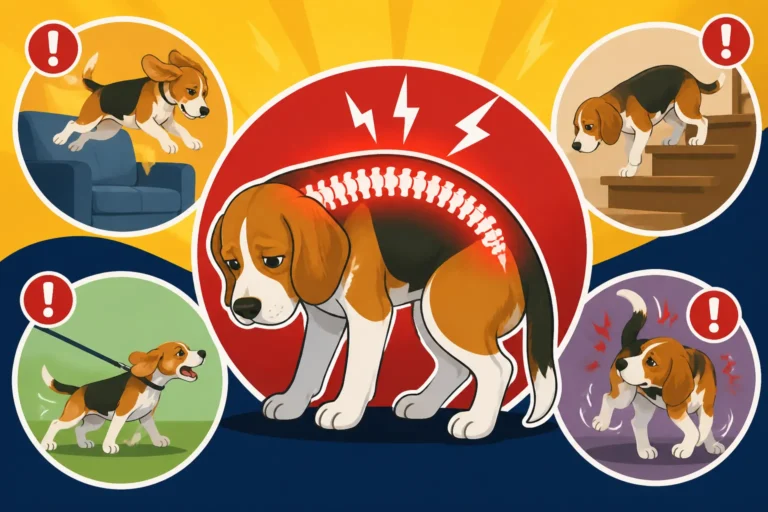
- Reluctance to jump: Perhaps they used to leap onto the couch or bed with ease, but now they hesitate, ask for help, or avoid it altogether. This is a classic sign, as highlighted in "A Beagle That Suddenly Will Not Jump on the Couch" and is often one of the first things owners notice.
- Changes in posture: A hunched back, a lowered head, or a stiff gait can all signal spinal discomfort. They might walk as if they're "walking on eggshells."
- Vocalization: While not always dramatic, you might hear a small yelp or grunt when they're picked up, or when they stretch in a certain way.
- Behavioral changes: A normally outgoing Beagle might become withdrawn, less playful, or even irritable due to chronic pain. They might seek solitude or snap if touched in a sensitive area.
- Loss of appetite or reluctance to eat from a bowl on the floor: Bending down to eat can be painful, so they might eat less or only when you hold the bowl up.
- Incontinence or difficulty urinating/defecating: In more severe cases, disc compression can affect nerve function to the bladder and bowels.
- Weakness or dragging of limbs: This is a more advanced sign and indicates significant nerve involvement.
Catching these Early Beagle Disc Signs Long Before Paralysis is crucial. If you notice any of these signs, don't wait. A visit to your veterinarian is imperative to get a diagnosis and start a treatment plan. Ignoring these subtle cues can lead to much more severe, irreversible damage.
Practical Steps for Weight Management and Spinal Support
Once you suspect an issue, or even preventatively, there are many practical steps you can take to manage your Beagle's weight and support their spine.
First and foremost is weight management. This is the single most impactful thing you can do. Work with your vet to determine your Beagle's ideal weight and create a realistic plan to get them there. This will involve carefully monitoring food intake. You can learn more about specific dietary needs in "The Daily Calorie Target for a Twenty Pound Beagle". Remember, even a small reduction in weight can make a huge difference in spinal pressure.
Next, consider environmental modifications to reduce strain on their back. Install Ramps and Steps That Protect a Beagle Spine for accessing furniture or vehicles. This eliminates the need for jarring jumps. Ensure they have a comfortable, orthopedic bed that supports their body and spine, rather than sagging. Avoid activities that involve excessive jumping, twisting, or rough play, especially if they are already showing signs of discomfort.
When it comes to walking, a well-fitting harness that distributes pressure across their chest rather than their neck is essential, particularly if your Beagle tends to pull. This prevents undue strain on their cervical spine. Regular, controlled exercise, like leash walks on varied terrain, helps build and maintain strong core muscles without excessive impact. This proactive approach can help prevent a painful episode that could require extensive vet care. Should such an event occur, having a robust pet insurance plan like those offered by Healthy Paws can provide significant financial relief, ensuring your Beagle gets the best possible treatment without you having to worry about exorbitant costs.
Building a Healthy Lifestyle for Long-Term Spinal Health
A healthy Beagle is a happy Beagle, and establishing routines that prioritize their weight and spinal health from an early age can save them a lot of pain and you a lot of worry (and vet bills!) down the line.
Tailoring Diet and Exercise for a Beagle's Needs
Beagles are notoriously food-motivated, and their deep desire to eat everything in sight is a huge factor in their propensity for weight gain. This means owners must be incredibly diligent about portion control and managing treats. Free-feeding is a recipe for an overweight Beagle. Instead, measure out their meals precisely, dividing their daily caloric intake into two or three smaller meals. Incorporate low-calorie, healthy treats (like small pieces of carrot or green bean) for training, and use puzzle feeders to slow down eating and provide mental enrichment.
Exercise is equally vital, but it needs to be the right kind of exercise. While Beagles love to run, high-impact activities might need to be moderated, especially if they are already overweight or showing signs of disc degeneration. Regular, moderate walks, scent work, and swimming (if your Beagle enjoys it and has good water safety) are excellent ways to build muscle and burn calories without excessive spinal stress. Remember, even older Beagles benefit from appropriate exercise; for example, Exercise That Actually Burns Beagle Calories can still be gentle. Consult your vet to create an exercise plan tailored to your Beagle's age, weight, and current health status.
It’s about finding that delicate balance between satisfying their natural Beagle instincts (like sniffing everything!) and ensuring their physical well-being. Keeping a food diary and an exercise log can be incredibly helpful in tracking progress and making necessary adjustments.
Proactive Care and Veterinary Partnerships
Developing a strong relationship with your veterinarian is paramount for your Beagle’s spinal health. Regular check-ups allow your vet to monitor your Beagle’s weight and body condition score. They can catch subtle changes in gait or posture that you might miss and offer expert advice on diet and exercise adjustments. Don’t hesitate to ask your vet about a body condition chart so you can accurately assess your Beagle's physique at home.
Beyond routine care, consider annual or bi-annual wellness exams to keep an eye on their musculoskeletal system. If your Beagle is prone to disc issues or is getting older, your vet might recommend supplements like glucosamine and chondroitin, or omega-3 fatty acids, to support joint health, especially as Beagle Arthritis Arriving in Middle Age becomes a real concern. These proactive measures can help maintain the integrity of their discs and joints for as long as possible. If a disc injury does occur, or even if your Beagle is recovering from a back problem, your vet might suggest Beagle Physical Therapy After a Back Injury to help rebuild strength and mobility.
A strong partnership with your vet also means discussing pet insurance options. While pet insurance can't prevent issues, having a plan from a provider like Healthy Paws in place before any major issues arise can be a lifesaver. It means you can make decisions about expensive diagnostics or treatments, like MRI scans or surgery for IVDD, based on what’s best for your Beagle, rather than being solely driven by cost. It's an investment in peace of mind, knowing that if your Beagle does face a significant health challenge, you’re financially prepared to provide the best care possible.
Here’s a quick guide to understanding your Beagle's body condition:
| Body Condition Score (BCS) | Description | What You Feel/See | Action Needed |
|---|---|---|---|
| 1: Emaciated | Ribs, lumbar vertebrae, pelvic bones, and all bony prominences evident. | No discernible fat. Obvious loss of muscle mass. | URGENT vet visit. |
| 2: Thin | Ribs easily palpable, visible. Top of lumbar vertebrae visible. | No palpable fat. Minimal waist. | Increase food intake gradually under vet guidance. |
| 3: Ideal | Ribs palpable without excess fat covering. Waist apparent from above. | Abdominal tuck visible. Well-proportioned. | Maintain current diet and exercise. |
| 4: Overweight | Ribs palpable with difficulty; definite fat cover. Waist discernible but not prominent. | Abdominal tuck absent. Rounded appearance. | Slight reduction in food, increase in exercise. Monitor closely. |
| 5: Obese | Ribs not palpable under heavy fat cover. Waist absent. Obvious abdominal distension. | Heavy fat deposits over lumbar area, face, limbs. No abdominal tuck. Labored movement. | Significant diet change and exercise increase, with vet supervision. HIGH RISK. |
Remember, keeping your Beagle at a healthy weight (a BCS of 3) is one of the kindest, most responsible things you can do for them. It significantly reduces the strain on their spine, helps prevent painful disc issues, and contributes immensely to their overall quality of life, allowing them to enjoy many years of happy, active sniffing and companionship by your side.
Disclaimer
The information provided in this article is intended for educational purposes only and should not be considered a substitute for professional veterinary advice. Always consult with a qualified veterinarian for any health concerns or before making any decisions related to your Beagle's care or treatment.