Beagle Skin Allergies and Constant Itching
There’s almost nothing more frustrating for a Beagle parent than watching your beloved companion scratch and lick themselves raw, day in and day out. That relentless itching, the constant pawing at ears, the endless rubbing against furniture – it’s heartbreaking to witness and often leaves you feeling helpless, wondering what on earth is causing your Beagle such distress. This comprehensive guide is here to unravel the mysteries behind your Beagle's persistent skin allergies and constant itching, offering clear insights into identification, diagnosis, and effective management strategies so your furry friend can finally find some relief.
Understanding Beagle Skin Allergies
Beagles, with their thick double coats and floppy ears, are unfortunately quite prone to a variety of skin issues, many of which manifest as intense itchiness. It’s not just an annoyance; chronic itching can lead to secondary infections, hot spots, and generally make your Beagle miserable. Understanding the different types of skin allergies is the first step toward figuring out how to help your scratching Beagle.
Common Types of Allergic Reactions in Beagles
When we talk about allergies in Beagles, we're generally looking at a few main culprits. The body's immune system, in an effort to protect itself, overreacts to something perceived as a threat, even if it's harmless. This overreaction leads to inflammation, which in the skin translates to redness, irritation, and, of course, that maddening itch.
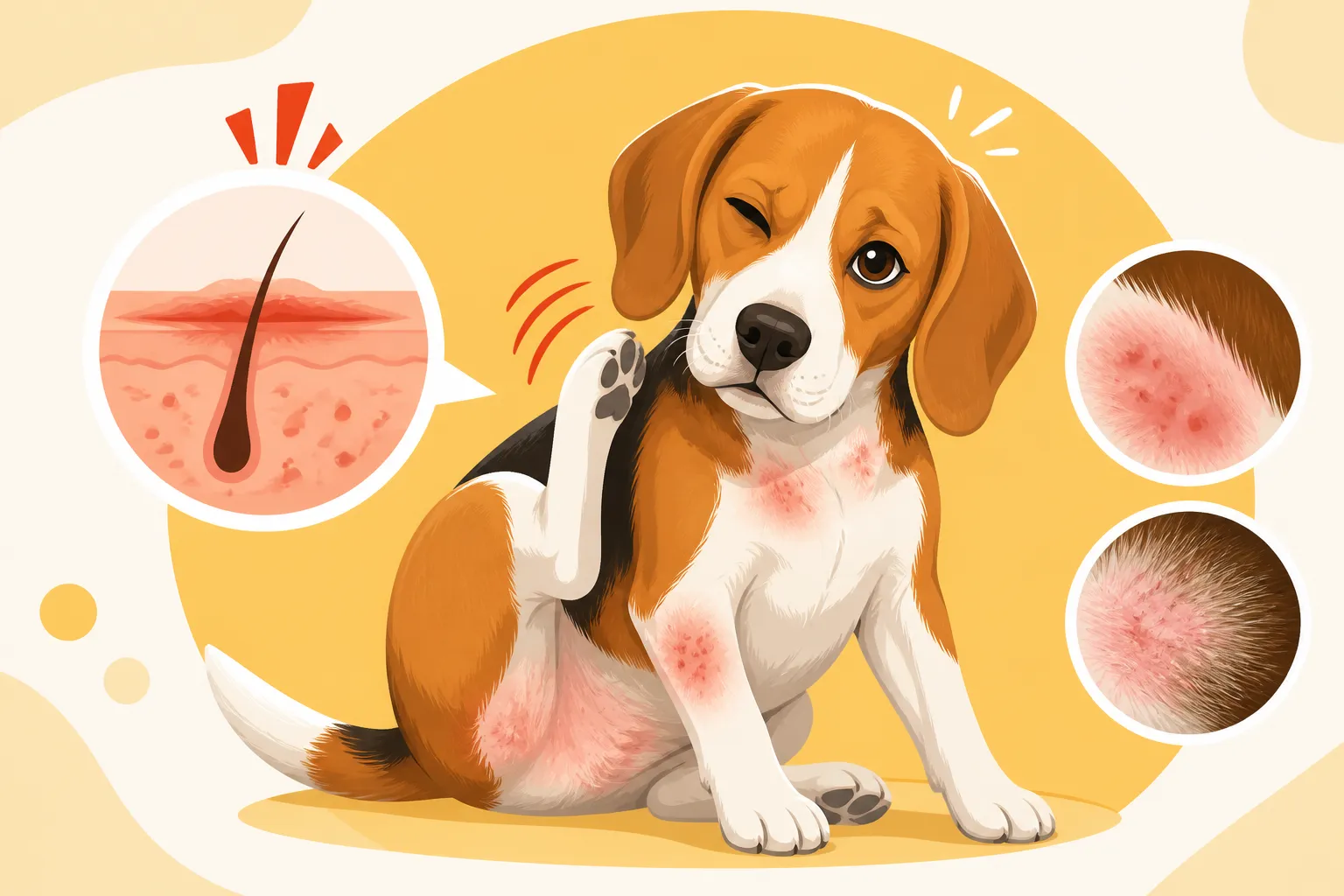
One of the most common types is environmental allergies, also known as atopy or atopic dermatitis. This is often seasonal, much like hay fever in people, but it can also be year-round depending on what your Beagle is sensitive to. Think pollen from trees, grasses, and weeds, dust mites hiding in your carpet and bedding, or even mold spores. Your Beagle might start scratching more intensely in the spring when the trees bloom, or perhaps in late summer when ragweed is rampant. The itching usually isn't localized to one spot; you might see them scratching their ears, licking their paws incessantly, or rubbing their belly and armpits against anything they can find. This constant irritation can quickly break the skin barrier, allowing bacteria and yeast to move in and cause secondary infections, making the problem even worse.
Why Beagles Are Prone to Skin Issues
Beagles seem to have a particular predisposition to developing allergies, and there are a few reasons why. Their genetic makeup plays a significant role; certain lines are more prone to developing atopy or food sensitivities. If your Beagle's parents or grandparents suffered from allergies, there's a higher chance your pup might too.
Beyond genetics, their physical characteristics can also contribute. Those adorable, long, floppy Beagle ears, while part of their charm, create a warm, moist environment that's perfect for yeast and bacteria to thrive when an underlying allergy causes inflammation. This is why "Beagle Ear Infections Under Those Long Ears" often go hand-in-hand with skin allergies. Similarly, their short, dense double coat, while beautiful, can sometimes trap allergens closer to the skin, prolonging exposure and irritation. Their inquisitive, nose-to-the-ground nature also means they're constantly sniffing and encountering potential allergens in grass, dirt, and bushes, bringing them into direct contact with their skin and paws.
Identifying the Culprits Behind the Itch
Pinpointing exactly what your Beagle is allergic to can feel like detective work, and truthfully, it often is. The signs can be subtle at first, maybe just a bit more licking after a walk, but they can quickly escalate to full-blown misery for your pup. It’s crucial to observe patterns and potential exposures to help your vet narrow down the possibilities.
Environmental Allergens and Seasonal Patterns
Environmental allergies are incredibly common and usually cause symptoms that wax and wane with the seasons. If your Beagle's itching flares up predictably every spring or fall, or if it seems worse after spending time outdoors in certain areas, environmental allergens like pollen are likely suspects. The most common signs include excessive paw licking, rubbing their face, scratching their ears and armpits, and sometimes generalized itchiness across their body. You might notice their paws looking red and swollen, or the skin in their armpits might be inflamed.
Dust mites, mold spores, and even certain fabrics or cleaning products in the home can also be year-round environmental triggers. For instance, if your Beagle's itching doesn't really let up, regardless of the season, and they spend a lot of time indoors on carpets or certain bedding, house dust mites could be the problem. You might find your Beagle constantly trying to rub their back on the edge of the couch, or digging at their bedding. Keeping a detailed "Keeping a Seizure Diary for Your Beagle" is often recommended for epilepsy, but a "scratch diary" can be just as invaluable for allergies, noting when the itching starts, how severe it is, and any potential exposures. This information helps your vet see patterns that might indicate a specific allergen.
Food Allergies Versus Sensitivities
Food allergies are often confused with food sensitivities, but there's a key difference. A true food allergy involves an immune system response, while a sensitivity is typically a digestive issue that doesn't involve the immune system. With food allergies, the symptoms aren't always just digestive; they very often show up on the skin. You might see your Beagle with persistent itching that doesn't seem to respond to typical allergy treatments, ear infections that keep recurring, or even gastrointestinal upset like vomiting or diarrhea.
The most common food allergens for dogs are proteins like beef, chicken, dairy, and wheat, though any ingredient can potentially cause a reaction. The challenge with food allergies is that a Beagle can be allergic to a food they've eaten for years without a problem, making it tricky to pinpoint. Unlike environmental allergies, food allergies typically cause year-round itching, with no seasonal relief. If your Beagle is suffering from "Beagle Food Allergies Showing Up on the Skin," an elimination diet under veterinary guidance is usually the most reliable way to diagnose it. This involves feeding a novel protein diet, meaning a protein source your Beagle has never eaten before, or a hydrolyzed protein diet where the proteins are broken down into particles too small to trigger an immune response.
Parasites: Fleas, Mites, and More
Before jumping to environmental or food allergies, your vet will always rule out parasites, and for good reason. Fleas are one of the most common causes of intense itching in dogs, and a single flea bite can trigger a severe allergic reaction in Beagles who are sensitive to flea saliva. This is known as flea allergy dermatitis (FAD). Even if you don't see live fleas, the presence of flea dirt (tiny black specks that turn reddish-brown when wet) is a strong indicator. You might notice your Beagle chewing at their base of the tail or their hindquarters, sometimes leading to "Beagle Hot Spots Through the Summer".
Other external parasites, like sarcoptic mange mites (scabies), ear mites, or even certain types of lice, can also cause relentless itching. Sarcoptic mange, in particular, is intensely itchy and often affects the edges of the ears, elbows, hocks, and chest. It's highly contagious and requires specific veterinary treatment. Even if your Beagle is on monthly parasite prevention, it's possible for them to pick up mites or experience a breakthrough flea infestation, especially if the product isn't quite right for their environment or if doses are missed. A thorough physical examination by your vet, sometimes involving skin scrapes, is essential to rule out these creepy-crawly culprits. It's why year-round flea and tick prevention is so vital for all dogs, especially active Beagles who love to explore. If your Beagle has "Fleas in a Beagle's Dense Double Coat," they can be surprisingly hard to spot without careful inspection.
Here's a quick comparison of common itch-causing culprits:
| Culprit Type | Common Symptoms | Onset/Pattern | Diagnostic Approach |
|---|---|---|---|
| Environmental | Paw licking, face rubbing, ear scratching, belly/armpit itching, redness | Seasonal or year-round | Intradermal skin testing, serum allergy testing, exclusion |
| Food | Persistent itching (often non-seasonal), recurrent ear infections, GI upset, rashes | Year-round | Elimination diet (novel/hydrolyzed protein) |
| Fleas | Intense itching, chewing at tail base/hindquarters, "hot spots," flea dirt | Can be seasonal or year-round | Flea comb, examination for flea dirt, trial treatment |
| Mites (e.g., Scabies) | Severe, relentless itching (especially ear edges, elbows), hair loss, crusting | Year-round | Skin scrape, microscopic examination, trial treatment |
Diagnosing Your Beagle's Allergies
The path to diagnosis can be a long one, requiring patience, careful observation, and a close working relationship with your veterinarian. It’s not always a quick fix, but a methodical approach ensures you're not just treating symptoms but getting to the root of the problem.
The Initial Veterinary Examination
When your Beagle is constantly scratching, the first stop is always your veterinarian. They’ll perform a thorough physical exam, looking for obvious signs like fleas, dry skin, redness, inflammation, and any secondary infections. They'll check their ears deeply, examine their paw pads, and carefully comb through their coat for signs of parasites or irritation. You might feel a little silly describing every single scratch and lick, but trust me, your vet wants all those details!
During this initial visit, your vet will likely discuss your Beagle's history in depth. This includes their diet, parasite prevention regimen, any recent changes in their environment (like new cleaning products or laundry detergents), and whether the itching is seasonal or constant. They’ll also want to know if any other pets in the household are itchy, which could point towards contagious parasites. It’s important to be honest about everything, even if you’re embarrassed about a missed dose of flea prevention or a sneaky snack your Beagle stole from the counter. This information is vital for the diagnostic process.
Ruling Out Other Conditions
Before diving into allergy testing, your vet will want to rule out other common skin conditions that can mimic allergies. This often involves diagnostic tests. Skin scrapes are quick and simple, where a small amount of skin is gently scraped and examined under a microscope to check for mites. Cytology, which involves collecting a sample of cells from the skin with tape or a swab, helps identify if there's an overgrowth of yeast or bacteria causing a secondary infection. These are often present due to the constant scratching breaking the skin barrier.
Sometimes, other medical conditions can also cause skin issues. For instance, "Beagle Hypothyroidism Symptoms Owners Notice First" can include dry, flaky skin, hair loss, and sometimes itching, though itching is less common with hypothyroidism alone. Fungal infections, ringworm for example, can also cause patchy hair loss and itchiness. Your vet might recommend blood work to check for underlying systemic issues or a fungal culture to rule out specific infections. This step is about being methodical; eliminating the most straightforward and treatable causes first makes the diagnostic path clearer.
Allergy Testing Options
Once parasites and other conditions are ruled out, your vet might suggest allergy testing to identify specific environmental triggers. There are two main types: intradermal skin testing and serum allergy testing.
Intradermal skin testing is considered the gold standard and is usually performed by a veterinary dermatologist. Your Beagle will need to be sedated, a small patch of fur shaved, and tiny amounts of common allergens injected just under the skin. The dermatologist then watches for a reaction – a small red welt, similar to a mosquito bite – which indicates an allergy. This method can identify a wide range of environmental allergens, from specific pollens to dust mites.
Serum allergy testing, on the other hand, is a blood test that can be performed by your regular vet. A blood sample is sent to a specialized lab that measures antibodies to various allergens. While less sensitive than intradermal testing, it's less invasive and can be a good starting point, especially if specialist access is limited. Both tests provide a list of allergens your Beagle reacts to, which is invaluable for guiding treatment strategies, whether that's avoidance, medication, or immunotherapy. When discussing these options, your vet might talk about the costs, and this is where something like Healthy Paws pet insurance could come in handy, potentially covering a portion of these diagnostic tests if your policy includes it.
Treatment Strategies for Itchy Beagles
Once you have a diagnosis, or at least a strong suspicion, of what's causing your Beagle's skin allergies, it's time to put a treatment plan into action. This often involves a multi-pronged approach, focusing on relieving the itch, addressing secondary infections, and trying to manage or avoid the allergens themselves.
Topical Treatments and Medicated Shampoos
For many Beagles with skin allergies, topical treatments are a fantastic first line of defense, especially for localized irritation or to help manage overall skin health. Medicated shampoos containing ingredients like chlorhexidine for bacterial infections or miconazole for yeast infections can do wonders to reduce pathogen loads and calm inflamed skin. These shampoos often require a contact time of 10-15 minutes, which can be a fun challenge with an antsy Beagle, but it's crucial for effectiveness. Following up with a soothing, hypoallergenic conditioner can also help restore moisture to the skin barrier.
Sprays, mousses, and wipes are also incredibly useful for spot-treating itchy areas, folds of skin, or paws without needing a full bath. Some contain hydrocortisone to reduce inflammation, while others have antiseptic properties. Your vet might recommend a specific ear cleaner to help with "Beagle Ear Infections and the Drooping Ear Flap" if they are related to the skin allergies, which they very often are. Regular cleaning, combined with medication if needed, can prevent painful flare-ups. The key with all topical treatments is consistency; they work best when used as directed by your vet.
Oral Medications for Allergy Relief
When topical treatments aren't enough, or if the itching is widespread and severe, oral medications become necessary. There's a range of options available, each with its own mechanism of action and potential side effects.
Antihistamines are often the first thing people reach for, but in dogs, their effectiveness for allergic itching can be quite variable. While some Beagles might get a little relief, many don't respond significantly. Your vet can advise on appropriate dosages for common over-the-counter options. Corticosteroids, like prednisone, are highly effective at quickly reducing inflammation and stopping the itch, providing rapid relief. However, they come with potential side effects like increased thirst, urination, appetite, and long-term concerns like weight gain and adrenal suppression, so they are typically used for short bursts or severe flare-ups.
Newer medications have revolutionized allergy management. Apoquel (oclacitinib) specifically targets the itch pathway, often providing fast relief with fewer steroid-like side effects. Cytopoint (lokivetmab) is an injectable antibody therapy that also targets a key protein involved in the itch sensation. It's given as an injection every 4-8 weeks and is very safe, making it a great option for many dogs, especially those who can't take oral medications or have other health issues. These medications can significantly improve your Beagle's quality of life, but they do require a prescription and ongoing veterinary oversight. Managing chronic allergies can lead to significant recurring costs, so having a good pet insurance plan from a provider like Healthy Paws can truly help soften the financial blow of continuous prescriptions and vet visits.
Immunotherapy and Desensitization
For Beagles with environmental allergies, immunotherapy, also known as allergy shots or allergy drops, offers the best chance at long-term management and even remission. This treatment works by gradually introducing small, increasing amounts of the specific allergens your Beagle reacts to, essentially teaching their immune system not to overreact.
The process starts after allergy testing has identified the specific culprits. A custom vaccine or oral drops are formulated for your individual Beagle. It's not a quick fix; it requires a significant time commitment, often 6-12 months before you see noticeable improvement, and some Beagles may need treatment for life. However, it's a very safe treatment with minimal side effects, and it addresses the underlying cause of the allergy rather than just managing symptoms. The goal is to reduce or eliminate the need for other allergy medications, providing a more natural and sustainable solution for your Beagle's comfort. Discussing "Beagle Allergy Testing and Immunotherapy Bills" with your vet can help you understand the full scope and commitment required for this advanced treatment.
Prevention and Ongoing Care
Living with a Beagle prone to allergies means making some adjustments to their daily routine and environment. Prevention and consistent management are key to keeping them comfortable and minimizing flare-ups. It's about creating a holistic approach that supports their skin health from the inside out and the outside in.
Managing Environmental Exposures
While you can't eliminate all environmental allergens, you can certainly reduce your Beagle's exposure to them. If pollen is a trigger, try to limit outdoor walks during peak pollen times and wipe down your Beagle's paws, belly, and face with a damp cloth or hypoallergenic wipe after every outing. This helps remove allergens before they have a chance to settle on the skin and cause irritation.
Indoors, use HEPA air filters to capture dust mites and pollen. Regularly wash your Beagle's bedding in hot water and consider using dust mite covers on their bed. Frequent vacuuming, especially with a HEPA filter vacuum, can also help. For Beagles with "A Beagle That Scratches All Night," ensuring their sleeping area is as allergen-free as possible is crucial. If mold is an issue, address any dampness in your home and use dehumidifiers. While it takes effort, these small changes can make a big difference in reducing the overall allergen load your Beagle is exposed to, reducing their itchiness.
Dietary Considerations and Supplements
For Beagles with diagnosed food allergies, strict adherence to the prescribed elimination diet or novel protein diet is paramount. Even small amounts of the offending allergen can trigger a flare-up. This means being incredibly vigilant about treats, chews, and even accidental scavenging. If your Beagle is on a specialized diet, make sure all family members and anyone caring for your dog understands the importance of sticking to it. Finding "Novel Protein Food for an Itchy Beagle" might take some trial and error, but once you find one that works, consistency is key.
Beyond managing specific food allergies, certain supplements can support overall skin health. Omega-3 fatty acids, found in fish oil, are powerful anti-inflammatories that can help reduce skin inflammation and improve coat quality. "Omega-3 Oils for a Beagle's Coat" can make their skin more resilient and less reactive. Probiotics can also support gut health, which has a surprisingly strong connection to skin health and immune function. Always discuss any supplements with your veterinarian before adding them to your Beagle's regimen to ensure they are appropriate and correctly dosed. Proper nutrition can lay a strong foundation for managing allergies.
Regular Grooming and Skin Care Routine
A consistent grooming routine is incredibly important for allergic Beagles. Regular bathing with a mild, hypoallergenic shampoo (or medicated shampoo as prescribed by your vet) can wash away allergens, dead skin cells, and microbial overgrowth. Be careful not to over-bathe, as this can strip natural oils; your vet can advise on the optimal frequency. Always rinse thoroughly to ensure no shampoo residue is left behind, which can be irritating.
Pay special attention to those floppy ears. "Cleaning a Beagle Ear Before Infection Starts" should be a regular part of your routine, especially if your Beagle is prone to ear infections due to allergies. Use a vet-approved ear cleaning solution and make sure the ears are completely dry afterward. Regularly checking your Beagle's paws for redness, swelling, or excessive licking is also important, as paws are often a target for environmental allergens. Keeping nails trimmed short can also prevent further skin damage from scratching. Your vet might even suggest specific paw soaks if your Beagle is frequently licking their feet, helping to soothe and clean the area.
Disclaimer
This article is intended for informational purposes only and does not constitute medical advice. Always consult with a qualified veterinarian for any health concerns or before making any decisions about your Beagle's medical care.