Factor VII Deficiency in Beagles
It’s truly unsettling to witness your beloved Beagle bleed more than seems normal after a minor cut, a playful nip from a littermate, or even a routine nail trim. This isn't just a "clumsy" dog issue; it can be a sign of an underlying problem that many Beagle owners might not even be aware of until an emergency arises. This guide will meticulously unpack Factor VII Deficiency, a genetic clotting disorder specific to our Beagles, helping you understand its origins, how to spot its signs, and most importantly, how to manage and care for a Beagle living with this condition.
Understanding Factor VII Deficiency in Beagles
When we talk about bleeding disorders, it's easy to get lost in a sea of complex medical terms. But for Beagles, one particular inherited condition stands out: Factor VII Deficiency. This isn't just about a bruise here or there; it's about a crucial part of their body's ability to stop bleeding being compromised. If you've ever found yourself worrying about a small scratch turning into a prolonged ooze, understanding this deficiency is the first step toward peace of mind and proactive care.
What is Factor VII and Its Role in Clotting?
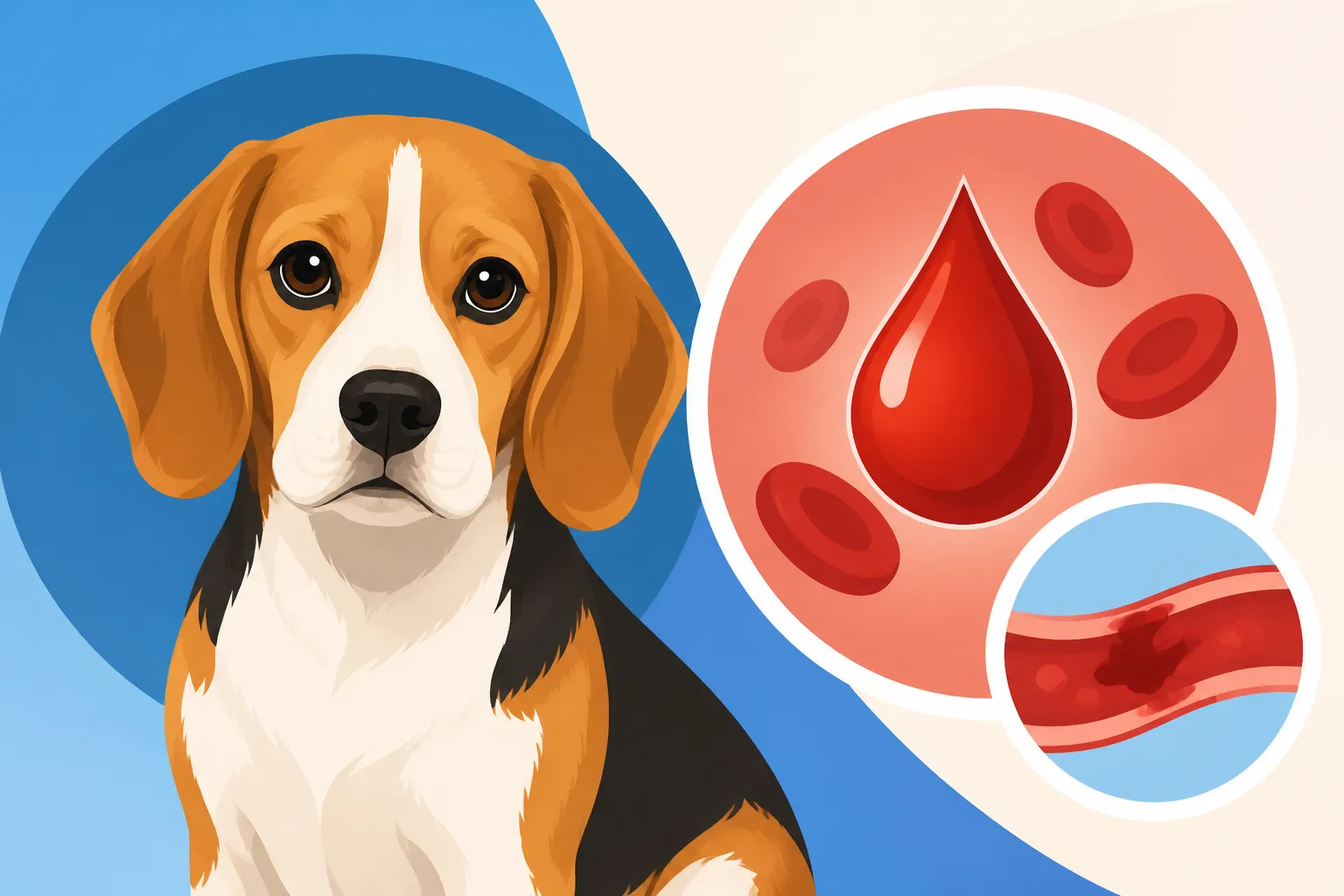
Think of your Beagle's blood clotting system like a finely tuned orchestra. Each "instrument" needs to play its part perfectly for the concert (blood clot formation) to be a success. Factor VII is one of these vital instruments, a specific protein in the blood plasma that plays a starring role in the initial stages of coagulation. When a blood vessel is damaged, a series of reactions, known as the coagulation cascade, kicks into gear. Factor VII is activated very quickly in this process, helping to initiate the formation of a plug that stops the bleeding. Without enough functional Factor VII, or if it's completely absent, this initial step is significantly impaired, leading to delayed or inadequate clot formation.
This means that even a tiny cut or a minor internal bruise, which a healthy dog's body would easily handle, can become a much more significant event for a Beagle with Factor VII Deficiency. It's not about the blood thinning, but about the blood's inability to firm up and create that necessary barrier to staunch the flow.
The Genetic Link: How It's Inherited
Factor VII Deficiency in Beagles is a classic example of an autosomal recessive inherited disorder. What does "autosomal recessive" actually mean for us as owners? It means that a Beagle must inherit two copies of the defective gene—one from its mother and one from its father—to actually develop the condition and show symptoms.
If a Beagle inherits only one copy of the defective gene and one normal gene, it won't show symptoms. Instead, it becomes a "carrier." Carriers are healthy themselves, but they carry the potential to pass the defective gene on to their offspring. This is why the condition can seem to pop up unexpectedly in a litter, even if the parents appeared perfectly healthy. Both parents, unbeknownst to their owners, might have been carriers. This genetic mechanism is why breeding practices and careful screening are so incredibly important for the future health of the Beagle breed.
Prevalence in the Beagle Breed
Factor VII Deficiency isn't just a theoretical concern; it's a very real issue within the Beagle population. While Beagles are generally known for their robust health and a Beagle Lifespan and the Twelve to Fifteen Year Range, genetic conditions like this require our attention. Studies have shown that a significant percentage of Beagles can be carriers for this deficiency, meaning the gene is relatively widespread. While specific prevalence rates can vary by geographic region and breeding lines, it's certainly common enough that responsible breeders routinely screen for it, and informed owners should be aware of its possibility. The fact that it's concentrated in Beagles, rather than being a general canine bleeding disorder, points to its specific genetic history within the breed. It means that if you own a Beagle, or are considering adding one to your family, this is one of those breed-specific health concerns that warrants genuine consideration and proactive measures.
Recognizing the Subtle and Obvious Signs
Living with a Beagle means embracing their curious nature and their propensity for getting into all sorts of scrapes. Most of the time, a little cut or bruise is no big deal. But for a Beagle with Factor VII Deficiency, these minor incidents can quickly escalate into something far more concerning. Learning to distinguish between normal bumps and scrapes and the more alarming signs of a clotting disorder is absolutely crucial for their safety and well-being.
Minor Injuries and Exaggerated Bleeding
This is often where the first red flags appear. You might trim your Beagle's nails, nicking the quick ever so slightly, and instead of the bleeding stopping in a minute or two with a little pressure, it just keeps oozing. Or maybe your Beagle, being the enthusiastic pup it is, gets a small cut on its paw from a sharp stone during a walk, and you notice it bleeds persistently, much longer than you'd expect. Even something as simple as Beagle Puppy Nipping and Where It Comes From might cause more significant bleeding from a tiny puncture wound in another puppy or even human skin, if the affected Beagle is the one doing the nipping.
Beyond obvious cuts, you might also notice unusual bruising. A Beagle with this deficiency could develop large, dark bruises from seemingly minor bumps or rough play, far disproportionate to the trauma sustained. These bruises might also take a long time to fade, indicating ongoing, slow internal bleeding. Owners often attribute these incidents to their Beagle's energetic nature, but when bleeding is prolonged or bruising is extensive and unexplained, it's time to consider a clotting issue.
Internal Bleeding and Spontaneous Hemorrhages
While external bleeding is alarming, internal bleeding can be even more insidious because it's not immediately visible. Beagles with Factor VII Deficiency can suffer from spontaneous hemorrhages into their joints, muscles, or even their gastrointestinal tract. If your Beagle suddenly seems lame, favoring a limb without a clear injury, it could be a sign of bleeding into a joint, causing swelling and pain. Similarly, large, firm swellings under the skin, not associated with a recent injury, could indicate a hematoma—a collection of clotted blood.
Signs of gastrointestinal bleeding might include dark, tarry stools (melena) from digested blood, or fresh red blood in their vomit or feces. Pale gums and overall lethargy can be indicators of significant blood loss, even if you can't see the bleeding directly. These can escalate quickly into a Beagle Emergency Signs That Cannot Wait Until Morning situation, demanding immediate veterinary attention. These spontaneous bleeds are less common with Factor VII Deficiency than with some other clotting disorders like hemophilia, but they can still occur, especially in severely affected individuals or after moderate trauma.
Bleeding During or After Surgery
One of the most critical times for a Beagle with Factor VII Deficiency is during or after any surgical procedure. A routine spay, neuter, or even a dental cleaning can become life-threatening. Vets perform these procedures every day, and they rely on the patient's blood clotting mechanisms to function properly to prevent excessive blood loss. If a Beagle's Factor VII is deficient, the initial clot formation necessary to seal off small vessels severed during surgery will be impaired.
This can lead to prolonged bleeding during the operation, making it more challenging for the surgical team. More dangerously, internal bleeding can continue after the surgery, potentially leading to a slow and steady loss of blood into the body cavity, which might not be immediately obvious. This is precisely Why a Factor VII Beagle Bleeds After Routine Surgery. Therefore, it is absolutely paramount to have your Beagle genetically tested for this condition before any planned surgery, especially dental procedures like a Beagle Dental Disease and Tartar Buildup cleaning, which often involve gum work and potential bleeding points. This pre-screening allows the veterinary team to take appropriate precautions, such as having blood products on hand, if a deficiency is identified.
The Diagnostic Journey for Factor VII Deficiency
Suspecting a bleeding disorder in your Beagle can be incredibly stressful. The good news is that veterinary medicine has advanced significantly, offering reliable ways to diagnose conditions like Factor VII Deficiency. This journey typically involves a combination of your observations, a thorough physical exam, specialized blood tests, and ultimately, genetic confirmation. Knowing what to expect can help you navigate this process with your vet.
Initial Suspicions and Veterinary Examinations
The first step in diagnosing Factor VII Deficiency almost always begins with you, the observant owner. Noticing prolonged bleeding, unusual bruising, or any of the signs we discussed earlier should prompt a call to your veterinarian. When you bring your Beagle in, your vet will start with a comprehensive physical examination. They'll be looking for signs of anemia (pale gums), swelling in joints, internal bruising, or any other physical manifestations of a bleeding issue.
Crucially, your vet will ask for a detailed history. This includes specific instances of bleeding, how long it lasted, how much blood was lost, and whether it was spontaneous or trauma-induced. They'll also want to know about your Beagle's parents and any known family history of bleeding problems. This initial conversation helps your vet decide which diagnostic tests are most appropriate, ruling out more common causes of bleeding before delving into complex clotting disorders.
Specific Coagulation Tests
Once a bleeding disorder is suspected, your vet will likely recommend a series of specialized blood tests designed to evaluate your Beagle's clotting ability. These are often referred to as coagulation panels:
- Prothrombin Time (PT): This test measures the time it takes for blood plasma to clot after certain reagents are added. It specifically assesses the "extrinsic" pathway of the coagulation cascade, where Factor VII plays a critical role. In Beagles with Factor VII Deficiency, the PT will typically be prolonged, meaning it takes longer for their blood to clot through this pathway.
- Activated Partial Thromboplastin Time (aPTT): This test evaluates the "intrinsic" and common pathways of the coagulation cascade. With Factor VII Deficiency, the aPTT is usually normal, which helps to differentiate it from other bleeding disorders like hemophilia (where aPTT is prolonged).
- Factor VII Assay: This is the definitive functional test. It directly measures the amount and activity of Factor VII in your Beagle's blood. A significantly reduced level of Factor VII activity confirms the deficiency.
These tests, especially the combination of a prolonged PT and a normal aPTT, strongly point towards Factor VII Deficiency, allowing your vet to narrow down the potential causes of your Beagle's bleeding issues.
Genetic Testing for Definitive Diagnosis
While coagulation tests can identify a functional deficiency, genetic testing provides the ultimate confirmation and allows for the identification of carriers. A simple DNA test, usually performed using a cheek swab or blood sample, can screen for the specific genetic mutation responsible for Factor VII Deficiency in Beagles.
This is invaluable for both diagnosis and breeding purposes. If your Beagle is showing signs, a positive genetic test provides definitive proof. If your Beagle is healthy, genetic testing can reveal if they are a carrier of the mutation, which is vital information for breeders looking to make informed decisions and reduce the incidence of the disorder in future generations. Knowing Reading a Beagle DNA Panel Result Line by Line can be empowering for owners to understand their dog's genetic health. Reputable organizations like the Orthopedic Foundation for Animals (OFA) offer genetic testing panels, and breeders often submit results as part of their Beagle Health Testing Under CHIC requirements, indicating a commitment to genetic health.
Managing a Beagle with Factor VII Deficiency
Receiving a diagnosis of Factor VII Deficiency can feel overwhelming, but it's important to remember that many Beagles with this condition can lead full, happy lives with proper management. The key is proactive care, understanding potential risks, and being prepared for emergencies. It's about adjusting your routine and environment to minimize risks and ensure your Beagle's safety.
Proactive Care and Injury Prevention
The cornerstone of managing Factor VII Deficiency is preventing injuries that could lead to significant bleeding. This means creating a safe environment for your Beagle, both indoors and out. Evaluate your home for potential hazards: sharp edges on furniture, hard toys that could cause mouth injuries, or areas where your Beagle might roughhouse and get hurt. Opt for softer toys, like those from KONG or Nylabone (if they are soft enough not to damage gums/teeth), that reduce the risk of gum bleeding.
Outdoor activities should be monitored closely. While Beagles thrive on exercise and mental stimulation, like Scent Walks That Wear a Beagle Out, avoid overly strenuous or rough play with other dogs that could result in collisions or punctures. Keep them on a leash in unfamiliar areas to prevent them from running into hazards or getting into altercations. Consider soft, protective booties if they're walking on rough terrain. For nail trims, consider using a grinder instead of clippers, or if using clippers, be extremely cautious to avoid the quick. Always have styptic powder or cornstarch on hand to quickly stop any minor bleeds.
Emergency Protocols for Bleeding Episodes
Despite your best efforts, accidents can happen. It’s crucial to have an emergency plan in place. If your Beagle experiences a significant bleeding episode, whether external or suspected internal bleeding, contact your veterinarian or an emergency vet clinic immediately. Don’t wait to see if it stops on its own. Time is critical when blood loss is a concern. Knowing Beagle Emergency Signs That Cannot Wait Until Morning is vital.
Keep your vet's emergency number readily accessible. When you call, clearly state your Beagle's Factor VII Deficiency diagnosis and describe the situation. This allows the vet team to prepare for your arrival, potentially having necessary treatments like blood products ready. If possible, apply firm, direct pressure to any external bleeding wound with a clean cloth while en route to the clinic. Remain calm, as your stress can affect your Beagle. It's wise to have an emergency fund set aside, or be enrolled in a robust pet insurance plan like those offered by Healthy Paws, to cover the potentially high costs of emergency treatment.
Medications and Treatments for Bleeding
In an acute bleeding crisis, a Beagle with Factor VII Deficiency may require specific medical interventions to help their blood clot. The primary treatment often involves plasma transfusions. Plasma contains all the necessary clotting factors, including Factor VII, which can temporarily supplement your Beagle's deficient levels and help stop the bleeding. The amount and frequency of plasma transfusions will depend on the severity of the bleeding and the Beagle's response.
In some rare cases, if available, veterinarians might use concentrated Factor VII products, but these are less commonly available for veterinary use than whole plasma. Supportive care, such as intravenous fluids for shock or pain management, will also be crucial depending on the nature of the bleeding. It's important to understand that there is no cure for Factor VII Deficiency; treatments focus on managing bleeding episodes when they occur. Regular communication with your vet and staying proactive about preventative care are the best approaches to long-term management.
Breeding Responsibly and Preventing Future Cases
For ethical breeders, Factor VII Deficiency represents a significant concern. Because it's an inherited condition, breeding practices play a crucial role in either propagating or reducing its incidence within the Beagle population. Responsible breeding isn't just about good looks or temperament; it's fundamentally about health.
The Importance of Genetic Screening for Breeding Dogs
Genetic screening is the most powerful tool we have to combat inherited diseases like Factor VII Deficiency. Before any Beagle is considered for a breeding program, it should undergo genetic testing for this specific mutation. This simple DNA test can identify if a dog is "clear" (meaning it has two normal genes), a "carrier" (meaning it has one normal and one defective gene), or "affected" (meaning it has two defective genes and will likely show symptoms).
Ignoring genetic screening is a disservice to the breed and can lead to heartbreak for future owners. A breeder who doesn't screen for Factor VII Deficiency risks unknowingly breeding two carriers together, producing affected puppies that will suffer from bleeding issues. This proactive testing aligns with the best practices of responsible breeding and helps ensure healthier Beagle lines for generations to come. When you're looking for a puppy, always What to Ask a Beagle Breeder About Genetics and ask to see proof of genetic testing for Factor VII, among other conditions.
Interpreting Genetic Test Results
Understanding what genetic test results mean is crucial for both breeders and prospective puppy owners. Here’s a quick breakdown:
- Clear (N/N): This Beagle does not carry the defective gene for Factor VII Deficiency. It cannot develop the condition nor pass the gene to its offspring.
- Carrier (N/F7): This Beagle carries one copy of the defective Factor VII gene but has one normal copy. It will not develop the deficiency itself (it's asymptomatic), but it can pass the defective gene to approximately 50% of its offspring.
- Affected (F7/F7): This Beagle has inherited two copies of the defective gene and will likely develop Factor VII Deficiency, exhibiting bleeding symptoms. It will pass one defective gene to all of its offspring.
A breeder using a "clear" dog for breeding purposes can safely breed with any other Beagle. However, if a breeder has a "carrier" dog, they must only breed it with a "clear" mate. This pairing will still produce approximately 50% clear and 50% carrier puppies, but critically, it will never produce an affected puppy. Mating two carriers together, or an affected dog with a carrier, guarantees that some puppies will be affected.
Ethical Breeding Practices
Ethical breeding practices revolve around minimizing the risk of inherited diseases. For Factor VII Deficiency, this means:
- Mandatory Testing: All breeding Beagles should be genetically tested for Factor VII Deficiency before they are bred.
- Informed Pairings: Breeders should use genetic test results to make informed decisions about breeding pairs, ensuring that no two carriers are ever bred together. Ideally, affected dogs should be removed from breeding programs. While carriers can still be part of a diverse gene pool, they must only be bred to clear partners.
- Transparency: Reputable breeders will be completely transparent about their dogs' genetic test results, providing documentation to prospective puppy buyers. They will also educate new owners about the potential implications if a puppy is a carrier.
- Education: Breeders have a responsibility to educate new owners about Factor VII Deficiency and any other relevant genetic conditions in Beagles, so they are prepared to provide the best possible care for their new family member.
By adhering to these principles, breeders can work collectively to significantly reduce the incidence of Factor VII Deficiency and uphold the health and integrity of the Beagle breed.
Financial Considerations and Support
Caring for a Beagle, especially one with a chronic health condition like Factor VII Deficiency, comes with financial responsibilities. From initial diagnosis to potential emergency treatments, the costs can add up quickly. Being prepared financially is a vital part of responsible pet ownership.
The Costs Associated with Diagnosis and Treatment
The diagnostic process for Factor VII Deficiency can involve several steps, each with its own cost. Initial vet visits, blood work for a coagulation panel (PT, aPTT), and a definitive Factor VII assay can range from a few hundred to over a thousand dollars, depending on your location and the specific veterinary clinic. Genetic testing is usually a separate cost, often ranging from $50 to $150 or more per test.
Should your Beagle experience a significant bleeding episode, the treatment costs can be substantial. Emergency vet visits are always more expensive than routine appointments. Plasma transfusions, which are often necessary to stabilize a Beagle with active bleeding, can cost hundreds of dollars per unit, and multiple units might be required. Hospitalization, additional blood tests, pain medication, and supportive care can push an emergency bill into the thousands. These are the kinds of unexpected expenses that can quickly strain a household budget, even for those who are diligent about Beagle Emergency Funds Worth Building.
Pet Insurance and Emergency Funds
This is where planning ahead truly pays off. Investing in pet insurance, such as a plan from Healthy Paws, early in your Beagle's life can provide a crucial financial safety net. A good pet insurance policy can reimburse a significant portion of unexpected veterinary bills, including those for diagnostic tests, emergency treatments, and even ongoing management of chronic conditions. It's especially beneficial if you enroll your Beagle before any symptoms of Factor VII Deficiency appear, as many policies consider pre-existing conditions ineligible for coverage. While many conditions like Idiopathic Epilepsy in Beagles From Six Months to Six Years or severe Beagle Hip Dysplasia and Everyday Joint Wear might be obvious pre-existing conditions, genetic conditions might sometimes be less clear-cut, so early enrollment is always best. Understanding Beagle Pet Insurance and What It Runs a Month and what different plans cover is important to make an informed decision.
Beyond insurance, creating an emergency fund specifically for your Beagle's health needs is highly recommended. This dedicated savings account can cover deductibles, co-pays, or even the full cost of treatments not covered by insurance. Even a small amount saved regularly can grow into a substantial buffer against unforeseen medical expenses. Many owners find peace of mind knowing they have both insurance and a cash reserve to ensure their Beagle gets the care it needs, without financial stress impacting crucial medical decisions.
Advocating for Your Beagle
Living with a Beagle that has Factor VII Deficiency means you become its primary advocate. This involves open and consistent communication with your veterinary team. Don't hesitate to ask questions, seek clarification, and express any concerns you have. Ensure your vet is fully aware of your Beagle's condition before any procedure, no matter how minor. Providing a comprehensive medical history at every appointment is crucial.
If your regular vet isn't familiar with the nuances of Factor VII Deficiency, ask for a referral to a veterinary internal medicine specialist or a veterinary hematologist. These specialists have advanced training in complex medical conditions and blood disorders, and they can provide expert guidance on managing your Beagle's specific needs. Being a proactive and informed advocate ensures your Beagle receives the best possible care and support throughout its life.
Disclaimer
This article is intended for informational purposes only and is not a substitute for professional veterinary advice, diagnosis, or treatment. Always seek the advice of your veterinarian or other qualified animal health provider with any questions you may have regarding a medical condition. Never disregard professional veterinary advice or delay in seeking it because of something you have read in this article.