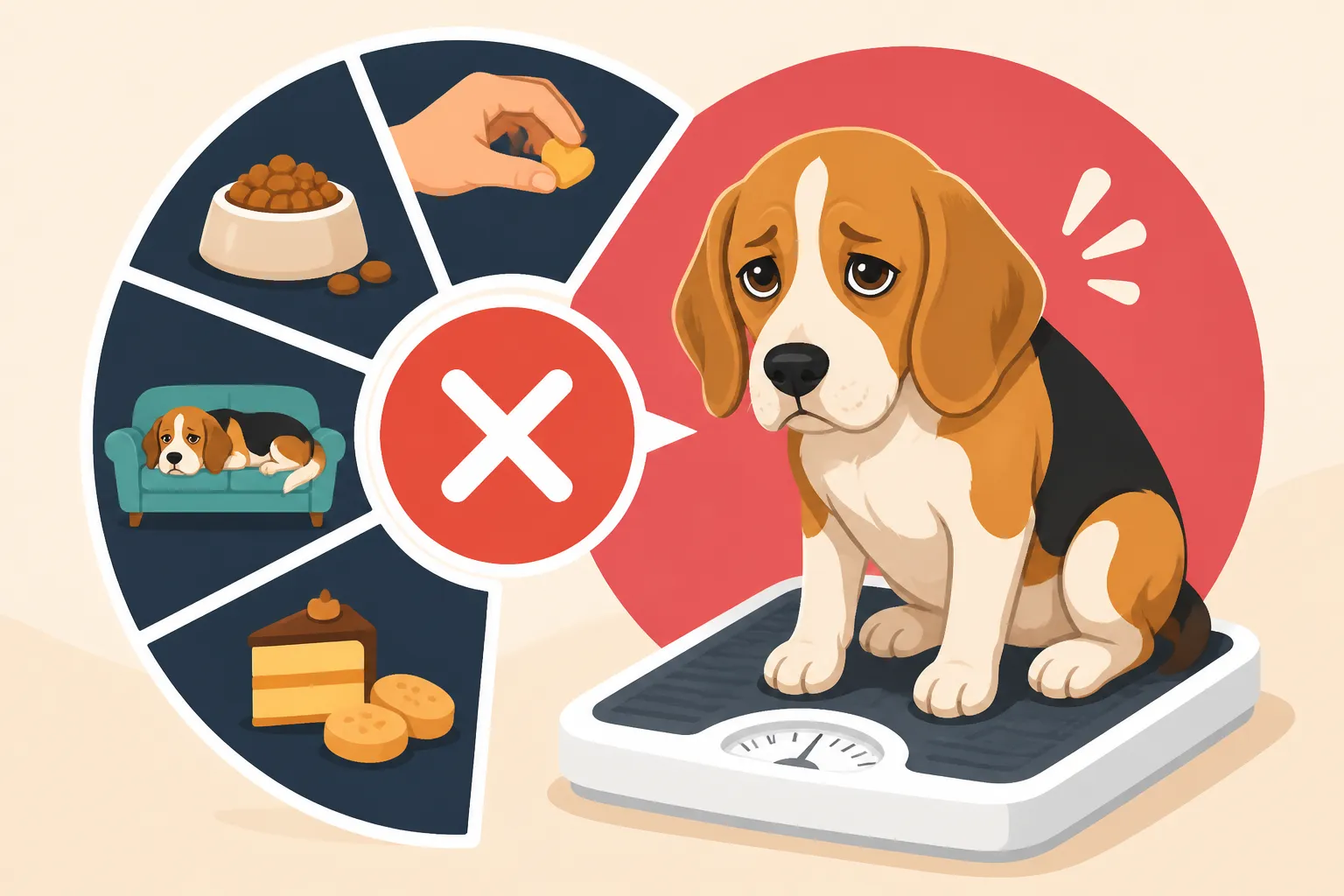
Where a Beagle Loses Points on the Scale
When you dream of seeing your beloved Beagle strutting its stuff in the show ring, it's natural to picture them as the picture of perfection. But even the most beautiful Beagles can have subtle traits that might cause a judge to mark them down. Dog shows aren't just beauty pageants; they're evaluations against a very specific blueprint of what the ideal Beagle should look like and how it should move. This guide will help you understand the precise areas where a Beagle might lose points on the scale, giving you insight into the meticulous criteria judges follow.
Understanding the Beagle Breed Standard
Before we dive into specific faults, it's crucial to grasp the concept of a breed standard. Every recognized dog breed has one, painstakingly written by the national parent club – in the Beagle's case, the National Beagle Club of America. This document is essentially the definitive guide, detailing the ideal physical characteristics, temperament, and movement for the breed. It describes everything from the shape of the skull to the way the tail is carried, all with the underlying purpose of ensuring the dog can perform the historical function it was bred for. For the Beagle, that means being a durable, keen-nosed hunting hound capable of tracking rabbits and hares for hours.
A judge uses this standard as their yardstick. They're not looking for the prettiest dog, but rather the dog that most closely embodies the standard's description of a perfect specimen. When a judge points to a particular Beagle, they're assessing how well that individual matches this detailed blueprint, and any deviation from it is considered a fault. These faults can range from minor cosmetic issues to significant structural problems that would impact the dog's ability to do its job. It's a complex dance of observation and comparison, where every feature is weighed against the ideal. Learning about the standard is key to understanding The Beagle From English Rabbit Packs to American Homes and how their form follows their function.
The Importance of Balance and Proportion
One of the most overarching principles in judging any breed, and certainly Beagles, is balance and proportion. A judge wants to see a dog where all parts fit together harmoniously, where no single feature is exaggerated or underdeveloped. Imagine a Beagle whose legs are too long for its body, or whose head seems too small for its frame. These kinds of disproportions immediately stand out and suggest a deviation from the functional ideal. A well-balanced Beagle should appear sturdy, compact, and capable, with a clear sense of purpose in its build.
For instance, the standard specifies a certain body length-to-height ratio, often described as slightly longer than tall. If a Beagle is too square, or conversely, too long in the back, it might lose points because such a structure could hinder its agility and endurance in the field. Similarly, bone density is critical. A Beagle should have "good bone," meaning strong, substantial legs that can withstand the rigors of hunting. Too fine a bone might suggest fragility, while too coarse could make the dog appear cloddy and heavy, neither of which is desirable for a quick, agile hound. Every component is viewed in relation to the others, creating a complete picture of an animal designed for a specific task.
Common Structural Deviations and Point Deductions
When a Beagle steps into the ring, the judge starts with a general impression and then moves to a detailed, hands-on examination. This is where subtle structural deviations become apparent, leading to point deductions. It’s not about finding a perfect dog – because no dog is truly perfect – but about identifying the one with the fewest faults that detract from the breed's ideal. These faults are categorized by severity and how much they impact the dog's overall type and function.
Judges are trained to look for these nuances, understanding that even minor deviations can add up. It’s a bit like a jigsaw puzzle where every piece needs to fit just right. If one piece is a little off, it affects the whole picture. For Beagles, given their active, working heritage, structural integrity is paramount. Any fault that compromises their ability to move efficiently or endure long days in the field will be considered more serious than a purely cosmetic flaw.
Head, Eyes, and Expression Faults
The Beagle's head is often described as conveying a "merry" and "kind" expression, which is central to its breed identity. Deviations here are common areas for point loss.
Firstly, let's talk about the head itself. The standard calls for a moderately domed skull, broad and full. A head that is too flat, too narrow, or excessively domed (often called "apple-headed") will be faulted. The muzzle should be medium in length, not snipey (too pointed) or too blunt, with a moderate stop (the indentation between the eyes). Cheeks that are too prominent or "full" can also detract, as can lips that are too pendulous and loose, rather than fairly tight. These structural points aren't just about looks; a well-formed head impacts the dog's scenting ability and jaw strength. Judges are looking for The Beagle Skull and Muzzle a Judge Wants that aligns perfectly with the standard.
Secondly, the eyes play a huge role in the Beagle's characteristic expression. They should be set well apart, soft, appealing, and range in color from hazel to brown. Light-colored eyes (yellow or very pale), eyes that are too round or too small, or those that are set too deep or too close together, will typically incur deductions. Bulging eyes, or eyes showing too much haw (the red inner lining of the eyelid), are also considered faults. A Beagle's eyes should reflect its sweet, eager nature, and any deviation from this can impact the overall impression. Judges specifically look for Beagle Eye Shape and That Pleading Expression.
Finally, the overall expression is judged. A Beagle should appear bright, alert, and, as the standard states, "merry." A dull, worried, or overly aggressive expression can signal a temperament fault, even if the individual features of the head are correct. While temperament is also judged separately, it’s often reflected in the dog's face. A Beagle that seems timid or unresponsive might also lose points because it doesn't exude the characteristic confident and friendly demeanor expected of the breed.
Ear Set and Length Issues
The Beagle's long, low-set ears are one of its most distinctive and beloved features, but they are also a common area where faults can arise. The breed standard is quite specific about how these ears should look and be carried, primarily because their function during the hunt is so important. These long ears act like scent gatherers, sweeping odors from the ground towards the nose.
Ideally, Beagle ears should be set moderately low, reaching nearly to the tip of the nose when drawn forward. They should be long, soft, and rounded at the tips, hanging close to the cheeks. When a judge examines a Beagle, they pay close attention to this. Faults include ears that are set too high on the skull, giving the head a less refined look and detracting from the characteristic Beagle appearance. Ears that are too short, or that have sharp, pointed tips instead of the desired rounded shape, will also be marked down. Furthermore, ears that are thick, or that stand away from the head rather than lying flat against the cheeks, indicate a deviation from the ideal. The correct The Beagle Ear Length the Standard Describes is not just cosmetic; it's functional. These seemingly small details contribute significantly to the overall breed type and the dog's ability to excel in its historical role as a scent hound.
Topline, Tail, and Rear Assembly
Moving further back, the Beagle's structure from its shoulders to its tail is vital for its endurance and agility as a hunting hound. Deviations in the topline, tail carriage, and rear assembly can significantly affect its performance and will lead to point deductions in the show ring.
The topline refers to the line formed by the dog's back, from the highest point of the shoulders to the tail set. The Beagle standard calls for a level back, neither "roached" (arched over the loins) nor "swayed" (a dip behind the shoulders). A level topline provides strength and efficiency in movement, allowing the dog to cover ground effortlessly during a long hunt. A roached back can restrict movement and cause discomfort, while a swayed back indicates weakness. Both are considered faults because they compromise the dog's structural integrity and working ability.
The tail is another hallmark of the Beagle. It should be set moderately high, carried gaily but not curled over the back, and, crucially, should have a definite white tip. This white tip, often called the "flag," was historically important for hunters to spot their dogs when they were deep in dense cover. A tail that is too long, too short, or carried low between the legs (unless the dog is genuinely fearful) is considered a fault. A "squirrel tail," which curls excessively over the back, is also a deviation. The standard specifically mentions The Beagle Tail and Its White Tip for a reason, and judges will note any absence or improper carriage.
Finally, the rear assembly is critical for propulsion and endurance. The hindquarters should be muscular and powerful, with well-bent stifles (knees) and hocks that are strong and low to the ground. Common faults here include "straight stifles" (lacking proper angulation), which reduce the power of the hind legs, and "cow hocks" (where the hocks turn inward), which affect efficient movement and indicate structural weakness. These issues directly impact the Beagle's ability to drive forward and maintain its gait over varied terrain, making them significant deductions for a judge.
Movement and Gait as a Major Factor
While a Beagle's static appearance in the stack is important, how it moves is arguably even more critical in the show ring. A Beagle is, first and foremost, a working hound, and its gait—the way it walks and trots—reflects its ability to perform its original job. A judge will spend considerable time watching the Beagle move around the ring, looking for a gait that is free, effortless, powerful, and ground-covering. The standard emphasizes that the Beagle should move with a "merry but determined action," suggesting both its happy nature and its focused drive.
The ideal Beagle gait demonstrates that all the pieces of its anatomy are correctly assembled and working in harmony. Each step should convey efficiency and endurance, without any wasted motion or signs of strain. The dog should propel itself smoothly, taking long, fluid strides that cover a good amount of ground without appearing to rush. This evaluation of movement is where the underlying structure truly comes to light, as flaws in angulation, bone, or musculature often become glaringly obvious when the dog is in motion.
Faults in Front and Rear Gait
When a Beagle moves, judges are meticulously observing the mechanics of its gait, both coming and going, and from the side. Deviations here are key indicators of structural problems and lead to significant point deductions.
Looking at the front gait as the Beagle approaches the judge, they are watching for clean, straight movement. Ideally, the front legs should move forward smoothly, without any outward or inward rotation of the paws. Common faults include "paddling," where the paws arc out to the side; "hackney action," an exaggerated, high-stepping movement more typical of a horse; or "crabbing," where the dog moves with its body slightly angled rather than straight. Any of these can indicate poor shoulder placement, incorrect angulation, or weakness in the front assembly, all of which would impede a working hound's efficiency and endurance.
As the Beagle moves away, the judge focuses on the rear gait. Here, the legs should drive powerfully from the hocks, tracking straight and parallel, neither too close nor too wide. Faults include a "weaving" motion, where the hind legs cross over or move too close together, which can indicate cow hocks or a narrow pelvis. Conversely, a too-wide stance can suggest a lack of drive or poor hip structure. "Single tracking" (where the legs converge towards a single center line at a faster trot) is desirable, but extreme wide-tracking or a lack of propulsion from the rear are serious faults. These issues in both front and rear gait demonstrate that the dog's structure isn't perfectly suited for its intended function, making them critical areas for judges to evaluate.
Temperament and Presentation
Beyond physical conformation and movement, a Beagle's temperament is explicitly part of its breed standard and can certainly influence a judge's assessment, leading to point deductions. The standard describes the Beagle as "merry and amiable," full of vigor and intelligence, and with a "bold and determined" character. This inherent disposition is crucial; it speaks to the very essence of what a Beagle is meant to be.
A Beagle that displays extreme shyness, fearfulness, or worse, aggression in the ring, will be severely penalized. While some dogs might be a little nervous in a new environment, a judge is looking for a dog that handles itself with reasonable confidence and friendliness. A Beagle cowering, snapping, or trying to escape can be disqualified, depending on the severity and whether it's deemed a risk. Conversely, a dog that is overly unruly or difficult to handle, constantly pulling or misbehaving, also detracts from the picture of a well-adjusted Beagle, even if it's not aggressive. This isn't just about training; it's about the innate The Beagle Temperament the Standard Requires shining through.
The presentation by the handler also plays a subtle yet significant role. A well-groomed Beagle, presented confidently by a handler who understands how to highlight its best features and keep it engaged, will always make a better impression. While a judge isn't directly scoring the handler, a dog that looks neglected, or a handler who is fumbling or struggling, can inadvertently make the dog appear less desirable. The judge wants to see a harmonious team, with the Beagle showcasing its natural charm and excellent conformation, making a lasting positive impression. Sometimes, just having the right grooming tools, like a good brush from Chewy, can help make your Beagle look its best for presentation.
Disqualifications vs. Faults
It's vital for anyone interested in dog shows, or even just understanding the Beagle breed, to differentiate between a "fault" and a "disqualification." While both lead to a dog not winning, their impact is vastly different. A fault is a deviation from the breed standard that causes a judge to deduct points, reducing the dog's chances of winning. These faults vary in severity, from minor cosmetic flaws to significant structural weaknesses, but the dog is still allowed to compete.
A disqualification (DQ), however, is a much more serious matter. It means the dog is immediately removed from the competition and cannot be awarded any points, regardless of how excellent it might be in all other aspects. Disqualifications are typically reserved for traits that are considered fundamentally incorrect for the breed, pose a health risk, or prevent the dog from performing its intended function. For Beagles, common disqualifications include being significantly over or under the specified height varieties (13 inches or 15 inches at the shoulder). For example, Why a Beagle Over Fifteen Inches Is Disqualified is a clear cut disqualification, ensuring breed type is maintained.
Other disqualifications can include conditions like cryptorchidism (undescended testicles in males), extreme aggression or shyness that makes the dog unmanageable or unsafe, or certain colors or markings not recognized by the standard. Major deformities or conditions that severely impact health or soundness are also grounds for disqualification. Think of faults as minor errors on a test, while a disqualification is failing the entire course. Understanding this distinction is crucial for breeders and exhibitors, as a disqualified dog cannot earn championship points and should not be bred if the disqualifying trait is hereditary.
| Feature Area | Common Faults (Point Deductions) | Potential Disqualifications (Immediate Removal) |
|---|---|---|
| Size | Slightly over or under desired weight for height, appearing too light or heavy boned. | Over 15 inches or under 13 inches (for 15-inch variety) / Over 13 inches (for 13-inch variety). |
| Head & Expression | Flat skull, snipey muzzle, light eyes, dull or worried expression. | Aggression or extreme shyness; lack of Beagle expression. |
| Ears | Set too high, too short, pointed tips, thick ears. | Not applicable (severe ear faults are usually just heavy deductions). |
| Topline & Tail | Roached or swayed back, tail carried too low, squirrel tail, lack of a clear white tip. | Not applicable (unless severe tail deformities that impede movement/function). |
| Forequarters | Fine bone, wide front, loose elbows, paddling gait, hackney action. | Not applicable (structural faults are usually heavy deductions). |
| Hindquarters | Straight stifles, cow hocks, weak hocks, weaving or narrow rear gait. | Not applicable (structural faults are usually heavy deductions). |
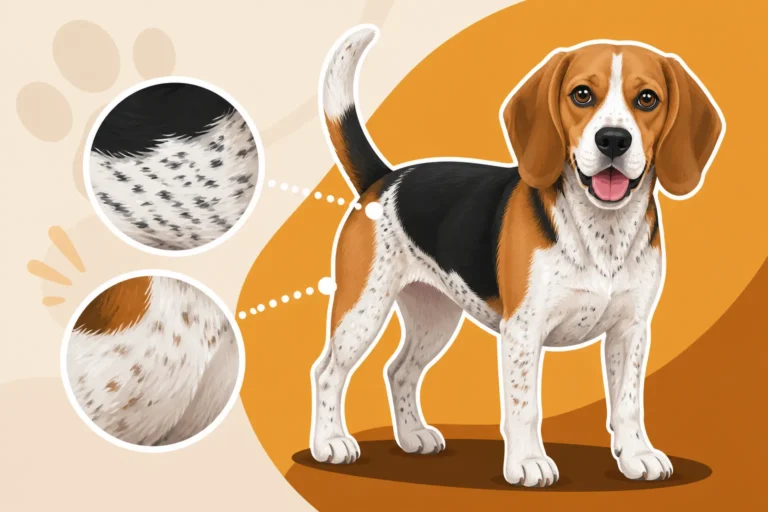
| Coat & Color | Soft or silky coat texture, irregular markings. | Any color or combination of colors other than "hound colors" (e.g., solid black, merle). |
| Dentition | Slight overshot or undershot bite (minor). | Severely maloccluded bite (undershot or overshot); missing teeth (unless injury). |
| General | Lack of vigor, poor condition, shy but manageable. | Cryptorchidism (undescended testicles in males); major physical deformity. |
Choosing the right kind of food, like a specific formula from Chewy, can help your Beagle maintain a healthy weight, which is important for avoiding some structural issues and presenting well.
Ultimately, showing dogs is a fascinating sport that helps preserve the integrity and characteristics of breeds like the Beagle. While seeing your Beagle shine in the ring is a joy, remember that the true value of any dog lies in the companionship and love it brings into your life. The standard exists to guide breeders toward healthy, functional dogs, but every Beagle, whether a champion or a couch potato, is a treasure. Taking care of your Beagle means focusing on its overall health, perhaps with quality nutrition from brands found on Chewy, and ensuring it lives a happy, fulfilling life, regardless of how it measures up on the show scale.
Disclaimer
This article is for general informational purposes only and does not constitute professional advice. Laws, prices and regulations vary by location and change over time. Consult a qualified professional for guidance on your specific situation.