Whether the Two Beagle Varieties Differ at All Otherwise
It's a common question I hear from fellow Beagle enthusiasts: "Aside from their size, is there really any difference between the 13-inch and 15-inch Beagles?" It's a great question, often stemming from the distinct varieties recognized by kennel clubs. This guide will dive deep into the heart of the Beagle breed to explore whether these two height classifications truly represent different dogs or if the similarities far outweigh the nuances of a couple of inches.
The Official Standards: What Kennel Clubs Define
When you look at the official breed standards, especially something like the American Kennel Club (AKC) standard, you’ll quickly notice that the primary, and frankly, almost sole, differentiating factor between the two varieties of Beagles is their height at the shoulder. There’s the "not exceeding 13 inches" variety and the "over 13 inches but not exceeding 15 inches" variety. This distinction often leads people to imagine two entirely separate types of Beagles, perhaps with different temperaments, builds, or even health predispositions, but the reality is much simpler. These are not two different breeds, or even vastly different sub-breeds, but rather two height classes within the exact same breed standard. Every other aspect of the breed, from their merry disposition to their sturdy build, their coat colorings, and even the set of their ears, is described identically for both.
Decoding the Height Requirements
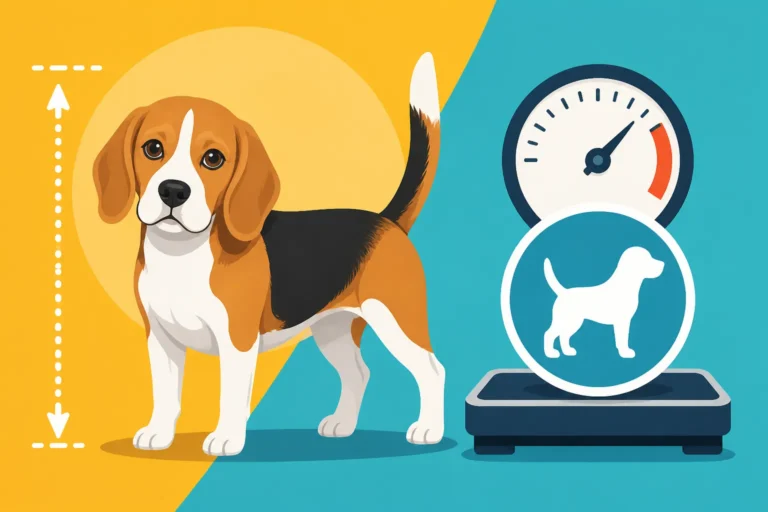
Measuring a Beagle is a pretty precise affair, especially if you're involved in showing dogs. The height is taken from the highest point of the shoulder blades, straight down to the ground. It's not about how tall their head is, or how long their legs appear when they're stretching. This measurement ensures consistency and fairness in the show ring, allowing for dogs to compete against others of similar stature. For a 13-inch Beagle, any dog measuring even a fraction over 13 inches would be disqualified from that class, while the 15-inch variety has a bit more leeway, encompassing Beagles from just over 13 inches up to exactly 15 inches. This might seem like a small detail, but it’s the definitive line drawn by the breed standard for classification purposes. To understand how this measurement impacts classification, you can refer to Measuring a Beagle to Decide Its Variety.
Think of it like different weight classes in boxing; the athletes might vary in height and build slightly, but they are all still boxers. Similarly, whether your Beagle measures 12 inches or 14 inches, they are both 100% Beagle, adhering to the same overall conformation, health, and temperament guidelines the breed is known for. The difference is purely a numerical one for categorization, not an indicator of a fundamentally different kind of dog.
Why the Distinction Exists
The historical context for these two height varieties harks back to the breed's origins as hunting hounds. Beagles were developed to hunt rabbits and hare, working in packs and followed on foot by hunters. Different terrains and hunting styles might have favored slightly smaller or slightly larger hounds. The "Pocket Beagle" of old, for example, was an even tinier version, small enough to be carried in a saddlebag, though that specific size has largely disappeared and isn't recognized by modern standards. However, the 13-inch and 15-inch classifications that stuck allowed for a practical division in field trials and conformation shows.
It wasn't that breeders were trying to create two distinct kinds of Beagles with different personalities or abilities. Instead, they were simply breeding for efficiency and consistency within desired working parameters. A slightly taller dog might have had a longer stride, useful in certain types of terrain, while a smaller dog might have been more agile in dense undergrowth. These were practical considerations for hunters, not an attempt to diversify the breed's fundamental traits. Over time, these height categories solidified in the formal breed standards, persisting even as many Beagles transitioned from working hunters to beloved family companions.
Temperament and Personality: More Alike Than Different
If you're wondering if a 13-inch Beagle will be less prone to howling than a 15-inch one, or if a smaller Beagle might be less prone to wander off on a scent trail, the answer is a resounding no. The core temperament and personality traits that define a Beagle are intrinsic to the breed as a whole, irrespective of those couple of inches in height. Both varieties are known for their cheerful disposition, their incredible scent drive, their vocal nature, and their unwavering loyalty to their human families. The traits that make Beagles, well, Beagles, are deeply ingrained. If you're looking for a dog with a specific set of characteristics, focusing on the breed's general temperament will be far more productive than fixating on which height variety you choose.
The Unmistakable Beagle Nose
Let's be honest, the defining characteristic of any Beagle is that nose! With around 220 million scent receptors, their world is largely interpreted through smell. This insatiable drive to follow a fascinating scent trail is universal across both the 13-inch and 15-inch varieties. Whether your Beagle is compact or a little leggier, once that nose hits the ground and locks onto a scent, their ears might as well be glued shut to your calls. This is why The 220 Million Receptors Behind a Beagle's Nose is such a critical topic for any owner to understand.
This powerful scent drive manifests in the same ways regardless of size: persistent sniffing on walks, a tendency to wander off if not securely leashed or fenced, and a keen interest in anything that smells even remotely interesting, from yesterday's discarded sandwich wrapper to a rabbit's fresh tracks. You'll find both varieties equally captivated by the world of scent, a trait that makes them incredible detection dogs but also requires dedicated training and management for pet owners. Don't expect a smaller Beagle to be any less "nose-driven" than a larger one – it's just not how their genetics work. This is part of Beagle Temperament and Why the Breed Suits Families, but also a challenge for new owners.
The Signature Beagle Bay and Howl
Ah, the Beagle voice! That melodic bay, the mournful howl, the excited bark – these are sounds familiar to any Beagle owner and are another hallmark of the breed's character. Again, you won't find a noticeable difference in the vocal tendencies between a 13-inch Beagle and a 15-inch Beagle. Both are hounds, and hounds are bred to be vocal, to announce their findings to their pack (or their human family). For more on this, check out Telling a Beagle Bark From a Bay From a Howl.
Whether it's baying at a squirrel in the yard, howling along to a distant siren, or barking excitedly when you come home, the impulse to express themselves vocally is strong in all Beagles. It's part of their charm for many, but it's also something potential owners need to be prepared for, especially if living in an apartment or close quarters with neighbors. You might find individual Beagles more or less vocal than others due to personality or training, but this variation won't correlate to their height. A petite 12-inch Beagle can have just as booming a bay as a sturdy 14-inch one!
Physical Traits Beyond Size
Beyond the tape measure, the physical characteristics of the Beagle breed are remarkably consistent between the two varieties. This means that whether you have a 13-inch or a 15-inch Beagle, you're going to see the same sturdy, compact body, the same soulful eyes, the same long, soft ears, and that distinctive flag-like tail. These are the visual cues that immediately identify a dog as a Beagle, and they aren't size-dependent. The overall "look" and feel of the breed are unified.
Coat and Color Consistency
The Beagle's coat is another unifying feature across both varieties. They possess a smooth, dense double coat that is waterproof and perfect for shedding off brush and weather while out in the field. This coat doesn't change based on whether the dog falls into the 13-inch or 15-inch category. Similarly, the array of beautiful Beagle colors and markings are seen in both varieties. The classic tricolor (black, white, and tan) is probably the most iconic, with the black "saddle" being a dominant feature. But you'll also find bi-colors like lemon and white, red and white, and various "ticked" patterns where small flecks of color appear on white areas.
For example, a gorgeous lemon Beagle, known for its pale yellow markings, can be either a 13-inch or a 15-inch variety. The genetics for coat color and texture simply aren't tied to the genes that determine skeletal height. So, if you're dreaming of a particular color, rest assured that you can find it in either size. To learn more about how these beautiful coats come about, read Beagle Tricolor and Where It Comes From. You might also find grooming supplies for any color or variety of Beagle at places like Chewy, which carries a wide range of brushes for their dense coats.
Those Expressive Beagle Eyes and Ears
One of the most endearing features of a Beagle is their soft, pleading, and incredibly expressive eyes, often set in a way that makes them seem perpetually thoughtful or, let's be honest, slightly mischievous. These dark, round eyes, along with their long, low-set, velvety ears, are characteristic of the breed as a whole. They contribute to that classic "Beagle look" that makes them so instantly recognizable and beloved.
You won't find that a 13-inch Beagle has shorter ears or different eye shape than a 15-inch Beagle. The standard describes these features uniformly because they are integral to the breed's overall appearance and function. Those long ears, for instance, are designed to sweep scents towards their nose, enhancing their tracking ability, and this biological advantage is present in all Beagles. Unfortunately, those lovely long ears can also make them prone to issues, as discussed in Beagle Ear Infections Under Those Long Ears. So, while charming, they also require diligent care, regardless of your Beagle's height.
Health Considerations and Lifespan
When it comes to health, there isn't a significant difference in common ailments or average lifespan between the 13-inch and 15-inch Beagle varieties. Both sizes share the same genetic predispositions to certain conditions that are prevalent in the breed, and both generally enjoy a long, healthy life if well-cared for. It's important for potential owners to understand that selecting one size over the other doesn't inherently reduce or increase the risk of specific health problems. Instead, focusing on responsible breeding practices and preventative care is key for any Beagle.
Common Health Concerns for All Beagles
Beagles, like any purebred dog, have certain health conditions that are more common within their breed. These include issues such as Beagle Hip Dysplasia and Everyday Joint Wear, various eye conditions like those explored in Beagle Eye Conditions and the Board-Certified Exam, and conditions like hypothyroidism or epilepsy. These are not tied to the height of the dog. A 13-inch Beagle is just as likely to develop hip dysplasia as a 15-inch Beagle, assuming similar genetic backgrounds and environmental factors. What truly matters is the genetic health testing of the parents (which is why Beagle Health Testing Under CHIC is so important) and the overall care provided throughout the dog's life.
For example, whether your Beagle is small or large, maintaining a healthy weight is crucial to prevent exacerbating joint issues or contributing to Beagle Obesity Treated as a Health Problem. Similarly, regular vet check-ups, appropriate vaccinations, and year-round parasite prevention are vital for all Beagles. The approach to preventing and managing these health challenges is identical for both varieties because they are, genetically speaking, the same breed with the same inherent vulnerabilities and strengths.
Lifespan Expectations for the Breed
The average Beagle Lifespan and the Twelve to Fifteen Year Range holds true for both the 13-inch and 15-inch varieties. Beagles are generally a healthy, robust breed that often lives well into their senior years. Factors that significantly influence a Beagle's lifespan include genetics, diet, exercise, preventative veterinary care, and whether they avoid serious accidents or illnesses. The size variation within the breed standard does not play a noticeable role in their longevity.
A 13-inch Beagle might live to be 15 years old, and so might a 15-inch Beagle. What will truly make a difference is providing a high-quality diet (you can find many options on Chewy tailored to different life stages), ensuring they get adequate exercise to maintain a healthy weight and muscle tone, and taking them for regular veterinary check-ups. Just as importantly, showering them with love and providing a stimulating environment contributes immensely to their overall well-being and, by extension, their lifespan. The care regimen for a long and happy life is universal for all Beagles.
Side-by-Side Comparison: Varieties of Beagle
To truly illustrate the point, let's look at a quick comparison of the two Beagle varieties. You'll see that the differences are minimal, truly centering around that official height measurement.
| Feature | Not Exceeding 13 Inches Variety | Over 13 Inches But Not Exceeding 15 Inches Variety |
|---|---|---|
| Height at Shoulder | Up to 13 inches (e.g., 10-13 inches) | Over 13 inches up to 15 inches |
| Weight | Generally proportional to height, often 18-25 lbs | Generally proportional to height, often 25-30 lbs |
| Temperament | Merry, curious, friendly, scent-driven, vocal | Merry, curious, friendly, scent-driven, vocal |
| Scent Drive | Extremely high | Extremely high |
| Vocalization | Prone to baying, howling, barking | Prone to baying, howling, barking |
| Coat Type & Color | Smooth, dense, wide range of hound colors | Smooth, dense, wide range of hound colors |
| Ear Set & Length | Long, low-set, rounded | Long, low-set, rounded |
| Eye Expression | Soft, pleading, soulful | Soft, pleading, soulful |
| Tail Carriage | Carried gaily, often with a white tip | Carried gaily, often with a white tip |
| General Health | Shared breed predispositions | Shared breed predispositions |
| Lifespan | 12-15 years average | 12-15 years average |
| Exercise Needs | Moderate to high | Moderate to high |
| Training Challenges | Recall, digging, counter-surfing | Recall, digging, counter-surfing |
As you can see from the table, aside from the strict height measurement and the slight weight difference that naturally accompanies it, the characteristics are virtually identical. The "varieties" are more a classification for conformation purposes than they are indicators of fundamental differences in the dog you bring into your home. The personality, the drive, the looks – they are all quintessential Beagle.
Deciding Which Beagle Is Right for You
When it comes down to choosing a Beagle, whether it's the 13-inch or 15-inch variety, your decision should largely hinge on personal preference for a slightly more compact dog or one with a bit more stature. The real considerations for bringing a Beagle into your life should focus on the breed's general characteristics: their immense food drive, their need for secure containment due to their powerful nose, their vocal nature, and their intelligence combined with a streak of independent thought. These are the traits that will truly impact your day-to-day life with a Beagle, far more than whether they measure 12.5 inches or 14.5 inches at the shoulder.
A slightly smaller Beagle might take up a bit less room on the couch, and a slightly larger one might be able to reach those tempting items on the counter a bit more easily, but these are minor differences in the grand scheme of things. Both varieties will require consistent training, plenty of opportunities for scent work and exercise, and a patient, loving owner who understands the unique joys and challenges of living with a hound. Whether your Beagle fits neatly under the 13-inch mark or proudly stands a little taller, you're getting a whole lot of personality packed into one adorable, four-legged package. So, don't sweat the inches; embrace the Beagle!
Disclaimer
This article is for general informational purposes only and does not constitute professional advice. Laws, prices and regulations vary by location and change over time. Consult a qualified professional for guidance on your specific situation.