How Long Beagle-Type Hounds Have Existed
Have you ever looked at your sweet-faced Beagle, nose to the ground, utterly absorbed in a scent trail, and wondered just how long that incredible instinct has been coursing through their veins? It’s easy to assume our modern breeds appeared fully formed a century or two ago, but the truth is, the story of the Beagle, or at least dogs like the Beagle, stretches back through an astonishing amount of human history. This guide will take you on a journey through time, exploring the deep, ancient lineage of these remarkable scent hounds and unraveling how far back their recognizable traits truly extend.
Tracing the Scent: Ancient Roots of the Beagle-Type Hound
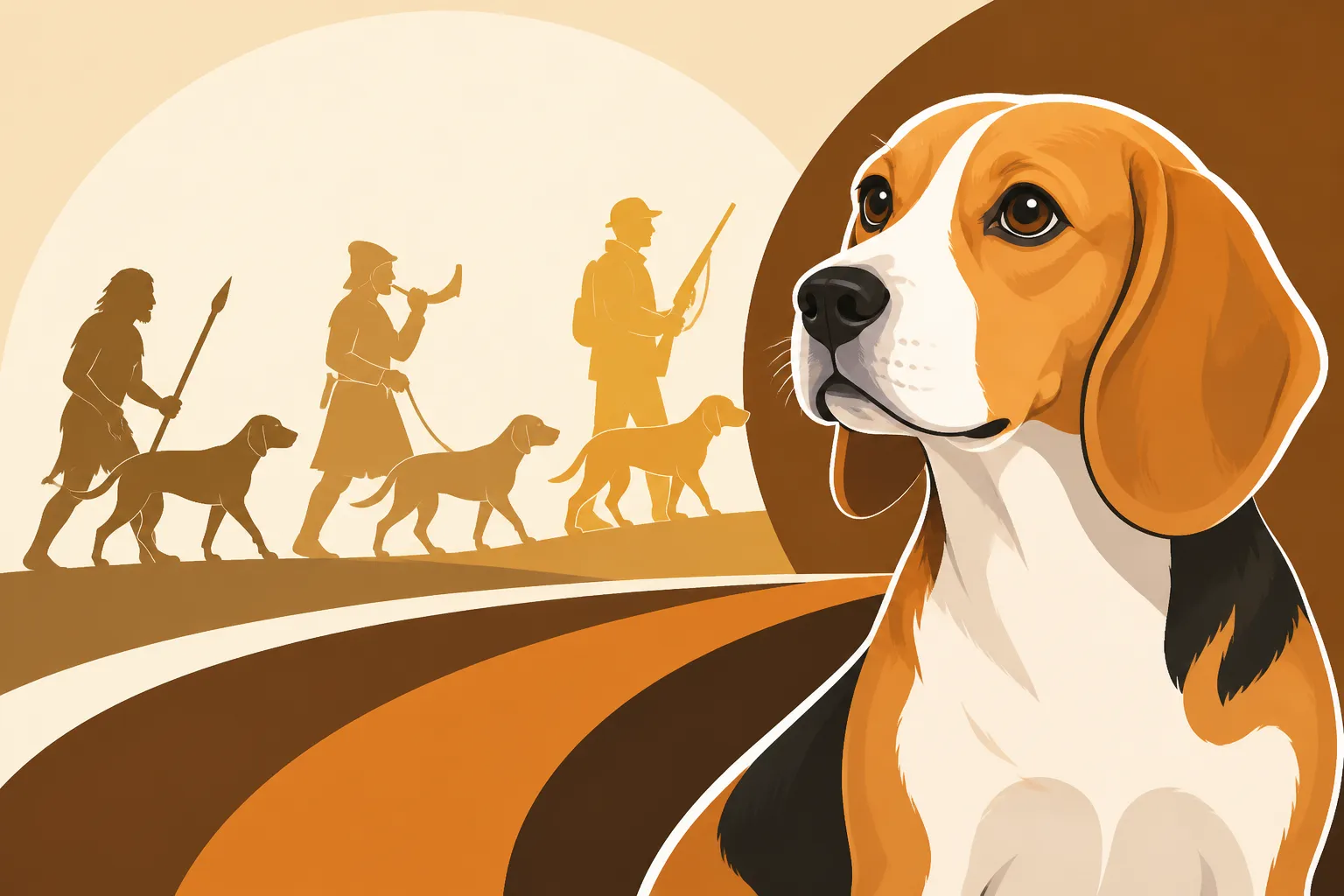
When we talk about how long Beagle-type hounds have existed, it’s not just about a specific breed name popping up in an old text. It’s about the concept of a small, tenacious, scent-driven hound. Humans have relied on dogs for hunting for millennia, and the specialization of tasks, even in ancient times, meant that certain physical and behavioral traits were selectively bred for. Imagine ancient hunters needing a dog that could follow a faint trail through dense undergrowth, communicating with a distinctive vocalization to help its human companions track game without needing line of sight. This is the essence of a Beagle-type hound, and evidence suggests such dogs have been around for a very, very long time.
Early Hunting Companions Across Continents
The earliest traces of small scent hounds pop up in various cultures, often depicted in art or mentioned in historical accounts. Think about hunting scenes from ancient Greece or Rome – while not explicitly "Beagles" as we know them, they frequently feature small, hardy dogs working on scent. These dogs were likely valued for their ability to flush out small game like rabbits and hares, providing a crucial food source. The genetic blueprint for a dog with an exceptional nose, a sturdy build, and a pack mentality has deep roots. It wasn't just about speed; it was about persistence and the ability to navigate difficult terrain while staying focused on a scent. This dedication to the trail is something any modern Beagle owner will recognize immediately, whether their pup is tracking a squirrel in the backyard or a rogue crumb under the couch.
We can see the echoes of these ancient hunters in breeds like the Talbot Hound, a now-extinct hound brought to England by William the Conqueror. While larger than a modern Beagle, the Talbot was a white, heavy-boned scent hound, and many modern British hounds, including the Beagle, are believed to carry some of its lineage. These early dogs weren't uniform in appearance, but their purpose and fundamental abilities were remarkably consistent. It's fascinating to consider how Beagle-Type Hounds Across Twenty-Five Centuries have adapted and evolved, yet retained that core dedication to scent.
From Roman Britain to Medieval Europe
As centuries turned, more distinct types of hounds began to emerge in Europe, particularly in Britain and France. By the time of the Norman Conquest in 1066, various hound breeds were established on the British Isles, some designed for stag hunting, others for smaller quarry. The term "beagle" itself is thought to derive from Old French or Celtic words meaning "little" or "open throat" (referring to their vocalizations), suggesting that small, baying hounds were already a recognized entity.
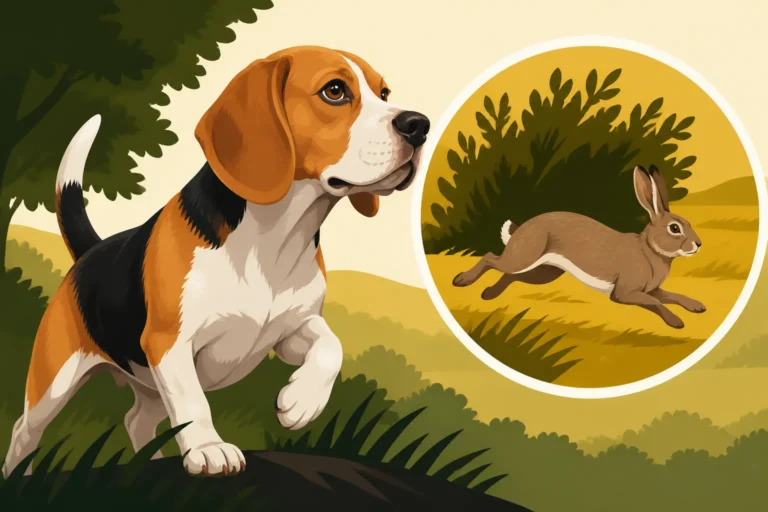
During the medieval period, "Beagle-type" hounds, though not yet a formalized breed, were prized. Noblemen and commoners alike used them for hunting hare and rabbit, a sport known as "beagling" which was often followed on foot, distinguishing it from mounted hunts. These hounds would work in packs, their melodious bays echoing through the fields, helping hunters keep track of the chase. This period saw the informal selection for traits like excellent scenting ability, stamina, and a cooperative nature within a pack – all hallmarks of the Beagle we know today. You can imagine the lineage of The Talbot Hound and the Southern Hound contributing to the genetic pool that would eventually give rise to our beloved Beagles. The consistent need for these traits meant that small, sturdy, vocal scent hounds continued to be a staple in rural life for centuries, long before formal breed standards were ever dreamed of.
The Formative Years: Defining the "Beagle" Through the Centuries
While the idea of a Beagle-type hound is ancient, the actual Beagle breed, with its distinct characteristics, took a more defined shape over the last few hundred years. This period saw a shift from general "small hunting dog" to specific efforts to standardize appearance and working traits, leading us closer to the Beagle we recognize today.
The Elusive "Pocket Beagle" and Elizabethan Hounds
One of the most talked-about historical "Beagle" types is the legendary Pocket Beagle. In Elizabethan times (late 16th century), very small hounds, sometimes small enough to fit into a hunter's saddlebag or even a coat pocket, were popular. Queen Elizabeth I herself was known to keep packs of these tiny hounds, sometimes referred to as "singing Beagles" because of their musical voices. These dogs would often be carried to the hunt on horseback, then released to chase hares through dense undergrowth where larger hounds couldn't easily follow.
It's important to understand that these "Pocket Beagles" weren't a distinct, standardized breed as we understand it now. They were simply very small examples of the Beagle-type hounds of the era, and their size wasn't always consistent. While the romantic image of a dog fitting into a pocket is charming, their existence highlights the continuous selective breeding for smaller sizes to suit particular hunting needs. The discussion around Pocket Beagles and Whether They Ever Existed often delves into whether these were truly a separate variety or simply the smaller end of a varied population. Nevertheless, they showcase an early fascination with compact hounds. Today, if you're looking for miniature versions, you might find yourself exploring various toy breeds, or just a very well-behaved, smaller-than-average Beagle who happens to fit perfectly in a cozy Chewy carrier.
Early Breeding Efforts and the Essex Pack
The 18th and 19th centuries were pivotal for solidifying many modern dog breeds, and the Beagle was no exception. By this time, many of the older, generalized hound types were either dying out or being refined into more specialized breeds. The drive for consistency in appearance and hunting prowess grew, leading to more deliberate breeding practices.
A hugely influential figure in the development of the modern Beagle was Reverend Phillip Honeywood, who established his renowned Essex Pack in England around the 1830s. Honeywood is often credited with having a significant impact on creating the Beagle type that became the foundation for the breed we know today. His pack was carefully bred for hunting ability, particularly for hare, and their characteristics—including size, conformation, and vocalization—became highly desirable. These were sturdy, well-built little hounds, perfect for following a scent trail over long distances. Their success helped to popularize the distinct "Beagle" look and working style. You can learn more about Reverend Phillip Honeywood and His Essex Pack to understand the specific impact of these foundational breeding efforts.
This period saw a conscious move towards what we now recognize as a breed standard. Without these focused efforts, the Beagle might have remained a varied collection of small scent hounds rather than coalescing into a distinct, internationally recognized breed. The detailed records and selective breeding of kennels like Honeywood’s cemented the traits that define a Beagle’s temperament, appearance, and unrivaled sense of smell, paving the way for the breed's eventual formalization.
The Beagle's Journey to Modern Recognition
The story of the Beagle truly takes shape in the late 19th century, moving from established "type" to a formally recognized and cherished breed, both in its native England and across the Atlantic. This era brought about the breed standards and organizations that cemented the Beagle's place in the dog world.
American Contributions and Breed Standardization
While the Beagle originated in England, its journey to becoming one of the most popular dog breeds in the world owes a great deal to American enthusiasts. Beagles began to be imported to the United States in significant numbers after the Civil War, often by hunters who appreciated their keen scenting ability and manageable size for hunting rabbits and hares. In fact, some historians suggest that How American Farmers Saved the Rabbit Beagle is not an overstatement, as American breeders played a crucial role in maintaining and developing the breed when enthusiasm for beagling waned slightly in parts of England.
The burgeoning popularity in America led to the establishment of breed clubs. The National Beagle Club was founded in the United States in 1887, marking a significant milestone in the breed's formal recognition. This club, and others like it, worked to establish a written breed standard, which defined the ideal appearance, size (leading to the 13-inch and 15-inch varieties), and temperament of the Beagle. This standardization helped ensure consistency in breeding and judging, solidifying the Beagle as a distinct and recognizable breed. The details of The National Beagle Club and Its 1887 Founding highlight the meticulous effort that went into formalizing the breed. These efforts ensured that anyone acquiring a Beagle could expect a dog with predictable characteristics, whether they were getting it for hunting, showing, or companionship. The availability of consistent, high-quality dog food from retailers like Chewy makes it easier for owners today to meet the nutritional needs of their standardized Beagles.
This drive for consistency allowed Beagles to flourish not just as working dogs but also as beloved family pets, appreciated for their merry dispositions and compact size. The transition from informal hunting partner to a pedigreed breed with a strong, dedicated following was complete.
A Legacy of Scent and Companionship
From those ancient hounds sniffing out game for early humans to the highly recognizable and beloved family pets of today, the Beagle's journey is a testament to the enduring bond between humans and dogs. Their specialized nose, which first served a vital hunting purpose, now brings joy in scent games, detection work, and simply following an intriguing smell on a neighborhood walk. The distinct bay, a communication tool for pack hunters, is now the characteristic "song" that charms (or occasionally challenges!) Beagle owners.
Today, Beagles remain incredibly popular, consistently ranking high in breed registrations. Their adaptable nature makes them suitable for various roles, from working with the USDA Beagle Brigade to being cherished members of families worldwide. This deep history, spanning thousands of years in concept and a few centuries in specific breed development, is a huge part of what makes the Beagle so special. Their history isn't just a record of their past; it's woven into their very DNA, influencing their instincts, their merry disposition, and their endless curiosity for the world of scent. Whether you're interested in Beagle Health Testing Under CHIC or simply want to understand the origins of their boundless energy, knowing their ancient lineage adds another layer of appreciation for this incredible breed.
Below is a table summarizing key historical periods for Beagle-type hounds:
| Period | Key Characteristics of Hounds | Impact on Beagle Development |
|---|---|---|
| Ancient Times | Small, tenacious scent hounds for tracking small game. | Established core "scent hound" purpose and basic physical type. |
| Medieval Europe | "Beagle-type" hounds, used in packs for hare hunting, vocal. | Refined hunting instincts, pack mentality, distinctive vocalizations. |
| Elizabethan Era | Very small "Pocket Beagles" popular for hunting, known for voices. | Highlighted preference for compact size, continued vocal selection. |
| 18th-19th Century | Formal breeding efforts (e.g., Reverend Honeywood's Essex Pack). | Creation of a more consistent "Beagle" type, foundation for the breed. |
| Late 19th Century On | Breed clubs (National Beagle Club), standardization of two varieties. | Formal recognition, established breed standard, widespread popularity. |
Understanding this long lineage helps us appreciate why a Beagle behaves the way it does. The instincts we sometimes find challenging – the relentless nose, the vocalizations, the determined independence when on a scent – are not flaws, but echoes of thousands of years of purpose. They are a living, breathing piece of history, always ready for the next adventure, especially if it involves a good sniff and a tasty treat from Chewy.
Disclaimer
This article is for general informational purposes only and does not constitute professional advice. Laws, prices and regulations vary by location and change over time. Consult a qualified professional for guidance on your specific situation.