The Fifteen Inch Beagle Variety
Many prospective Beagle owners find themselves a bit confused when breeders and breed standards refer to different "varieties" or "sizes," especially when trying to decipher what a "15-inch Beagle" truly means. It’s not just about a couple of inches; these distinctions can sometimes subtly influence everything from their energy levels to how they fit into your home. This guide will clarify the specifics of the fifteen-inch Beagle variety, delving into its defining characteristics and what to expect when welcoming one into your life.
Understanding the Fifteen-Inch Beagle Standard
The concept of Beagle varieties can seem a little antiquated in some ways, but it's deeply rooted in the breed's history and the way they were traditionally bred and shown. When you hear "15-inch Beagle," it's not just a casual observation of height; it refers to a specific classification within the breed standard that dictates the maximum height a Beagle can be to still be considered within that variety. It’s all about maintaining the integrity and purpose for which these wonderful hounds were originally developed.
Historical Context of the Two Varieties
Historically, Beagles were bred for hunting hare and rabbit, and their size often depended on the terrain and the type of hunt. Smaller Beagles were sometimes referred to as "Pocket Beagles" and could even fit into a hunter's saddlebag, though that extreme size is rarely seen today. As the breed developed, particularly in America, two main size varieties became officially recognized by kennel clubs. This wasn't just arbitrary; it reflected the functional differences and preferences of breeders and hunters. The distinctions ensured that Beagles retained their classic form and ability to work in the field. These historical roots still influence the breed standard we see today and help us understand why these size classifications exist.
AKC Standards and Measurement
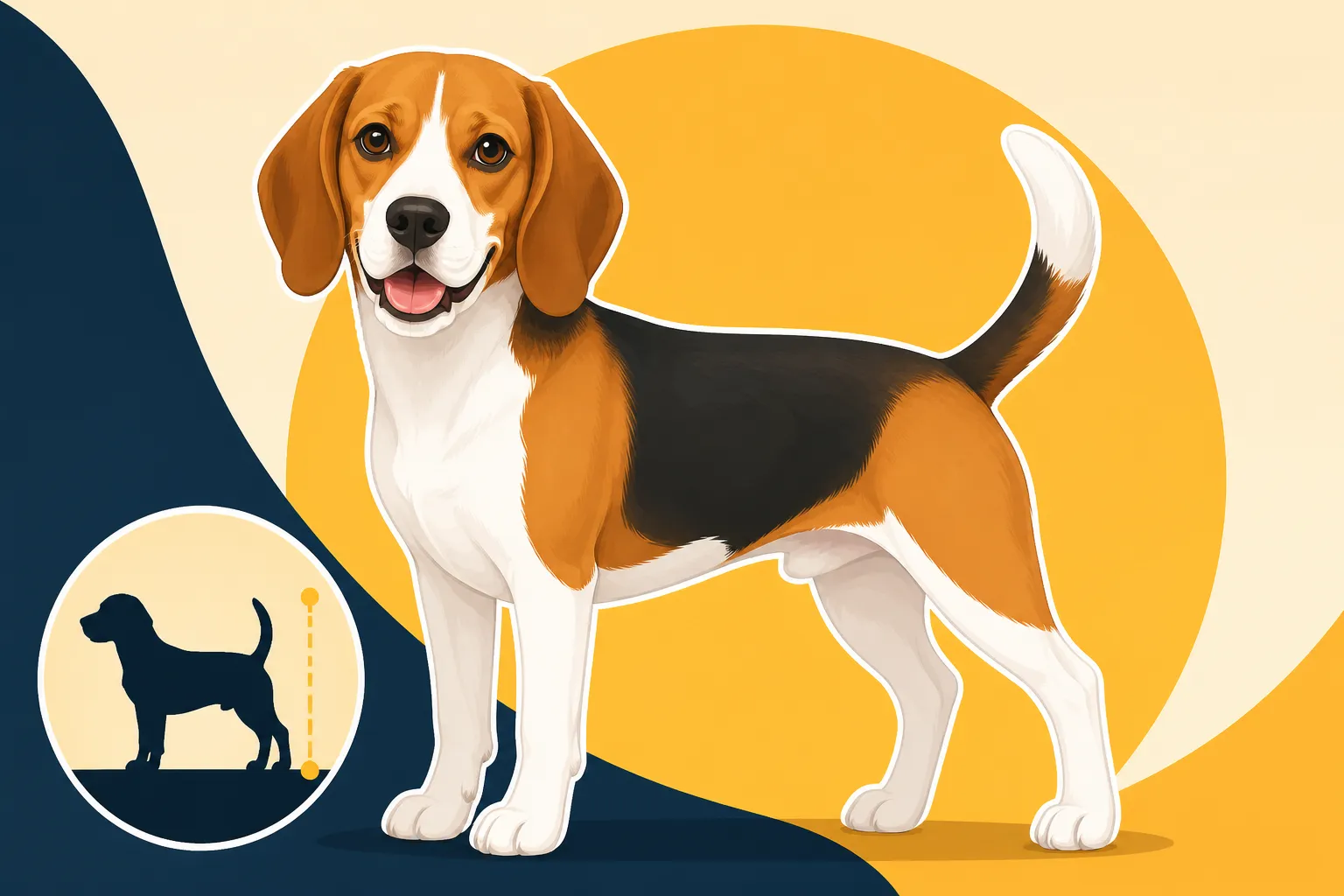
When we talk about a "15-inch Beagle," we're specifically referring to the American Kennel Club (AKC) standard, which recognizes two varieties: those "not exceeding 13 inches" and those "over 13 inches but not exceeding 15 inches" at the shoulder. This measurement is taken from the top of the dog's shoulder blades (the withers) down to the ground. It’s a precise measurement, and breeders will often have puppies measured by a vet or a judge to confirm their classification, especially if they are destined for the show ring. If a Beagle is over 15 inches, it would be disqualified in an AKC conformation event, even if it still possesses all other excellent Beagle traits. This strict standard helps maintain uniformity within the breed lines, ensuring that what you expect from a Beagle, in terms of its build and function, remains consistent.
Distinguishing from the Thirteen-Inch Variety
The primary difference between the 13-inch and 15-inch varieties is, quite simply, their height. While two inches might not seem like a huge jump, it can translate to a noticeable difference in overall presence, stride, and sometimes even perceived energy levels. The 13-inch variety is often slightly more compact, which for some owners, makes them feel a bit more manageable in smaller living spaces. However, it's crucial to remember that both varieties are still Beagles through and through. They share the same incredible scent drive, vocal tendencies, and merry dispositions. The choice between the two often comes down to personal preference regarding size, how they fit into your home, and perhaps even the specific line of Beagles a breeder specializes in. It's a bit like choosing between a compact car and a slightly larger sedan; both get you where you need to go, but one offers a bit more room.
Physical Characteristics Beyond Height
While height is the defining factor for the 15-inch variety, it’s not the only physical trait that matters. A Beagle's overall build, its weight in proportion to its frame, and its distinctive features all contribute to its unique appearance and functional capabilities. Understanding these aspects helps paint a complete picture of what a 15-inch Beagle typically looks like.
Weight Range for the Fifteen-Inch Beagle
Naturally, a taller Beagle will generally carry more weight than its smaller counterpart. A well-conditioned 15-inch Beagle typically weighs between 25 to 35 pounds. However, this is a guideline, not a strict rule. Just like people, Beagles come with individual variations. What's most important isn't hitting an exact number on the scale but ensuring your Beagle maintains a healthy body condition. You should be able to feel their ribs easily without seeing them, and they should have a discernible waist when viewed from above. An overweight Beagle, regardless of its height, faces a myriad of health issues, including increased risk of Beagle Hip Dysplasia and Everyday Joint Wear and Beagle Disc Disease and That Slightly Long Back. Monitoring their weight and feeding them appropriate portions of high-quality food, perhaps using a measuring scoop readily available from places like Chewy, is paramount.
Overall Build and Proportion
Beyond just height and weight, the 15-inch Beagle should display the characteristic sturdy, compact, and well-muscled build that defines the breed. They are not delicate dogs; they were bred for endurance and resilience in the field. Their body should be proportionate, with a level back, strong loin, and deep chest. The legs should be straight, and their feet well-knuckled. Everything about their structure is designed for efficiency and tireless pursuit of scent. This robust build is part of their charm and contributes to their generally good health and longevity, provided they are kept at a healthy weight and given ample exercise. You want to see a dog that looks ready for an adventure, not one that is either too delicate or too bulky.
Coat and Color Variations
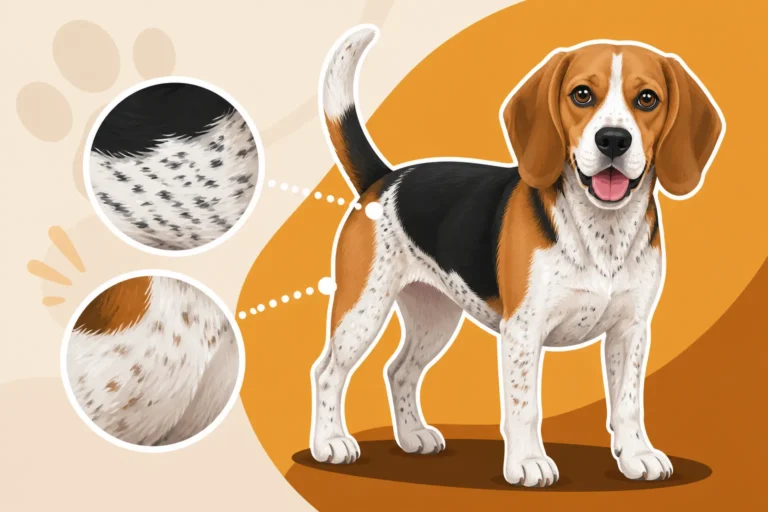
The height of a Beagle doesn't dictate its coat or color. Both the 13-inch and 15-inch varieties share the same classic Beagle coat: a smooth, dense, double coat that is protective against various weather conditions. It's not a fluffy coat, but it does shed, especially during seasonal changes. As for color, the AKC standard allows for any true hound color, with the most common being the familiar tricolor (black, white, and tan). Other recognized colors include lemon and white, red and white, blue tick, and even solid white, although true solid colors are rare. The Beagle Tricolor and Where It Comes From is a fascinating topic, tracing back to traditional hound markings. Regardless of height, a Beagle's coat is relatively low maintenance, requiring regular brushing to manage shedding and keep it healthy. You can find excellent grooming tools, from deshedding brushes to gentle shampoos, on pet supply websites like Chewy.
Temperament and Lifestyle Considerations
The core Beagle temperament is largely consistent across both size varieties, but a slightly larger frame can sometimes amplify certain traits or influence how they manifest in a home environment. Understanding these aspects will help you determine if a 15-inch Beagle aligns with your lifestyle expectations.
Energy Levels and Exercise Needs
A 15-inch Beagle is a robust, active hound with energy to spare. While often described as "merry," this cheerfulness is often fueled by a substantial reserve of stamina. They require a good amount of daily exercise to stay happy and healthy. This isn't just a quick walk around the block; we're talking about vigorous play, long sniff walks, or even a good run. Without adequate outlets for their energy, they can become restless, destructive, or excessively vocal. Think about activities like long-line walks in a safe, open area, engaging in Scent Work as the Job a Beagle Was Built For, or playing fetch in a securely fenced yard. They're bred to cover ground and follow a scent trail for hours, so their exercise needs are not to be underestimated, even if they sometimes look like lazy couch potatoes after a good run.
Intelligence and Trainability
Beagles are intelligent dogs, but their intelligence is often geared towards problem-solving related to scent, not necessarily eager obedience. This can lead to them being described as stubborn. They are highly food-motivated, which is a fantastic lever for training, but their nose will always be their primary guide. A 15-inch Beagle, with its slightly larger stature, might feel a bit more powerful on the leash when that nose hits an interesting trail. Consistent, positive reinforcement training from puppyhood is essential. Focus on building strong Beagle Recall and Why Your Voice Stops Registering and teaching a solid "leave it" command. They excel at activities like nose work, where their natural talents are harnessed in a constructive way. Remember, training a Beagle is less about breaking their will and more about channeling their natural instincts.
Vocalizations and Scent Drive
Beagles are hounds, and hounds vocalize. The 15-inch variety is no exception. They are known for their distinctive bay, a deep, musical howl that was originally used to alert hunters to the location of prey. They also bark and whine. While you can train a "quiet" command, completely eliminating their natural vocalizations is often an uphill battle. The strength of their scent drive is also legendary. With The 220 Million Receptors Behind a Beagle's Nose, a smell can transport them to another dimension, making them oblivious to commands or distractions. A larger Beagle might have an even more pronounced physical presence when they become engrossed in a scent trail, pulling with impressive force on the leash. It’s crucial to acknowledge these inherent traits and prepare for them, rather than expecting a silent, perfectly obedient companion. Living with a Beagle means embracing their "singing" and their nose-first approach to life.
Living with a Fifteen-Inch Beagle
Bringing a 15-inch Beagle into your home requires some thoughtful preparation to ensure both you and your dog thrive. Their size, energy, and specific breed traits influence everything from how much space they need to their potential health considerations.
Space Requirements and Housing
While a 15-inch Beagle isn't a giant breed, they are active dogs and definitely need more than just a small apartment to truly be content. A home with a securely fenced yard is often ideal, giving them space to romp, sniff, and burn off some energy safely. If you live in an apartment, you'll need to be extra diligent about providing ample daily exercise and mental stimulation through walks and indoor games. They can adapt to apartment living if their human companions are committed to their physical and mental needs, but it requires a dedicated effort. Beagles, regardless of size, are prone to Beagle Separation Anxiety in a Pack Breed, so they generally don't do well being left alone for excessively long periods. Whether in a house or apartment, a comfortable crate can be a valuable tool for their sense of security and house training.
Dietary Needs and Weight Management
With their boundless appetite and uncanny ability to sniff out hidden snacks, managing a Beagle's diet is a lifelong commitment. A 15-inch Beagle requires a carefully portioned diet to prevent obesity, which is a common issue in the breed. High-quality kibble or a vet-approved fresh food diet, measured precisely, is key. They are opportunistic eaters, so counter-surfing and trash-raiding are common Beagle pastimes. Keeping food secured and teaching a strong "leave it" command are vital. Incorporate puzzle feeders and slow-feeder bowls to make mealtime last longer and provide mental enrichment. Treats should be high-value for training but low-calorie to avoid unnecessary weight gain. Sites like Chewy offer a fantastic selection of these specialized feeding tools. Regular vet check-ups will help you monitor their body condition score, as it's easy for even a small amount of extra weight to become a health burden. You can dive deeper into this topic in Beagle Obesity Treated as a Health Problem.
Grooming and Health Considerations
A 15-inch Beagle's grooming needs are relatively straightforward. Their short, dense coat requires weekly brushing to minimize shedding and keep it healthy. Regular nail trims are a must, as overgrown nails can lead to discomfort and gait problems. Their long, floppy ears are characteristic but also prone to infections because they trap moisture and dirt. Therefore, Beagle Ear Cleaning as a Weekly Job is a critical part of their routine. Beyond routine care, Beagles are susceptible to certain health conditions that owners should be aware of. These include hypothyroidism, epilepsy, and various eye conditions. Reputable breeders will conduct health screenings, and it's always wise to ask about the health history of the puppy's parents. Regular veterinary check-ups throughout their life, particularly as they age, are essential for catching and managing potential issues early on.
Finding a Reputable Breeder for a Fifteen-Inch Beagle
When you've decided a 15-inch Beagle is the right addition to your family, the next crucial step is finding a reputable breeder. This isn't just about getting a cute puppy; it's about ensuring you bring home a healthy, well-socialized dog with a predictable temperament, bred true to the standard.
What to Look for in a Breeder
A reputable breeder prioritizes the health and temperament of their dogs above all else. They should be transparent, eager to answer your questions, and equally eager to ask you questions to ensure their puppies are going to good homes. Look for a breeder who:
- Specializes in Beagles: They should be knowledgeable about the breed's history, health concerns, and specific traits.
- Shows their dogs: Participation in conformation or performance events (like scent work trials) indicates a commitment to the breed standard and working ability.
- Allows visits: You should be able to visit their facility, meet the mother dog (dam), and observe the puppies in a clean, stimulating environment.
- Provides a health guarantee and contract: This should outline what happens if a genetic health issue arises.
- Is transparent about lineage: They should provide AKC registration papers and pedigrees.
- Doesn't offer "designer" or "rare" colors at inflated prices: Reputable breeders focus on health and standard.
- Has a waiting list: Good breeders often have a wait, which is a positive sign.
- Offers lifetime support: A good breeder will be a resource for you throughout your Beagle's life.
Steering clear of backyard breeders or puppy mills is vital for the health and well-being of the entire breed.
Health Testing for the Larger Variety
Just like the 13-inch variety, 15-inch Beagles should come from parents who have undergone specific health testing. The Canine Health Information Center (CHIC), a program sponsored by the Orthopedic Foundation for Animals (OFA), provides a central database for health test results. For Beagles, recommended screenings often include:
- OFA Hip Evaluation: To screen for hip dysplasia. Even though Beagles aren't typically a large breed, they can still be affected.
- OFA Eye Examination: Conducted by a board-certified veterinary ophthalmologist to screen for various eye conditions like Beagle Cherry Eye and Glaucoma.
- MLS DNA Test (Musladin-Lueke Syndrome): A genetic test for a connective tissue disorder specific to Beagles.
- Thyroid evaluation: To screen for hypothyroidism.
A reputable breeder will happily provide documentation of these clearances for both parent dogs. Don't be shy about asking to see them; it's a mark of responsible breeding. Knowing that parents have been screened gives you much greater peace of mind about your future puppy's health.
Questions to Ask About Size and Temperament
When you're speaking with a breeder, it's a great opportunity to ask specific questions relevant to the 15-inch variety and how they manage their breeding program:
- "What is the typical height and weight range of your adult Beagles?" This helps confirm they are indeed breeding to the 15-inch standard.
- "What are the temperaments of the parent dogs like?" A responsible breeder will be able to describe the personalities of their breeding stock, ensuring they are stable and friendly.
- "How do you socialize your puppies?" Early socialization is crucial for all Beagles, helping them adapt to new sights, sounds, and experiences.
- "Do you typically see any significant differences in energy or vocalization between your 13-inch and 15-inch lines, if you breed both?" While temperament is largely consistent, some breeders might observe subtle differences based on their specific lines.
- "What do you feed your adult dogs and puppies?" This gives you insight into their nutritional practices and helps you prepare for your puppy's transition to your home.
Being prepared with these kinds of questions shows your commitment and helps you find a breeder who matches your expectations for responsible pet ownership.
Disclaimer
This article is for general informational purposes only and does not constitute professional advice. Laws, prices and regulations vary by location and change over time. Consult a qualified professional for guidance on your specific situation.