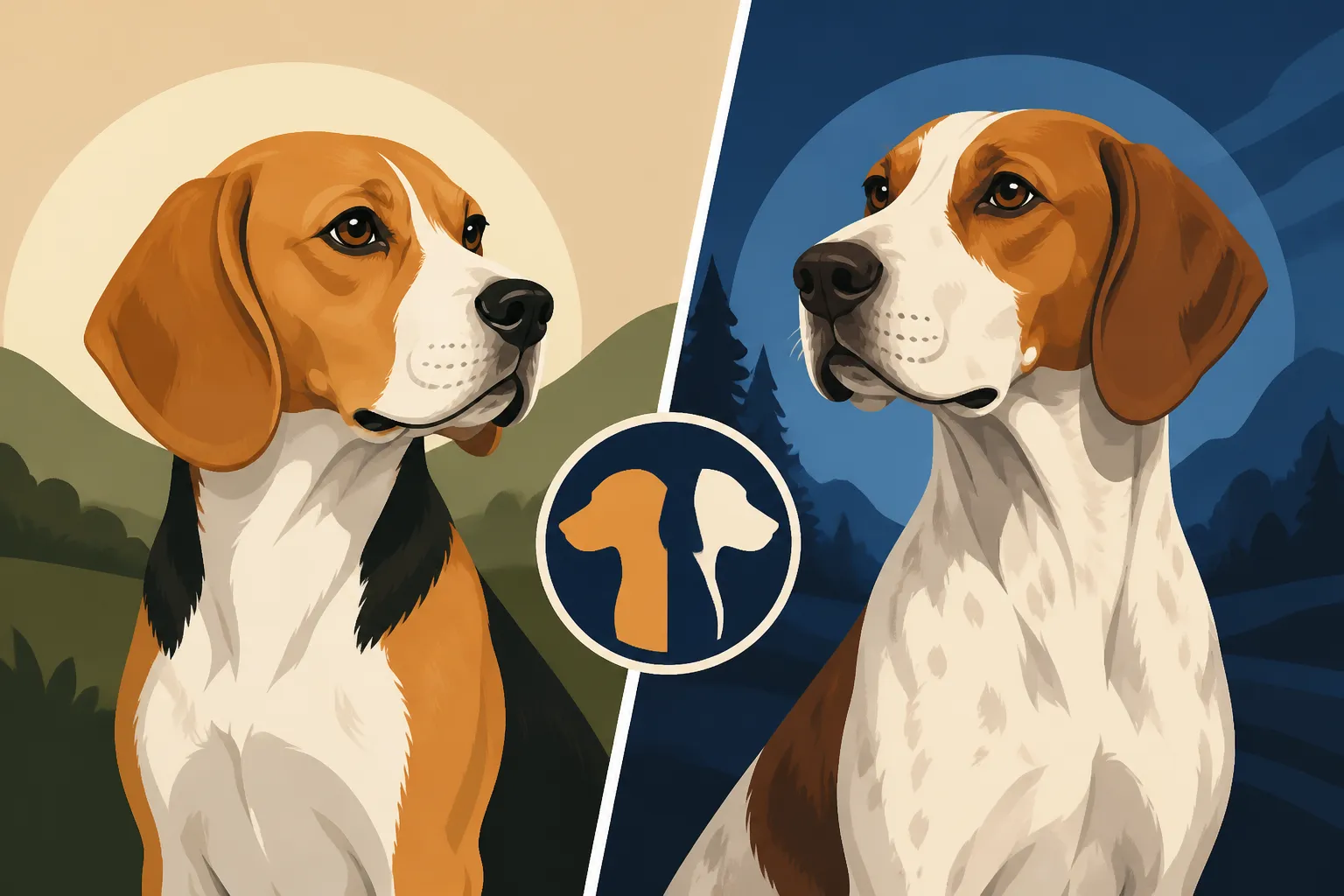
The Talbot Hound and the Southern Hound
It's easy to look at our beloved Beagles today, curled up on the couch or intently following a captivating scent trail in the yard, and not fully grasp the incredibly long and rich history behind those soulful eyes. They didn't just appear out of thin air! In fact, the story of the modern Beagle is deeply intertwined with ancient European hunting practices and the development of specific hound types, particularly the elusive Talbot Hound and the formidable Southern Hound. Understanding these foundational ancestors helps us truly appreciate the unique instincts and characteristics that make our Beagles who they are.
Tracing the Ancient Lineage of Scent Hounds
To truly understand the Beagle, we have to journey back centuries, even millennia, to a time when hunting wasn't just a sport but a vital part of sustenance and social structure. In this era, scent hounds were indispensable, and two names stand out as critical to the Beagle's ancestry: the Talbot Hound and the Southern Hound. Their influence wasn't just a fleeting moment; it was the very bedrock upon which many of our modern scenthound breeds, including our merry little Beagles, were built. It's a fascinating look into canine evolution, driven by human needs and the raw, untamed landscape.
The Mystique of the Talbot Hound
The Talbot Hound is, for many, more legend than concrete fact, shrouded in the mists of medieval history. Often depicted in ancient tapestries, coats of arms, and heraldic symbols, it's clear this was a dog of significant stature and importance. Imagine a large, powerful white hound, sometimes with patches, possessing deep-set eyes, long pendant ears, and a strong, muscular build. This was a dog bred for its incredible scenting ability and persistence, likely used for tracking large game like deer or even for war. Its very image conveyed nobility and strength.
While the exact origins are debated – some theories link it to Norman invaders bringing hounds to England after 1066 – what's clear is that the Talbot was a foundational type. It was a heavy, slow-moving hound, known for its methodical tracking and deep, resonant voice. It wasn't about speed; it was about unwavering focus on a scent trail, no matter how faint or old. Over time, as hunting practices changed and faster, more agile hounds were desired, the Talbot type gradually faded, merging into other developing breeds or simply disappearing as a distinct entity. Yet, its genetic legacy, particularly its unparalleled nose and tenacious spirit, undeniably flowed into the evolving pool of English hounds.
The Southern Hound's Enduring Influence
If the Talbot Hound is the elusive ancestor, the Southern Hound is its more well-documented successor, widely recognized as a direct forefather to many modern British scent hounds, including, crucially, the Beagle. Emerging in medieval England, the Southern Hound was a large, heavy-boned dog, renowned for its deliberate pace and deep, melodious voice. Think of a dog built for endurance over speed, a tracker par excellence that could follow a cold trail for hours, even days. It possessed a broad head, heavy lips, long pendulous ears that helped sweep scent towards its nose, and a robust body capable of traversing difficult terrain.
The primary function of the Southern Hound was to "trail" game, often hare or deer, with a slow but absolutely relentless accuracy. Its voice was legendary – a deep, mournful bay that would echo through the valleys, keeping hunters informed of the progress of the chase. This wasn't a dog that rushed; it was a dog that dissected every nuance of a scent, piecing together the puzzle of where its quarry had gone. This methodical approach was highly prized, especially in dense underbrush or across varied landscapes. The Southern Hound's influence on the Beagle is undeniable, particularly in the Beagle's incredible nose, its characteristic bay, and its unwavering dedication to a scent. This was a dog that laid the groundwork for the persistent, vocal tracking abilities we see in our Beagles today. The Southern Hound and Its Slow Deliberate Trail is a testament to this enduring legacy.
How These Ancestors Shaped the Early Beagle
When we think about our Beagles, many of their most defining traits – their incredible nose, their vocal nature, their sheer determination – aren't random quirks. They are direct inheritances, echoes from generations of dedicated hunting hounds like the Talbot and Southern Hounds. These weren't just similar dogs; they were the genetic blueprints that, through careful selection and adaptation, ultimately led to the development of the smaller, foot-following Beagle we know and love.
Inheriting the Scenting Prowess
One of the most striking legacies from the Talbot and Southern Hounds is the Beagle's truly extraordinary sense of smell. These ancient hounds were, above all else, scent machines. Their entire existence revolved around detecting, interpreting, and relentlessly following scent. Imagine a world where your very survival, or at least your ability to put food on the table, depended on your dog's nose. You'd breed for the absolute best, right? That's precisely what happened. The Talbot's methodical tracking and the Southern Hound's unwavering focus on even the coldest trails instilled an unparalleled olfactory capability.
Our Beagles carry this DNA directly. Their 220 million scent receptors, their large olfactory bulb, and their ability to discriminate between countless odors are not just impressive traits; they are direct evolutionary advantages honed over centuries by their ancestors. When your Beagle puts its nose to the ground and becomes utterly deaf to your calls, it's not being stubborn in the way a human might be; it's simply activating a deeply ingrained, highly refined ancestral instinct. It's following a blueprint laid down by hounds like the Talbot, for whom "the trail" was everything. Why a Beagle Walks With Its Nose to the Ground speaks volumes about this inherent drive.
The Voice of the Hound: Baying and Howling
Another unmistakable inheritance from these ancient forebears is the Beagle's famously vocal nature. The deep, resonant bay of the Southern Hound was a critical tool for hunters. In dense forests or across vast open fields, sight of the dogs could easily be lost. The sound, therefore, became the primary communication link. A steady bay meant the hound was on the trail, a change in pitch might indicate a fresh scent or a different type of quarry. This was not just noise; it was information, a tracking language understood by all.
Beagles inherited this "voice of the hunt." Their distinctive bay, a deep, melodic cry that differs significantly from a regular bark, is a direct link to those ancestral hounds. It's a genetic predisposition to announce, to communicate the excitement and progress of a chase. While a modern pet Beagle might bay at the mailman, a squirrel, or even out of boredom, that vocalization is a remnant of a time when its ancestors bayed to signal a hot trail to the human hunters following on foot. It’s part of Why Hunting Beagles Were Bred to Bay at All, and it’s why understanding Beagle Howling, Baying and Barking Explained is so crucial for owners. It's not always mischief; often, it's just pure, unadulterated hound.
Physical Traits and Temperament: A Family Resemblance
Beyond their specialized senses and vocalizations, the Talbot and Southern Hounds also passed down a distinct physical conformation and a core temperament that continues to define the modern Beagle. While Beagles are certainly smaller and refined for a different type of hunt, you can still see the echoes of their ancestors in their structure and their joyful, yet determined, personalities. It's a fascinating look at how selective breeding retains certain characteristics even as others evolve.
The Enduring Look: Structure and Form
If you could line up a modern Beagle next to historical drawings or descriptions of a Southern Hound, you'd notice some striking similarities, despite the size difference. The hallmark characteristics of a hound – those long, pendulous ears that are so good at collecting scent, the broad skull, the sturdy, muscular neck, and a compact, powerful body built for endurance – are all present. The Southern Hound was known for its substantial bone and muscular frame, designed for covering ground methodically, not sprinting. While the Beagle is smaller, it retains that solid, substantial feel, that low-slung power.
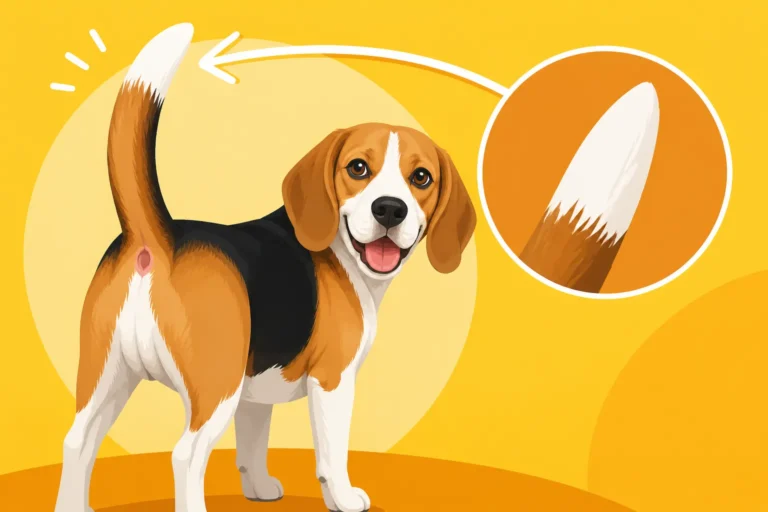
Consider the Beagle's well-developed chest, necessary for lung capacity during long chases, or its strong hindquarters for propulsion. These are direct adaptations from its larger ancestors. The tail, often carried gaily like a flag, might seem like a mere aesthetic, but it too played a role in the hunt, making the dog visible to hunters in tall grass or brush. The white tip on a Beagle's tail, often called the "flag," is thought to be an ancient trait specifically bred to ensure the dog could be seen when working in dense cover. Even the deep-set, soft eyes can be traced back, often described in older hounds as conveying a focused, intelligent expression.
Temperamental Echoes: Drive and Sociability
The temperament of the Beagle is arguably as much an inheritance as its physical form. Both the Talbot and Southern Hounds were pack animals. They hunted in groups, relying on cooperation and a strong social structure within the pack. This inherent pack mentality translates directly into the Beagle's generally sociable and affable nature. They tend to do well with other dogs and are often very tolerant and loving with their human "pack members," including children. This isn't just a happy coincidence; it's a deeply ingrained behavioral trait passed down through generations.
However, hand-in-hand with this sociability comes a powerful, focused drive. When these ancestral hounds were on a scent, little else mattered. That singular determination, that "stubbornness" or "selective hearing" we sometimes attribute to our Beagles, is really just a high-octane version of their ancestors' unwavering focus. They were bred to stick to a trail until the bitter end, ignoring distractions that didn't pertain to the hunt. This drive is why Beagles are so prone to following their nose wherever it leads, why recall can be such a challenge, and why they thrive when given a "job" that engages their natural scenting abilities, such as Scent Work as the Job a Beagle Was Built For. The joyful, merry disposition often described in Beagles is also an ancestral trait; a good hound was one that was enthusiastic and eager to work.
The Evolution of Hunting Practices and Breed Development
The journey from the large, deliberate Talbot and Southern Hounds to the smaller, agile Beagle wasn't a random occurrence. It was a direct response to changing social landscapes, evolving hunting preferences, and the practicalities of the hunt itself. As societies shifted and new forms of sport emerged, so too did the demand for specific types of dogs, leading to the refinement and specialization of hound breeds. This period of evolution truly cemented the Beagle's place in history.
From Grand Hunts to Foot-Followed Sport
In medieval times, hunting large game like deer or boar was often a grand affair, involving horses, a retinue of hunters, and packs of powerful hounds like the Talbot and Southern Hounds. These dogs were perfect for slow, sustained chases across open country, allowing the mounted hunters to keep pace. However, over centuries, several factors led to a change in hunting styles. Land enclosures became more common, reducing the vast open spaces needed for mounted hunts. Furthermore, "foot hunting" or "beagling" – where hunters followed the hounds on foot – grew in popularity, particularly for smaller game like rabbits and hares.
This shift created a demand for a different kind of hound: one that was smaller, slower than a foxhound (so it could be easily followed on foot), but still possessed the incredible scenting ability and persistence of its larger ancestors. The Southern Hound, with its deliberate pace, was already a good candidate, but further miniaturization and refinement were needed. This is where the early "Beagle-type" hounds began to truly take shape, essentially a downsized version of their larger forebears, perfectly adapted for the foot-followed pursuit of rabbits and hares through varied terrain. It was a practical evolution, driven by the desire for a sporting dog that was accessible to a wider range of people.
The Disappearance and Preservation of Lineages
While the Talbot Hound as a distinct breed eventually faded into obscurity, its genetic material undoubtedly contributed to the pool of hounds that eventually became the Beagle, Foxhound, and other scenting breeds. It's a reminder that breed development isn't always a neat, linear progression; sometimes, older types are absorbed and refined into newer ones. The Southern Hound, too, eventually gave way to more specialized breeds as the demand for particular hunting traits continued to evolve. Faster hounds like the North Country Beagle and eventually the modern Foxhound started to gain prominence for different types of hunts.
However, the influence of these foundational hounds was so strong that many of their characteristics were carefully preserved. Breeders, recognizing the value of the Southern Hound's nose and voice, consciously selected for these traits in the emerging Beagle types. This selective breeding ensured that while the original breeds might vanish, their most valuable attributes lived on in their descendants. It's a testament to the enduring power of good breeding stock and the importance of preserving functional traits. Even today, you can find breed enthusiasts dedicated to understanding and, in some cases, attempting to "recreate" ancient hound types to appreciate their historical significance. Looking for specific historical breeds or breed mixes sometimes involves exploring specialized stores like Chewy for breed-specific food and toys.
Here's a quick look at how these historical hounds likely stack up in terms of key characteristics:
| Characteristic | Talbot Hound (Inferred) | Southern Hound | Early Beagle | Modern Beagle |
|---|---|---|---|---|
| Size | Large, Heavy | Large, Sturdy | Medium-Small | Small-Medium |
| Pace | Very Slow, Deliberate | Slow, Methodical | Moderate | Moderate-Fast |
| Scenting | Exceptional | Exceptional | Exceptional | Exceptional |
| Voice | Deep, Resonant | Deep, Melodious Bay | Melodic Bay | Melodic Bay |
| Purpose | Large game, War | Large/Small Game, Tracking | Hare/Rabbit Hunting (Foot) | Pet, Hunting, Scent Work |
| Ears | Long, Pendant | Very Long, Low-Set | Long, Pendant | Long, Pendant |
| Temperament | Tenacious, Calm | Tenacious, Focused, Pack | Merry, Eager, Pack | Merry, Curious, Pack |
Modern Beagles: Living Legacy of Their Ancestors
It's truly remarkable how much of their ancient ancestry our modern Beagles still carry, not just as historical footnotes but as active, defining characteristics. From their irresistible urge to follow a scent to their characteristic vocalizations, every aspect of a Beagle's being is interwoven with the legacy of hounds like the Talbot and Southern Hounds. Recognizing this isn't just about historical trivia; it's about deeply understanding and appreciating the dogs we share our lives with.
The Beagle's Place in Today's World
The formidable scenting ability, inherited directly from generations of dedicated trackers, makes the Beagle an ideal candidate for various modern "jobs." While few Beagles are still used in traditional foot packs hunting hare in the countryside, their noses are in high demand elsewhere. Think of The Beagle Brigade and the Working Beagle at airports, where their friendly demeanor and incredible scent detection capabilities make them perfect for sniffing out contraband without alarming passengers. Their persistence and drive, honed over centuries by ancestors tracking through forests and fields, are now channeled into detecting everything from illicit food items to bed bugs.
Even as beloved family pets, the Beagle's ancestral traits shine through. That unwavering focus when they catch a whiff of something interesting on a walk, that characteristic "Aroooo!" when they're excited or lonely, that joyful, yet endlessly curious, exploration of their environment – it's all part of the package. Their pack mentality makes them generally good-natured and tolerant companions, a trait invaluable in a family setting. Whether they're tracking a runaway treat crumb under the sofa or enthusiastically greeting visitors, our Beagles embody the spirit of their working hound lineage. And knowing this history can really change how we approach their exercise and enrichment, leading us to activities that truly tap into their natural instincts, like structured scent games you can buy at retailers like Chewy.
Understanding Your Beagle Through Its History
For Beagle owners, understanding this rich ancestral background is more than just interesting; it's genuinely empowering. It helps us interpret their behaviors, appreciate their quirks, and work with their instincts rather than against them. When your Beagle ignores your call because their nose has found something utterly fascinating, it's not a personal affront; it's the 220 million scent receptors overriding everything else, a direct echo of their Southern Hound ancestors. When they bay at a distant siren or an unseen neighbor, they're channeling that ancient urge to announce and communicate.
By recognizing that many of these behaviors are hardwired – a consequence of hundreds of years of selective breeding for specific hunting traits – we can approach training and management with greater empathy and effectiveness. Instead of trying to "train out" their nose, we can engage it with scent games and Sniffing Walks and Why They Tire a Beagle Out. Instead of getting frustrated by their vocalizations, we can try to understand their triggers and manage the environment. Knowing that the Beagle's merry disposition and love for company come from their pack-hunting history helps us ensure they get enough social interaction and don't suffer from Beagle Separation Anxiety in a Pack Breed. This historical context offers a deeper appreciation for these wonderful, instinct-driven companions and helps us build a stronger, more harmonious relationship with them.
Disclaimer
This article is for general informational purposes only and does not constitute professional advice. Laws, prices and regulations vary by location and change over time. Consult a qualified professional for guidance on your specific situation.