Beagle Hair on the Furniture and Your Clothes
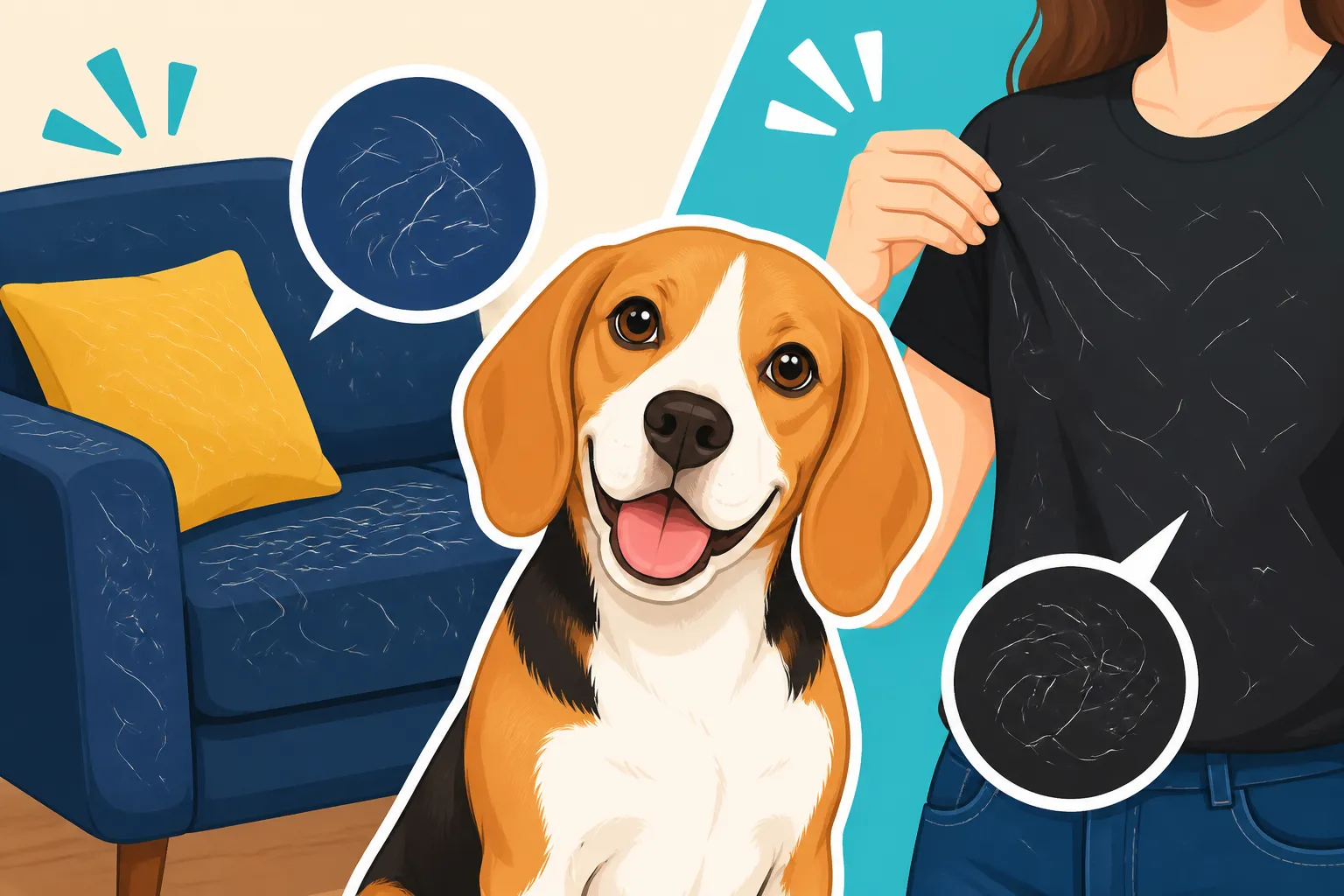
If you share your home with a Beagle, you know that their merry, active presence comes with a constant, often overwhelming, accessory: hair. It’s on your furniture, woven into your carpets, clinging stubbornly to your favorite black trousers, and somehow, always, always in your morning coffee. This guide will walk you through understanding why Beagles shed so much and equip you with realistic, day-to-day strategies to manage the furry invasion, keeping your home and clothes a little less lint-rolled.
Understanding the Beagle Shedding Cycle
Beagles, with their dense, short coats, might not look like heavy shedders compared to a fluffy Malamute or a Golden Retriever, but anyone who lives with one knows the truth. They shed, and they shed a lot. It's not just random; it's deeply connected to their coat structure and natural cycles.
The Beagle's Double Coat Explained
Your Beagle isn't just sporting one layer of fur; they have a classic double coat, designed for function rather than just looks. The outer layer, known as the guard coat, is made of coarser, somewhat wiry hairs that are straight and dense. These hairs act as a protective barrier, repelling water, dirt, and helping to shield your Beagle from the elements when they’re out sniffing through brambles or chasing imaginary rabbits. This is the hair you often find in little clumps or individual strands everywhere.
Beneath this protective shield lies a softer, much denser undercoat. The undercoat's primary job is insulation, keeping your Beagle warm in cold weather and helping to regulate their body temperature. While the guard hairs shed consistently, the undercoat is where the real shedding drama often begins, especially during seasonal changes. When this undercoat "blows out," you'll notice an exponential increase in the amount of hair floating around your home. Trying to vacuum up a fresh undercoat shed can feel like a Sisyphean task, with new tufts appearing moments after you’ve cleaned. It’s this combination of constant guard hair shedding and periodic undercoat release that makes managing Beagle hair such an ongoing commitment. You might find finer, softer hairs on your blankets and coarser ones on your carpets, each telling a story of their origin from your beloved hound.
Seasonal Shedding Versus Year-Round Hair Loss
While it might seem like your Beagle sheds all the time (and honestly, sometimes it really does feel that way), there are distinct patterns to their hair loss. Beagles, like many double-coated breeds, experience what’s often referred to as a "seasonal blow out." This typically happens twice a year: once in the spring to shed their heavier winter coat and prepare for warmer weather, and again in the fall to get rid of their lighter summer coat and grow in a denser one for winter. During these periods, the amount of hair coming off your Beagle can be truly astonishing. You’ll be pulling off handfuls of soft undercoat with every brush stroke, and your vacuum cleaner will quickly become your best friend – or worst enemy, depending on its capacity.
Outside of these two major seasonal events, Beagles still shed year-round, albeit at a lighter, more consistent pace. This is the normal turnover of hair follicles, where old hairs fall out to make way for new growth. This constant, lighter shedding is often what keeps your clothes perpetually dusted with fine dog hair and ensures that every corner of your home has a certain "Beagle glitter." Humidity levels, indoor heating, and even artificial lighting can sometimes disrupt a dog's natural shedding rhythm, leading to more consistent, moderate shedding throughout the year rather than clearly defined seasonal bursts. It's why you can’t ever truly let your guard down, even in the "off-season." The challenge lies in distinguishing between this normal maintenance shedding and an excessive amount that might signal an underlying issue. For more on this, check out Beagle Shedding and the Two Coats Underneath.
Factors That Influence Shedding Volume
The amount of hair your Beagle sheds isn't just about their breed; several factors can amplify or diminish the furry output. One of the most significant influences is their diet. A high-quality diet rich in essential fatty acids can lead to a healthier coat, with hair that stays in the follicle longer and sheds less. Conversely, a diet lacking in proper nutrition can result in a dry, brittle coat that sheds excessively.
Stress is another major culprit. Just like humans can lose hair during stressful periods, a Beagle experiencing anxiety, changes in routine, or a new environment might shed more than usual. Health issues, such as allergies, skin infections, or even hormonal imbalances like hypothyroidism, can also manifest as increased or abnormal shedding. If your Beagle is scratching constantly and losing patches of hair, or if their coat seems dull and lifeless, it's definitely time for a vet visit. Age can also play a role; some senior Beagles might have thinning coats or shed more irregularly. Even environmental factors, like living in a constantly heated home, can impact their natural shedding cycle by preventing the undercoat from truly thickening or thinning as nature intended. It's a complex interplay, and observing any sudden, significant changes in shedding can be an important indicator that something deeper is at play.
Effective Grooming Strategies to Reduce Loose Hair
Since you can't stop a Beagle from shedding (it's natural!), the best offense is a good defense: proactive grooming. Getting on a consistent schedule can drastically reduce the amount of hair that ends up on your upholstery and clothing.
Daily Brushing with the Right Tools
This is your first and most important line of defense against Beagle hair taking over your life. Daily brushing, even for just a few minutes, is incredibly effective because it captures loose hair before it has a chance to settle on your couch or become embedded in your carpet. Think of it as sweeping up the leaves before they blow into your house.
For Beagles, a few tools are indispensable. A deshedding tool, often resembling a fine-toothed rake, can work wonders on the undercoat, especially during those seasonal blow-out periods. Brands like Furminator are well-known for these, effectively pulling out vast amounts of loose undercoat without cutting the guard hairs. However, be mindful not to overdo it, as excessive use can irritate the skin. A softer rubber curry brush (like a ZoomGroom) is fantastic for daily use; it gently massages the skin, stimulates circulation, and collects loose hairs from both the undercoat and the topcoat. Its rubber bristles are very effective at grabbing onto those short, stiff Beagle hairs. Finally, a bristle brush can help distribute natural oils, leaving the coat shiny and smooth.
Establishing a routine is key. Try to brush your Beagle outside if possible, to contain the flying fur. If not, choose an easy-to-clean area, like a tiled floor. Make it a positive experience with treats and praise, and your Beagle might even start to look forward to their daily de-shedding session. The more consistent you are, the less hair you'll find around the house. You can find a wide selection of these brushes and deshedding tools on platforms like Chewy, making it easy to experiment and find what works best for your specific Beagle's coat. For a deeper dive into tools, see Deshedding Tools That Work on a Beagle.
Bathing Frequency and Deshedding Shampoos
Bathing your Beagle can be a fantastic way to loosen and remove a significant amount of dead hair, especially during heavy shedding seasons. However, it's a bit of a balancing act. Bathing too frequently can strip your Beagle’s skin of its natural oils, leading to dryness, irritation, and potentially more shedding. Generally, bathing a Beagle every 4-8 weeks is a good starting point, but you might adjust this based on how dirty they get, their skin sensitivity, and how much they're shedding. During a big seasonal shed, an extra bath or two might be in order.
When you do bathe your Beagle, using a good quality deshedding shampoo and conditioner can make a real difference. These products often contain ingredients designed to help release the undercoat and strengthen the hair follicles. Lather up thoroughly, letting the shampoo sit for a few minutes to work its magic, and then rinse, rinse, rinse! You’ll be amazed at the amount of hair that goes down the drain – which is exactly where you want it, not on your sofa. After the bath, towel dry vigorously to further loosen dead hair, and then follow up with a thorough brushing once they are mostly dry. This combination of warm water, shampoo, and brushing is incredibly effective at dislodging trapped undercoat. Just be sure to dry their long ears thoroughly to prevent moisture issues. If you’re looking for more tips on this, our post Bathing a Beagle and How Often It Needs One has some great advice.
Professional Grooming Services for Beagles
Sometimes, the shedding battle feels too overwhelming for a home-based approach, and that's perfectly okay. This is where professional groomers can be an absolute lifesaver. While Beagles are generally considered a low-maintenance breed in terms of grooming, a professional deshedding treatment can provide a level of relief that's hard to achieve on your own, especially during those twice-yearly "coat blows."
Professional groomers have specialized tools, high-velocity dryers, and techniques that are incredibly effective at removing loose undercoat. They can often get out more hair in one session than you could in weeks of diligent home brushing. The high-velocity dryer, for example, helps to blast out dead hair from the deepest layers of the coat, making subsequent shedding much lighter. If you're struggling with severe shedding, have limited time, or your Beagle is particularly uncooperative with home grooming, scheduling a professional deshedding treatment every few months, or specifically during peak shedding seasons, can make a dramatic difference. It's an investment that can save you countless hours of vacuuming and lint-rolling, giving you a noticeable respite from the constant fur accumulation. Think of it as hitting the reset button on your Beagle's shedding.
Managing Beagle Hair Around the Home
Even with the most rigorous grooming routine, some Beagle hair is inevitable. The next step is to equip your home with strategies and tools to deal with the hair that does escape.
Choosing Pet-Friendly Furniture and Fabrics
Your choice of furniture and fabrics can either amplify or minimize the visual impact of Beagle hair. While we all love the look of plush velvet or rich corduroy, these materials act like magnets for dog hair, holding onto it with a tenacious grip. Smooth, tightly woven fabrics like leather, faux leather, or performance microfibers are much easier to wipe clean of pet hair. The hair tends to sit on top rather than weaving itself into the fibers, making quick clean-ups far more effective.
Beyond material, consider color. If you have a tricolor Beagle, dark furniture will highlight their white hairs, and light furniture will showcase their black and brown ones. Matching your furniture color to your Beagle's dominant fur color can help camouflage the everyday shedding. If buying new furniture isn't an option, consider investing in washable throws, blankets, or slipcovers. These can be easily removed, shaken out, washed, or tossed in the dryer with a few dryer balls to pull off the hair. It’s a pragmatic solution that allows your Beagle to enjoy the furniture without you having to wage a constant battle against embedded fur. You can find a huge variety of pet-friendly covers and protectors on sites like Amazon.
Cleaning Routines and Tools for Every Surface
Living with a shedding Beagle means accepting that cleaning up hair is a daily, sometimes hourly, task. Having the right tools and a consistent routine makes all the difference.
First up, the vacuum cleaner. A powerful vacuum designed specifically for pet hair is a must-have. Look for models with strong suction, good filtration, and specialized attachments like a mini-motorized brush for upholstery and stairs. Regular vacuuming, ideally every day or every other day, will prevent hair from building up and becoming deeply embedded in carpets and rugs. Robotic vacuums, like those from iRobot or Shark, can be incredibly helpful for daily maintenance, autonomously sweeping up surface hair and giving you a head start on the day's fur accumulation.
For quick clean-ups, lint rollers are your best friend. Keep them in strategic locations: by the front door, in your car, and in your laundry room. Adhesive lint rollers work well for clothing, while larger, reusable sticky rollers or rubber brushes (like a ChomChom roller) are excellent for furniture and pet beds. For deeply embedded hair on carpets or upholstery, a rubber squeegee or even a damp rubber glove can work wonders. The static cling and friction help to pull the hair out of the fibers, gathering it into clumps that are easy to pick up. Establishing a daily "hair patrol" routine will keep the problem from spiraling out of control.
Laundry Strategies for Pet Hair Removal
Getting Beagle hair off your clothes in the laundry can feel like an impossible mission. Those short, stiff hairs cling with incredible tenacity. But there are strategies you can employ to minimize the fur transfer from your dirty clothes to your "clean" ones.
Before tossing heavily furred items into the washing machine, give them a good shake outside to remove as much loose hair as possible. Running them through a 10-minute tumble dry cycle without heat before washing can also help loosen hair, which will then get caught in your dryer's lint trap. When washing, avoid overloading the machine, as this prevents proper rinsing and hair removal. Adding half a cup of white vinegar to the rinse cycle can help loosen pet hair from fabrics and also acts as a natural fabric softener. Some people also swear by adding a few pet hair catchers or dryer balls to the wash to attract hair.
After washing, clean out your washing machine drum. Then, when moving clothes to the dryer, throw in a few dryer sheets or dryer balls. The static they create can help pull remaining hair off garments. Dry clothes thoroughly, and remember to clean your dryer's lint trap religiously after every load. If possible, consider having dedicated "dog clothes" for grooming or playtime, separate from your everyday wardrobe, to keep the fur migration to a minimum.
Addressing Underlying Health for a Healthier Coat
Sometimes, excessive shedding isn't just about a normal Beagle trait; it can be a sign of something deeper going on with their health. Addressing these underlying issues can lead to a healthier coat and, as a bonus, less shedding.
The Role of Nutrition in Coat Health
A Beagle's coat is a direct reflection of their overall health, and nowhere is this more evident than in their diet. If your Beagle's coat appears dull, brittle, or they're shedding more than usual, it might be time to take a closer look at what's in their food bowl. A high-quality diet provides the essential nutrients needed for healthy skin and hair growth. Look for dog foods that list a named meat source as the first ingredient and avoid excessive fillers, artificial colors, and preservatives.
Crucially, diets rich in omega-3 and omega-6 fatty acids are paramount for coat health. These "good fats" are anti-inflammatory and help nourish the skin, leading to a shinier, stronger coat and potentially reduced shedding. You can find these in ingredients like fish oil (salmon, sardine, anchovy), flaxseed, and certain vegetable oils. Many premium dog foods, including options from brands like Ollie, incorporate these beneficial oils to promote skin and coat wellness. If your current food isn't cutting it, you might consider a diet change or adding a vet-approved supplement. I always say, "you are what you eat, and so is your dog's coat!" For more on diet, check out Reading the Label on a Bag of Beagle Food and Omega-3 Oils for a Beagle's Coat.
Regular Vet Check-ups for Skin and Coat Issues
While a certain amount of shedding is completely normal for a Beagle, a sudden, drastic increase or noticeable changes in their coat quality should always warrant a call to your veterinarian. Excessive shedding can be a symptom of various underlying health problems that need professional attention.
For instance, skin allergies are incredibly common in Beagles and can lead to intense itching, scratching, and subsequent hair loss. Parasites like fleas, mites, or even internal parasites can also impact coat health and contribute to shedding. Hormonal imbalances, such as hypothyroidism (an underactive thyroid), are another common culprit in Beagles and can cause a dull coat, dry skin, and significant hair loss. Systemic illnesses, stress, or even nutritional deficiencies can all manifest through changes in the coat. Your vet can perform a thorough examination, run diagnostic tests (like blood work or skin scrapings), and pinpoint the exact cause of the shedding. Addressing the root problem, whether it's through medication, dietary changes, or allergy management, will not only improve your Beagle's overall health but will also likely result in a much healthier, less shedding coat. Don't hesitate to mention any concerns to your vet – they are your best resource for keeping your Beagle happy and healthy. If you notice constant itching, read up on Beagle Skin Allergies and Constant Itching. And for thyroid issues, Beagle Hypothyroidism Symptoms Owners Notice First is a good resource.
Supplements for a Healthy Coat
Beyond a high-quality diet, certain supplements can give your Beagle's coat an extra boost and help manage shedding. As mentioned, omega fatty acids are at the top of this list. Fish oil (containing EPA and DHA) is particularly beneficial for reducing inflammation and promoting a healthy skin barrier, which can lead to a stronger, shinier coat and less shedding. You can find fish oil supplements specifically formulated for dogs in liquid or capsule form.
Other supplements that might support coat health include biotin and zinc. Biotin is a B vitamin that plays a role in healthy skin and hair, while zinc is an essential mineral important for skin integrity and immune function. However, it's crucial to remember that supplements aren't a magic bullet and should always be discussed with your veterinarian before you add them to your Beagle’s regimen. Your vet can assess your dog's individual needs, rule out any underlying medical conditions, and recommend appropriate dosages or specific products. Too much of a good thing can sometimes be harmful, so professional guidance is key to ensure you're giving your Beagle what they truly need for a vibrant, healthy coat that sheds as little as possible.
Here's a quick comparison of popular grooming tools for Beagles:
| Tool Type | Best For | How It Works | Frequency | Notes |
|---|---|---|---|---|
| Deshedding Rake | Undercoat removal, seasonal sheds | Fine teeth pull out loose undercoat hairs | 1-2 times/week (seasonal) | Use gently to avoid skin irritation; don't overdo it |
| Rubber Curry Brush | Daily use, all coat types | Rubber nubs massage skin, gather loose hair with static | Daily | Great for short coats; stimulates blood flow |
| Bristle Brush | Topcoat shine, distributing oils | Soft bristles smooth coat and remove surface debris | Daily | Good for general grooming; less effective on undercoat |
| Grooming Mitt/Glove | Massaging, gentle hair removal | Textured surface acts like a rubber brush; good for sensitive dogs | Daily | Can be worn while petting; good for quick clean-ups |
| High-Velocity Dryer | Post-bath undercoat blast | Powerful air stream physically removes loose hair | Post-bath, 4-8 weeks | Best used by professionals or experienced owners |
Disclaimer
This article is for general informational purposes only and does not constitute professional advice. Laws, prices and regulations vary by location and change over time. Consult a qualified professional for guidance on your specific situation.