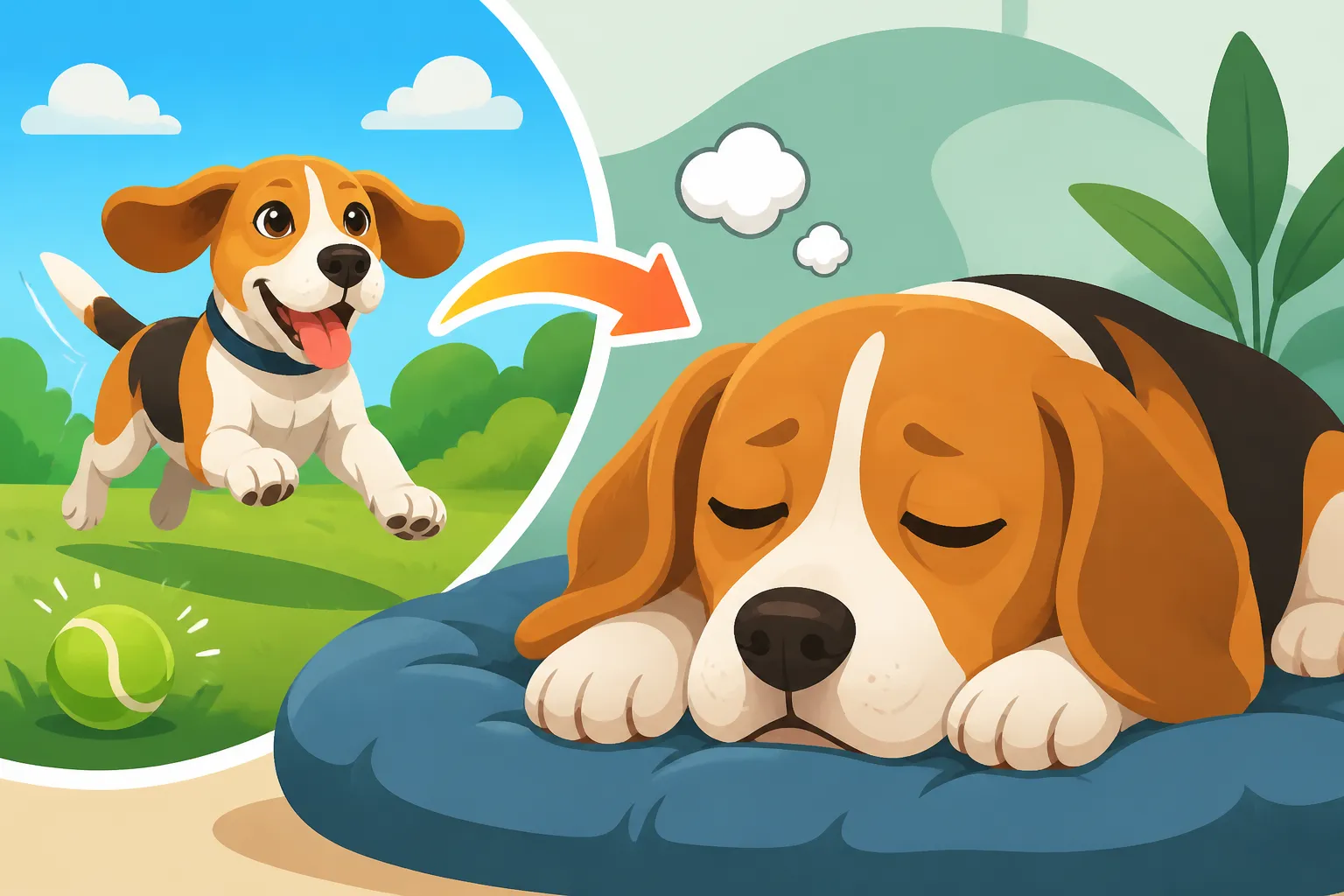
The Signs a Beagle Has Had Enough Exercise
It’s a common struggle for Beagle owners: you want to make sure your furry friend is getting enough exercise to be happy and healthy, but how do you know when they’ve truly had enough? Beagles are little powerhouses with boundless energy and often a deceptive "I could go all day!" attitude, which can make it incredibly hard to distinguish between a satisfied, well-exercised hound and one who's pushed too far. This guide will walk you through the clear and subtle signs that your Beagle has had an optimal workout, and just as importantly, when they might be approaching their limit and need a break.
Understanding the Beagle's Unique Energy Profile
Beagles were bred for endurance, built to follow a scent trail for hours on end, often covering miles across varied terrain. This means their idea of "a good walk" might be vastly different from a Pug's or even a Great Dane's. Their stamina is legendary, and their motivation (that incredible nose!) can often override signals of fatigue. It's easy to fall into the trap of thinking if they're still pulling on the leash, they must need more, but that's not always the case.
The Beagle's Endless Energy Reputation
Let's be honest, Beagles have a reputation for being energizer bunnies, always ready for the next adventure. They’re intelligent, curious, and driven by scent, which means their minds and bodies are constantly engaged. A typical urban walk might barely scratch the surface of their physical and mental needs, leading many owners to try and extend walks or add more intense activities. However, this inherent drive can mask genuine fatigue. A Beagle might appear eager to keep going, sniffing every blade of grass, even when their body is starting to feel the strain. They're often so engrossed in their olfactory world that they don't self-regulate their activity in the same way some other breeds might. This is where understanding their signals becomes crucial, as their enthusiasm can sometimes lead them to overdo it without meaning to.
The Fine Line Between Tired and Overtired
There's a sweet spot when it comes to exercise: enough to be pleasantly tired, but not so much they crash or, worse, injure themselves. For a Beagle, finding this balance is especially critical. A properly exercised Beagle will be calmer, more content, and more likely to settle down for a nap. An overtired Beagle, on the other hand, can exhibit a whole different set of behaviors that might seem counterintuitive. They might become hyper, irritable, or even destructive, much like an overtired toddler. This "second wind" can fool owners into thinking they still haven't had enough exercise when, in reality, their bodies and minds are screaming for rest. Recognizing this distinction is key to preventing both behavioral issues and potential physical ailments down the line. It's about looking beyond the tail wag and paying attention to their overall demeanor and physical cues throughout the day.
Clear Signs Your Beagle Has Had a Satisfying Workout
Once your Beagle has had a good, solid exercise session, you'll often see a shift in their demeanor and energy levels. These are the signs that indicate they've burned off that excess energy, engaged their brilliant noses, and are ready for some well-deserved rest and relaxation. It's not about exhaustion, but rather a contented weariness.
Post-Exercise Behavior
After a good sniff-filled walk, a spirited game of fetch, or a run in a secure, fenced area, a well-exercised Beagle should exhibit a noticeable change. One of the most common and welcome signs is a sustained period of calmness. They'll likely be less inclined to bounce off the walls, counter-surf, or demand constant attention. Instead, you might find them happily sprawled out on their dog bed, perhaps indulging in a long, deep sleep. This isn't just a brief nap; it's a profound relaxation, a sign that their physical and mental energy reserves have been appropriately tapped. You might also notice they're less reactive to household noises or outside stimuli. The world, which hours before was full of intriguing distractions, now holds less immediate allure, making them more attentive to you when you do engage them. This calm state is the golden ticket, showing you've hit the sweet spot of exertion. Remember, the goal isn't to exhaust them into submission, but to fulfill their inherent need for activity and mental stimulation, leading to a genuinely settled state.
Subtle Physical Cues
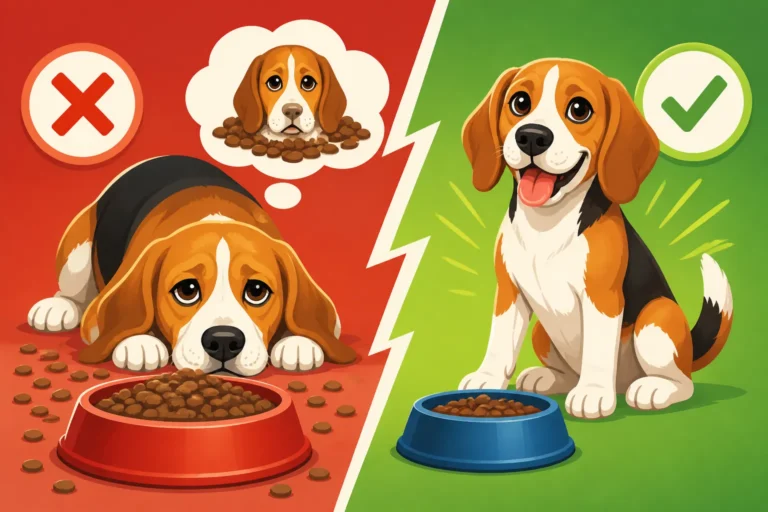
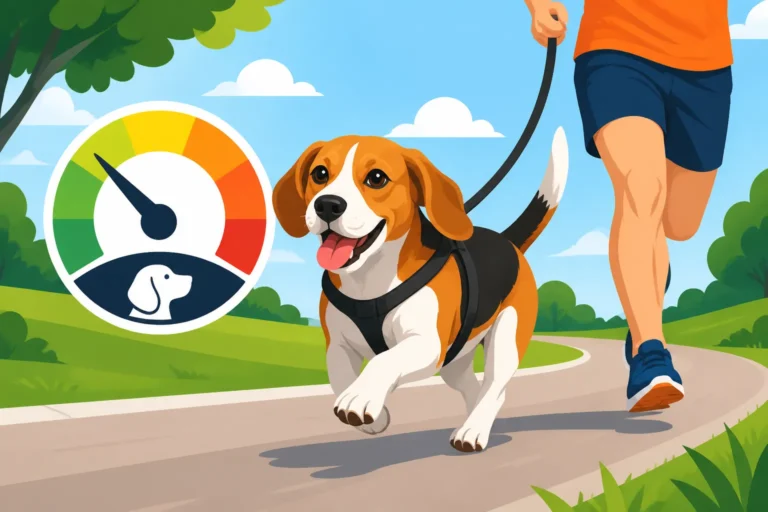
Beyond the obvious panting immediately after a sprint, there are more subtle physical indicators that your Beagle has had sufficient exercise. Keep an eye on their breathing: it should return to a normal, relaxed pace within a reasonable timeframe (typically 10-15 minutes after intense activity, but varying by dog and intensity). Their muscles might feel pleasantly pliable, not tense or rigid. You might notice them stretching more deliberately, or even seeking out a soft spot to lie down, perhaps letting out a contented sigh as they do. Their eyes, once bright and darting with anticipation, might appear softer, more relaxed, and less intensely focused on their surroundings. Another good indicator is their appetite and thirst: a well-exercised Beagle will typically drink plenty of water to rehydrate and then enjoy their next meal with gusto, settling into a comfortable post-meal slumber. If you're incorporating longer hikes, remember to check their paw pads for any tenderness or excessive wear; products available on Chewy can help keep those paws conditioned for adventurous outings. Pay attention to their overall body language, not just immediately after the activity, but for the next few hours. A Beagle that's comfortable and not constantly fidgeting or seeking stimulation is usually a happy, adequately exercised Beagle. If you track their activity with a pet fitness tracker, you can even start to learn their personal "sweet spot" for active minutes.
Recognizing When Your Beagle Might Be Overtired or Overworked
While Beagles possess incredible stamina, even they have their limits. Pushing them too hard, too often, can lead to negative consequences, from behavioral problems to physical injuries. It's crucial to be vigilant for the signs that you might be overdoing it.
Overtired Beagle Behaviors
An overtired Beagle can be surprisingly misleading. Instead of quietly crashing, they might actually rev up, becoming hyperactive, restless, and even a little bit "naughty." You might see an increase in destructive chewing, sudden bouts of zoomies that seem frantic rather than joyful, or incessant demand barking, especially if they are usually quite well-behaved. They may struggle to settle down, pacing around the house, unable to find a comfortable spot to rest. Some Beagles, when overtired, might become irritable or snappish, particularly if approached when trying to rest, or when interacting with other dogs or family members. This isn't aggression, but rather a sign of being overwhelmed and unable to cope with further stimulation. It’s their equivalent of a human child having a meltdown when they’ve missed their nap. This heightened state of arousal is a clear signal that their body and brain need a break, even if they physically appear to still have some energy. Providing a quiet, dark space for them to decompress, perhaps with a comforting chew toy bought from Amazon, can often help them transition out of this overstimulated state.
Physical Strain Signals
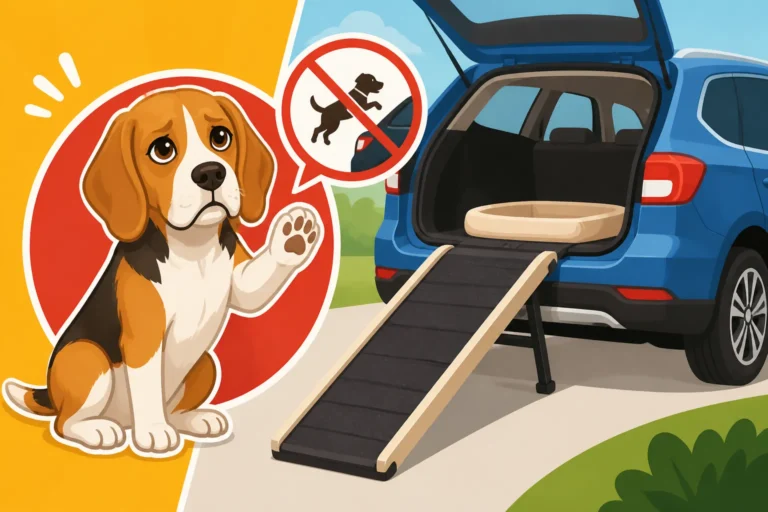
Beyond behavioral cues, your Beagle can show physical signs of being overworked or strained. Limping, stiffness, or a reluctance to jump onto the couch or into the car are obvious red flags, especially if they were fine just hours before. Watch for excessive panting that doesn't subside even after a long rest, which could indicate overheating or cardiovascular strain. A general lethargy that persists beyond a single nap, or an unwillingness to engage in activities they normally love, could also be a sign of overexertion. In more severe cases, you might notice changes in their gait, like a slight wobbliness or an uncoordinated movement, which could hint at muscle fatigue or even joint discomfort, especially as they get older. Keep an eye out for Beagle Arthritis Arriving in Middle Age or even Beagle Hip Dysplasia and Everyday Joint Wear if these signs persist. If your Beagle is particularly prone to ear infections, over-activity in dusty or wet environments might contribute, so regular ear checks are essential, perhaps after a long outing, using products recommended on Chewy. If you observe any of these persistent physical signs, it's always best to consult with your veterinarian. They can help rule out injury or underlying health conditions and advise on appropriate rest and recovery protocols.
Adjusting Exercise for Optimal Beagle Health
Ensuring your Beagle gets the right amount and type of exercise is a cornerstone of their health and happiness. It’s not a one-size-fits-all approach, and what works for one Beagle might not be ideal for another.
Adjusting Exercise for Age and Health
The amount and intensity of exercise your Beagle needs will naturally change throughout their life, and it's vital to adjust accordingly. A young, energetic Beagle puppy, while seemingly tireless, actually needs shorter, more frequent play sessions to protect their developing joints. Over-exercising a puppy can lead to long-term orthopedic issues. As they mature into adulthood, their stamina will peak, and this is when they can truly benefit from longer scent walks, hiking, or even running with you, provided they've been properly conditioned. However, for a senior Beagle, the focus shifts to maintaining mobility and mental engagement without undue strain. Shorter, gentler walks, more frequent potty breaks, and plenty of Indoor Games for a Beagle on a Rainy Day become the norm. Conditions like Beagle Heart Disease and Murmurs or Beagle Back Problems and Intervertebral Disc Disease will also dictate a modified exercise regimen, often requiring a vet's guidance. Regular check-ups are key to understanding their current health status and making informed decisions about their activity levels. Always prioritize quality over quantity, ensuring each exercise session is enriching and safe for your Beagle's specific stage of life. If you're dealing with an older dog, exploring options like Senior Beagle Care After the Age of Ten can provide valuable insights into managing their changing needs.
The Importance of a Good Cool-Down
Just like human athletes, Beagles benefit immensely from a proper cool-down period after any strenuous activity. This isn't just about walking them back to the car; it's about gradually bringing their heart rate and body temperature back to normal. After an intense session, perhaps a long run or a lively game of chase, spend 5-10 minutes walking them slowly on a loose leash. Let them sniff around at a leisurely pace. This gentle movement helps to flush lactic acid from their muscles, which can reduce stiffness and soreness the next day. It also allows their cardiovascular system to recover naturally. Once you're home, offer fresh water immediately. Avoid forcing them to lie down in a cold spot or jump straight into a cold bath, as sudden temperature changes can be a shock to their system. Instead, allow them to relax in a comfortable, quiet area. If they've been particularly active, a gentle massage, especially around their hips and shoulders, can feel wonderful and help you identify any areas of tenderness or strain early on. Providing a comfortable, orthopedic bed (many great options can be found on Amazon or Chewy) will also encourage proper rest and recovery. This cool-down period is just as crucial as the exercise itself in preventing injury and ensuring your Beagle enjoys their physical activity without discomfort.
Here's a quick guide to help you recognize the difference:
| Sign Category | Optimal Exercise (Happy Tired) | Excessive Exercise (Overtired/Strained) |
|---|---|---|
| Behavior | Calm, content, settles easily, long naps, less reactive. | Hyperactive, restless, destructive chewing, excessive barking, irritable. |
| Energy | Reduced energy, willing to relax, enjoys quiet time. | "Second wind," frantic zoomies, struggles to settle, anxious pacing. |
| Physical | Breathing returns to normal quickly, relaxed muscles, good appetite/thirst. | Prolonged panting, limping, stiffness, reluctance to move, persistent lethargy. |
| Recovery | Wakes up refreshed, eager for next activity (within limits). | Still tired or grumpy, muscle soreness, reduced enthusiasm for usual activities. |
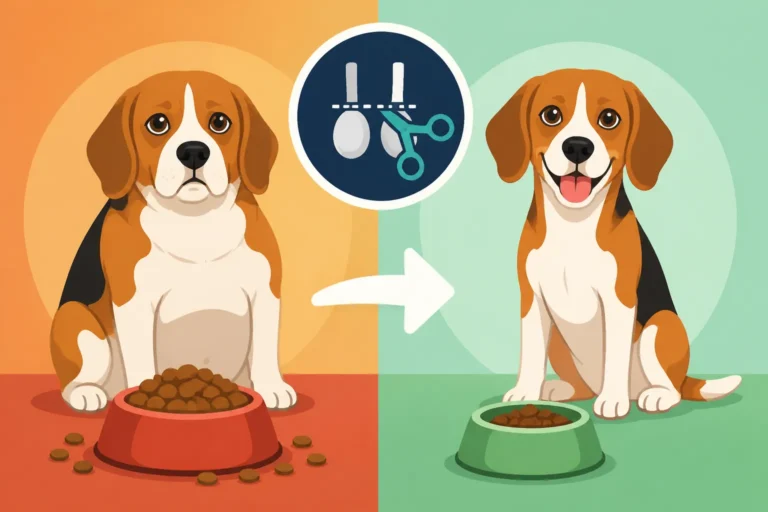
Remember, every Beagle is an individual. Observe your dog closely, learn their unique signals, and consult with your vet if you have any concerns about their exercise levels or health. Providing a balanced diet, such as what brands like Ollie offer with their fresh food options, can also contribute to their overall energy and recovery. It’s all part of being a responsible and loving Beagle parent! If you're looking for more general guidance on their activity needs, consider reading How Much Daily Exercise a Beagle Really Needs.
Disclaimer
This article is for general informational purposes only and does not constitute professional advice. Laws, prices and regulations vary by location and change over time. Consult a qualified professional for guidance on your specific situation.