Why a Neutered Beagle Needs Fewer Calories
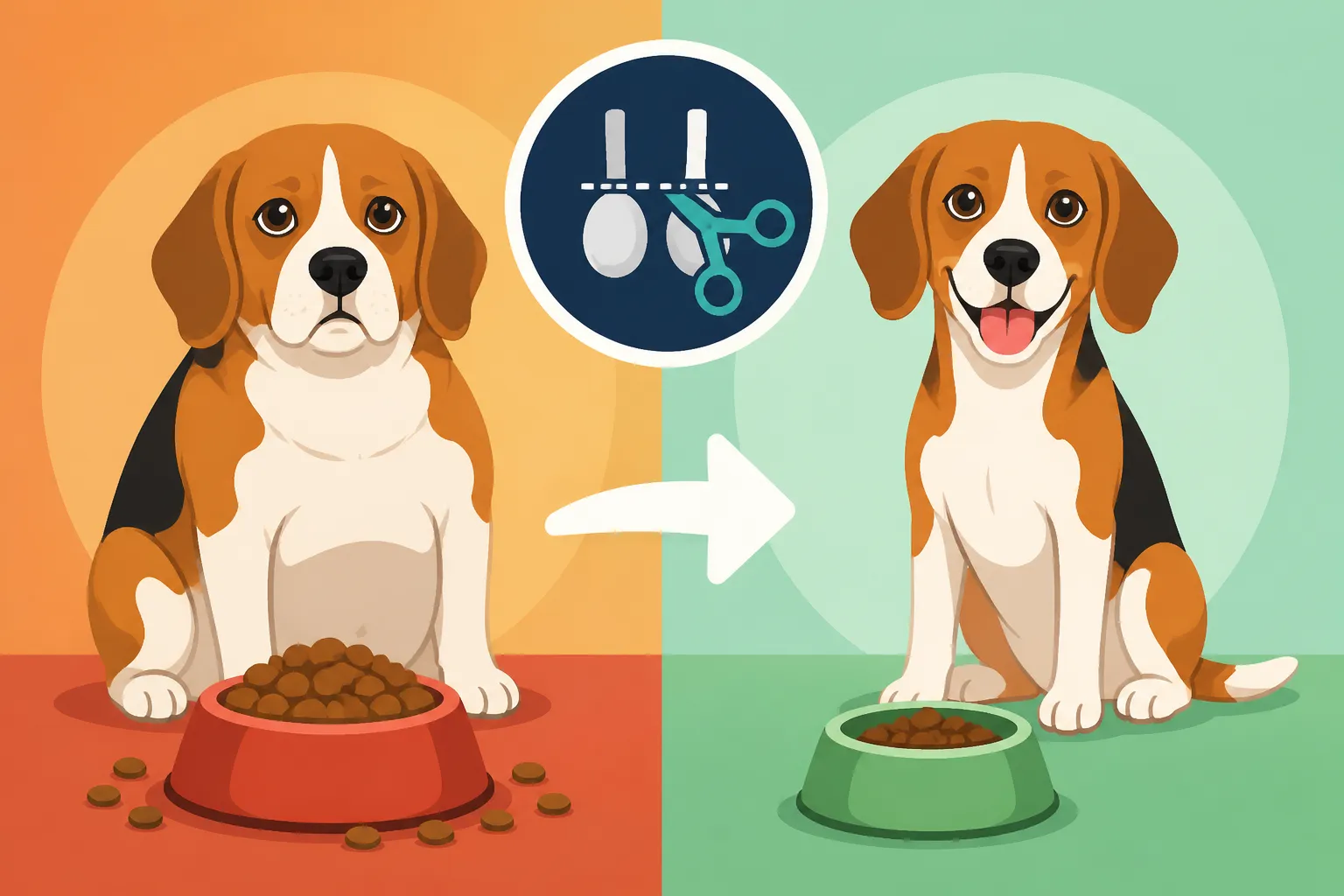
It's a familiar story, isn't it? You bring your beloved Beagle in for their spay or neuter surgery, feeling good about their health and future. But then, a few months down the line, you notice a subtle shift – a little more plump around the middle, perhaps a slight reluctance to bound up the stairs with their usual zeal. This isn't just a coincidence; it's a common post-neutering reality that many Beagle owners face, and it all boils down to their calorie needs changing. This guide will help you understand why a neutered Beagle needs fewer calories and how you can manage their diet to keep them healthy and happy.
The Hormonal Shift After Neutering That Changes Everything
Neutering or spaying your Beagle is a really important step for their health and controlling pet overpopulation, but it's also a major hormonal event. What many owners don't realize is that these changes have a direct and often significant impact on their dog's metabolism and energy requirements. It's not just about removing reproductive organs; it's about altering an entire internal system that has been running on a specific set of hormones.
How Hormone Levels Impact a Beagle's Metabolism
Before neutering, your Beagle's body is producing a suite of hormones that influence everything from their energy levels to their appetite and how efficiently they burn calories. Sex hormones, in particular, play a role in metabolic rate. Once these hormones are removed or significantly reduced through spaying or neutering, the body no longer has the same internal signals driving its processes. Think of it like a car that suddenly has its high-performance mode switched off; it still runs, but not with the same fuel consumption.
For Beagles, who are already naturally inclined towards being very food-motivated and have a tendency to put on weight if not carefully managed, this hormonal shift can be particularly pronounced. Their metabolic rate tends to drop. This means their body simply doesn't burn through calories as quickly as it once did. Even if your Beagle seems to be just as active, their internal machinery is now running a bit slower, requiring less "fuel" to maintain their body weight. Many owners keep feeding the same amount of food out of habit, and that's often where the extra pounds start to creep on without anyone realizing it until it's a significant problem.
Reduced Energy Needs Post-Surgery and Beyond
Beyond the direct metabolic slowdown, there's also a subtle, long-term change in a Beagle's overall energy expenditure. While a young, intact Beagle might have a restless energy driven by hormones and a desire to seek out mates or establish dominance, a neutered Beagle often becomes a bit more settled. This isn't to say they become couch potatoes – a Beagle will always be a Beagle, full of zest and boundless curiosity for scents! – but their baseline activity might decrease just slightly.
Consider a male Beagle who, before neutering, might have spent a significant portion of his day patrolling the yard perimeter, marking territory, or getting agitated by passing dogs. After neutering, some of these behaviors might lessen, leading to less "incidental" calorie burning. Similarly, a female Beagle who no longer experiences heat cycles won't have the hormonal surges that can temporarily increase activity or restlessness. This cumulative reduction in both metabolic rate and potentially even subtle shifts in behavior means that the caloric needs of a neutered Beagle can be 20-30% lower than their intact counterparts. This difference is substantial enough that if ignored, it almost guarantees weight gain over time.
Calculating and Adjusting Your Neutered Beagle's Calorie Intake
So, you've neutered your Beagle, and now you understand why their calorie needs have changed. The next crucial step is figuring out how to adjust their diet appropriately. It's not about starving your Beagle (heaven forbid!), but rather about smart, informed adjustments to prevent obesity and its associated health problems. This requires a bit of detective work and often, collaboration with your vet.
Understanding Your Beagle's New Basal Metabolic Rate
A neutered Beagle’s Basal Metabolic Rate (BMR) – the energy their body needs just to function at rest – is now lower. The challenge is that commercial dog food labels usually provide feeding guidelines based on an average dog of a certain weight, often without accounting for spay/neuter status or individual metabolism. This means the recommended serving on the bag is likely too high for your neutered companion.
To get a starting point, you might look at online calculators that estimate a dog's Resting Energy Requirement (RER) or Daily Energy Requirement (DER) based on their ideal weight. However, these are just estimates. A good rule of thumb is to start by reducing their previous intact diet by about 25% and then monitor their weight closely. For example, if your Beagle was eating two cups a day before, try reducing it to 1.5 cups and see what happens over a few weeks. Remember, consistency is key when making these changes. Don't fall into the trap of thinking a handful of extra kibble here or there doesn't add up – for a Beagle, it absolutely does.
Reading Food Labels and Making Smart Adjustments
Pet food labels can be confusing, with tiny print and numbers that are hard to decipher. However, they are your primary source of information about the caloric content of your Beagle's food. Most high-quality dog foods will list the "kcal/cup" or "kcal/kg" (kilocalories per cup or kilogram). This number tells you exactly how many calories are in a specific volume or weight of that food.
When you're trying to manage your neutered Beagle's weight, it's far more accurate to measure their food by weight (using a kitchen scale) rather than by volume (using a measuring cup). A "cup" of kibble can vary wildly depending on how densely it's packed. For instance, a half-cup scoop might actually contain more calories if the kibble is small and dense compared to a larger, airier kibble. If your chosen food, say from Chewy, lists its calories per gram, that's your most precise way to control portions. Some owners find that switching to a "weight management" or "light" formula can help, but always check the caloric density, as some aren't significantly lower in calories. The key is to find a food that provides good nutrition at a lower caloric count, allowing your Beagle to feel full without overeating.
The Importance of Consulting Your Veterinarian
While online calculators and diligent label reading are great starting points, your veterinarian is your best resource for determining your neutered Beagle's exact caloric needs. They can assess your Beagle's current Body Condition Score (BCS), discuss their activity level, and factor in any other existing health conditions. They can also rule out other reasons for weight gain, such as Beagle Hypothyroidism and Sudden Weight Gain, which can mimic simple overfeeding.
Your vet can provide a more tailored daily calorie target and help you choose a suitable food. They might even recommend a specific prescription diet if your Beagle has a significant amount of weight to lose. Remember, they see countless dogs, and they understand the specific needs and challenges of a breed like the Beagle, which is predisposed to obesity. Don't hesitate to schedule a "weight check" appointment a few months after neutering if you're concerned. It's much easier to prevent significant weight gain than to reverse it once it's established.
The Real Risks of Overfeeding a Neutered Beagle
It's easy to dismiss a few extra pounds as "fluff" or "just being happy." But for a neutered Beagle, those extra calories and the resulting weight gain aren't just cosmetic; they carry significant health risks that can shorten their lifespan and dramatically impact their quality of life. As Beagle owners, our job is to protect them from these preventable issues.
The Link Between Excess Weight and Beagle Health Problems
An overweight or obese Beagle is unfortunately much more susceptible to a host of serious health conditions. Every extra pound puts undue strain on their joints, predisposing them to issues like Beagle Arthritis Arriving in Middle Age or exacerbating existing conditions like Beagle Hip Dysplasia and Everyday Joint Wear. Imagine carrying an extra backpack all day, every day – that's what it feels like for their little legs and spine.
Beyond joint problems, obesity increases the risk of metabolic diseases. An overweight Beagle is at a higher risk for Beagle Diabetes and Blood Sugar Control, which can require daily insulin injections and careful dietary management. They can also develop heart conditions, high blood pressure, and even certain types of cancer. Breathing can become more difficult, especially in warm weather, as the excess fat restricts lung capacity and makes them less efficient at cooling themselves. Their energy levels will plummet, they'll be less enthusiastic about walks, and their merry Beagle spirit might dim. It's a cascade of problems that all stem from an imbalance between calorie intake and energy expenditure.
Monitoring Your Beagle's Body Condition Score at Home
The best way to tell if your Beagle is at a healthy weight isn't by looking at a number on a scale alone (though that's important too!), but by assessing their Body Condition Score (BCS). This involves a visual and tactile assessment of their body, checking for fat deposits and muscle mass. You want your Beagle to have a "waist" when viewed from above, like an hourglass shape, and their belly should tuck up slightly when viewed from the side.
Here’s a simple guide to checking your Beagle's BCS:
| Score Category | Appearance | Feel (Ribs) | Feel (Spine) |
|---|---|---|---|
| Ideal | Ribs easily palpable; waist visible from above; abdominal tuck visible. | Easily palpable with slight fat covering. | Easily palpable with slight fat covering. |
| Overweight | Ribs palpable with difficulty; waist less apparent; slight abdominal tuck. | Difficult to feel under moderate fat. | Difficult to feel under moderate fat. |
| Obese | Ribs not palpable under heavy fat; no waist; distended abdomen. | Not palpable under heavy fat. | Not palpable under heavy fat. |
If you can't easily feel your Beagle's ribs without pressing hard, or if their waist has disappeared, it's a strong sign they're carrying too much weight. Keep a consistent eye on their body shape and feel. Checking their BCS regularly, perhaps once a month, is a proactive way to catch weight gain early before it becomes a big battle. Just like we discussed in Why an Overweight Beagle Still Looks Normal, it's easy to miss subtle changes under that dense Beagle coat!
Practical Strategies for Managing a Neutered Beagle's Diet
Okay, so you know the 'why' and the 'what' of calorie adjustment. Now let's talk about the 'how.' Managing a neutered Beagle's diet isn't just about cutting back on food; it's about making smart choices, utilizing tools, and integrating their natural Beagle instincts into a healthy routine.
Choosing the Right Food and Feeding Tools
When your Beagle's metabolism slows, every calorie counts. Look for high-quality dog foods that are nutritionally complete but perhaps slightly lower in calories. Some brands offer specific "weight management" or "light" formulas that can be helpful. If you're exploring fresh food options, companies like Ollie deliver pre-portioned meals that can be great for precise calorie control. Just ensure you discuss any significant dietary changes with your vet, especially if your Beagle has specific health needs.
Beyond the food itself, the way you present it matters hugely. Beagles are notoriously fast eaters, often gulping down their meals in seconds, which doesn't give their brain enough time to register fullness. This is where tools like slow feeders become invaluable. You can find a wide variety of puzzle feeders and slow-feed bowls on platforms like Amazon or Chewy. These force your Beagle to work for their food, extending mealtime and slowing down consumption. This also provides mental stimulation, which is a bonus!
Another crucial aspect is accurate measurement. Ditch the coffee scoop and invest in a proper kitchen scale to weigh your Beagle's kibble. This eliminates the guesswork and ensures you're feeding the exact amount of calories you intend. Remember, even a small handful of extra kibble can add up to hundreds of excess calories over a week for a dog with a lowered metabolic rate.
| Strategy | Benefit | Practical Tip |
|---|---|---|
| Accurate Measurement | Prevents accidental overfeeding; ensures precise calorie control. | Use a kitchen scale to weigh food in grams rather than volume cups. |
| Slow Feeders | Extends mealtime; enhances satiety; provides mental enrichment. | Invest in a puzzle bowl or snuffle mat from Amazon or Chewy. |
| High-Quality Food | Ensures complete nutrition while managing calories. | Consult your vet for recommended brands or try fresh-food options like Ollie for tailored portions. |
| Controlled Treats | Prevents hidden calorie intake from snacks. | Use low-calorie training treats or small pieces of their daily kibble for rewards. |
| Regular Meal Times | Helps regulate metabolism and manage hunger cues. | Stick to a consistent feeding schedule, typically two meals a day for adult Beagles. |
Incorporating Exercise and Mental Stimulation
While diet is paramount, exercise remains a vital component of weight management for a neutered Beagle. They might not be as hormonally driven to explore, but their core Beagle need for activity and scent work hasn't vanished! Aim for at least 60-90 minutes of moderate exercise daily, broken into a couple of sessions. This could be brisk walks, playing fetch in a securely fenced yard, or even hiking on a long line. We covered some great ways to keep them active in Exercise That Actually Burns Beagle Calories.
Crucially, don't underestimate the power of mental stimulation, especially for Beagles. Their incredible noses are their superpower, and engaging this sense can be just as tiring as physical exercise. Instead of just putting their food in a bowl, scatter it across the yard (if safe from toxins or scavengers), or use puzzle toys that require them to think and work for their meal. Nose work games, where they search for hidden treats, are fantastic for Beagles and burn mental energy. A mentally tired Beagle is a happy Beagle, and less likely to seek out extra food due to boredom.
Remember, every Beagle is an individual. What works for one might need tweaking for another. Stay observant, be consistent, and always prioritize your Beagle's health. By understanding these post-neutering changes, you're well-equipped to keep your merry hound at a healthy weight for a long and joyful life.
Disclaimer
This article is for general informational purposes only and does not constitute professional advice. Laws, prices and regulations vary by location and change over time. Consult a qualified professional for guidance on your specific situation.