Chews a Beagle Cannot Swallow in One Go
If you're a Beagle owner, you know the struggle: you hand over a brand-new chew, hoping for a few minutes of peace, only to have your beloved hound devour it in sixty seconds flat, often gulping down chunks that are far too big. It's not just frustrating for your wallet; it's a genuine health concern, with choking hazards and digestive issues looming large. This guide is all about helping you navigate the world of dog chews to find options that truly last, satisfying your Beagle's relentless chewing instinct while keeping them safe.
Understanding the Beagle's Unique Chewing Style and Why It Matters
Beagles are incredible dogs, known for their merry dispositions, their unwavering loyalty, and, let's be honest, their legendary stomachs. They were bred to hunt in packs, which means competition for food was always high. This ancient instinct translates into a powerful food drive and a tendency to eat quickly, often inhaling rather than savoring. Their strong jaws, designed for holding onto quarry, make short work of most chews, and their enthusiastic approach often means they try to swallow pieces that are much larger than they should. This isn't just a quirk; it's a fundamental part of their being that we, as owners, need to understand and manage.
The Instinct to Gulp and Swallow
Many breeds will gnaw, pick apart, and carefully consume a chew over time. Not so much the average Beagle. If it smells good and feels good to chew, it's often seen as fair game to be consumed as quickly as possible. This intense drive means they don't always self-regulate. They'll break off a piece, perhaps even a large one, and rather than continue to chew it down, they'll attempt to swallow it whole. This behavior can lead to serious problems, from choking emergencies right there in front of you to blockages further down their digestive tract. It's why "indestructible" isn't just about the chew lasting a long time, but about preventing potentially dangerous consumption patterns. When you think about Beagle Gulping Food and the Choking Risk, you realize how critical chew selection is.
The Power of the Beagle Jaw
Don't let their relatively small size fool you; Beagles possess surprising jaw strength. Their compact build and sturdy bone structure contribute to a powerful bite, especially when focused on something they deem delicious. This strength, combined with their relentless chewing action, means that many chews marketed for "medium" dogs or "strong chewers" might still be demolished faster than you'd expect. A softer chew or a thinly-cut item simply won't stand a chance. This isn't a fault of your Beagle; it's just how they're built, and it requires us to be extra diligent in our selection of appropriate, durable options.
Safe and Satisfying Chews That Stand a Chance Against a Beagle
Finding chews that your Beagle can't swallow in one go, or at least that take a good long while to break down, is key to their safety and your sanity. The goal is to provide mental enrichment and satisfy that natural urge to chew, without creating a choking hazard or an expensive, fleeting snack.
Natural, Long-Lasting Options
When it comes to durability and natural appeal, some options really shine for Beagles.
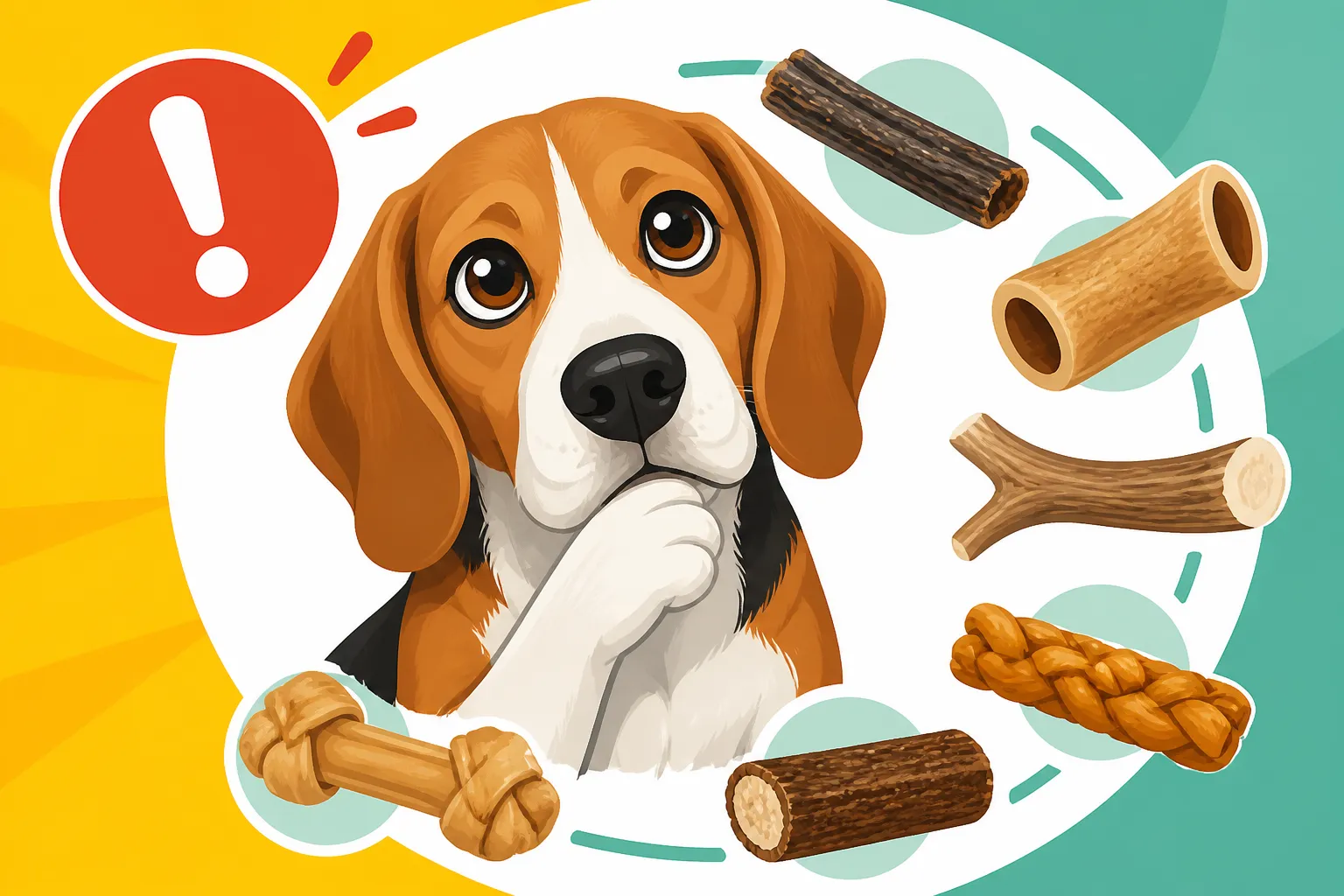
- Bully Sticks: These are a classic for a reason. Made from dried beef pizzle, they are fully digestible and generally quite tough. The key is to choose appropriate sizes and thicknesses. For a Beagle, a thick, braided, or extra-large bully stick will last significantly longer than a thinner, smaller one. Always supervise, especially when the stick gets down to a small, swallowable size. Many owners will use a bully stick holder to prevent the last piece from being gulped. You can find a wide variety of sizes on sites like Chewy.
- Yak Chews (Himalayan Dog Chews): Made from yak and cow milk, these hard cheese chews are incredibly durable and become softer with prolonged chewing, eventually creating a safe, smaller piece. The slow breakdown means they offer hours of chewing entertainment. When they get too small, you can even microwave them into a puffed cheese treat, eliminating the choking risk of the tiny end piece. They're a fantastic, long-lasting, and generally safe option, though some Beagles might lose interest once they stop releasing a lot of flavor.
- Deer or Elk Antlers: These are very hard, natural chews that can last for months. They don't splinter easily, though some Beagles might be too aggressive and crack teeth on them if they chew too intensely. Look for "split" antlers if your Beagle needs a bit of a head start to get to the marrow, which is the most appealing part. "Whole" antlers are even more durable. As always, supervise and discard if they become too small or too sharp.
- Natural Bones (Raw, Non-Weight Bearing): Some raw recreational bones, like beef femurs or knuckle bones (uncooked!), can provide hours of chewing. Never give cooked bones, as they can splinter and cause severe internal damage. Raw bones, especially the large, non-weight-bearing ones, are harder to break down. However, they can still present risks, including dental fractures and potential for bacterial contamination. Always consult your vet before introducing raw bones, and monitor your Beagle closely.
Durable Dental Chews and Toys
Beyond natural chews, there are manufactured products designed to be long-lasting and often have dental benefits.
- Hard Rubber or Nylon Chews: Brands like KONG (e.g., Extreme KONG), Nylabone, and Benebone offer extremely durable chews made from tough rubber or nylon. These aren't meant to be consumed, but rather gnawed on to provide oral satisfaction and help clean teeth. The key here is selecting the right size and shape for your Beagle. A large Nylabone designed for giant breeds might be perfect for your power-chewing Beagle, as it's nearly impossible for them to break off a swallowable piece. Beagle Dental Care Across Fifteen Years is so important, and these can be a part of that routine.
- Dental Chews with Harder Textures: While many dental chews are designed to be eaten quickly, some brands offer harder, more durable versions. Look for products specifically marketed for "aggressive chewers" or those with a very dense, firm texture. While they won't last as long as a bully stick, they might provide a good 15-20 minutes of chewing, which is a win for a Beagle! Always check the ingredients and calorie count, as these can add up. Some owners might look into subscription services, perhaps similar to what you might find from Ollie, that curate high-quality dental chews.
What to Avoid When Choosing Chews for Your Beagle
Just as important as knowing what to offer is understanding what to steer clear of. Many popular chews, while seemingly harmless, can pose significant risks to a Beagle, especially one with a strong chewing drive and a penchant for gulping.
Chews That Break Apart Too Easily
Any chew that can be quickly broken into large, swallowable chunks is a no-go for a Beagle. This includes:
- Many types of rawhide: While some thick, pressed rawhide can last a bit, many forms become soft and pliable when wet with saliva, making them easy to tear off in large, gummy pieces. These can then form obstructions in the esophagus or intestines, leading to life-threatening emergencies. Surgery After a Beagle Swallows Something Outside can be an unfortunate reality for dogs who ingest inappropriate items.
- Thinly cut jerky or dehydrated treats: Unless they are designed to be extremely tough and fibrous, many dehydrated animal parts (e.g., chicken feet, thin beef lung) can be crunched and swallowed too quickly, offering minimal chewing satisfaction and potential choking risks.
- Small, brittle chews: Anything that crumbles into tiny, sharp pieces or can be consumed in just a few bites should be avoided. Not only do they not satisfy the chewing urge, but they can also pose digestive issues.
Overly Hard or Unnatural Items
While durability is key, there's a fine line between a long-lasting chew and one that's simply too hard.
- Cooked bones: I cannot stress this enough: NEVER give your Beagle cooked bones of any kind. Cooking makes bones brittle and prone to splintering into sharp shards that can cause punctures, lacerations, and obstructions in your dog's digestive tract. This includes bones from your dinner plate, whether chicken, pork, or beef. Always err on the side of caution.
- Ice cubes or rocks: While an ice cube might seem innocent, a dedicated chewer can easily chip a tooth on it. Rocks, of course, are an obvious hazard, but sometimes Beagles, with their curious noses and scavenging nature, pick them up outdoors. You'd be surprised how many dogs end up with severe dental trauma or internal injuries from these.
- Cattle hooves: These are extremely hard and can be very dangerous. They are notorious for causing slab fractures of the teeth, which are painful and often require expensive dental surgery. While they seem durable, the risk to your Beagle's dental health is simply too high.
Best Practices for Chew Time: Supervision, Rotation, and Discarding
Even with the safest, most durable chews, proper management is crucial. A "safe" chew can become unsafe if not used correctly. Think of it as part of Beagle Health Testing Under CHIC – you're doing your due diligence to keep them healthy.
Constant Supervision is Non-Negotiable
No chew, no matter how well-researched, is truly 100% risk-free, especially with a determined chewer like a Beagle. Always supervise your Beagle during chew time. This means actively watching them, not just being in the same room.
- Watch for breaking pieces: If you see your Beagle manage to break off a large piece of a chew, immediately intervene and safely remove it.
- Observe chewing behavior: Is your Beagle actually chewing and breaking down the item slowly, or are they trying to swallow large chunks? Adjust your chew choice if their behavior is unsafe.
- Choking prevention: If they start choking, knowing how to perform the Heimlich maneuver on a dog could be a life-saver.
The Art of Chew Rotation and Knowing When to Discard
Introducing new chews and rotating them keeps your Beagle engaged and prevents them from getting bored. It also ensures you're frequently inspecting the condition of each chew.
- Rotate chews: Don't leave the same chew out all the time. Offer a variety of appropriate chews and rotate them every few days. This keeps the novelty alive and makes each chew feel like a fresh prize. It's a bit like Indoor Enrichment for a Rainy Beagle Week.
- Inspect regularly: Before each chew session, inspect the item thoroughly. Look for any sharp edges, splinters, or areas that have been chewed down significantly, making them more likely to break off.
- Know when to say goodbye: When a chew gets down to a size that your Beagle could potentially swallow whole, it's time to discard it. This might feel wasteful, especially with expensive chews, but it's vital for safety. For bully sticks, this is often the last inch or two. For antlers, if it's small enough to fit entirely in their mouth, it's time to go.
A Quick Comparison of Popular Chew Types
Here's a handy table to help you compare common chew options for your Beagle:
| Chew Type | Pros | Cons | Durability for a Beagle | Safety Notes |
|---|---|---|---|---|
| Bully Sticks | High palatability, digestible, good teeth cleaning | Can be consumed quickly if too thin, strong odor, calorie dense | Moderate to High | Supervise closely when small, consider a holder. |
| Yak Chews | Very long-lasting, natural, digestible, low odor | Can be very hard (dental risk for extreme chewers), less palatable for some | High | Microwave end pieces. Watch for dental chips if your Beagle is a gnawer, not a grinder. |
| Deer/Elk Antlers | Extremely long-lasting, natural, no odor, non-splintering | Can be too hard (dental risk), some dogs lose interest | Very High | Choose appropriate size, supervise for tooth chipping. Discard if too small. |
| KONG (Extreme/Hard Rubber) | Indestructible (not consumed), good for stuffing, mentally stimulating | Not edible (no calorie intake, but also no digestive benefit), some dogs prefer edible chews | Very High | Proper size is key to prevent jaw injury. Not meant to be eaten. |
| Nylabone/Benebone | Very durable, comes in various flavors/shapes, non-splintering | Not digestible (can cause blockages if ingested), some dogs find them uninteresting | Very High | Must be the right size. Discard if significant pieces are broken off or swallowed. |
| Rawhide (Thick, Pressed) | Satisfying chew, widely available | High risk of choking/blockage, can become gooey and swallowed | Low to Moderate | Generally not recommended for Beagles due to high risk. |
| Cooked Bones | Readily available from scraps | Splinters, sharp edges, serious internal injury risk | Very Low | NEVER give cooked bones. |
Remember, your Beagle's safety is paramount. Taking the time to select appropriate chews and supervising their use diligently will lead to a happier, healthier hound and a less stressful household for you. It's an important part of managing The Beagle Food Drive That Empties Your Counters and protecting your beloved companion.
Disclaimer
This article is for general informational purposes only and does not constitute professional advice. Laws, prices and regulations vary by location and change over time. Consult a qualified professional for guidance on your specific situation.