How Musladin-Lueke Syndrome Passes Through Beagle Lines
Musladin-Lueke Syndrome inheritance in Beagles involves genetics and DNA testing to protect future generations from connective tissue disorders.
Know what to watch for.
Breed-specific conditions, screening and DNA tests, what surgery actually costs, and the daily habits that stretch a healthy lifespan.

Musladin-Lueke Syndrome inheritance in Beagles involves genetics and DNA testing to protect future generations from connective tissue disorders.
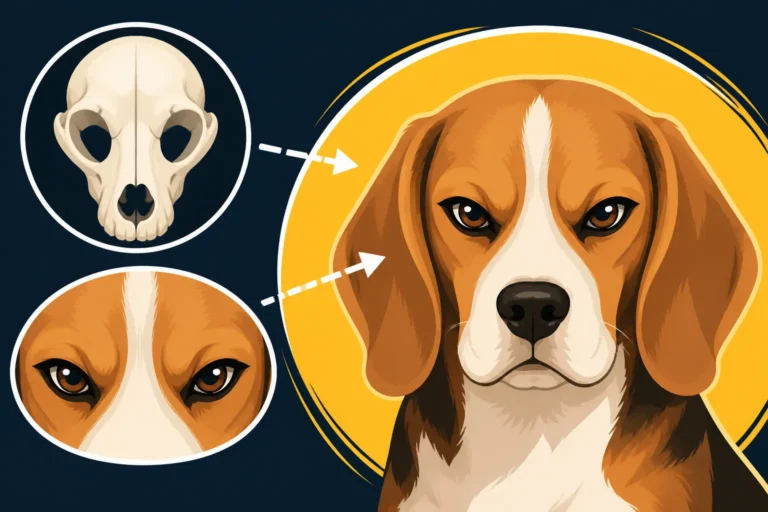
Musladin-Lueke Syndrome in Beagles causes connective tissue changes, a flatter forehead, a broader skull, and slanted eyes.
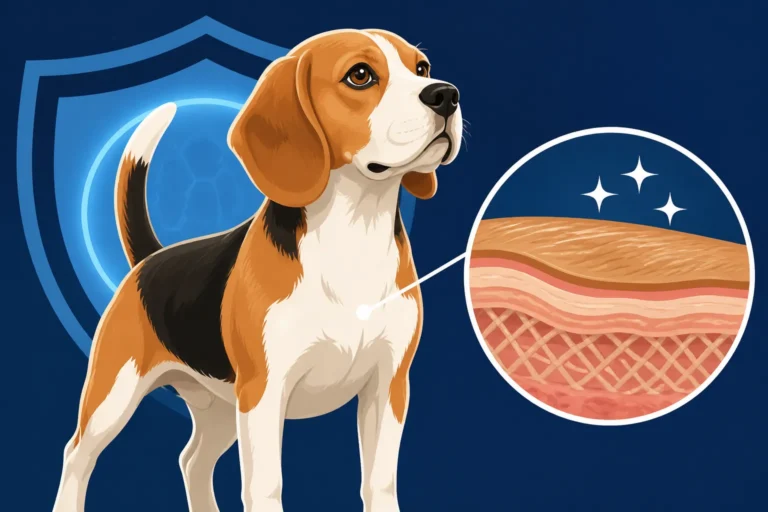
Musladin-Lueke Syndrome in Beagles causes thick, taut skin from a recessive genetic disorder affecting connective tissue.

Musladin-Lueke Syndrome in Beagles involves a genetic mutation causing connective tissue abnormalities and a distinctive tip-toe gait.
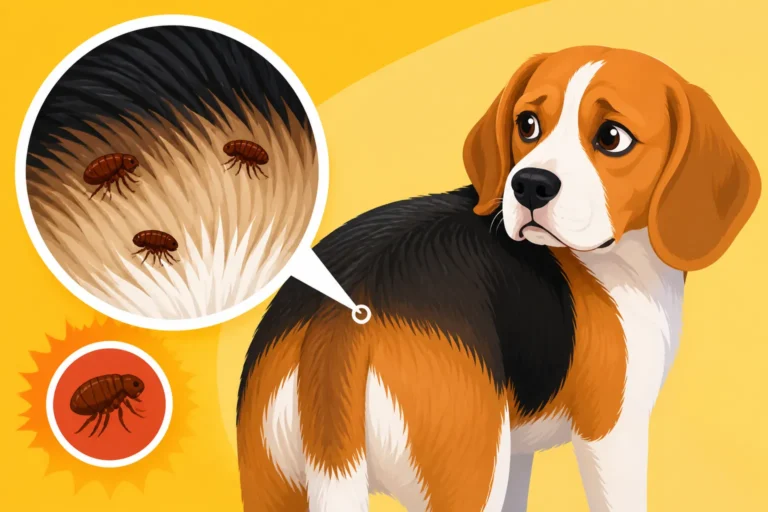
Fleas hide deeply in a Beagle dense double coat and warm fur, making detection hard. This explanation shows how to spot and eliminate them.
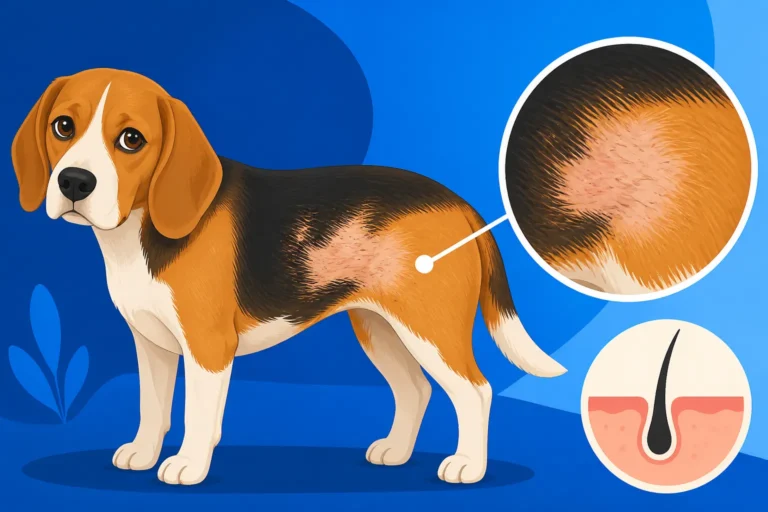
Seasonal flank alopecia, hypothyroidism, and allergies cause symmetrical hair loss on Beagle flanks, requiring veterinary diagnosis and proper treatment.
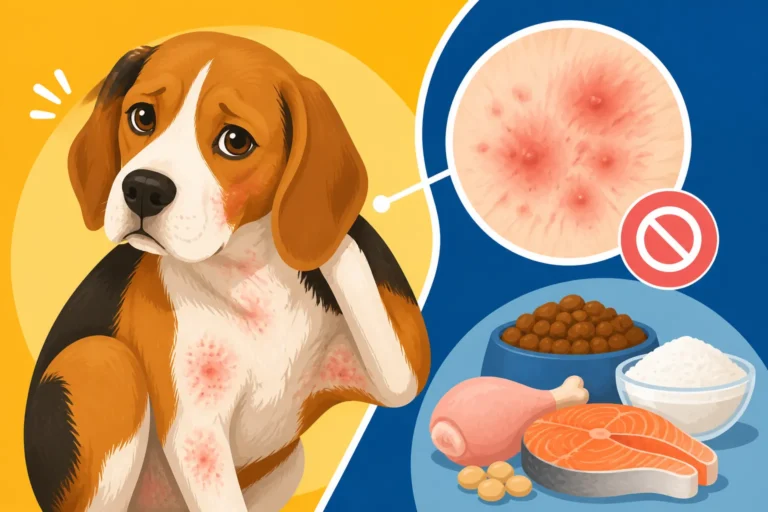
Beagle food allergies cause chronic skin irritation, paw licking, and recurring infections. Learn the common dietary culprits.
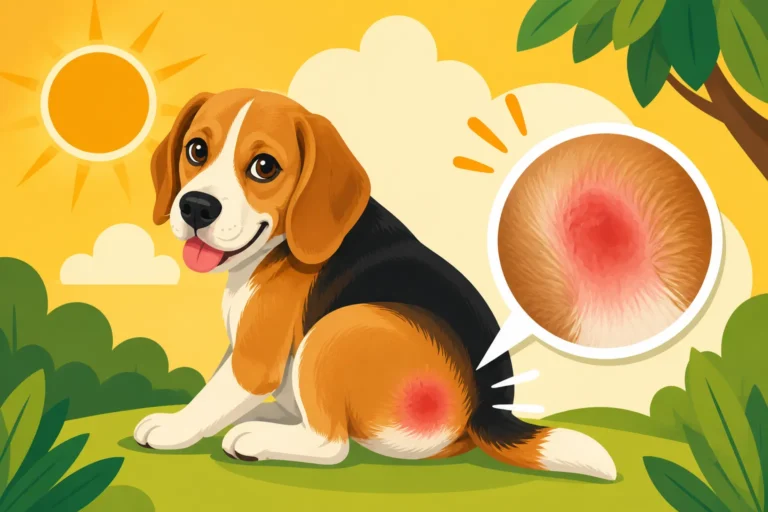
Beagle hot spots are red, weeping skin lesions caused by summer moisture, allergies, and fleas that trigger relentless licking.

Nighttime scratching in Beagles stems from fleas, mites, environmental pollen, food allergies, or anxiety causing discomfort.
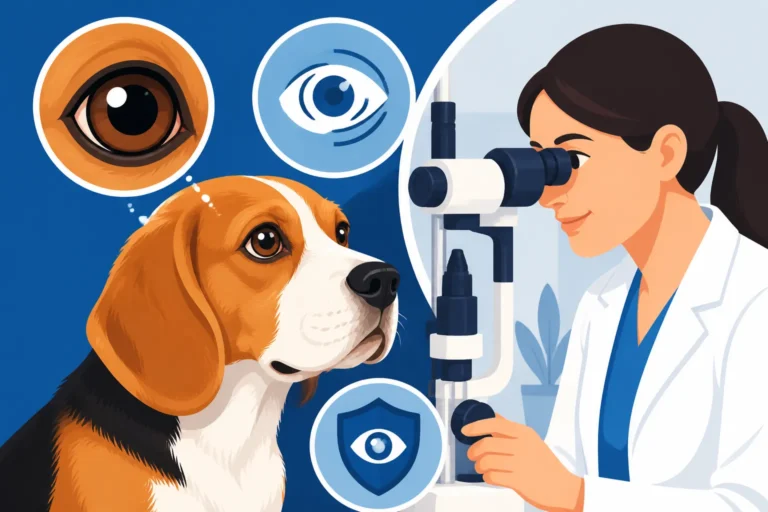
Specialized veterinary ophthalmology care protects Beagles against inherited eye conditions and unique anatomical vulnerabilities.