Snoopy and the Beagle in American Culture
Snoopy and his cultural legacy explain how Charles Schulz created the iconic cartoon Beagle and shaped the breed’s popularity.
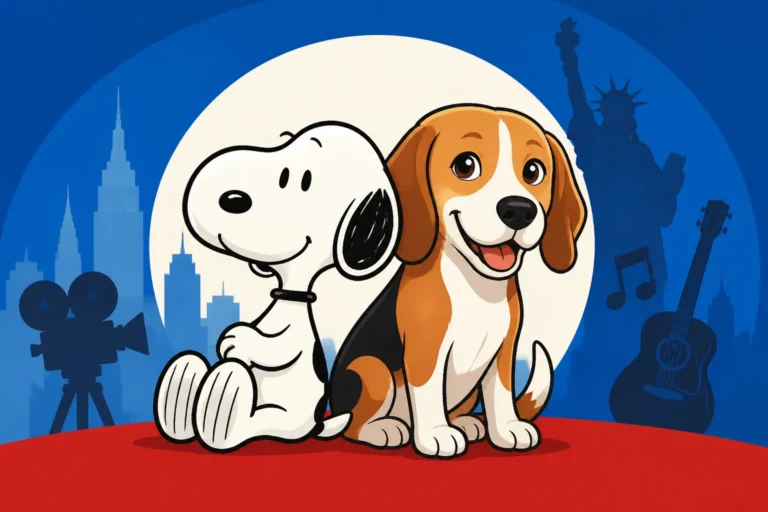
Snoopy and his cultural legacy explain how Charles Schulz created the iconic cartoon Beagle and shaped the breed’s popularity.

Historical traits and scientific practices explain why Beagles became standard laboratory animals in research studies.

Beagle popularity metrics and history explain why this friendly hound breed maintains the number seven spot in rankings.
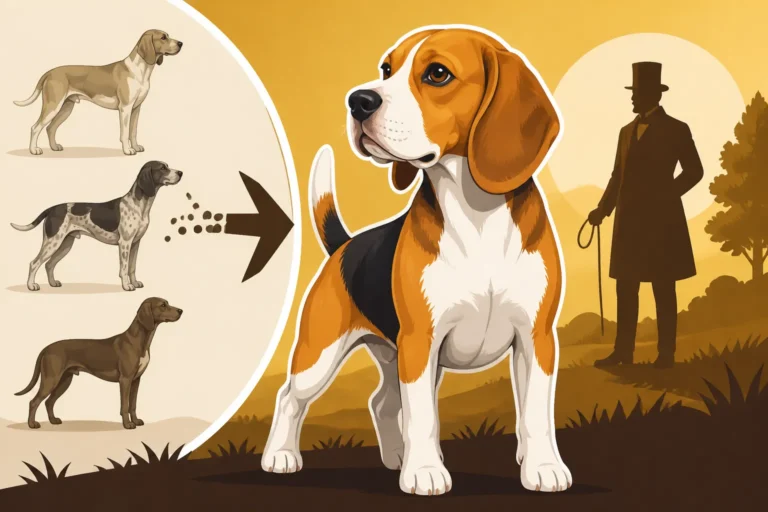
Nineteenth-century breeding efforts transformed diverse working hounds into the standardized modern Beagle breed during the 1830s.

Beagle temperament, training demands, and strong scent instincts help determine if this merry hound fits your home and lifestyle.
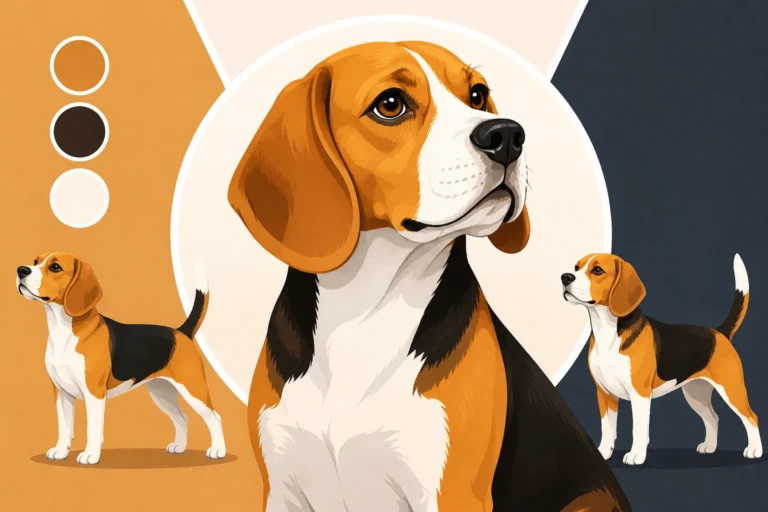
Beagle coat colors, the standard tricolor pattern with a black saddle, and how puppy markings shift with age are explained.
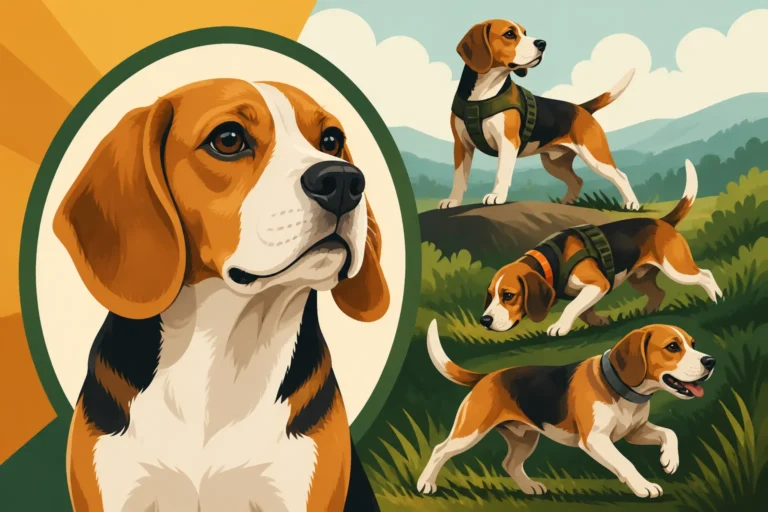
Working Beagles possess 220 million scent receptors and use their advanced olfactory system to track small game over long distances.

Beagle temperament and pack heritage with 220 million scent receptors explain why these cheerful hounds suit family life.
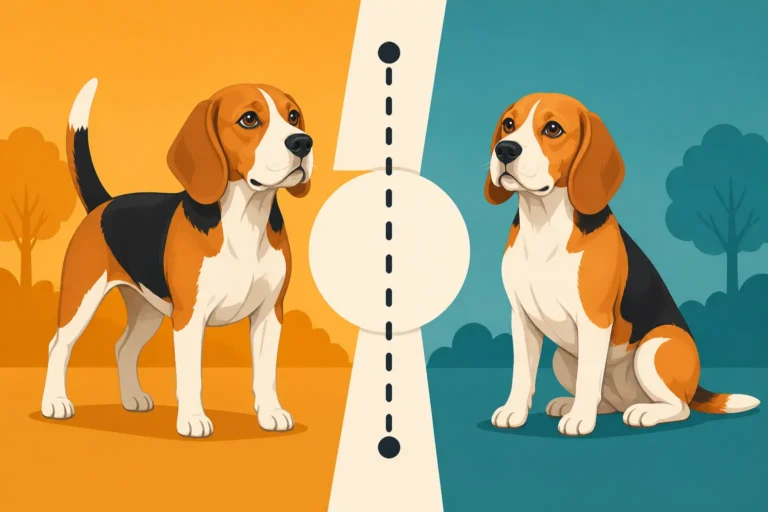
The thirteen-inch and fifteen-inch Beagle varieties originate from British hunting history and American breed standards.
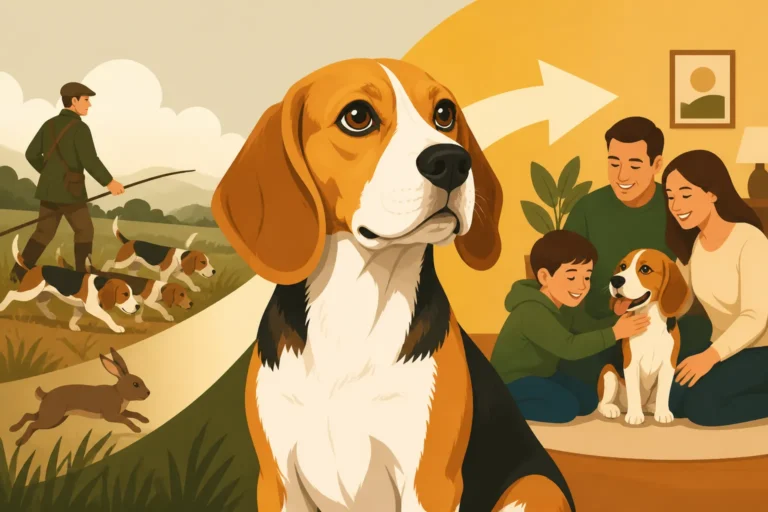
The history of the Beagle traces scent hounds and English rabbit packs from Roman times and medieval Europe into American homes.